The worst part of coming home from a good trip is often not the flight, drive or train. It is the half-open suitcase that remains on the floor three days later. Dirty socks mix with clean shirts, charging cables disappear into side pockets, and a bathroom bag sits on the counter because putting everything away feels like another chore.
You do not need an elaborate organizing system to avoid it. The simplest approach is to give your return home two separate tasks: a short arrival reset for anything urgent, followed by a defined unpacking session to finish the rest. Deal with wet garments, food, medication and valuables first. Then move clean clothes, equipment and the empty suitcase back to their proper places.
What should you do first when you get home from a trip?
Start with anything that can spoil, leak, become unpleasant or go missing. Open the suitcase somewhere with enough floor space to sort it, not on freshly made bedding. Remove perishable snacks, wet swimming clothes, sweaty gym gear and containers that may have leaked. Put your passport, wallet, keys and essential work devices in their usual safe locations.
Only after those items are handled should you worry about folding clean T-shirts or putting a spare pair of shoes away. This order works because the cost of waiting is not equal for every object. A dry sweater can stay folded for another evening. A damp towel in a zipped compartment should not.
Use three destinations, not one pile
Set out a laundry basket, a clean surface or wardrobe space, and one small tray for items that need a decision. As you unload, send each item straight to its destination: wash or dry, return to storage, or inspect and restock. Do not create a fourth category called ‘deal with later’ unless you put a specific reminder on it.
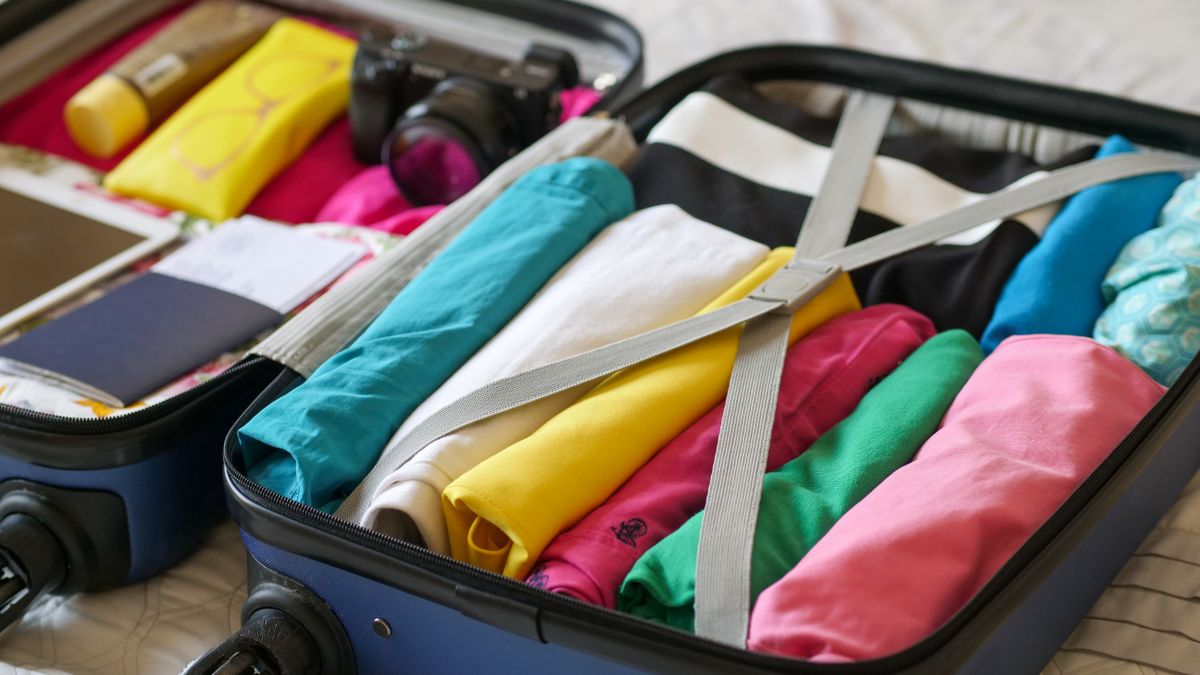
Photo: Kindel Media / Pexels.
For a business trip, this might mean the dress shirt goes to the laundry basket, a clean blazer goes onto a hanger, and the laptop charger returns to the desk drawer. For a beach weekend, the first moves might be drying swimwear and separating sandy footwear from the rest. The routine stays the same; the order of urgency changes with what you brought home.
The 15-minute arrival reset
When you reach home late or exhausted, finishing every last pocket is usually unrealistic. Instead, make a short pass that removes the reasons the suitcase cannot safely wait. Put a timer on if that helps, but treat fifteen minutes as a practical target, not a rule. A delayed flight or an unusually messy trip may need a different pace.
1. Rescue anything damp, dirty or leaking
Move wet garments out first and let them dry or put them into an appropriate wash. Check shoes, towels, toiletry bags and any travel laundry pouch. Open leaking containers over a sink, clean the affected pouch and make sure nothing remains wet inside the case. A bag that is shut while damp will not become easier to deal with tomorrow.
Sort clothing by care requirements rather than washing everything blindly. Read fabric labels, especially on wool, technical fabrics and smarter travel clothing. If you have a dress shirt, knitwear or performance top whose instructions you have forgotten, our guide to reading laundry care symbols explains how to choose the right treatment without guessing.
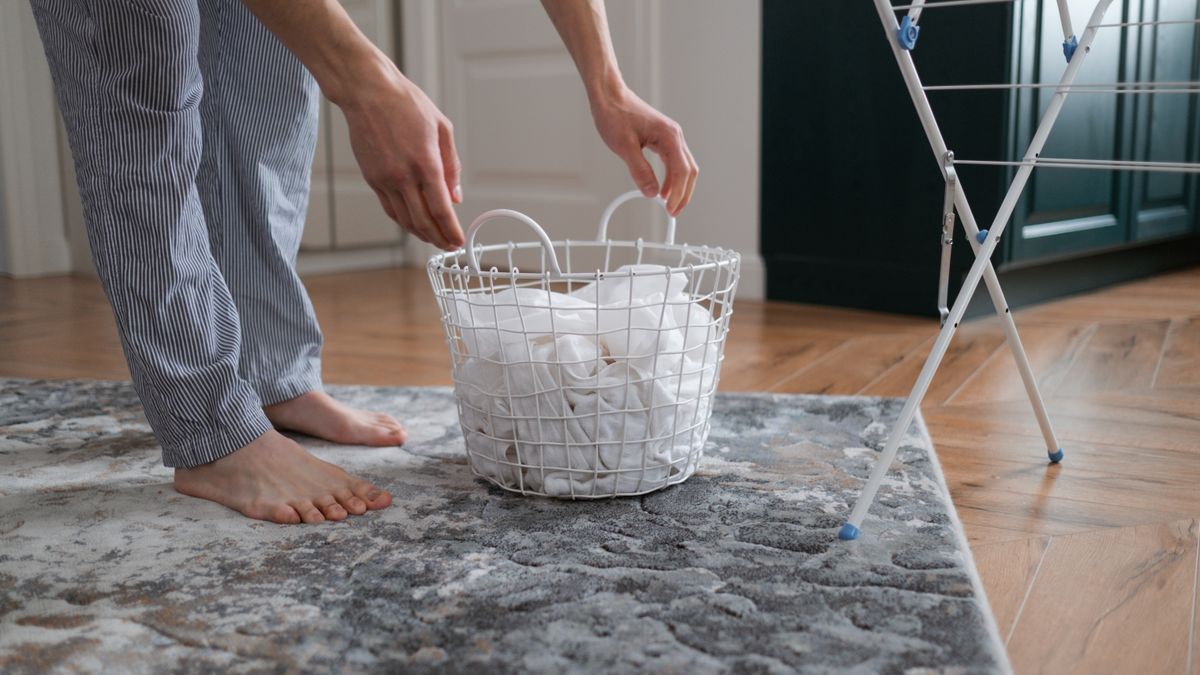
Photo: cottonbro studio / Pexels.
2. Put valuables and essentials back where you use them
Check the document compartment, jacket pockets, laptop sleeve and outside zip pockets before you walk away. Return your passport to its regular secure storage and put prescription medication somewhere appropriate for its storage instructions. Plug in devices only where needed; restore your daily phone or laptop charger instead of leaving it tangled inside the suitcase.
This is also a good moment to separate receipts, tickets and business cards. Keep only the records you genuinely need for reimbursement or a future claim. A photograph or scan may be useful for a receipt, but follow your employer’s or accountant’s requirements rather than assuming every paper copy can be thrown away.
3. Empty food, rubbish and travel-only containers
Discard wrappers and check pockets for leftover snacks or drinks. Clean reusable bottles and travel mugs before they disappear into a cupboard. If food has leaked into a bag, follow the bag maker’s care instructions before deciding what cleaner to use. Do not spray strong chemicals over mixed fabrics, linings and hardware as a universal shortcut.
At this point you can stop if you truly need sleep. The urgent items are safe, the damp things are out and tomorrow’s essentials are back in reach. Leave the case open in a suitable dry spot and schedule a realistic time to finish, rather than promising yourself it will happen whenever you feel like it.
Finish the unpacking with one 30-minute session
Choose a time when you can complete a straightforward sequence without another appointment pulling you away. Put the empty laundry basket close to the case, clear a short section of closet space and make the task small enough to finish in one go. You are not deep-cleaning your whole home. You are closing the trip.
4. Return clean clothing without rewashing it automatically
Look at and smell each item, then decide whether it is genuinely ready for the wardrobe. Clothing that stayed clean and dry in a separate packing cube can often be refolded or hung up. Items with marks, odors or prolonged contact with damp pieces belong in the wash or need the care the label specifies. Avoid treating ‘was in a suitcase’ as a reason to run an unnecessary load.
Protect items that have a shape to keep. Hang jackets and dress shirts that need air or a little attention; straighten collars before putting them away. Shoes should be checked for moisture, grit and any scuffs before storage. If clothes need drying, our guide to preventing shrinkage in the dryer is a useful follow-up for fabric-specific decisions.
5. Put the travel equipment back in its assigned home
A useful travel kit is one whose contents can be found again. Empty your wash bag, charger pouch, power adapter case and document holder onto a clean surface, then inspect them one at a time. Refill or replace things you used up, clean containers that need it, and return shared items to daily use.
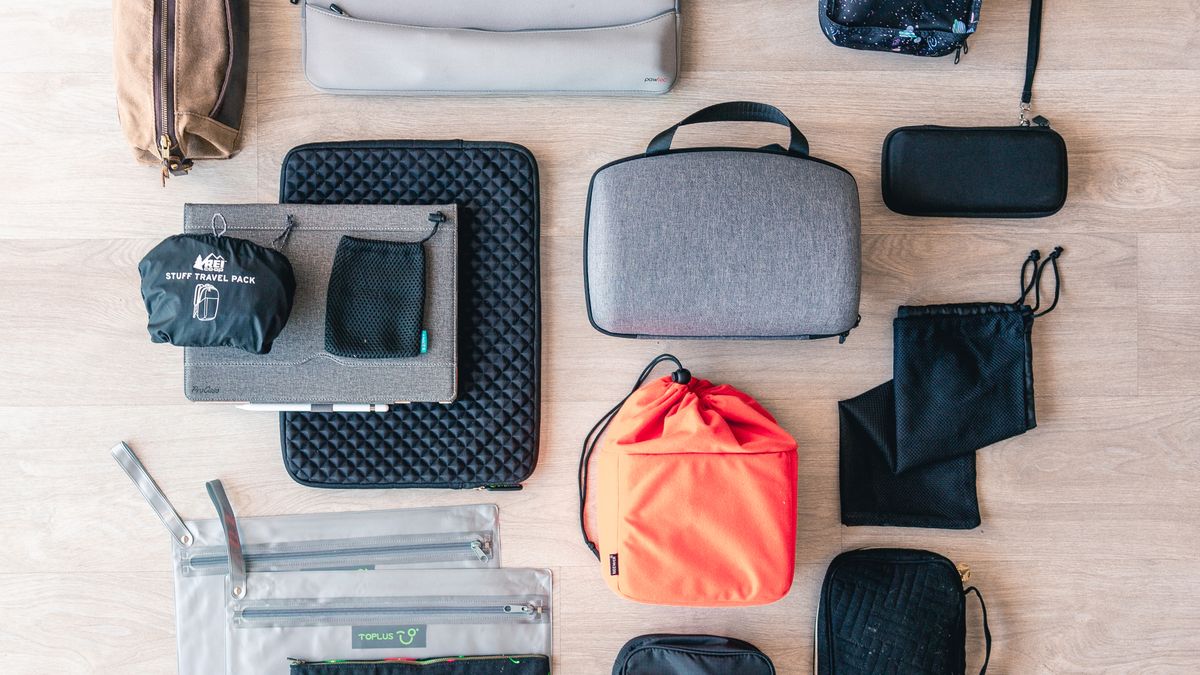
Photo: Hana Brannigan / Pexels.
Keep genuinely travel-specific equipment together if you travel often. A compact plug adapter, travel toothbrush case or luggage scale can remain in a designated drawer or pouch. But do not leave daily medication, your only good charging cable or a borrowed item hidden in a bag between trips. The travel kit should make the next departure easier without stealing essentials from the present one.
If you frequently forget something or carry things you never use, compare your kit with The Travel Kit Every Man Should Actually Own. The aim is not to purchase more organizers. It is to keep the items that repeatedly prove useful and remove the ones that create extra handling.
6. Inspect the suitcase before putting it away
Run your fingers through every internal divider and outer pocket. Remove coins, wrappers, paper scraps and forgotten socks. Check the lining for moisture and the wheels for dirt or debris. Clean hard shell surfaces, fabric panels, zippers and handles according to the suitcase manufacturer’s recommendations. Avoid assuming that a cleaner suitable for the plastic shell is safe on leather trim or a fabric lining.
Leave the case open until any cleaned surfaces are fully dry. Then close it, retract the handle and store it where it will not block your normal living space. If a wheel, zipper or strap is damaged, write down the specific repair while it is still fresh in your mind. A closed suitcase with broken hardware is not ready for the next trip.
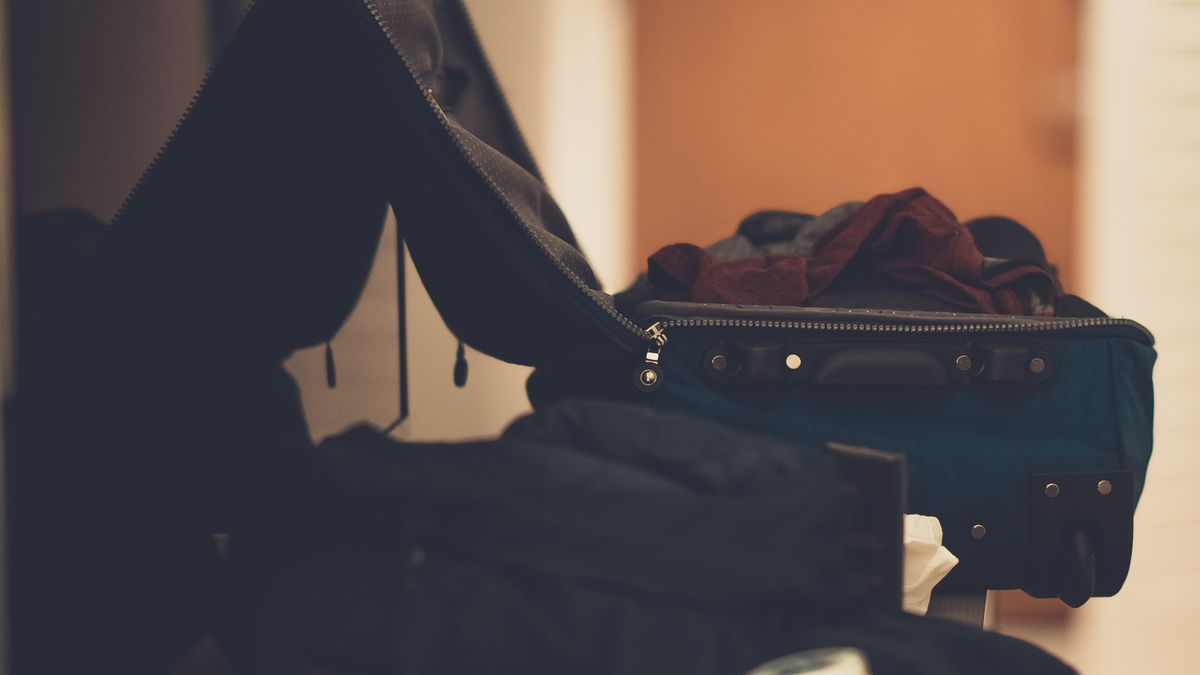
Photo: Craig Adderley / Pexels.
A realistic unpacking checklist
Use this as a final closeout, not another ambitious productivity routine. Each item either has a destination or an explicit follow-up date.
- Remove all damp garments, laundry and anything perishable.
- Return passports, keys, medication, chargers and essential work items.
- Wash or air clothing according to the care labels; hang clean pieces.
- Empty travel toiletries, refill what is low and clean reusable containers.
- Check every luggage pocket, clean the case as appropriate and let it dry.
- Record any repairs or missing supplies for next time.
- Put the empty case in its storage location and clear the room.
What if you are too tired to unpack everything tonight?
Do not mistake the decision to rest for abandoning the task. The arrival reset is designed for that exact situation. Do the wet items, food and valuables now. Put the remainder on a calendar for tomorrow or the next realistic opening, and leave the suitcase in one contained spot rather than spreading its contents across the room.
If the coming week is unusually busy, split the remaining work into two short sessions, but give each a finish line. For example, clothing and laundry on Monday, accessories and the case on Tuesday. The problem is not needing two sessions. It is leaving the contents without a clear next action.
Make the next return easier before you put the case away
Before closing the empty suitcase, jot down three observations: what you forgot, what you did not use, and what took the most effort to put away. You may notice you packed too many spare shirts, carried a cable you already had, or mixed clean and dirty items because you had no simple separation plan. Those findings are more valuable than copying another long packing list.
If you want a repeatable departure system, start with How to Pack a Carry On for a One Week Trip and adjust its principles to your actual travel habits. A simple laundry pouch and one consistent place for documents often do more than a complicated arrangement of specialized bags.
Your routine should leave the home ready for normal life: laundry moving, clean clothes stored, work and grooming essentials returned, and a suitcase that is dry and ready for another journey. That is a complete reset. It does not require a spotless apartment or a weekend spent reorganizing drawers.
Frequently Asked Questions
Should I unpack my suitcase as soon as I get home?
Handle damp clothes, food, leaking liquids and essentials promptly. If you are exhausted, the rest can wait for a scheduled short session. The key is to separate urgent care from ordinary storage so one delayed task does not create several more.
Do I need to wash every piece of clothing after traveling?
No. Assess condition and care instructions. Clean, dry garments kept separate from worn laundry may be ready to store. Wash clothing that is dirty, damp or unpleasant, using the relevant care label rather than automatically treating everything the same.
Where should I unpack a suitcase?
Use a clear, stable surface where you can sort contents safely without transferring dirt onto clean bedding. A luggage rack, wipeable floor section or protected surface works. Keep laundry and clean storage destinations close so items do not form another pile.
How do I stop leaving small items in luggage pockets?
Check the same pockets in the same order every time: outer zip compartments, document sleeve, interior divider, mesh pouch and any packing cubes. Empty each one completely before moving to the next. Keep one tray nearby for small objects.
What should stay packed for the next trip?
Only dedicated travel equipment that is clean, dry and not required every day, such as an adapter or small luggage tool. Do not leave important medication, your primary charger or documents hidden in storage. Review and restock the kit before your next departure.
The Bottom Line
Resetting after a trip works best when it is a straightforward closure to the journey, not another household project. Make the first pass about preventing problems and the second about returning everything to its place. Deal with the contents once, make a quick note for next time, and let the suitcase disappear from your floor.