A tailor can make an average suit look far better, but tailoring is not magic.
The best alterations refine a suit that already fits reasonably well. The worst projects begin with a jacket that is fundamentally wrong and then ask a tailor to rebuild its proportions. That can be technically possible while still being a bad use of money.
If you are buying a suit, the useful question is not simply, “Can this be altered?” Ask, “Can this be altered cleanly, without fighting the structure of the garment, and is the finished result worth the total cost?”
What suit alterations are usually worth doing?
The easiest suit alterations tend to happen at hems, seams, and areas where the garment already has enough fabric to work with. Trouser length, modest trouser waist changes, sleeve length, and moderate jacket waist suppression are common examples.
The harder jobs involve the jacket’s architecture. Shoulders, major chest changes, dramatic jacket shortening, and large size conversions can affect several parts of the garment at once. Tailoring guides consistently treat large shoulder corrections as one of the least attractive rescue jobs because the sleeve, armhole, padding, lining, and jacket balance all meet there.
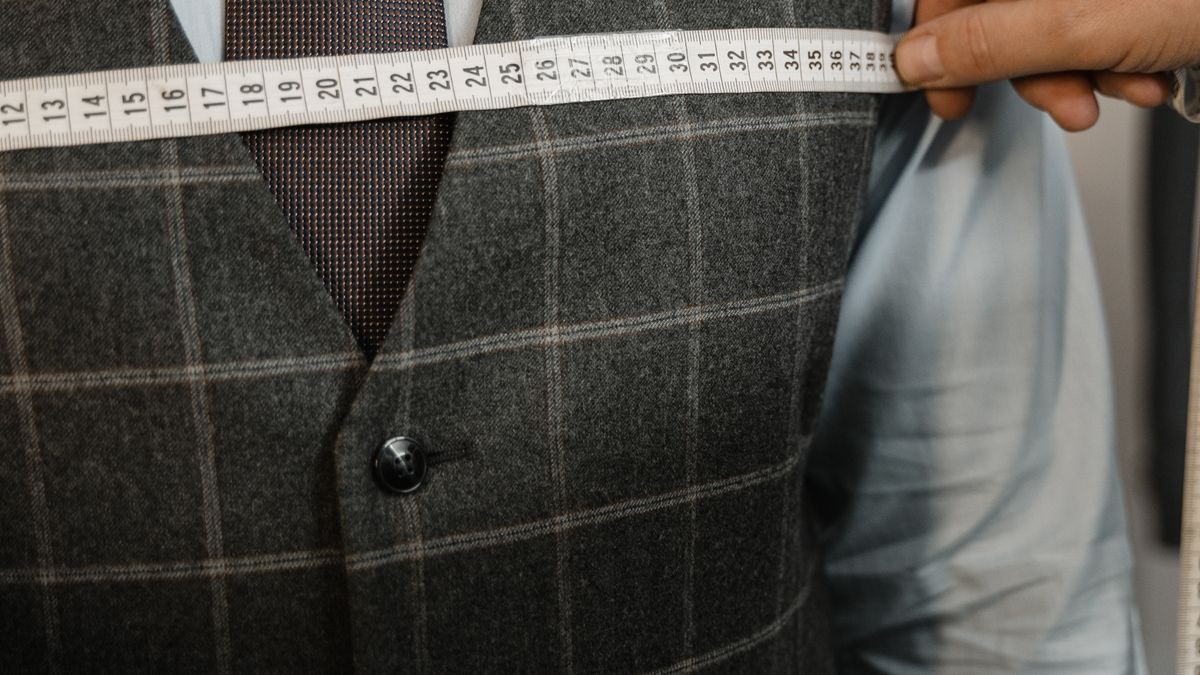
Photo: Tima Miroshnichenko / Pexels.
Suit alteration quick verdict
Use this as a first filter, not as a promise. A tailor still needs to inspect the actual garment.
| Area | Usual verdict | What decides it |
|---|---|---|
| Jacket waist | Usually practical | How much shape is needed and whether the jacket still closes and hangs cleanly |
| Jacket sleeves | Usually practical | Available cloth, cuff construction, buttonholes, and sleeve pitch |
| Jacket shoulders | Often poor value | Degree of change, padding, armhole construction, pattern matching, and cost |
| Jacket length | Limited | Pocket position, button stance, vents, lining, and overall proportions |
| Trouser hem | Usually practical | Desired break and available length |
| Trouser waist | Usually practical within limits | Seam allowance and previous alterations |
| Trouser taper | Usually practical | Thigh room, knee line, calf room, and desired silhouette |
| Major size change | Usually avoid | Whether the whole garment would need to be recut |
Can a tailor alter suit shoulders?
Yes, but that does not mean you should plan on it.
The shoulder is one of the most structurally involved parts of a suit jacket. Changing width or shape can affect the armhole, sleeve head, padding, chest, and the way the jacket hangs. Small corrections may be possible, but a suit that is clearly too wide or too narrow across the shoulders is usually a poor starting point.
That is why shoulder fit deserves priority when you buy. Our guide to buying a suit that actually fits explains the checkpoints to get right before you reach the alteration stage:
buying a suit that actually fits.
A useful rule is simple. If the shoulders are wrong enough that you notice them immediately, compare the cost and risk of rebuilding them with the cost of choosing a different size or cut.
Can a tailor take in the waist of a suit jacket?
Usually, yes.
Taking in the jacket through the side or back seams is one of the more common ways to clean up a boxy fit. A modest change can give the jacket shape without making it cling to the stomach.
The limit is not a universal number. It depends on how the jacket is cut and how much the alteration changes the relationship between the chest, waist, pockets, vents, and front balance.
A jacket should still look like the same jacket after tailoring. If getting the waist right requires turning a relaxed cut into a completely different silhouette, start with another model.
Can suit jacket sleeves be shortened or lengthened?
Sleeve length is often straightforward, but cuff construction matters.
If the buttonholes are decorative, a tailor may have more freedom to shorten from the cuff. If the buttonholes are functional and already cut through the cloth, large changes from the cuff can leave the buttons sitting too close to the new edge. A more involved alteration from the shoulder may be possible instead.
Lengthening is more dependent on what is hidden inside the sleeve. The tailor needs enough fabric beyond the current finished edge to create a new hem. Previous alterations can reduce that reserve.
Bring the dress shirt you actually wear with the suit to the fitting. The jacket sleeve and shirt cuff have to work together, and our dress shirt fit guide explains where the shirt sleeve itself should finish:
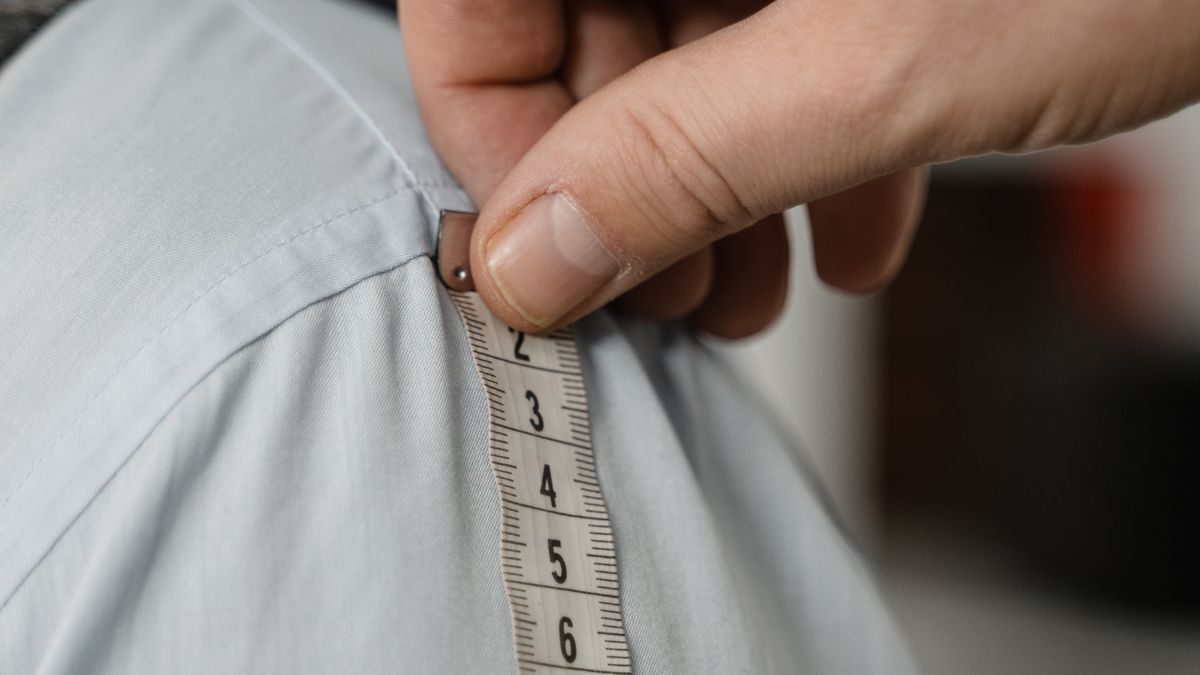
Photo: Tima Miroshnichenko / Pexels.
Can a tailor shorten a suit jacket?
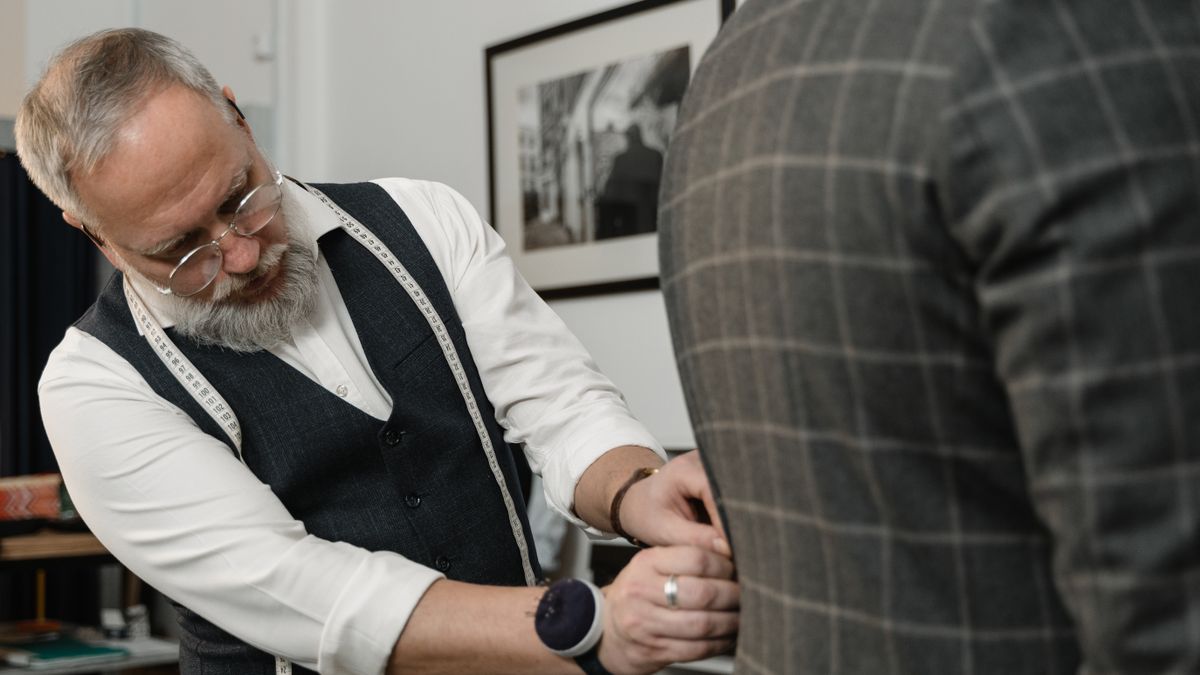
Photo: Tima Miroshnichenko / Pexels.
A tailor can shorten many jackets, but this is a classic example of technically possible versus visually sensible.
Move the hem upward and everything above it stays where it is. The pockets, front buttons, button stance, vents, and lapel proportions do not automatically move with the new edge. A modest correction can work. A dramatic one can leave the jacket looking oddly compressed.
Lengthening is even more constrained because the tailor needs spare fabric inside the hem. Even when cloth exists, old fold lines and the position of other details can matter.
If overall jacket length is substantially wrong, another size or model is often cleaner than forcing the jacket into a proportion it was not designed to have.
Can a tailor fix a collar gap or chest problem?
Sometimes, but diagnose the cause first.
A collar that floats away from your shirt collar can come from more than one issue. Shoulder shape, posture, back balance, and the jacket pattern can all contribute. A tailor may be able to improve the collar, but the right fix depends on why the gap exists.
The same caution applies to the chest. Taking in a little excess is different from trying to rebuild a jacket that is much too large. If the front pulls hard when buttoned, adding room may be impossible when there is not enough cloth inside the seams.
Do not ask a tailor to solve a symptom before identifying the fit problem underneath it.
What can a tailor alter on suit trousers?
Suit trousers are often more forgiving than the jacket.
Hemming is routine. A tailor can shorten trousers to create the break you prefer, or lengthen them when enough fabric remains inside the hem. The waist can often be taken in and may sometimes be let out. The legs can be tapered, and modest seat adjustments can clean up excess fabric.
The same principle still applies: refinement works better than rescue. A taper should sharpen the line of the trouser without making the thigh or calf pull. A waist adjustment should not be used to compensate for a rise, seat, or thigh that is fundamentally wrong.
If you are comparing tailored trousers with other options, our guide to chinos versus dress pants helps separate their construction and use:
Can a tailor make a suit bigger?
Sometimes, and usually less easily than making it smaller.
Taking fabric away is often possible because the tailor can sew a new seam farther inward. Making a garment larger requires spare cloth inside the existing seams and hems. Manufacturers do not all leave the same amount, and a garment that has already been altered may have less available.
This is why “Can it be let out?” cannot be answered reliably from the size label. The tailor needs to look inside the jacket or trousers.
Can a tailor make a suit one size smaller?
Possibly, but “one size” is not one alteration.
A jacket that is large only at the waist is very different from a jacket that is too large in the shoulders, chest, length, armholes, and sleeves. The first may need a routine adjustment. The second may need the garment rebuilt in several places.
Judge the actual fit points, not the number printed on the tag.
When is tailoring worth the money?
Tailoring makes the most sense when the suit is good enough to keep and the required changes are concentrated in areas that can be adjusted cleanly.
Think in finished cost. Add the purchase price to the alterations you genuinely need. Then compare that total with a suit that starts closer to your body.
A discounted suit is not a bargain if you spend heavily trying to correct the wrong foundation. An older suit you already own may be worth altering because replacement would cost much more. A well made secondhand suit can also be a good candidate if the shoulders and overall proportions are right.
The number of suits you actually need should also affect that decision. If you only need one or two dependable suits, putting money into the right pieces can make more sense than accumulating several compromises:
how many suits a man should own.
Tailor it, return it, or replace it?
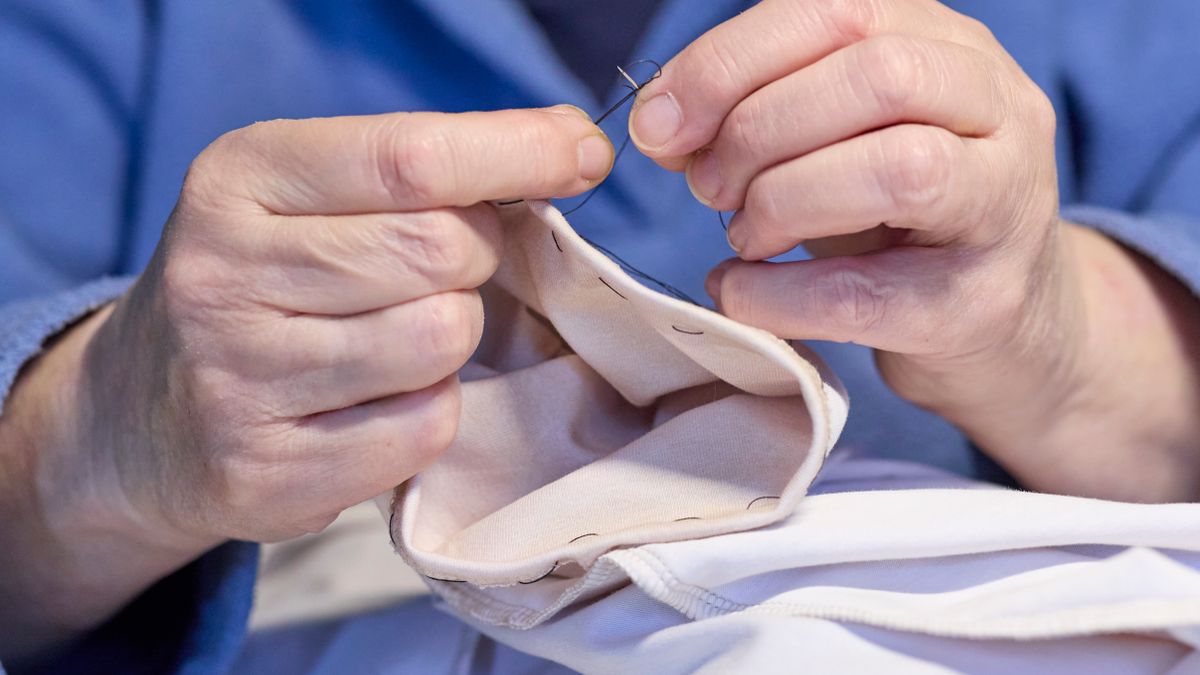
Photo: Erwin Bosman / Pexels.
Tailor it when the shoulders and overall jacket proportions are right, and the work is mainly sleeve length, waist shape, trouser hem, modest trouser waist adjustment, or a sensible taper.
Return it when the suit is new and the core fit is wrong enough that another size or cut is available. This is especially true when the shoulders are obviously off, the jacket length is badly wrong, or several expensive corrections would be needed at once.
Replace it when the garment is worn out, the fabric is damaged, the proportions belong to a different body, or the total alteration bill approaches the cost of a better starting point.
The point of tailoring is not to prove that a garment can be saved. It is to end up with a suit that looks natural on you.
What should you bring to a suit fitting?
Bring the shoes, shirt, and belt or braces you expect to wear with the suit. Those pieces change how the trousers fall and how the jacket sleeve relates to the shirt cuff.
Stand naturally during the fitting. Walk, sit, bend your arms, and button the jacket. Tell the tailor what bothers you, but let the tailor identify the cause before you prescribe the alteration.
Ask what will change visually after the work is done, whether there is enough cloth for any let out, and whether another size would give you a better result.
Frequently Asked Questions
Can every suit be tailored?
Most suits can be altered in some way, but not every problem is worth fixing. The construction, available seam allowance, fabric, pattern, previous alterations, and degree of change all affect what a tailor can do cleanly.
What is the easiest part of a suit to alter?
Trouser hems are among the most routine adjustments. Modest trouser waist changes, jacket waist suppression, and sleeve length are also common when the garment construction allows them.
What is the hardest part of a suit to alter?
Major shoulder work is among the hardest because the shoulder connects to the sleeve, armhole, padding, chest, and overall jacket balance. Small corrections can be possible, but large changes are often a sign to start with a better fitting jacket.
Can a tailor let out a suit that is too tight?
Only if there is enough extra fabric inside the relevant seams or hems. The size label does not tell you how much reserve cloth is available, so the garment needs to be inspected.
Is it better to buy a suit slightly big and tailor it down?
Only when the hard to change areas already fit. Buying a jacket that is deliberately too large in the shoulders or length can create expensive problems. It is smarter to buy the closest correct fit and use tailoring for refinement.
How do I know if a suit is worth altering?
Look at the foundation first. If the shoulders, general jacket length, and overall proportions are right, common alterations can be worthwhile. If several structural areas are wrong, compare the finished alteration cost with returning or replacing the suit.
The Bottom Line
A good tailor can improve a suit dramatically, but the best tailoring starts with the right garment.
Buy the difficult areas correctly. Alter the parts that are meant to be refined. Walk away from a suit that needs to become something it was never cut to be.
That approach is less romantic than believing a tailor can fix anything. It is also how you spend less money chasing a better fit.
Sources reviewed: Gentleman’s Gazette, Õmbluslabor, Articles of Style, Permanent Style, Suits Are Us.