A worn sole does not always mean the end of a good pair of shoes. Sometimes the leather upper is still comfortable, the shape still suits your foot, and only the material touching the pavement has reached the end of its useful life. In that case, replacing the sole can make more sense than buying another pair.
But not every leather shoe is built for the same kind of repair. The construction method matters, as does the condition of the upper, insole, heel and stitching. A shoe that cost a lot is not automatically repairable. An inexpensive pair is not automatically beyond saving. Before you pay a cobbler, understand what is actually holding the shoe together.
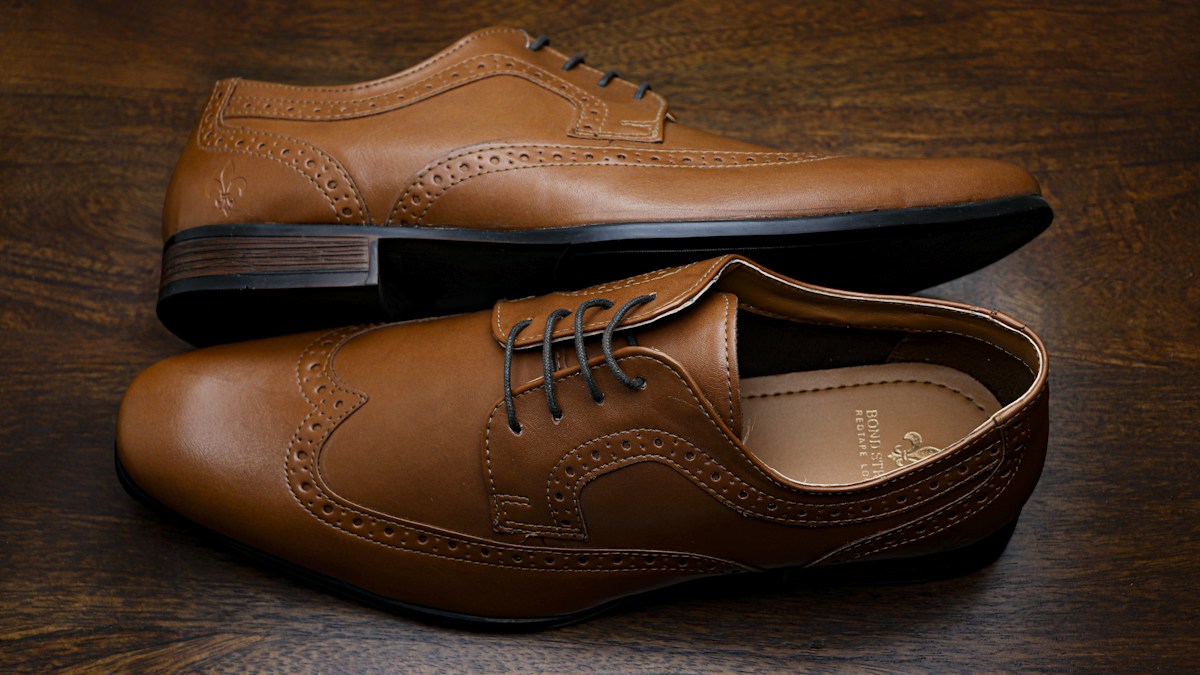
Photo: Monaal Garg / Unsplash.
Can leather dress shoes be resoled?
Yes, many leather dress shoes can be resoled, especially those made with Goodyear welt or Blake stitch construction. A skilled repairer removes the worn outsole and attaches a new one using a method appropriate to the original shoe. Some cemented shoes can also receive repairs, but options depend on the materials and the workshop.
The important distinction is between a repairable construction and a shoe that is still in repairable condition. Even a Goodyear welted pair can be beyond economical repair if the upper is cracked through, the insole is badly damaged, or previous repairs have compromised the structure. A shoe’s repairability is not determined by the label alone.
How shoe construction changes the repair
A Goodyear welt is a strip that connects the upper and insole structure while providing a separate attachment point for the outsole. That separation can make outsole replacement more straightforward. The method is associated with many traditional dress shoes and work boots, though quality and execution vary.
Blake stitched shoes have stitching that passes through the outsole and into the shoe’s interior structure. The result can be sleek and flexible, but resoling typically requires equipment that can stitch from inside the shoe. Tiger of Sweden explains that Blake construction is generally more difficult to resole than Goodyear welt construction, not necessarily impossible.
Cemented construction uses adhesive rather than the same kind of stitching to attach the sole. It is common in lightweight and fashion footwear. Some cemented shoes can be repaired with suitable materials and a specialist, but many are not designed for repeated full resoles. Dr. Martens, for example, says that some of its glued fashion-focused styles typically cannot be resoled, while many welted styles can.
A visible line of stitching around the outsole edge is a clue, not proof. Decorative stitching can imitate a welt, and some construction details are hidden. Check the manufacturer’s technical description or ask a repairer to inspect the shoe. Do not assume that every pair with a leather upper has a stitched sole.
| Construction | Typical repair outlook | Ask the cobbler |
|---|---|---|
| Goodyear welt | Often designed for outsole replacement when the upper and welt remain sound | Is the welt reusable or damaged? |
| Blake stitch | Can be resoled by a workshop with suitable internal stitching equipment | Can you resole this specific pair using Blake equipment? |
| Cemented sole | Case by case; many pairs were not designed for repeated full resoles | Can the sole be replaced durably without harming the upper? |
| Uncertain construction | Inspection required before quoting | Can you identify the actual attachment method? |

Photo: rupixen / Unsplash.
What to inspect before visiting a cobbler
Start with the outsole. Look for areas worn paper-thin, holes under the ball of the foot, exposed stitching and uneven edges. Then inspect the heel. A worn heel top piece may be replaceable without a complete resole, which is a smaller job. If only one area is damaged, ask whether a targeted repair is appropriate.
Next, inspect the upper. Check where the shoe flexes, especially across the forefoot. Fine surface creases are normal. Deep cracks that penetrate the leather are different. Look for torn eyelets, splitting seams and damage where the upper meets the sole. If the upper can no longer hold its shape, a new sole will not solve the main problem.
Examine the inside as well. An insole that has collapsed, split or become unstable may require more than an outsole replacement. Feel for rough edges, a broken heel counter or serious distortion. Duckfeet notes that repairs become more complicated when wear has reached inner leather layers. That principle applies beyond one brand: the earlier you address sole wear, the better your chances of preserving the rest of the shoe.
Finally, put the shoes on. Do they still fit well? Has the leather stretched beyond comfortable support? Are you still happy with the shape? A resole preserves much of the original shoe, including problems that were already there. Repair is worthwhile when the underlying pair is still one you want to wear.
Five point repair inspection
- Outsole: Check for thinning, holes and exposed stitching.
- Heel: Look for uneven wear and damage beyond the replaceable top piece.
- Upper: Distinguish normal creases from deep cracks and splitting seams.
- Insole: Check for collapse, tears or a broken internal structure.
- Fit: Confirm the shoes still feel secure and comfortable before spending on repairs.
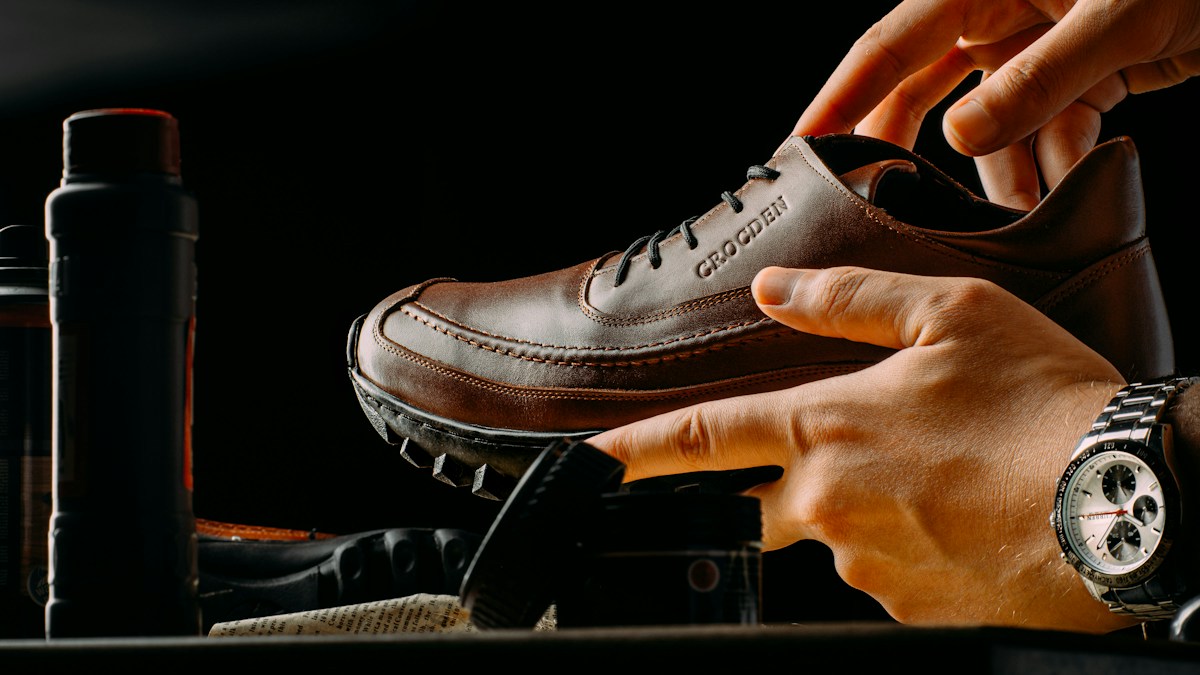
Photo: Amr Taha / Unsplash.
When should you resole rather than wait?
Do not wait for a large hole if the outsole is already thin and vulnerable. A hole can let moisture and grit reach layers that cost more to repair. Uneven heel wear can also affect how the shoe sits and feels. Addressing these signs early can make the job simpler.
There is no universal mileage or calendar rule. A man who walks daily on rough pavement wears soles differently from someone who uses the same pair only for office meetings. Weather, body weight, gait, sole material and rotation all change the rate of wear. Judge the condition of the actual shoes, not the number of months since purchase.
If you see exposed stitches, deep thinning under the ball of the foot, separation at the sole edge or a heel that has worn into its structural layers, seek a repair opinion. If the outsole merely looks scratched, there may be plenty of life left. A good cobbler should be able to explain the difference rather than simply selling a full replacement.
How much should you spend on resoling?
Compare the repair quote with the value of the shoe as it exists today, not just what it cost when new. Ask for a written description of the work. Does the price include both soles, new heels, edge finishing, stitching, conditioning and return shipping? Does the repairer use the original construction method? A low headline price can look different after the essential work is included.
Consider the replacement alternative. If the same model is still sold, compare the full repair quote with a replacement pair. If the shoe has been discontinued, fits unusually well or has sentimental value, repair may still be reasonable at a higher proportion of replacement cost. If the upper is failing, paying for a premium resole may simply postpone the inevitable.
Avoid universal claims that a resole always costs a fixed amount. Labor rates vary by country, materials and construction. Factory recrafting may cost more than a local outsole replacement but can include work on heels, welts and finishing. Crockett & Jones, for example, offers a factory repair service and warns that shoes can still be judged beyond repair after inspection.
Full resole, half sole or heel repair?
A full resole replaces the outsole across the shoe. It is relevant when the whole sole is worn, damaged or no longer suitable for the intended use. A half sole repair focuses on the front section. A heel repair addresses worn heel material. The best option depends on construction and remaining material.
A half sole is not automatically a cheaper version of a full resole. It may be the correct repair when the front is worn but the rest is sound. Equally, patching one area on a badly deteriorated outsole can be false economy. Ask the cobbler to show you what is worn and explain why the proposed work is sufficient.
You can also discuss protective rubber additions to leather soles. These can change traction, feel and appearance, so they are not appropriate for every shoe or wearer. If your main problem is slippery pavement rather than worn-through leather, the solution may be different from a full replacement.
Can cemented leather shoes be resoled?
Sometimes, but this is where a specialist’s inspection matters most. Cemented shoes lack the same repeatable stitching structure as traditional welted shoes. A repairer may be able to remove and bond a new sole, but the process depends on the adhesive, outsole material and condition of the upper.
Do not assume the shoe is repairable because a video shows someone replacing a glued sole. That video may use a different construction or specialist equipment. The important question is whether the specific repairer can produce a durable result for your exact pair and whether the cost is sensible.
If the upper is synthetic-coated, the midsole is crumbling or the original outsole was molded as part of the shoe’s structure, replacement may be the more practical decision. It is reasonable to ask for a repair assessment and then decline if the odds are poor.
Can a Blake stitched shoe be resoled more than once?
It can sometimes be resoled repeatedly, but the number is not guaranteed. Each repair depends on the condition of the stitching channel, insole and upper. The repairer needs the right machine and skill. Some brands do not offer factory repairs for Blake construction even when an independent cobbler might be able to perform them.
This distinction matters when comparing two similarly priced shoes. A welted construction may offer easier access for future repairs, while a Blake construction may offer a slimmer profile. Neither method automatically proves that the leather, fit or workmanship is better overall. Buy for the whole shoe, not one construction label.
What happens during a professional resole?
The exact sequence varies, but a typical repair begins with inspection and removal of the worn outsole. The cobbler evaluates the layers beneath it, repairs damage when possible, and prepares a replacement sole appropriate to the original design. The new outsole is then attached using stitching, adhesive or both as the construction requires.
After attachment, the edges are finished, heels addressed and the shoes checked for balance and appearance. Factory recrafting may use original lasts or brand-specific materials. A local cobbler may offer more choices in sole type, including rubber instead of leather. Ask what changes to expect before agreeing.
The best repair preserves fit and function. A new sole that looks beautiful but changes the shoe’s shape or stiffness too much is not necessarily a success. If the shoes are particularly valuable, find a repairer who regularly works with that construction and can show examples of similar jobs.
Five questions to ask the cobbler
First, what construction does this pair use? Second, is the upper and insole healthy enough for the proposed work? Third, which parts will be replaced and which will remain? Fourth, what sole material and attachment method will you use? Fifth, what is the complete cost, turnaround and policy if hidden damage appears?
Listen for a clear explanation rather than a confident promise. A good repairer may say that the shoe is not worth fixing, or that a smaller heel repair is sufficient. That is useful advice. A repair should begin with diagnosis, not a preset service menu.
If the shop proposes changing a Goodyear welted shoe to a different attachment method, ask why and what that means for future repairs. It may be justified in a particular case, but you should understand the tradeoff before the work starts.
Five questions to take to the cobbler
- Which construction method does this exact pair use?
- Are the upper, welt and insole sound enough for the repair?
- Is a full resole necessary, or would a heel or half sole repair work?
- Which sole materials and attachment method will you use?
- What is included in the complete quote, and what could change after inspection?
Photo: Radek Skrzypczak / Unsplash.
How to make the next sole last longer
Rotate your shoes so the leather and interior can dry between wears. Keep them clean and use appropriate shoe trees when the manufacturer recommends them. Our guide to storing leather shoes explains how moisture and poor storage affect shape over time. Do not dry wet leather shoes against direct heat.
Check the heel edges regularly. A small heel repair is easier to manage than a heel worn deeply into the structural layers. Brush grit away from seams and inspect the sole at intervals. None of this requires obsessive care; it requires noticing wear before it spreads.
If you are choosing a new pair, consider repairability alongside fit, comfort and how often you will wear it. Our guide to buying a suit that fits and the broader men’s wardrobe guide emphasize buying pieces you will actually use. The same logic applies to shoes: durability is only valuable when the pair remains comfortable and appropriate for your life.
When should you replace the shoes instead?
Replace them when the upper is extensively cracked, the structure is distorted, the fit no longer works, or a professional says the repair is unreliable. Replacement can also make sense when the repair cost approaches that of a better-fitting, durable alternative.
Do not let sunk cost make the decision for you. The money already spent on the original pair is gone. The relevant question is what your next payment will buy: a comfortable repaired shoe with years of useful life, or an expensive attempt to preserve a pair that is already failing.
The answer can be simple. If the upper is healthy, construction is repairable, and the quoted work is proportionate, resoling is worth considering. If several structural components have failed, save the money for a better pair.
Repair or replace?
Consider repair when the upper is sound, the shoes still fit, and a cobbler can explain a durable repair method and full quote.
Consider replacement when the upper is cracked through, the structure is distorted, the fit has deteriorated, or the repair would cost too much relative to a comparable replacement.
If uncertain, ask for a written inspection before agreeing to a full resole. A worn heel alone may need a smaller repair.
Frequently Asked Questions
Can all leather shoes be resoled?
No. Leather uppers do not guarantee a repairable sole construction. Goodyear welt and Blake stitched shoes are often candidates; many cemented designs have limited options.
How do I know whether my shoes are Goodyear welted?
Check the manufacturer’s construction description or ask a cobbler. Visible stitching around the edge is a clue but not conclusive proof.
Can I resole shoes with holes in the sole?
Possibly, but holes can allow damage to inner layers. Seek an inspection promptly rather than assuming a simple sole replacement is enough.
Is a heel repair the same as resoling?
No. A heel repair may replace only the worn heel material. A full resole replaces the main outsole and may include heel work depending on the quote.
How many times can leather shoes be resoled?
There is no universal number. Construction, upper condition, insole integrity and previous repairs determine whether another resole is sensible.
Can a cobbler change leather soles to rubber?
Often, if the construction permits it. Ask about differences in appearance, weight, grip, flexibility and future repairability before agreeing.
The Bottom Line
Resoling is worth considering when the upper is sound, the shoes still fit, and a cobbler can explain a durable repair at a sensible total cost. If the structure has failed or the work costs nearly as much as a better pair, replacement is the cleaner choice. Pay for shoes you will keep wearing, not a repair simply because it can be done.