The easiest way to leave something behind in a hotel is to unpack casually, scatter items across five locations and rush through checkout. A repeatable routine turns the room into a small number of packing zones and checks them in the same order every time. The best system is simple enough to use when you are tired.
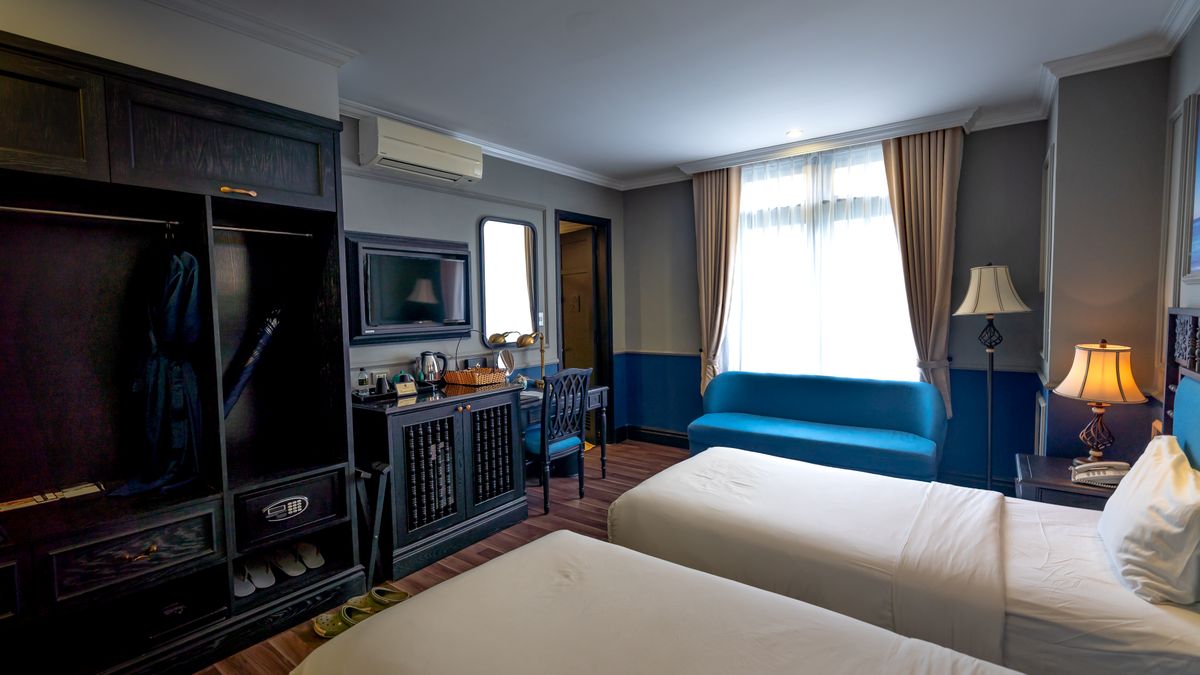
The Hotel Room Packing System at a Glance
Use the same sequence in every hotel. The purpose is to reduce the number of places where a watch, power adapter, passport or grooming item can disappear. Each stage has one clear job.
| When | What to do |
|---|---|
| On arrival | Put valuables, medication, electronics and documents in intentional locations. |
| As you unpack | Use only the wardrobe, desk and bathroom storage you genuinely need. |
| The night before | Pack clothes and equipment you will not need in the morning. |
| After the final shower | Collect grooming tools, seal liquids and separate damp items. |
| Before closing the bag | Check outlets, bedside area, drawers, wardrobe and safe. |
| At the door | Confirm ID or passport, wallet, phone, chargers, keys and medication. |
Make Your Hotel Room Easy to Repack on Arrival
A successful hotel checkout starts when you enter the room. Choose one secure place for documents, wallet, keys and small accessories. Put chargers near a single accessible outlet, store clean clothes in one section of the wardrobe and keep grooming products within a controlled bathroom area. You can still enjoy the room without leaving possessions across every drawer and shelf. For documents and critical accessories, see the travel kit every man should own.
Avoid unpacking into every available space merely because the room has storage. If you’re staying one night, most clothing may remain organized in the suitcase. For a longer stay, use designated locations that are easy to inspect before departure. The aim is not to make the hotel room look sterile. It is to limit the number of places where a small essential item can disappear.
Create a One-Minute Map of Your Room
After unpacking, identify the places you’ve actually used: wardrobe, desk, bedside table, bathroom counter, shower area, safe and charging sockets. Note unusual locations such as a balcony or mini-fridge if you put personal items there. This short mental map creates the route for the final sweep. You do not need a printed inventory of every piece of furniture.
If traveling with others, agree on shared zones for chargers and small items without mixing private belongings. A common phone charging area can be useful, but confirm who owns each cable before packing. Most forgotten items are small and easy to overlook, not large pieces of luggage sitting in the center of the room.
What to Repack the Night Before Checkout
For an early morning flight, pack clothes and accessories you will not use again. Put dirty laundry in its separate pouch, close any finished toiletry containers and check whether there are damp garments needing attention. Keep out tomorrow’s clothes, toothbrush, medication and necessary chargers. This leaves a small, predictable set of items to collect after waking up.
Do not pack critical medication into a checked suitcase simply because you are trying to finish quickly. Keep it accessible under relevant travel rules. Also check that your passport or other required travel documents are in a secure bag before sleeping, rather than assuming you will find them during a rushed departure.
If you are traveling with only one bag, use the same packing order on the way home that you used at departure. Our guide to how to pack a carry-on for a week can help keep essentials accessible without repeatedly opening the main compartment.
Sweep the Room in an Order You Can Remember
Finish your last use of each area before checking it. Work from the bedside and outlets to the bathroom, wardrobe, work area and any outdoor spaces. Do not call an area finished until its belongings have been returned to their normal pouch or bag.
1. Bedside Table, Chargers and Outlets
Phone chargers, watch cables, earplugs and glasses can be left beside the bed. Check the nightstand surface, under any papers and around power outlets. If you’ve placed an item on the floor near the bed, look there too. Do not forget adapters behind the desk or near the television where you charged a laptop.
Use care when unplugging devices and make sure you are taking your own equipment rather than hotel-owned accessories. A single tech pouch can help: once each cable is unplugged, put it directly into the pouch. Repacking cables one at a time into their usual location reduces the chance that the last one remains in the wall socket.
2. Bathroom, Shower and Toiletries
After your final shower, check the sink counter, shower shelf, towel rail and any accessible drawer you used. Beard trimmers, razors, facial cleanser, moisturizer and toothbrushes are easy to miss because they are used at the last moment. Separate damp grooming tools from clothing and protect any blades appropriately for transport.
Inspect bottles for leakage before returning them to luggage. A half-closed shampoo container can soak a clean shirt during the trip home. If a bathing suit or workout kit is still wet, handle it with a temporary separate pouch and plan to dry it as soon as possible. Do not leave damp clothing sealed for days simply to finish packing.
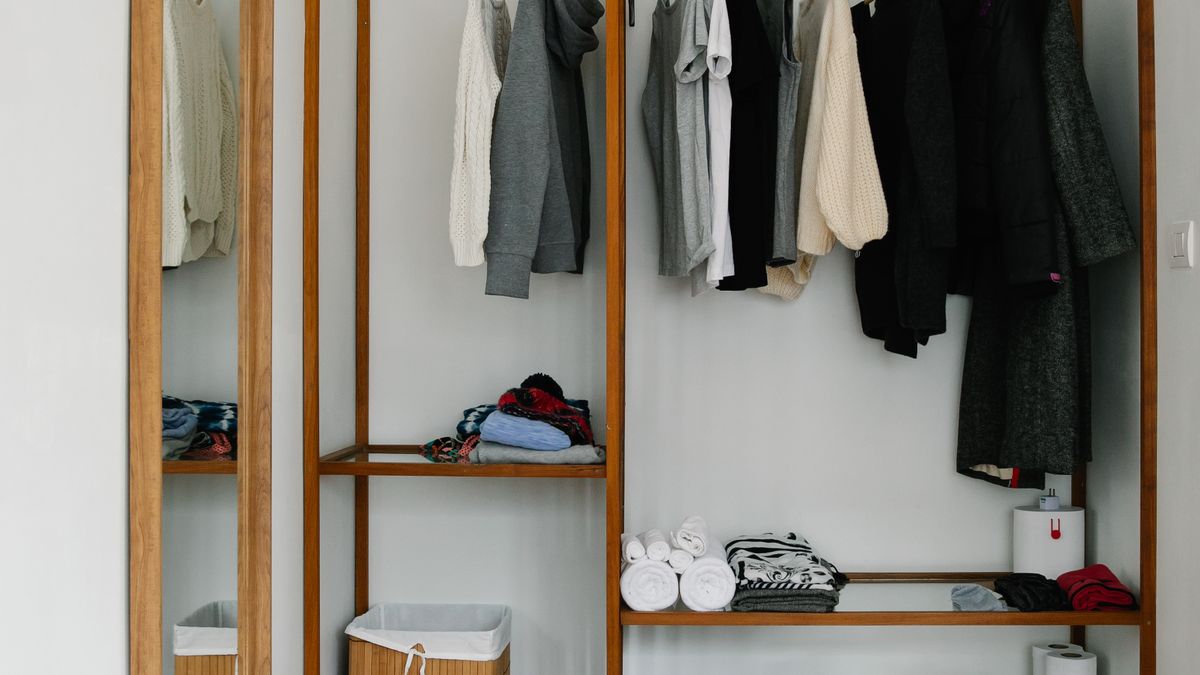
3. Wardrobe, Drawers and In-Room Safe
Open every wardrobe section and drawer where you stored belongings, including high shelves you may have forgotten after the first day. Check pockets of hanging jackets and trousers for cards, room receipts or small accessories. Look at the back of shelves for folded shirts that are difficult to see. Do not remove hotel property by mistake.
If you used an in-room safe, check it deliberately before leaving. Passports, wallets, watches and documents can be stored there and forgotten because the safe is outside the normal visual path. Follow the hotel’s procedure and verify that all personal items are retrieved. A safe protects belongings only when you remember to collect them.
4. Business Desk and Work Equipment
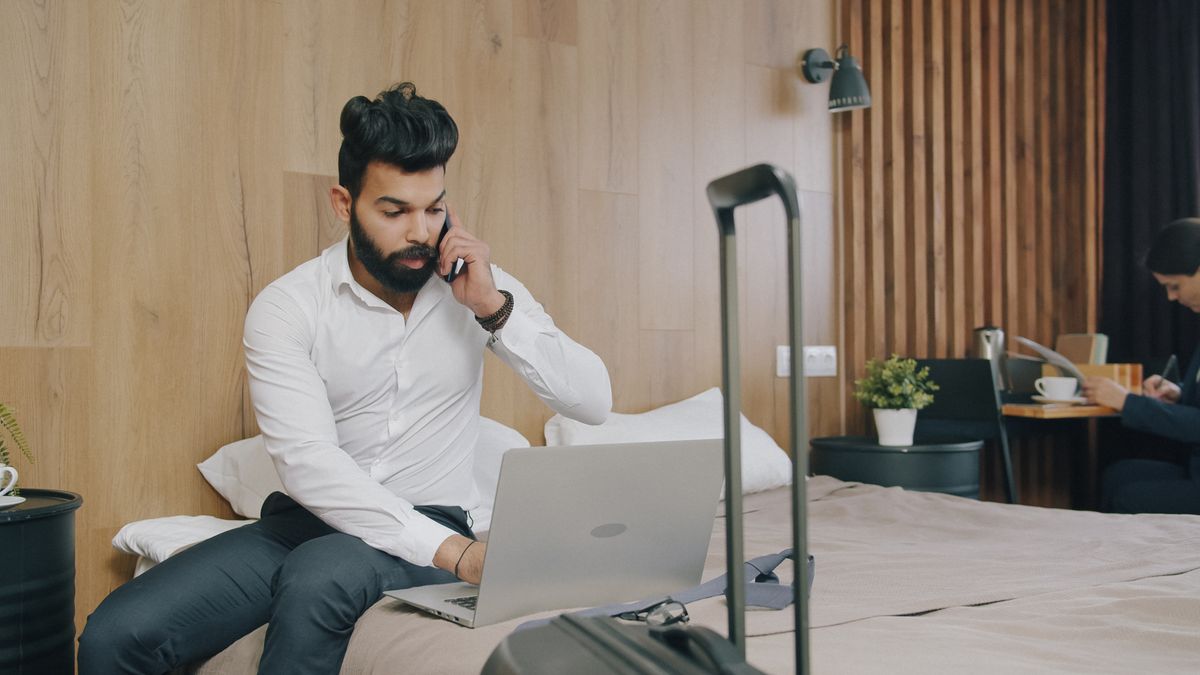
For work trips, inspect the desk, meeting folder, chair, sockets and any temporary work setup. Presentation adapters, security tokens, laptop stands and handwritten notes can disappear behind a hotel brochure. Keep confidential work material under control rather than leaving papers in the room. If any device is employer-owned, follow the organization’s security procedure before departure.
Pack the laptop and charger together, or confirm that the cable is in its designated tech pouch. A laptop that reaches the airport without its power adapter can create significant problems at the next meeting. This is a strong reason to maintain the same packing location for essential technology on every trip.
5. Balcony and Shared Spaces
Beach resorts and holiday apartments create additional hiding places: balconies, patio tables, poolside chairs and separate bathrooms. Check the spaces where you actually used towels, sandals, sunglasses or personal electronics. If you left clothing to dry outside, collect and inspect it before closing the case. Do not assume housekeeping will identify and return a forgotten item before your transport leaves.
For a family or group trip, assign each traveler responsibility for personal gear while one person checks shared areas. A coordinated final sweep is more reliable than several people assuming someone else packed the phone charger.
The Final Five-Minute Hotel Checkout Checklist
Stand at the door with your bags closed and ask: do I have my passport or ID, wallet, phone, keys, medication and required travel documents? Are all chargers collected? Have I checked the safe, bathroom, wardrobe and bedside area? Is any wet item safely separated? Then look around the floor and behind the door for a final small bag or shoe.
Do the sweep before requesting a taxi when possible. Rushing because transport is waiting outside creates avoidable mistakes. If you discover something has been left behind only after checkout, contact the hotel immediately with the room and reservation details rather than relying on an unstructured social-media message.
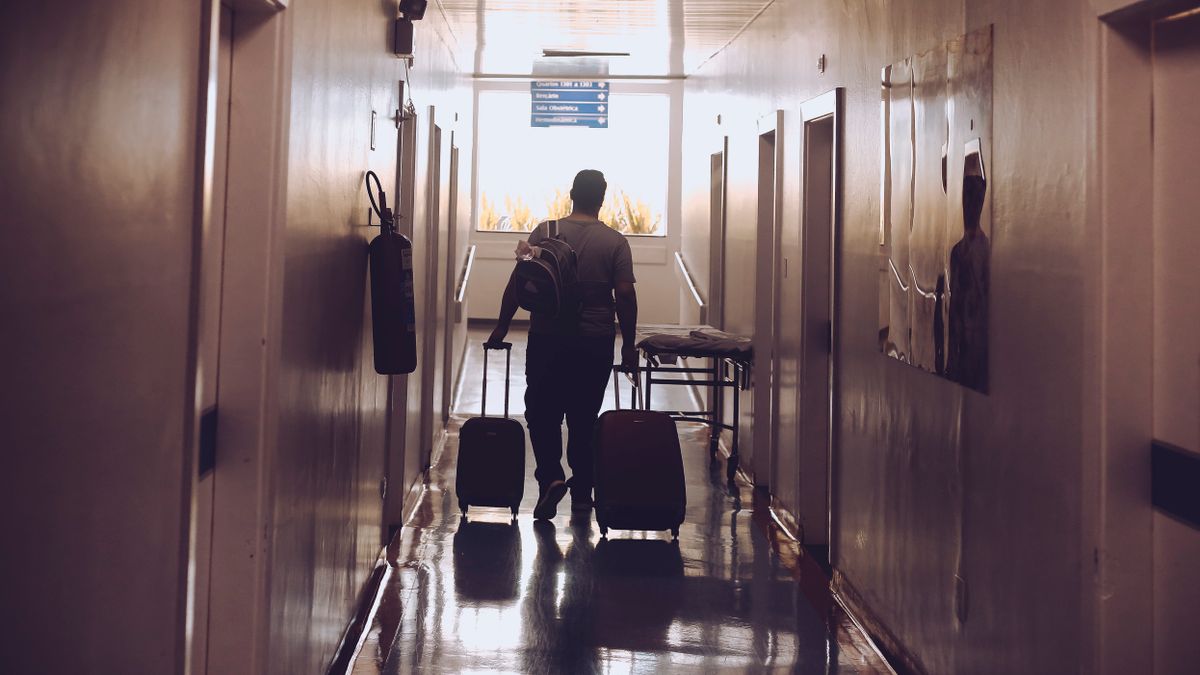
How the Routine Changes by Trip Type
Pack most clothing the evening before. Keep only tomorrow’s outfit, toothbrush, medicine and necessary chargers out overnight.
Check the meeting desk and every power socket for adapters, notes, security tokens and laptop accessories before closing your tech pouch.
Include balconies, drying racks, outdoor seating and bathroom shelves. Separate wet swimwear and plan to dry it promptly.
What If You Change Hotels Every Day?
A multi-stop journey benefits from a repeatable system even more than a long stay. Avoid unpacking all clothing at each hotel, and keep the small essentials pouch in the same bag compartment every night. Use one simple sequence: bathroom, outlets, bedside, wardrobe, desk and safe. The fewer locations you use, the less work checkout creates.
Repack dirty laundry separately and confirm the next hotel address before leaving. A consistent routine means you can focus on the trip rather than reconstructing where every object went during the previous evening.
For multi-stop travel, a small consistent pouch system helps keep electronics, toiletries and documents from moving through different pockets every night. The travel kit every man should own explains how to group essentials without carrying unnecessary duplicates.
Packing cubes can also help with clean clothing and laundry separation. Whether they beat rolling depends on the bag and garment types, as explained in our packing cubes vs. rolling clothes comparison.
Frequently Asked Questions
What do hotel guests tend to forget when checking out?
Small items are easiest to overlook: power adapters left in outlets, accessories on bedside tables, toiletries in bathroom drawers and valuables in the safe. Check the places you actually used and collect each item into its designated pouch.
Should I use the in-room hotel safe?
Follow the hotel’s instructions and assess what is appropriate for your belongings. If you use the safe, include it near the end of your fixed checkout sweep. The important part is remembering to retrieve everything before you leave.
How early should I start repacking a hotel room?
For an early departure, pack unused clothes and gear the previous evening. Leave only tomorrow’s outfit, morning toiletries, required medication and necessary chargers accessible. This reduces decisions when you are tired or rushed.
Should I strip the hotel bed before checkout?
Follow the accommodation’s stated instructions. Your primary packing responsibility is to remove your own belongings and check the room carefully. Do not move linens or take hotel items unless staff specifically ask you to.
What is the final check before leaving the room?
Confirm your passport or ID, wallet, phone, keys, chargers, medication and any valuable work equipment. Then inspect outlets, the safe, wardrobe, drawers, bathroom and any outdoor space you used. Close the room only after the check.
The Bottom Line
The best checkout routine begins when you arrive. Keep the places you unpack limited, repack what you no longer need the evening before, and sweep every area in the same order. A repeatable system catches the little things a rushed mental checklist misses.
Once you are home, handle damp laundry and toiletries promptly so your bag is ready for the next journey. Our guide on how to reset after a trip picks up where hotel checkout ends.