Rolling clothes and using packing cubes solve different problems. Rolling changes the shape of a garment; cubes keep groups together and compression cubes reduce bulk for suitable fabrics. Neither removes weight or protects every garment from wrinkles.
Quick answer
- Separate compression from organization
- Roll forgiving clothing
- Use cubes for frequent unpacking
Ordinary cubes may create tidy zones without noticeably saving space. Compression versions can shrink the volume of soft clothes but still leave the same weight for airline limits. Plan for the actual itinerary rather than copying a stranger’s minimalist packing list.
The Practical Method
Separate compression from organization
Ordinary cubes may create tidy zones without noticeably saving space. Compression versions can shrink the volume of soft clothes but still leave the same weight for airline limits.
Roll forgiving clothing
Casual tees, gym shorts and some knits can roll well. Crisp dress shirts and structured jackets require more care, regardless of online demonstrations.
Use cubes for frequent unpacking
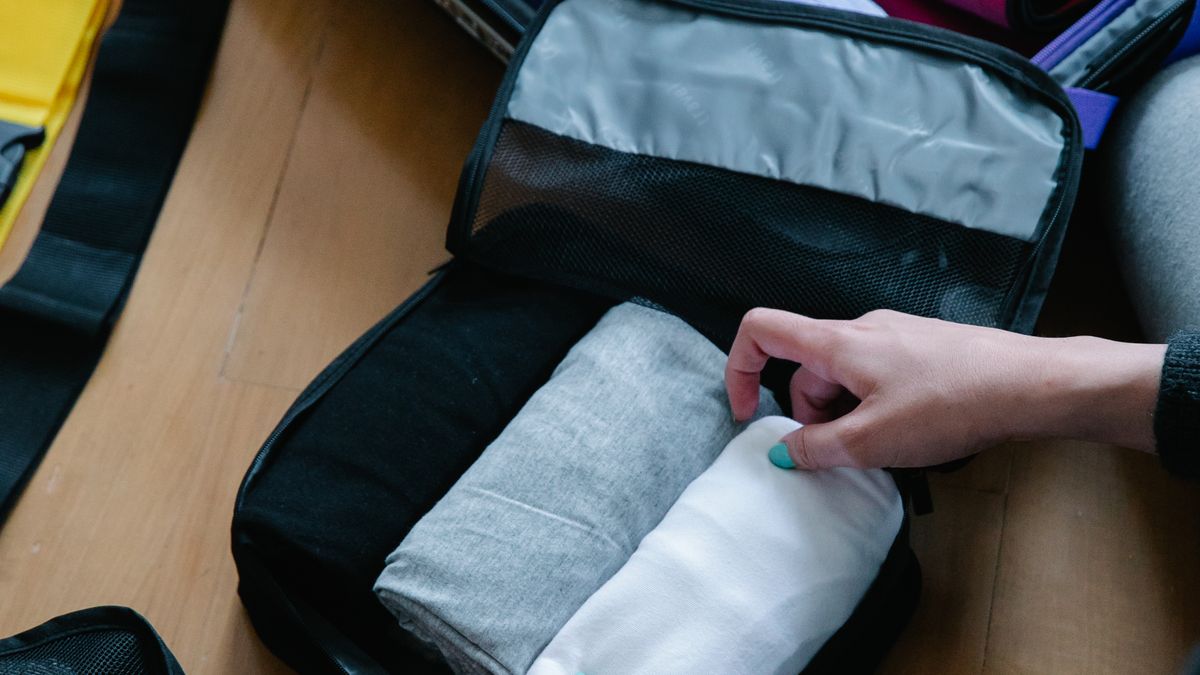
On a multi-stop trip, a cube for clean tops and another for underwear can be more useful than the last inch of compression. You can find what you need without rebuilding the bag.
Know the cost of overcompression
Packing a tailored collar into a tightly cinched cube can leave severe creases. Bulging cubes can also make a case hard to close and tempt overpacking.
Test the actual suitcase
Pack exactly the same items both ways and compare garment condition, capacity and ease of retrieval. Marketing photographs are not measurements of your bag.
Combine methods thoughtfully
Rolled soft layers inside cubes, folded shirts above and protected shoes below can outperform an all-roll or all-cube rule. Choose the arrangement that preserves your clothing. For coordinating fewer versatile pieces, our men’s capsule wardrobe guide offers a useful framework.
Why Packing-Cube Comparisons Are Often Misleading
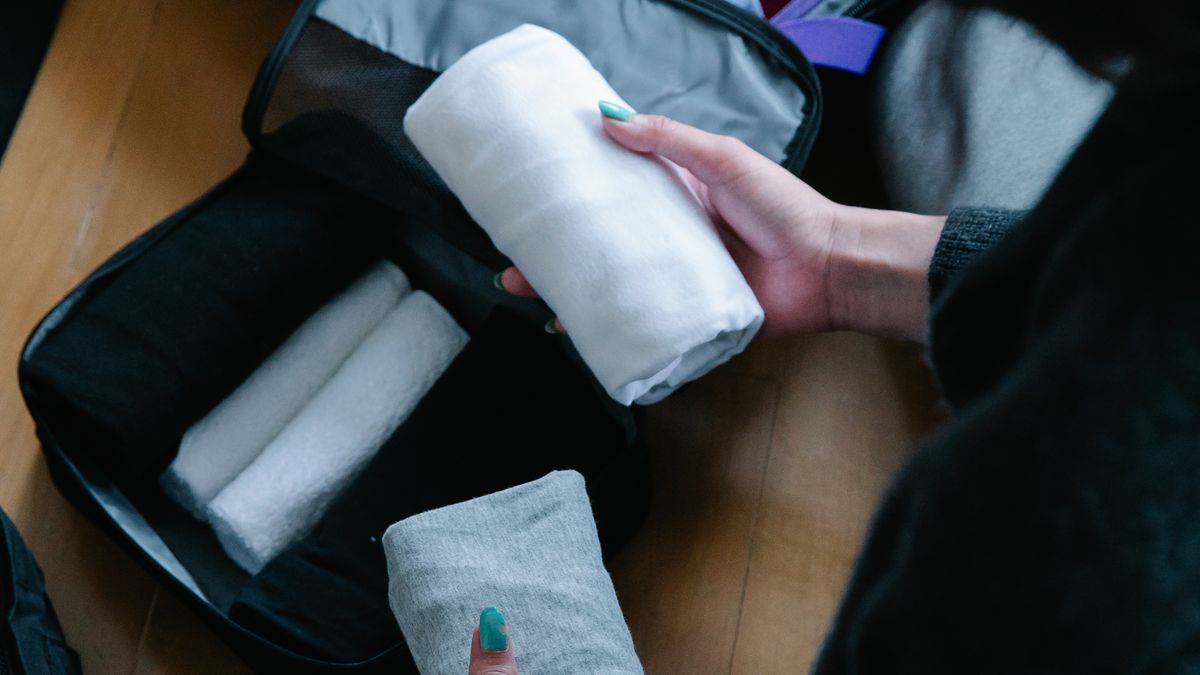
Demonstrations frequently compare a loose heap of clothing with a carefully compressed cube and conclude that cubes create more luggage space. That is not a fair test. The loose heap has not been organized, and the cube may be compressing flexible fabric rather than eliminating meaningful bulk. To evaluate the choice, keep the garment count identical and compare both methods using the same bag. Consider how the clothes look when unpacked, how easily you find them and whether the packed bag still complies with baggage limits.
The space saving from a compression cube is not a reduction in weight. A traveler can squeeze another pair of jeans into a case and still exceed an airline’s weight limit. Pressure can also transfer to garments that do not handle it well, especially structured collars, linen and tailored wool. The winning method is the one that protects what you actually need to wear.
Test One: A Three-Day Casual Wardrobe
Lay out three tees, one casual shirt, sleepwear, underwear, socks and a spare bottom. Start by rolling soft tees and similar pieces, folding trousers along their shape and placing essentials in remaining gaps. Photograph or note how much room remains. Then arrange the same clothes in a standard packing cube, without forcing the zipper or pressing down with your whole body. Open the bag and compare access.
If you can remove tomorrow’s top from a cube without disturbing everything else, the organizational benefit may be worth more than a small difference in volume. If a single cube must be completely emptied for one pair of socks, its layout is working against you. Small separate zones often serve short trips better than one enormous cube.
Test Two: Business Clothing and a Formal Shirt
Use a clean dress shirt and trousers as the test. Rolling may leave visible creases and can make a collar harder to protect. Packing both tightly into a cube could create the same problem. A safer approach may be folding the shirt carefully, protecting the collar and keeping it above dense objects, while using cubes for socks and undershirts. One method need not be applied to the entire bag.
Formal jackets and suits introduce more structure. Their shoulders and lining need attention, and compressing them into a cube may cause unwanted distortion. Use a tailored-garment packing method and follow appropriate care instructions. A soft knit polo and a structured blazer may both be ‘tops,’ but they should not be packed identically.
Standard Cubes Versus Compression Cubes
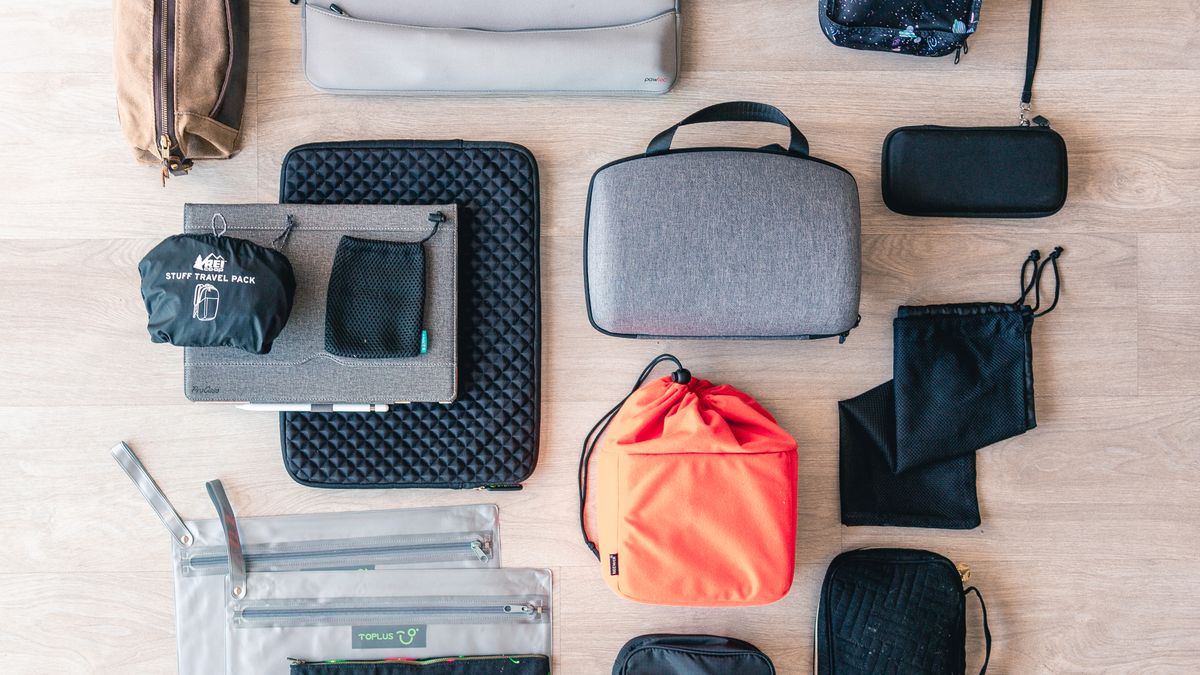
A standard cube is primarily a compartment. Its value is that you know where clean tops, undergarments or used clothes belong. It may make repacking faster during a multi-stop itinerary. A compression cube adds a zipper or similar mechanism to press fabric into less volume. It can help with soft, flexible clothing but makes it tempting to pack more than you need.
Do not compress wet clothes, delicate trims or structured items. Wet fabric needs drying, and delicate garment details can catch or deform under pressure. A cube that seems full but still zips should not be treated as permission to exceed the bag’s actual weight allowance.
Why Rolling Can Still Be Useful
Rolling some casual garments can keep individual pieces visible in a deep compartment. It can also fill gaps around shoes or luggage dividers that a large rectangular cube does not use well. Roll with moderate tension and smooth the fabric; tightly twisting each garment creates different creases rather than preventing them. Rolling is a technique for particular clothing and bag shapes, not a promise that every garment will emerge wrinkle free.
If you travel with a backpack, rolls can sit in an orderly row that you can access from the opening. In a clamshell case, folded stacks or cubes may be easier to control. The bag’s geometry matters. Choose the method that keeps your clothing accessible when the bag is upright or under a hotel bench, not only when it is open on your bed. For longer itineraries, our guide to packing a carry-on for a one-week trip develops this approach.
A Hybrid System for Longer Trips
For a week involving several hotels, use one cube for clean casual tops, another for underwear and a separate washable pouch for used clothing. Keep formal garments outside tight compression. Place shoes in protective bags away from shirt collars, and store toiletries in their own containment pouch. This arrangement reduces cross-contamination and time spent searching.
The hybrid approach also makes it easier to notice when clean clothes are running low. You are not guessing from a dense mixed pile. If laundry is available halfway through the trip, your used-clothes pouch can move directly to the appropriate wash process. Make sure damp pieces have dried before sealing them for extended storage.
When Not to Buy Anything
If you take two weekend trips a year and already have a suitcase with reliable compartments, buying several cubes may not improve your life. You can use existing zip pouches to separate small accessories and fold clothes normally. Evaluate a real inconvenience first. If socks constantly disappear at the bottom of a deep backpack, a small cube may help. If the problem is that you bring four extra outfits, another organizer may simply disguise overpacking.
Do not equate higher luggage organization with buying more accessories. A thoughtful plan for which clothes you need usually provides more benefit than a new set of fabric containers. The best packing system can be boring, inexpensive and repeatable.
How to Avoid Packing-Cube Clutter
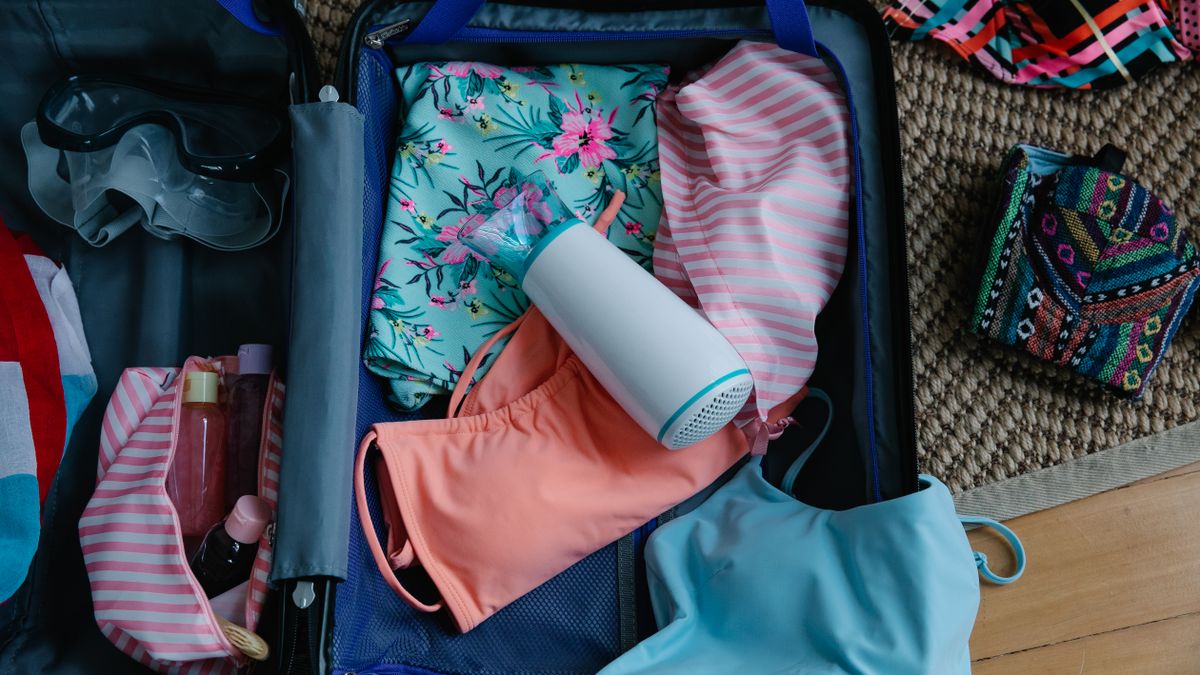
The organizer should match the size of your luggage and the amount of clothing you actually carry. Three small cubes inside a compact bag may leave unusable gaps between their rigidly filled shapes. A single oversized cube may create the opposite problem: every item is buried within the same compartment. Before buying anything, try grouping clothes by function in existing pouches. The point is to find what you need without dumping the bag, not to own a color-matched accessory for every category. When you choose a cube, leave enough room to close it naturally and confirm the material and zipper tolerate repeated packing. A reliable old pouch may be perfectly adequate.
How to Judge the Result at the Destination
After arrival, remove the clothes and inspect them. Are the collars intact, trousers reasonably smooth and garments easy to identify? How long did unpacking take? Did the method keep the dirty and clean categories separate during the return journey? These are meaningful performance measures for a real traveler.
Repeat the comparison with clothes appropriate to your next trip. A warm-weather weekend with tees and shorts may favor rolling; a business itinerary with pressed shirts may favor careful folding and light cubes. Neither method wins universally. The method should serve the wardrobe, not the other way around. If clothing creases after arrival, our guide to removing wrinkles without an iron covers safe next steps.
Real Travel Situations
Situation 1.
Weekend city break: one small cube may be enough for essentials while trousers lie flat.
Situation 2.
Business trip: prioritize shirt collars and blazer structure over squeezing out extra volume.
Situation 3.
Backpack travel: cubes help access deep compartments; rolling can fill unused gaps.
Final Check Before Departure
Check the allowance on the actual flight and fare. Keep travel documents, essential medication, valuables and spare lithium batteries where appropriate and accessible. A clever arrangement is not useful if the bag must be checked unexpectedly or if something essential cannot be retrieved. Confirm conditions against official sources when traveling across airports or borders.
Frequently Asked Questions
Do cubes reduce luggage weight?
No.
Can rolling stop wrinkles?
Not reliably, especially for tailored clothing.
Are compression cubes worth it?
Useful for suitable fabrics when bulk is the problem.
Should dress shirts be rolled?
Usually careful folding protects their structure better.
Can I combine cubes and rolling?
Yes.
The Bottom Line
Good travel organization is about meeting your real needs without creating new problems. Keep important items safe, test the packed bag and make tradeoffs based on the conditions you will encounter. A practical plan will be slightly different for every journey.