Affiliate disclosure: Modern Men HQ may earn a commission if you purchase TedsWoodworking through links in this article.
The easiest way to ruin a new hobby is to turn preparation into the hobby. You do not need a complete workshop before you can call yourself a woodworker.
Choose a project small enough to finish
A shelf, planter, simple bench, shop stool, small table, wall organizer, or basic storage project is enough. The first goal is not craftsmanship worthy of a magazine. It is completing the full cycle from plan to finished object.
Buy only the tools that project requires
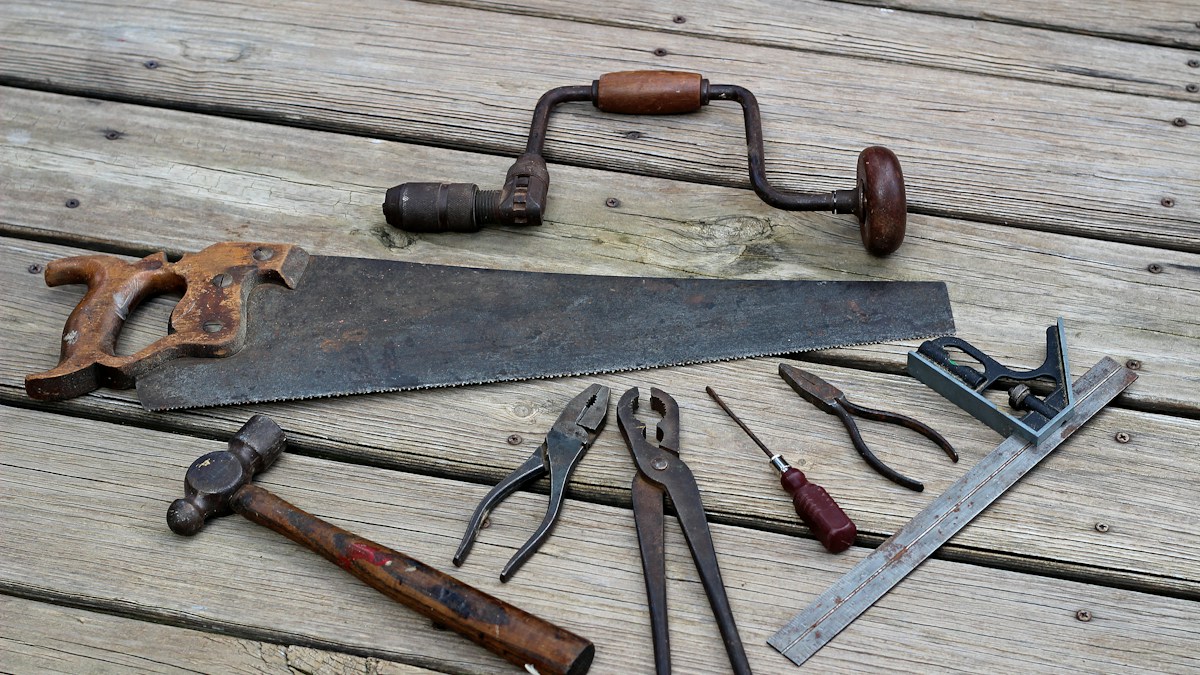
Start with measuring tools, a drill, a practical cutting tool, sander, clamps, and basic safety equipment. Borrow or rent the unusual tool you only need once. For a project-led breakdown of essential purchases and what can wait, see our beginner woodworking tools guide.
Give the hobby a weekend rhythm
Use Friday evening to review the plan and material list. Buy materials before the main work session. Use Saturday for cutting and assembly. Leave Sunday for sanding, finishing, correction, or cleanup.
That rhythm reduces the chance that half the weekend disappears in a hardware store.
Learn one new skill per project
Your first project might teach square cuts and drilling. The next might add a simple joint. The next can introduce routing, finishing, or sheet goods.
Skill compounds when each build stretches you slightly instead of burying you in ten unfamiliar techniques at once.
Where plans help
A good plan removes design decisions while you are still learning execution. TedsWoodworking currently offers a large plan library for people who expect woodworking to become a recurring hobby.
Read our TedsWoodworking review before paying for a large archive.

Check whether your workspace is actually suitable
A temporary workspace can be practical, but not every spare room or balcony is safe for sawing, sanding or finishing. Before you start, check that the work can be securely supported, people can move around it, and power cords cannot be caught by tools or create a trip hazard. Dust, noise, ventilation and local restrictions affect where the job belongs. Wood dust and finishing chemicals can pose health hazards. OSHA’s workplace guidance provides a useful hazard reference for planning, although requirements depend on the setting. Indoor wood dust should not be treated as ordinary household mess; use collection or extraction appropriate to the tool and operation, and follow the manufacturer’s safety guidance.
Match the job to the available space. If breaking down a large sheet requires unsafe handling, have an appropriate supplier perform suitable preliminary cuts or choose a smaller first project. Never use a machine without understanding its guards, workholding requirements and operating instructions. A finished project is not worth a preventable injury.
Make a first-project decision before spending
Choose one simple object that you genuinely need. Write down its finished dimensions, intended location, likely loads and the material it will use. Then check a complete project plan against the tools you already own, the cuts you can safely make and the time needed for assembly and finishing. Shelves and furniture carrying heavy loads or fixed to a wall need special attention to loading and secure installation; choose a lower-risk project if you cannot verify those details.
Separate your shopping list into materials consumed by this build, reusable essentials, and specialist tools needed for only one operation. Borrow, rent or use a shop service where practical. Leave machines and accessories off the list until a recurring project creates a clear need. Set aside time to inspect dimensions and dry-fit components before permanent assembly, rather than rushing to finish by Sunday.
Do not chase the perfect shop
A garage corner, permitted outdoor area or portable bench may work for a suitable project. A spare room is appropriate only when the operation, dust controls, ventilation, workholding and household conditions make it suitable; hand tools do not remove every hazard. The limitation is real, but it can also keep the hobby disciplined.
The Modern Men HQ standard
Finish something before upgrading anything. A completed rough project teaches more than an immaculate workshop that has never produced one.