The best man cave is not the room with the most screens, bottles, or memorabilia. It is a space that gives you a clear place to do something you already enjoy. In a small room, that distinction matters. A giant recliner, a bar, and a gaming desk can each be good ideas on their own, but put all three in the same cramped spare bedroom and none of them works well.
These 27 man cave ideas are designed around actual space and use, from a reading corner to a garage workshop that can still function as a garage. Choose one primary activity first, then give it suitable seating, lighting, storage and ventilation. Add personality after the room works, not as a substitute for making it work.
Start with the room, not the shopping list
Measure the usable floor after doors swing open and furniture is pulled out. Mark your outlets, windows, heating and cooling, and the route people use to walk through the space. You should be able to enter, sit down, reach what you need, and leave without stepping around equipment. If the room is shared with family or guests, be honest about what must remain available.
Pick one anchor: a comfortable seat, a desk, a workbench, or a playing surface. Nearly everything else should serve that anchor. A room that supports one activity well feels considered; one that promises five activities with no space for any of them feels like storage wearing mood lighting.
Compact man cave ideas for spare rooms and apartment corners
1. One-chair reading retreat
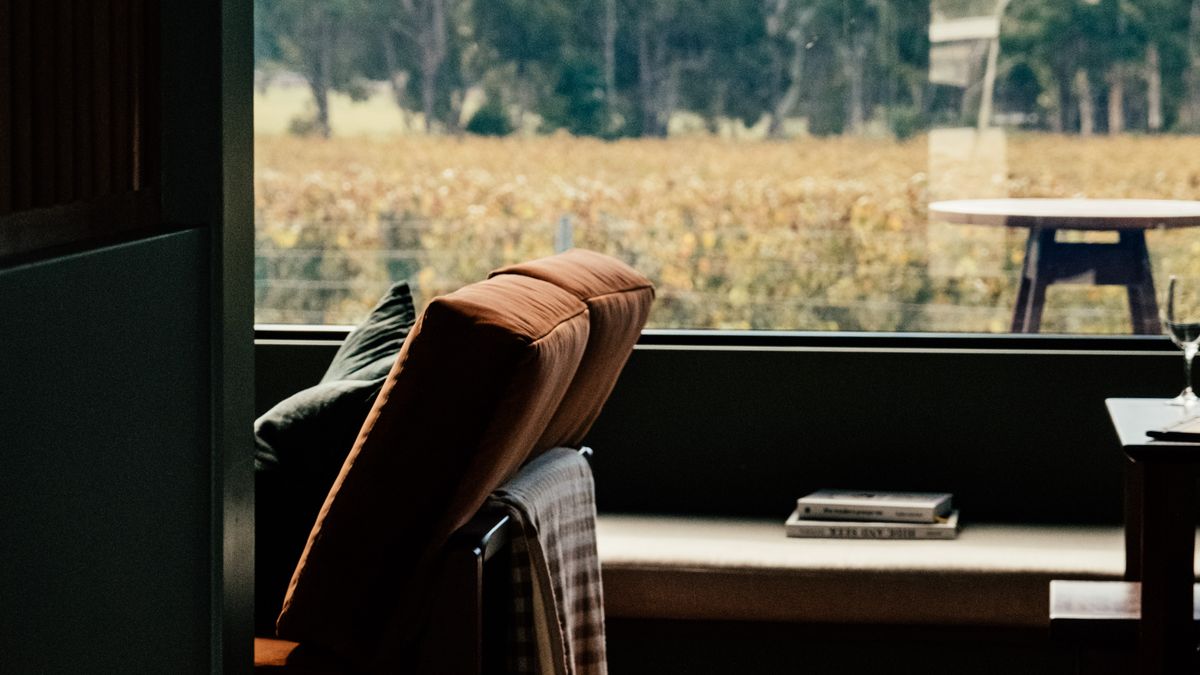
Start with the chair you genuinely want to spend an hour in, then put a small table and an adjustable reading lamp beside it. A low bookcase can give the nook a boundary without blocking light. This works in a bedroom corner because it asks for very little technology or sound control. The common mistake is choosing a dramatic chair that is uncomfortable after ten minutes.
Before buying furniture, test three positions for the chair. A corner can feel private, but it may also be too dark for reading; nearer a window offers better daylight but possibly glare. Use a side table large enough for a book and drink without turning it into a second desk. If the room is shared, a lamp with an adjustable beam is kinder than a bright ceiling fixture. Personalize with a single framed photograph or object you actually care about.
2. A wall-mounted movie setup
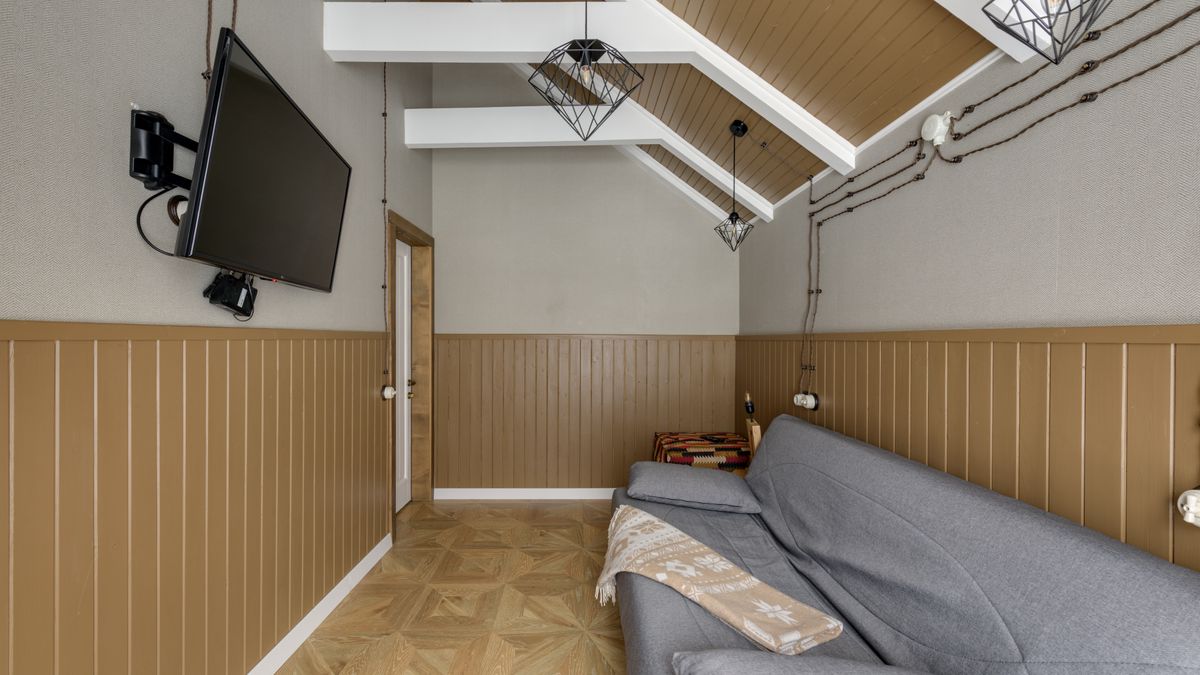
Put the screen on the wall opposite a compact sofa, then keep the media equipment in one shallow cabinet. The room looks calmer when cables and consoles have a deliberate path instead of trailing across the floor. Check viewing comfort before selecting screen size; a huge display in a shallow room is not always better. Anchor the television and use a suitable support.
Start with a viewing position rather than choosing the largest screen that fits. Tape a rectangle on the wall, sit where the sofa will go, and check whether you need to tilt your head or move your eyes uncomfortably. Sound can matter as much as size in a small room, particularly when the sofa sits against a shared wall. Conceal cables with a proper channel, not loose cords under a rug, and preserve access to sockets and ventilation.
3. Console gaming with a storage ottoman
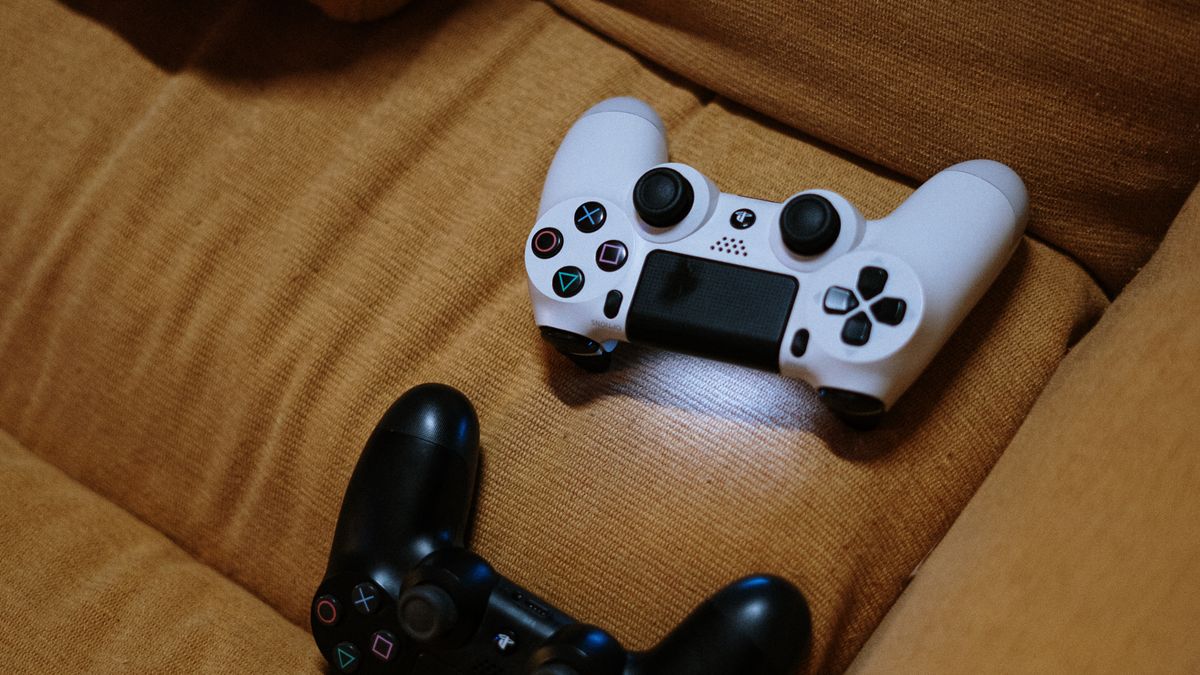
A comfortable loveseat, screen and covered ottoman can create a gaming area without shelves of visible accessories. Store controllers, headphones and spare cables in the ottoman, keeping enough ventilation around active electronics. This option suits a room that also needs to welcome guests. Buy the seat for comfort and the storage for access, not just for matching upholstery.
A covered ottoman helps only if you can lift its lid while seated and reach what is inside. Measure that clearance with the intended furniture layout. Choose a model that is stable enough for the way you use it, but do not treat a soft cushion as a secure surface for drinks or heavy electronics. For a two-person setup, put charging within easy reach of both seats. A simple system for returning controllers will keep the room usable beyond the first week.
4. A focused PC gaming corner
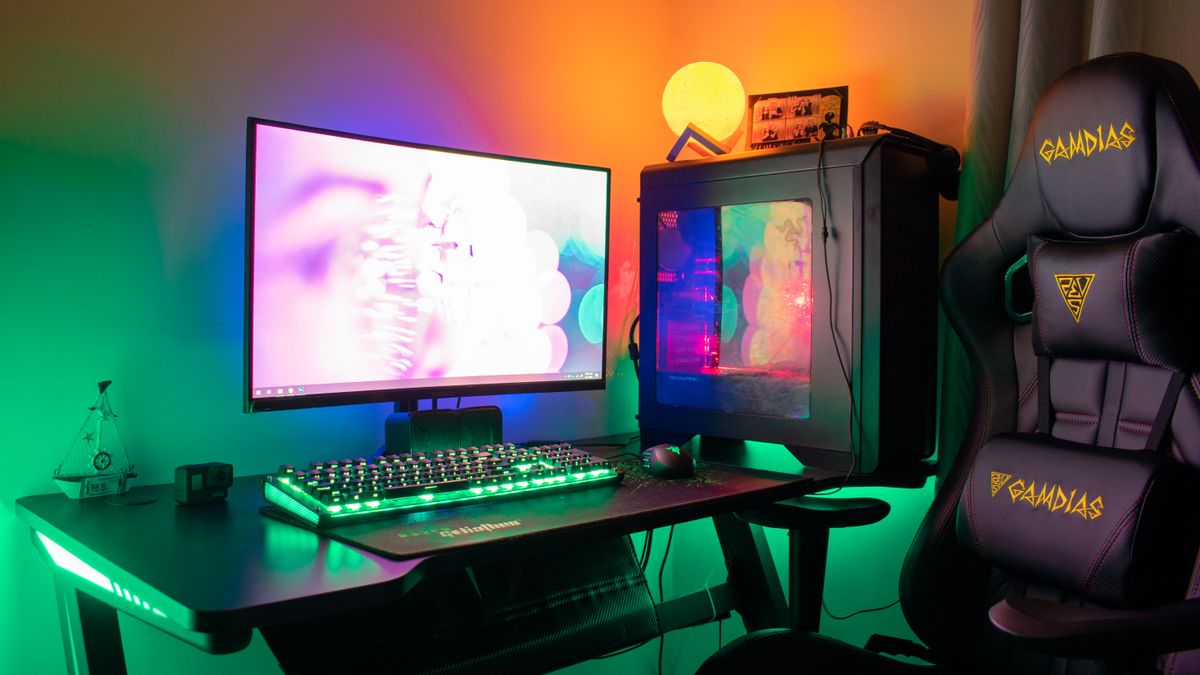
Put the monitor and keyboard at a desk that genuinely fits the available wall. Give the chair enough room to move back without hitting another piece of furniture. A monitor arm can free desk space, while task lighting prevents the whole room from relying on colorful LEDs. Plan ventilation and cable routing before filling the desktop with displays or collectibles.
Your desk should support long sessions without making the rest of the room feel like a computer repair shop. Allow room for the mouse arm, a sensible monitor position, and a chair that can roll back fully. If the desk sits near a window, test glare when the sun is strongest. Use a cable tray where appropriate and keep power connections accessible. A smaller single-monitor station with good ergonomics may be a stronger starting point than an overcrowded triple-screen arrangement.
5. A record listening room
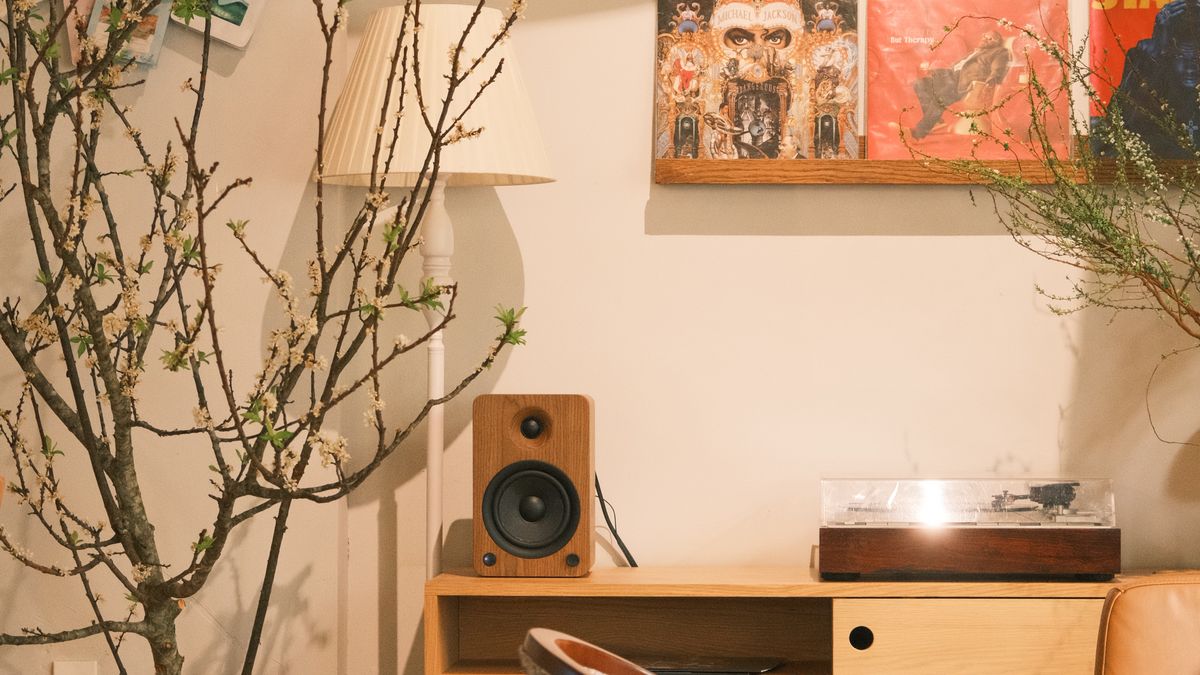
A turntable, a practical shelf for records and one good listening seat can make a quiet room feel complete. Place speakers according to their manufacturer guidance rather than automatically jamming them into corners. Keep the records easy to browse and protect them from heat and moisture. This is better as a listening ritual than a decorative wall of audio equipment you rarely use.
The chair should point toward the speakers rather than a decorative wall, and the record storage should sit close enough that changing an album is pleasant. Avoid tall display towers that make retrieving records awkward. If you share the space, test the sound at the times you actually listen. Thick curtains or a rug may help with room reflections, but they do not prevent noise from traveling through a wall. This setup is best when listening itself is the primary activity.
6. A watch and accessories corner
Use a small drawer unit or display tray for watches, glasses, cufflinks and the tools you actually need. Provide clean lighting for inspection without placing valuables in direct intense sunlight. A framed print and compact stool can make the station feel considered. Resist filling the surface with boxes; a collector’s corner should let you find and care for the collection.
If you own a modest collection, resist buying a showroom cabinet meant for dozens of watches. A lined drawer with separate spaces may protect and organize what you have more effectively. Place a small inspection lamp where you can adjust straps or clean glasses without shadows. Avoid exposing leather straps and delicate finishes to strong sun or dampness. A locked drawer may also be sensible when the room is accessible to guests or children.

7. A small-library wall
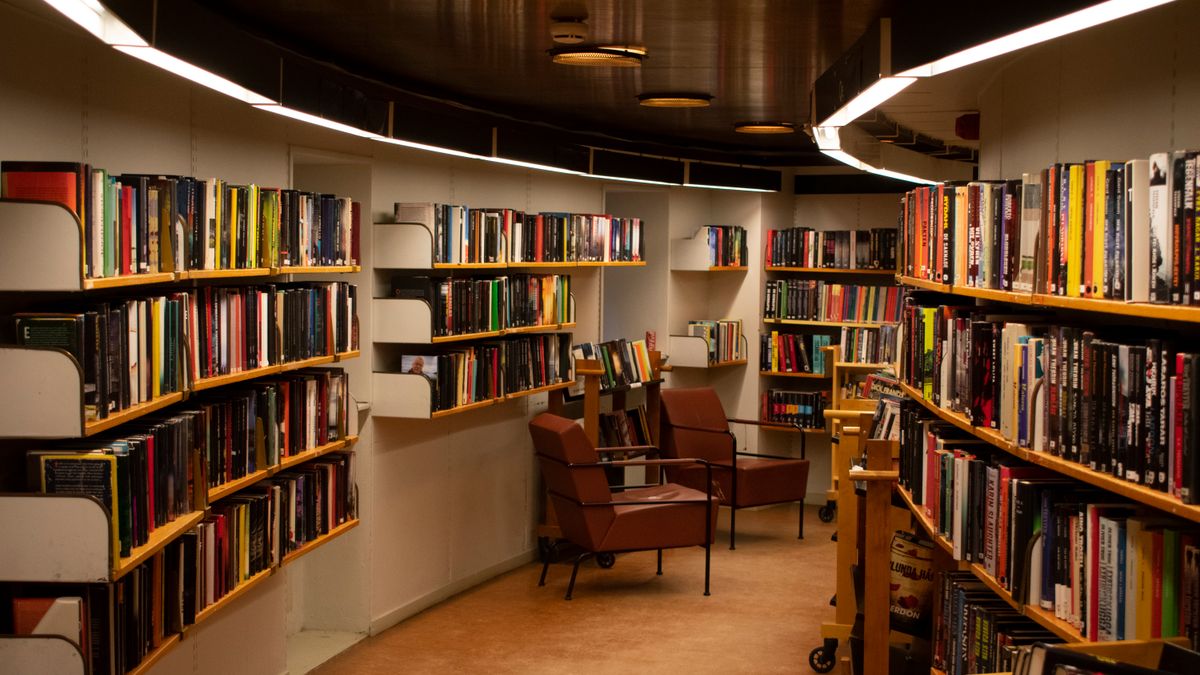
Build one deliberate shelving wall rather than scattering bookcases around a narrow room. Closed lower cabinets can hide chargers and miscellaneous objects, while open shelves show the books you return to. Leave room for a chair and a proper light source. Anchor tall furniture and avoid turning every shelf into a display of unrelated souvenirs.
Before ordering shelves, separate books you genuinely revisit from books that only occupy space. Group frequently used volumes at a convenient height and allow some empty shelf space for additions. A narrow room can feel calmer with one continuous library wall than with multiple mismatched units. Check how the shelf doors, if any, interact with your chair. Tall cases should be installed securely, and heavier items generally belong lower down.
8. A wall-hugging desk for occasional work
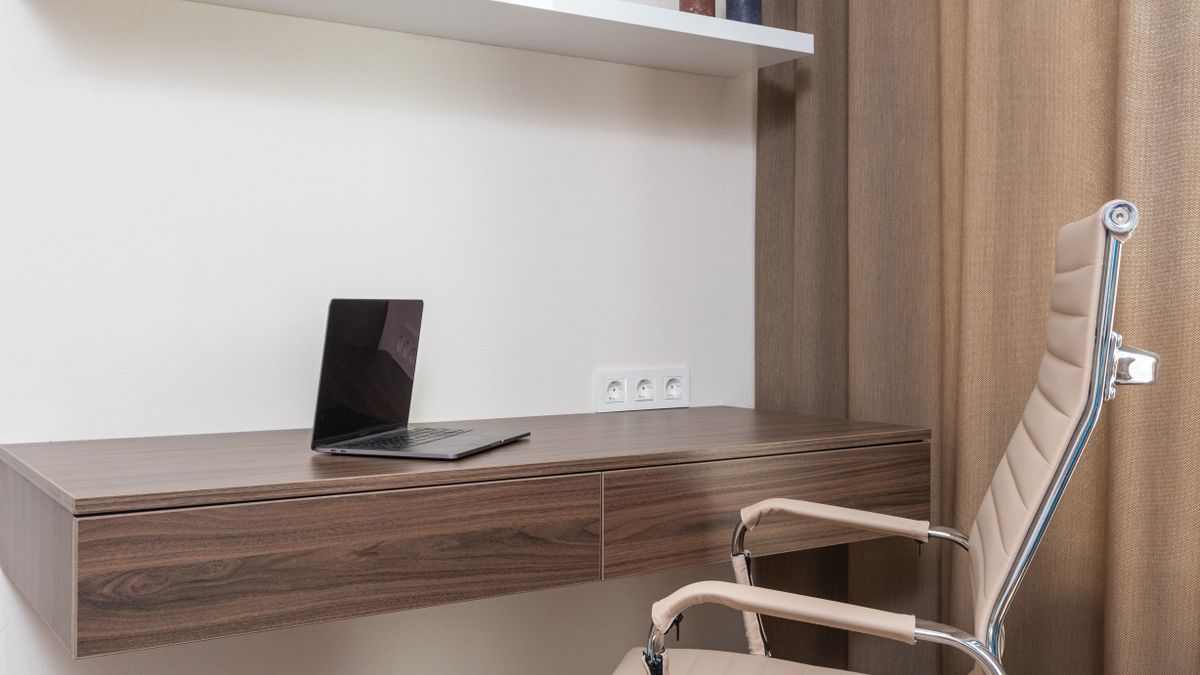
A narrow desk can share a spare room with a comfortable reading chair or media seat without consuming the whole floor. Place it against the shortest useful wall, then keep the surface clear enough to switch from laptop work to a book, sketchbook, or weekend project. A desk with open legroom is often more comfortable than a cabinet pressed into service as a workstation. This arrangement works especially well if your man cave is also the place where you pay bills, plan a trip, or spend an occasional quiet hour on personal projects.
Choose the desk to suit what you actually do: a laptop and notebook need less depth than a monitor on a stand, while camera gear or tools need storage beyond the tabletop. Check whether the chair can pull back without striking a sofa or doorway. Route the power cable safely, place frequently used supplies in one nearby drawer, and leave the rest of the room visually calm. When work is finished, closing the laptop and clearing the surface should take less than a minute. The goal is a useful workstation that never becomes the room’s defining feature.
9. A quiet meditation or stretching space
An uncluttered mat-sized area, adjustable warm light and a small place to store a mat may be all you need. Choose flooring that feels comfortable and does not slip. The point is to protect enough empty space for movement rather than making the room look like a commercial wellness studio. If the same corner is for reading, use furniture that moves out of the way easily.
A truly usable stretch area must remain open once you lie down and extend your arms. Test that footprint with your actual mat before buying a rug or floor cushion. Warm lighting is helpful for evening use, but make sure you can see the floor clearly enough to move safely. A basket can hold towels, blocks and a mat without becoming a shrine to equipment. This is especially effective when the room needs a calm activity without adding another screen.

Social and entertainment ideas
10. A sports-watching lounge for two
Two comfortable chairs and one screen can work better than a giant sectional in a compact spare room. Make sure both seats have a usable viewing angle and somewhere to place a drink. A slim cabinet holds remotes and blankets out of sight. Framed team items can give the room character, but the experience depends more on comfort, sound and layout than the number of signed jerseys.
Plan the space around how people will actually sit through a game. Two separate chairs can allow a more comfortable viewing angle than one large couch squeezed into the room. Keep food and drinks on stable surfaces, not on electronic equipment. A screen that faces a window may need thoughtful blinds for daytime matches. Choose one team-related visual as the focal point and keep the remaining memorabilia edited. The room should still feel inviting on days when no game is on.

11. A board-game table that doubles as a desk
Select a stable table with enough space for a game board and player elbows, then pair it with comfortable chairs you can use for other tasks. An overhead pendant or adjustable lamp helps everyone see without harsh glare. Store games vertically in a cabinet. This works particularly well in a mixed-use room where the table must earn its floor space on ordinary weekdays.
Check the table height and how easily chairs slide under it. Some attractive game tables are uncomfortable for long sessions because the edge presses into your arms or players cannot reach the center. Provide space for a box and discarded cards as well as the main board. Consider an overhead light with minimal glare and sufficient illumination for small print. If the room doubles as an office, choose storage that lets you clear a game without losing pieces.

12. A dartboard zone with a clear path
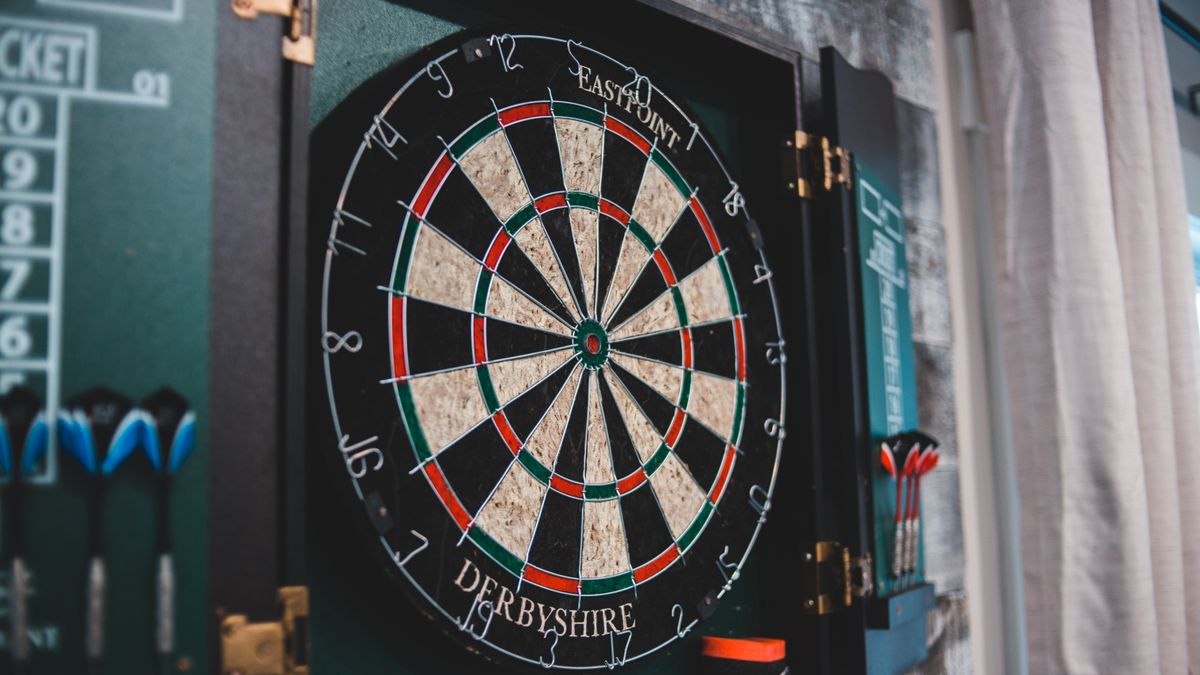
A dartboard is a compact activity only if there is actually room to stand back and throw safely. Follow the board maker’s setup measurements and keep the entire throwing area away from doorways or casual foot traffic. Use a protective surround and suitable floor treatment. This is not an accessory to squeeze between a sofa and a television; it needs its own safe lane.
Mark the required throwing distance and the area where missed darts might land before making this the focal activity. Make sure the board cannot be approached unexpectedly from a doorway. A visible floor marker helps occasional guests know where to stand. Soft-tip systems may suit some households, but still need appropriate supervision and clearance. Install the board at the manufacturer’s specified height and use protective backing that actually covers likely misses.
13. A sleeper-sofa guest lounge
If the room needs to host overnight visitors, choose a sleeper sofa or daybed before you design the entertainment area. Measure the bed fully opened and confirm the walking route still works. Use closed storage for gaming equipment or personal items, then add bedside access to lighting and charging. This prevents a supposedly flexible room from becoming unusable the first time someone stays over.
Fold out the bed during planning rather than assuming the sofa’s published width tells the whole story. Guests should be able to reach the door and access their bags even when the bed is open. Reserve a small empty surface for a phone, water and keys. A comfortable mattress and simple bedding storage matter more than a large entertainment display. Keep personal collectibles off fragile open shelves near the sleeping area.
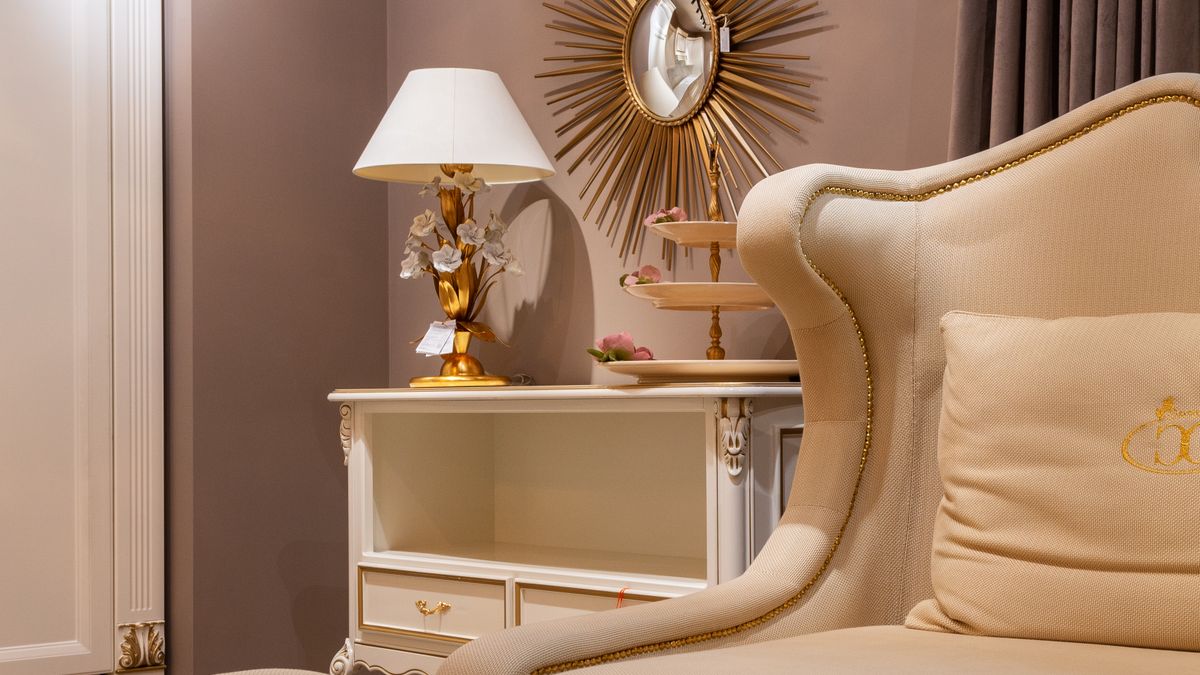
14. An understated whiskey-free tasting corner
A small table, supportive chairs and attractive glassware can make a welcoming space for coffee, tea or other drinks without dedicating a whole wall to a bar. A tray keeps supplies contained and portable. Choose surfaces that tolerate condensation and are easy to wipe clean. The advantage is conversation, not whether the room resembles a commercial lounge.
If the real activity is talking with a friend, arrange the seats so you can hear each other at a normal volume. A small cart or sideboard can store mugs, a kettle or a coffee setup where its electrical and plumbing needs are appropriate. Wipeable surfaces simplify cleanup. Do not automatically build a full bar counter that steals space from the chairs. A simple, thoughtfully lit conversation area often feels more refined than shelves of unused equipment.
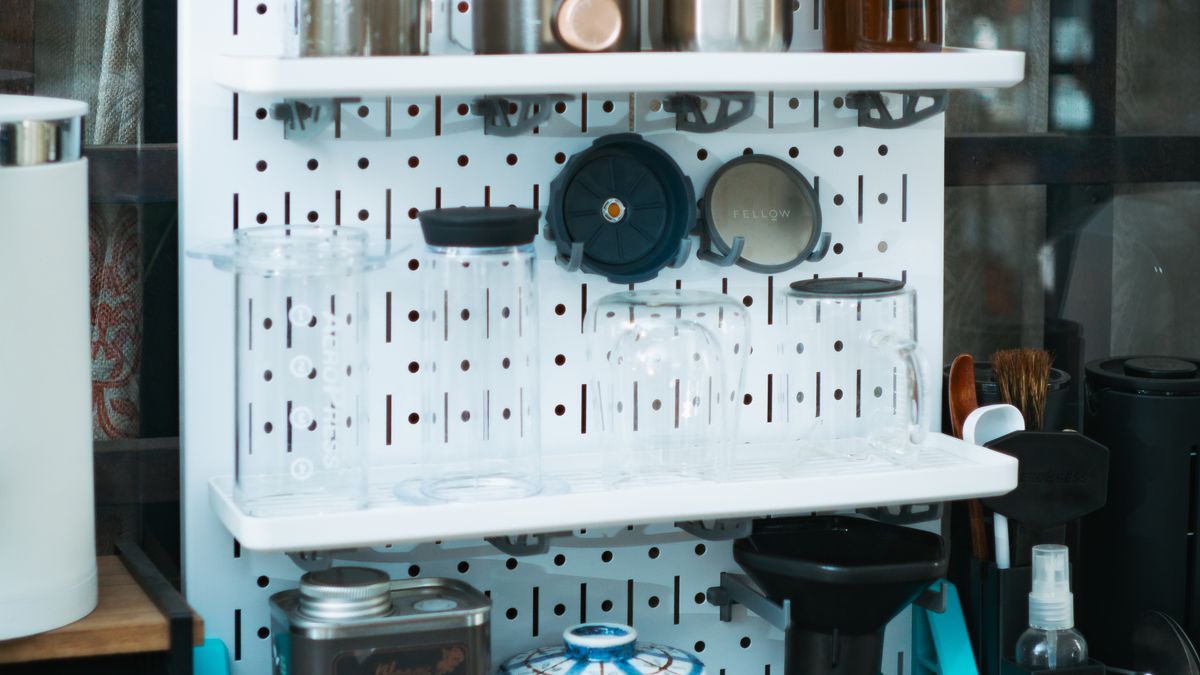
15. A photo and travel gallery wall
Choose a small set of images from places or experiences that genuinely matter, then use consistent framing and measured spacing. Put the gallery above a low cabinet or seat so it has a clear focal point. A gallery can be striking without covering every wall. Leave room to add new memories rather than buying anonymous art simply to fill blank space.
Print the candidate photographs at roughly the sizes you intend to hang. A gallery wall can look balanced on a computer while becoming too busy on a narrow wall. Keep the center of the collection aligned with the furniture beneath it rather than forcing every frame into perfect symmetry. If the images have different colors, consistent frames or mats can make them feel connected. Leave room for future photographs, since personal collections naturally grow.
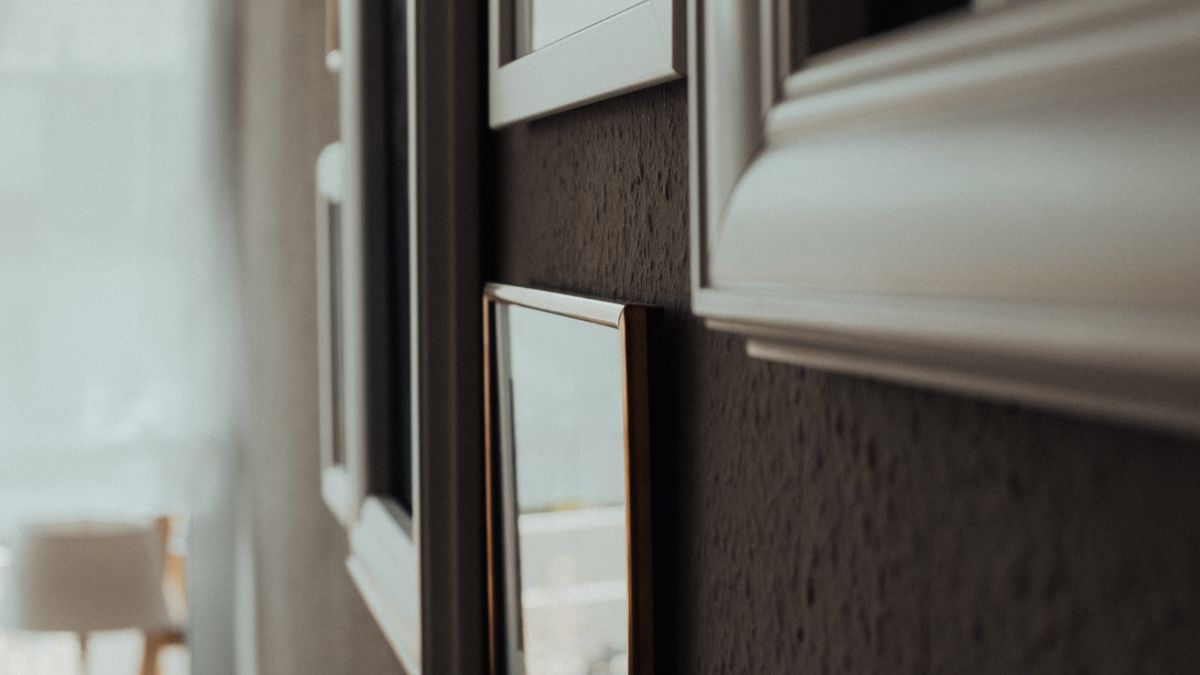
16. A simple home-theater blackout corner
Use effective curtains or blinds to reduce screen glare, then introduce low indirect lighting for safe movement. A compact sofa and properly positioned speakers may be enough. Avoid blocking ventilation or emergency exits for the sake of darkness. A good small theater depends on light and sound control, not on pretending you have a commercial cinema in a bedroom.
Blackout fabrics alone are not enough if light pours in around their edges. Look at where the sun enters during the viewing hours that matter to you and choose an appropriate treatment. The room should also have low, safe path lighting so people can reach the door without stumbling. Speakers should not block ventilation around media equipment. If the room is shared with a neighbor, review sound levels before adding powerful subwoofers.
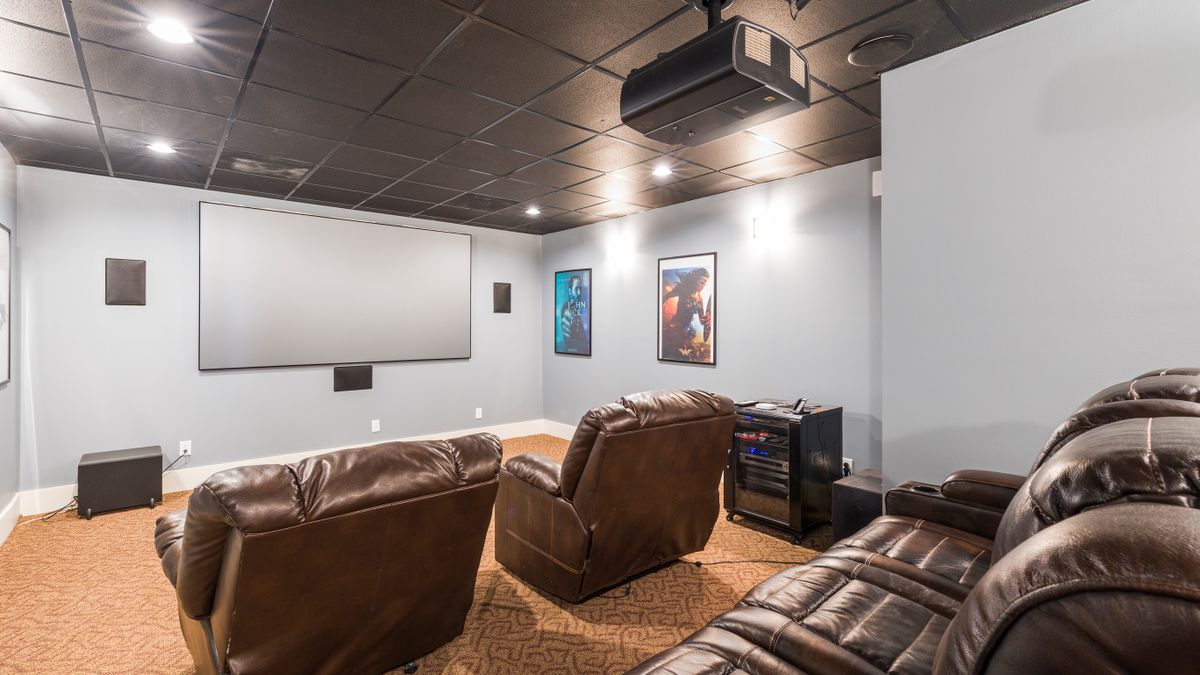
Hobby, fitness and creative-work spaces
17. A compact home-gym station
A mat, carefully chosen adjustable weights and wall-mounted storage can support short workouts in limited space, provided the floor and structure are suitable for the loads. Leave enough clearance to move safely and do not attach equipment to walls without appropriate support. If you’re deciding whether a gym corner is worth it, our home gym versus gym membership guide addresses the habit trade-off.
List the movements you need before deciding where the equipment goes. A few controlled strength exercises require a different clear zone from stretching, jumping or mobility work. Avoid buying a rack or heavy machine merely because it looks impressive. Check the flooring and building rules where relevant, and make sure equipment can be stored without creating a trip hazard. If you frequently abandon home workouts, the room’s convenience may matter more than the size of your collection.

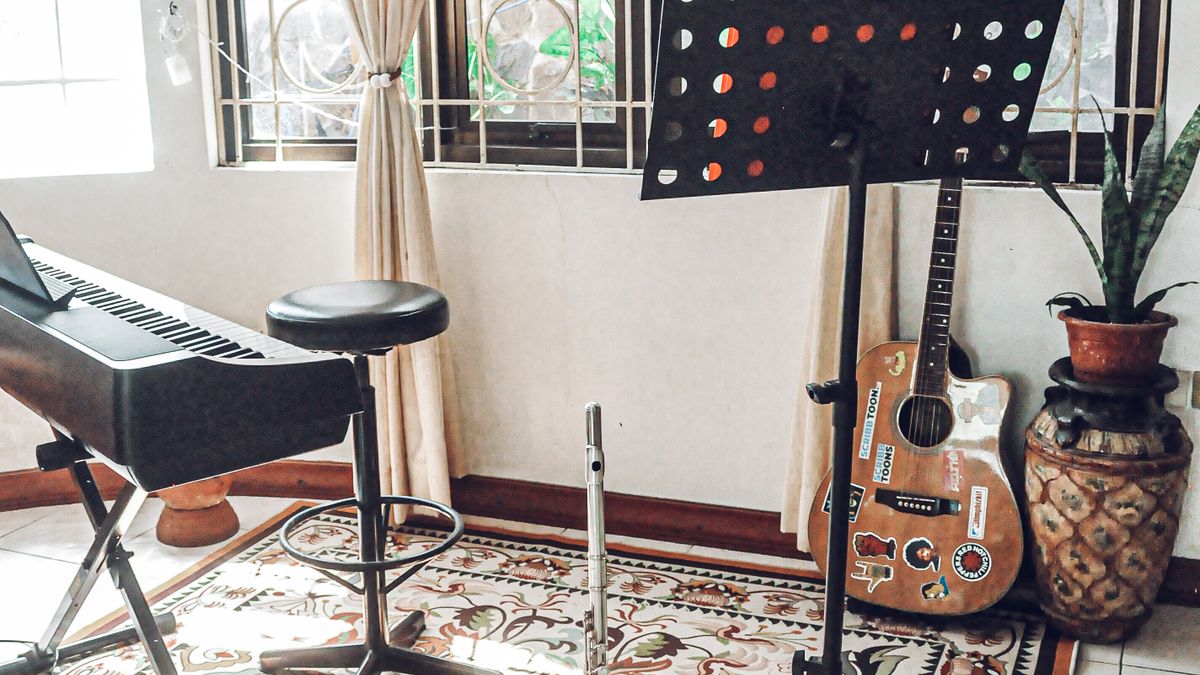
18. A guitar practice studio
Keep one instrument accessible on a suitable stand or securely installed hanger, and provide a seat with the right posture for playing. A small lamp for sheet music and controlled cable storage can make a surprisingly complete setup. If you share walls, think about volume and suitable monitoring options before buying amplifiers. Acoustic panels can improve reflections but do not automatically soundproof a room.
Decide whether this is a private practice corner or a recording space. A practice corner may need only a stable chair, stand, headphones and small amplifier. Recording adds microphone placement, cable routing and a way to control unwanted noise. If you share walls, headphones can often be more practical than trying to ‘soundproof’ an ordinary bedroom. Keep instruments away from moisture and direct heat, and make it easy to start playing without unpacking multiple cases.
19. A photography-editing desk
A wide enough desk for your display, storage drives and camera equipment can become a real creative corner. Use lighting that does not create avoidable reflections on the monitor. Closed drawers protect small lenses and accessories from dust and accidents. You do not need to turn the space into a photo studio unless you actually shoot there; separate editing from shooting needs.
Place frequently used editing tools close to the working hand and rarely used camera accessories in closed storage. A large monitor is of little value if its positioning causes uncomfortable head movements or blocks the desk light. Consider how files are backed up and where drives are stored safely, but avoid running cables loose across the floor. If color-sensitive editing matters, control direct glare and changing ambient light rather than decorating the room with dramatic LEDs.

20. A miniature workshop bench
A sturdy bench along one wall can accommodate small repairs or model making if the activity is compatible with the room. Good task lighting, labeled tool storage and safe ventilation matter more than decorative pegboard. If dust, fumes or substantial power tools are involved, choose an appropriate dedicated work area instead of assuming an ordinary bedroom can handle them.
Identify the jobs you will perform on the bench. Replacing a watch strap or assembling a small model requires a very different setup from cutting timber. A stable surface and a targeted light are usually the first useful investments. Label drawers by task so screws and small parts do not disappear. Do not bring hazardous fumes, soldering or major dust-generating work into a spare bedroom without proper safety assessment. The room should return to a clean state after a session.
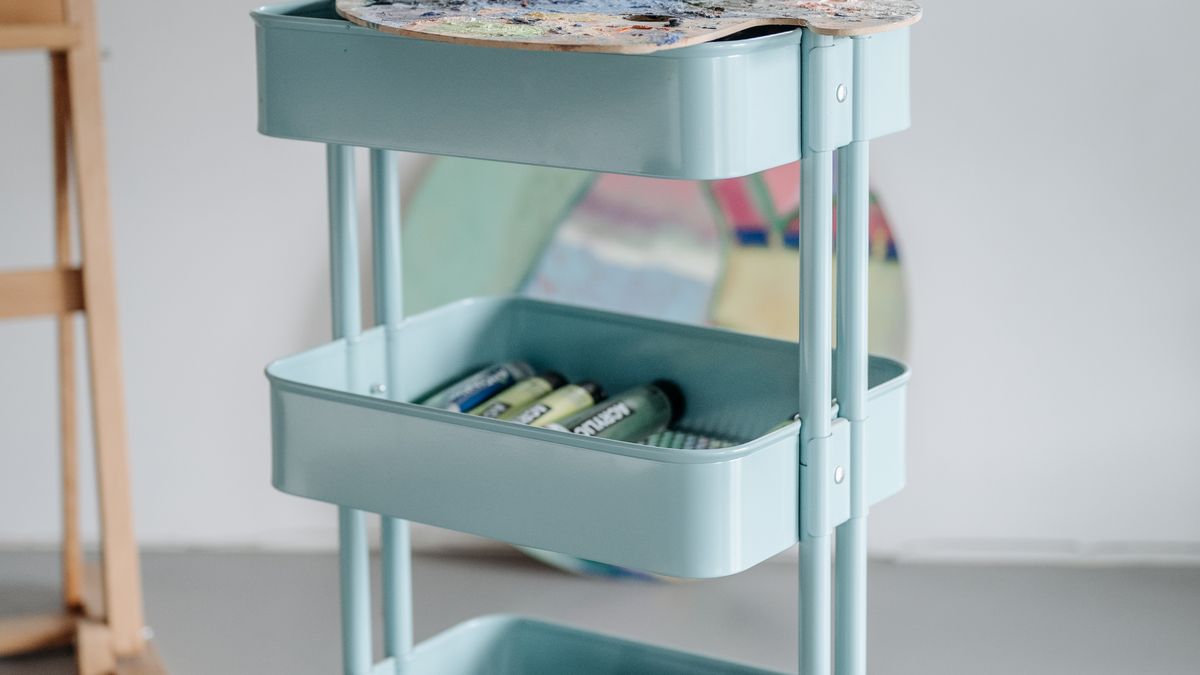
21. A model-building and painting station
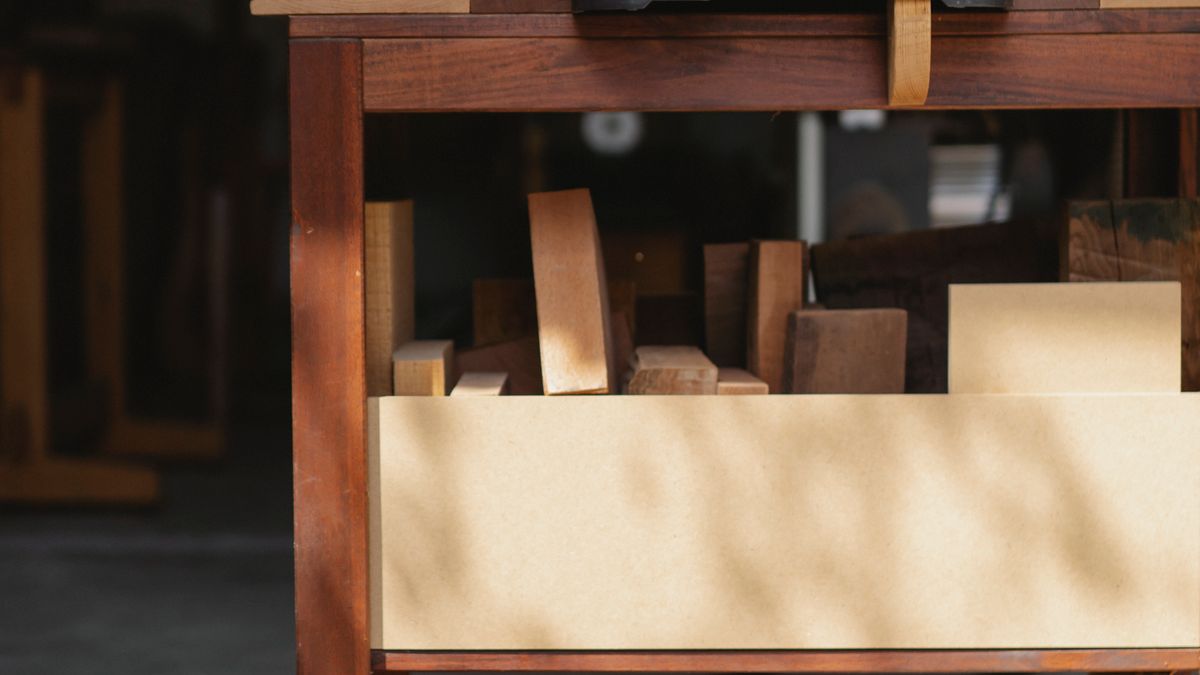
Use a work surface you can protect, a bright task light and drawers for parts, brushes and paints. Keep the current project accessible while containing the supplies. Check ventilation and manufacturer safety requirements for paints, adhesives and sprays; not all materials belong in an enclosed room. A removable work mat can let a shared table return to everyday use afterward.
A modular drawer system can keep unfinished projects separate instead of spreading parts across the entire room. Put cutting tools, adhesives and paints where they will not be knocked off the table. A cutting mat and movable task light can make an ordinary desk work well. Check whether any product requires ventilation or special storage and follow the label rather than assuming all hobby materials are harmless. The goal is a station that is easy to close down without losing your place.

Garage and flexible-room ideas
22. A garage lounge that preserves parking
Mark the vehicle clearance and door travel before bringing in furniture. A wall-mounted shelf, compact folding seating and a rolling storage unit may create a casual corner without sacrificing the garage’s primary function. Keep the exit, vehicle path and any equipment clear. Never run a vehicle engine in an enclosed or attached garage to warm up the hangout.
A garage usually has a more demanding environment than a normal living room. Check temperature, dampness and dust before leaving upholstered furniture or sensitive electronics there permanently. Keep the vehicle’s doors and tailgate fully operable and never compromise the exit route. Rolling furniture should lock when in use. If the garage remains attached to the house, carbon-monoxide safety is especially important; an idling vehicle must never become part of the atmosphere.
23. A garage woodworking corner
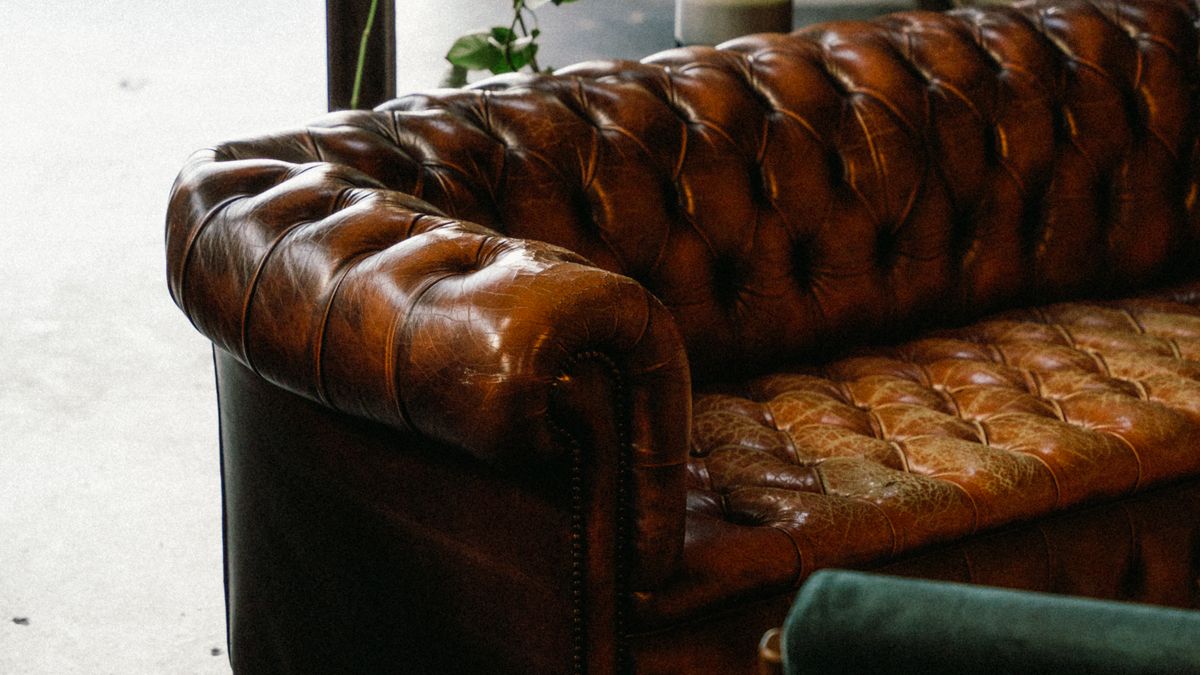
A compact bench with wall storage can support simple projects, but the safe work area extends beyond the bench itself. Leave room to handle materials, collect dust and move around the equipment. Our small woodworking shop on a budget guide is a better next read than buying tools from a decorative mood board. This idea is unsuitable if the garage cannot be ventilated or used safely.
Set out a full-size sheet of material and imagine cutting, measuring and carrying it through the room. Many proposed home workshops fail because the bench fits but the workpiece does not. Separate clean storage from dusty processes, consider extraction suitable for the tools, and maintain unobstructed exits. Hand tools may be enough to learn fundamental skills before adding machines. This is a functional workshop first; the attractive pegboard is only useful when each tool is easy to retrieve safely.
24. A dedicated sneaker care station
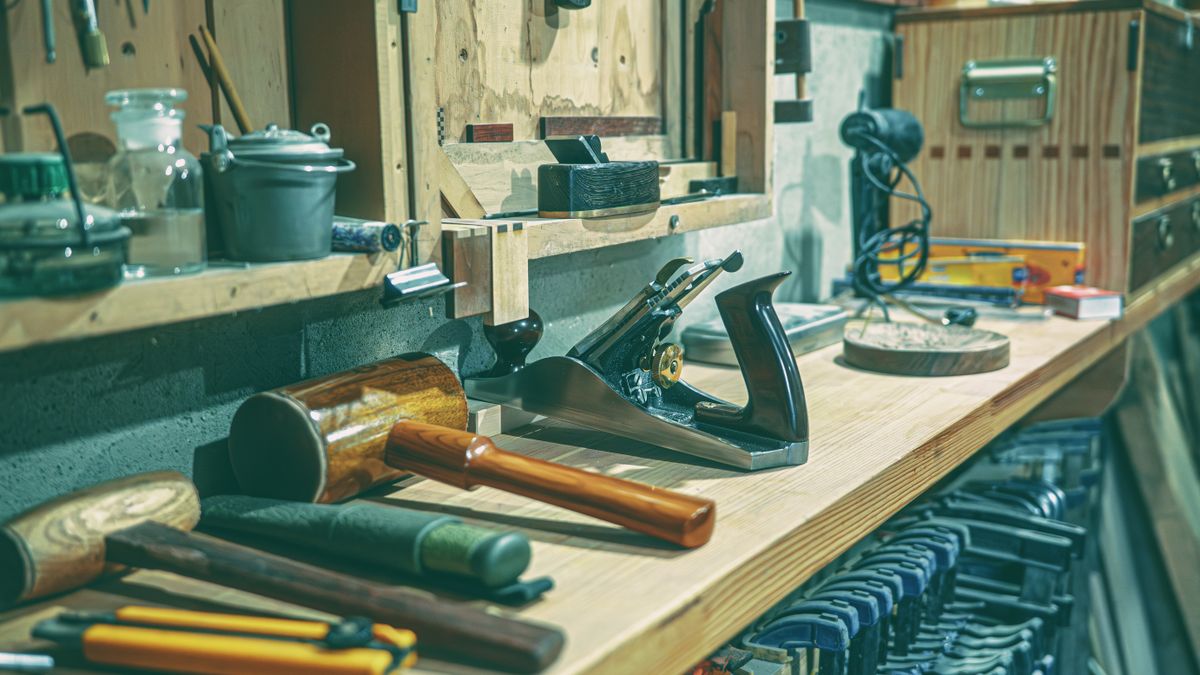
A narrow bench, washable mat and closed shelves can make a practical place to clean and store footwear. Use enough light to inspect materials and allow appropriate drying space away from damp walls. Store cleaning products according to their labels and keep them away from children. The setup feels personal because it supports a real habit, not because every shoe must be permanently displayed.
A care station should make the next cleaning task convenient. Separate brushes used for different materials, provide a stable washable surface, and let cleaned shoes dry as their materials require. A bench can support the task while a small drawer keeps cloths and products organized. Closed shoe storage reduces visual clutter, but damp footwear should not be sealed immediately inside it. This works well near an entryway or laundry space rather than demanding a separate dedicated room.

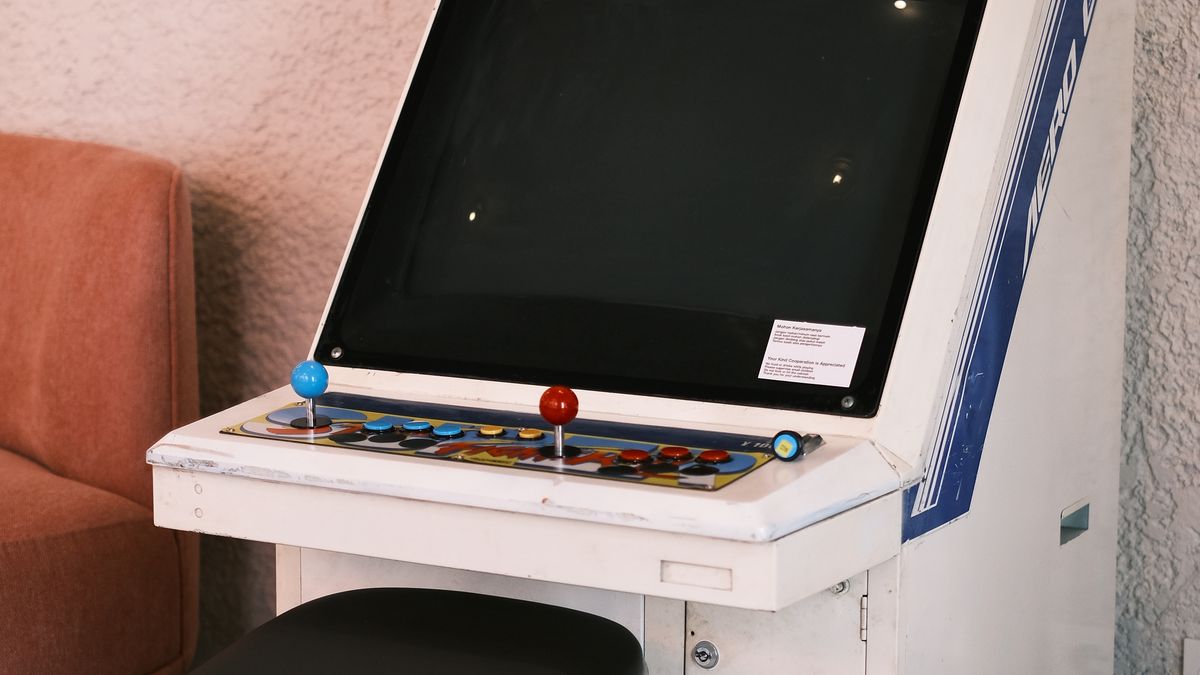
25. A compact retro arcade wall
If old games genuinely appeal to you, choose one cabinet or a legal emulation setup rather than filling a tight room with bulky machines. Arrange it so players can stand or sit comfortably without blocking the doorway. A few framed game covers can provide atmosphere while keeping the walls visually restrained. Confirm equipment safety, power demands and legitimate game access.
Choose the one machine or screen you return to, then build the corner around it. The best retro arcade areas have enough room for hands, elbows and a player standing behind the main user. Confirm the cabinet’s actual footprint and the path for getting it through a doorway. If you are tempted by several machines, start with one and live with the arrangement. An overloaded power strip and blocked ventilation are poor substitutes for planning electrical needs.
26. A coffee and conversation den
Build the room around two chairs facing each other rather than automatically pointing everything toward a television. A small coffee table, warm lamp and storage for a few favorite books may be enough. In a shared home this can become a useful place to talk or read. Avoid installing plumbing or permanent fixtures just to create the appearance of a café.
Two seats should be comfortable enough that the room supports an actual conversation without everyone reaching for a phone. Angle them slightly instead of forcing them against opposing walls. A lamp placed between them can create atmosphere while still letting people read. Keep mugs and supplies within reach, and avoid building a coffee station that blocks the seating arrangement. This room can double as a quiet retreat when nobody else is home, making its value broader than hosting.

27. A modular hobby room that changes with you
Choose movable storage, foldable work surfaces and a flexible seating arrangement when your hobbies are likely to evolve. Keep the most-used items accessible and group specialized equipment by activity. This is not a compromise if your room is small; it may be the most sensible long-term design. Spend first on lighting, a safe layout and reliable storage, then let the decorations change.
Movable furniture needs planned storage positions. Decide where a folding table goes when it is down and where stools or bins sit when the floor is clear. Choose consistent container sizes only where they genuinely fit the equipment, not because matching boxes photograph well. Keep a small list of the room’s recurring functions and test whether switching between them takes a minute or an exhausting reorganization. Flexibility is successful when using the room feels effortless.
Which setup fits your available space?
| Available space | Practical starting point | Watch for |
|---|---|---|
| Bedroom corner | Reading chair, desk, watch station | Walking room and light |
| Small spare room | One gaming, music or movie setup | Glare, noise and seating clearance |
| Garage | Modular workbench or removable lounge | Ventilation and vehicle access |
For a corner of a bedroom, the strongest options are a reading chair, compact editing desk, watch station or portable workout kit. For a small spare room, select one primary purpose such as gaming, film, music or a guest-ready lounge. A garage can support a workshop or social corner, but only when ventilation, clearance, safety and the garage’s original purpose allow it. The more uses you force into the same footprint, the more every item needs to move or store easily.
Before ordering furniture, draw the room and use paper or tape to mark actual footprints. Open any sofa bed, pull back desk chairs and walk the route from the door. Test screen glare at the time of day you will use the space. Check whether the sound would disturb someone on the other side of the wall, and whether an outlet is positioned appropriately for every device.
Where should you spend money first?
Comfort and practical infrastructure come first: a seat you can use, suitable task or ambient light, enough outlets and storage that keeps your most-used items close. The decorative layer comes later. Used furniture can be sensible when its condition and safety are confirmed, but a cheap chair you cannot sit in for an hour is not a bargain. The same applies to a beautiful cabinet that blocks a necessary walkway.
Safety details that should not become an afterthought
The US Consumer Product Safety Commission recommends anchoring televisions and top-heavy furniture to reduce tip-over hazards, especially where children may visit. Electrical Safety Foundation International says extension cords are for temporary use, not substitutes for permanent wiring. These details matter in gaming and media rooms, where screens and chargers tempt people to connect everything to one outlet.
For any garage conversion, assess ventilation, heat, moisture, and safe separation from vehicles and hazardous materials before adding soft furnishings or electronics. Never operate an engine in an enclosed garage. If the work requires structural alterations, electrical installations, insulation or a change of approved use, verify local rules and use qualified tradespeople as required.
Frequently Asked Questions
What is the best man cave idea for a small bedroom?
Pick one primary function. A reading nook, gaming desk or compact screen-and-loveseat setup tends to use the space more effectively than several oversized features.
Can a man cave double as a guest room?
Yes. Plan for the guest bed fully opened, easy access to lighting and charging, and closed storage for entertainment equipment before buying the furniture.
What should I buy first for a budget man cave?
Start with usable seating, lighting and storage. A functioning room will benefit more from those than from expensive wall decorations.
Can I build a man cave in a garage and still park there?
Potentially, if clearances, ventilation, storage, vehicle access and fire safety remain appropriate. Mark the parking footprint and required door operation first.
How do I make the space look less cluttered?
Choose one focal activity, use closed storage for small objects and cable clutter, and leave some walls and floor space open rather than displaying everything you own.
The bottom line
A room earns its place in your home by being useful. Let the main activity determine the layout, buy fewer pieces with clearer purposes and leave enough space to move comfortably. The result may not look like the biggest gaming room on the internet. It will probably be a better room to spend time in.