Affiliate disclosure: Modern Men HQ may earn a commission if you purchase My Boat Plans through links in this article. This does not affect what you pay or how we evaluate the options.
For most first time builders, a boat kit is the simpler route. Boat plans make more sense when you already have basic woodworking skills, access to suitable tools, and actually want the measuring, cutting, and material sourcing to be part of the project.
The mistake is comparing a cheap PDF with an expensive kit and assuming the cheaper starting price means a cheaper boat. You are choosing how much of the preparation work you want someone else to solve before construction begins.
What is the real difference between boat plans and a boat kit?
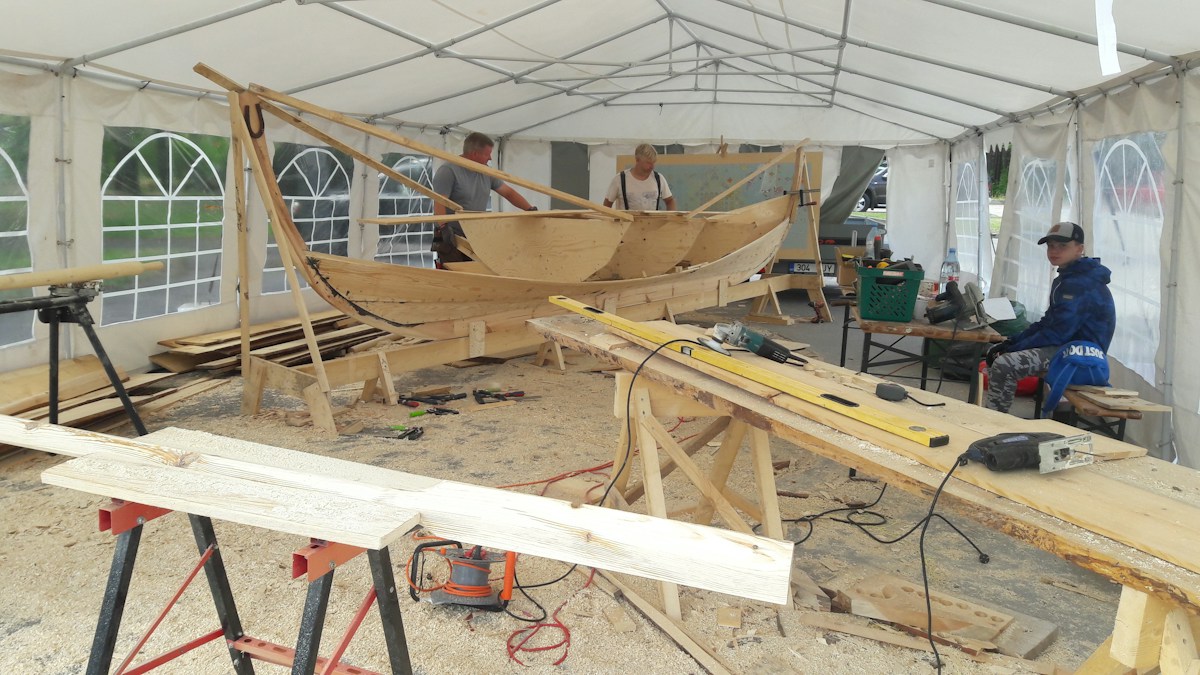
Boat plans give you instructions and dimensions. You still need to source the lumber, plywood, epoxy, fiberglass, fasteners, hardware, paint, and other materials the design requires. You also transfer measurements, cut parts, check fit, and correct your own fabrication errors.
A kit moves some of that work upstream. Depending on the supplier, it may include precut panels, matched components, selected materials, hardware, or other pieces prepared for a specific design. The exact contents vary, so never assume the word “kit” means everything needed to launch the finished boat.
That difference changes the project. With plans, more of your time goes into fabrication and problem solving. With a kit, more of your time can go directly into assembly, fitting, bonding, finishing, and learning how the boat comes together.
Which is easier for a first time builder?
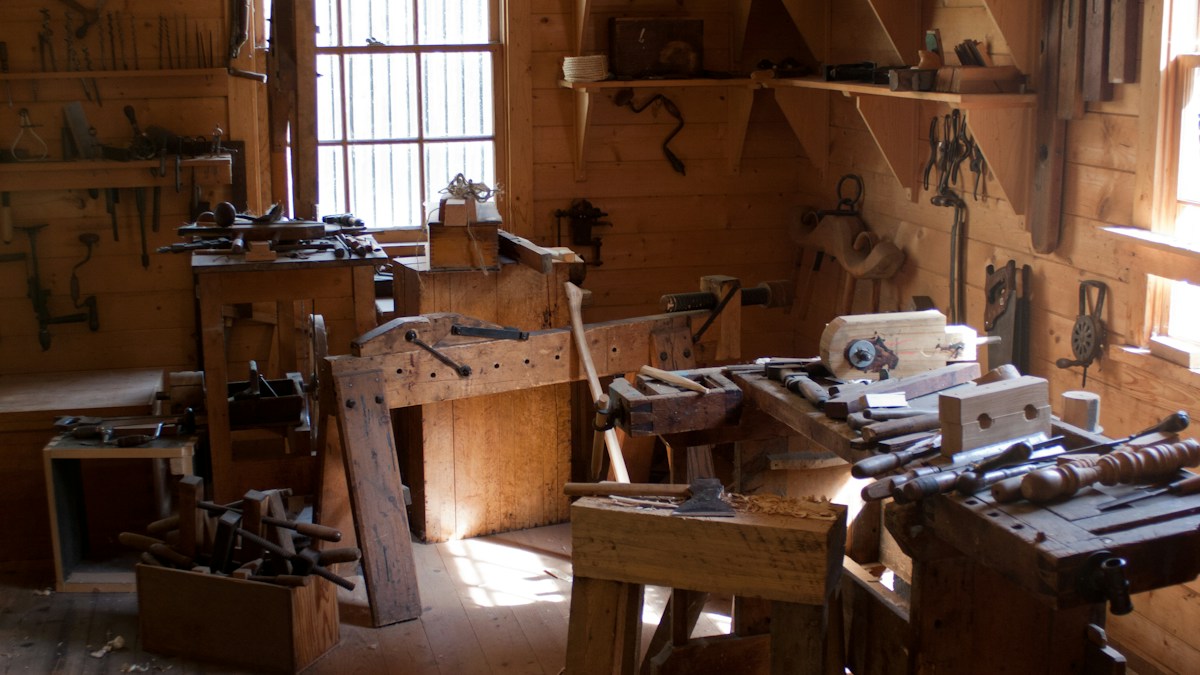
A well designed kit is usually easier because it removes several early decisions that can derail a beginner. Measuring and cutting accurately are skills of their own. So are selecting materials, interpreting drawings, laying out large panels, and knowing when a small error matters.
Removing some of those tasks does not make boat building easy. You still need patience and careful workmanship. Alignment, joints, epoxy work, fiberglass, sealing, fairing, finishing, and hardware installation can all affect the final result.
If you have never built anything substantial from wood, a simple kit can keep the learning curve focused. If you already build furniture, cabinets, or other precise projects, starting from plans may feel much more natural.
Either way, keep the first design modest. A small dinghy, skiff, canoe, or similarly straightforward project gives you room to learn without turning every mistake into an expensive structural problem. Our guide on whether a beginner can build a wooden boat goes deeper into the skills and workspace you should have before starting.
Which option is actually cheaper?
Plans normally cost less to buy, but the final build is not automatically cheaper. A realistic comparison includes every cost required to turn the design into a usable boat.
For a plans based build, price the lumber or marine plywood, epoxy, fiberglass, fasteners, hardware, paint or varnish, consumables, safety gear, and any tools you do not own. Add delivery costs and a reasonable allowance for waste. A mistake in a large sheet of marine plywood can erase the savings from buying inexpensive plans.
For a kit, find out exactly what is included. Some packages reduce material sourcing substantially. Others still leave you buying epoxy, fiberglass, hardware, finishing products, or major components locally.
Then consider the costs that exist either way: transport, storage, trailer requirements, registration, safety equipment, and any engine, rigging, electrical, or plumbing systems your chosen boat needs.
The better comparison is not “$47 plans versus a four figure kit.” It is the expected cost of two finished versions of the same type of boat, plus the amount of work and uncertainty you are willing to absorb.
What tools and workspace do you need?
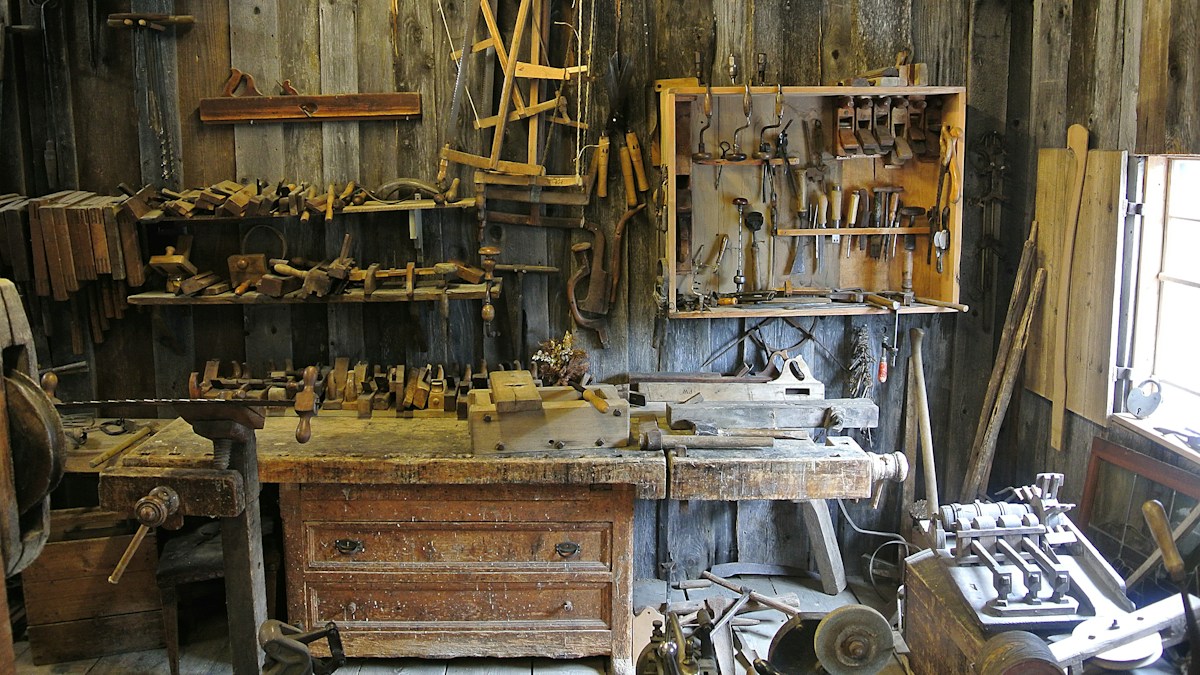
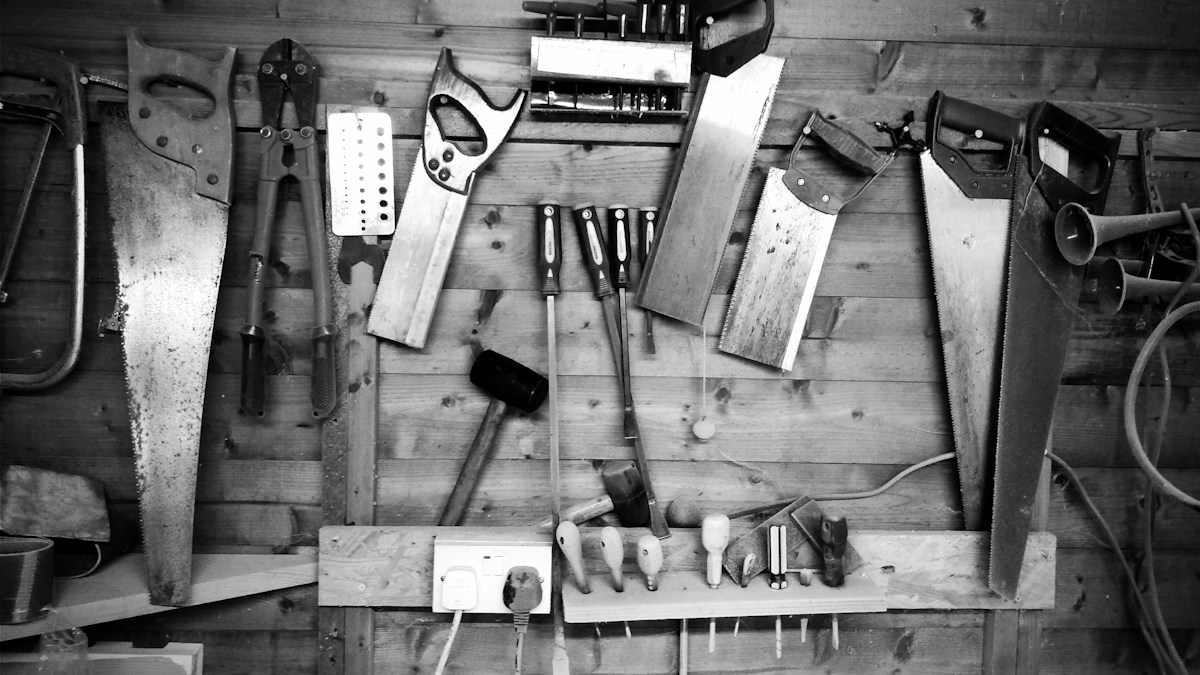
Plans generally demand more layout and cutting capability. A large flat surface, accurate measuring tools, clamps, saws, drills, sanding equipment, and enough room to move around the hull can matter more than beginners expect.
A kit can reduce the cutting burden, but it does not remove the need for a practical workspace. You still need somewhere dry enough for the materials and adhesives you use, enough access to work around the hull, and a plan for getting the completed boat out of the building.
Measure the doorway before you build a boat behind it. That sounds obvious until a project grows for months inside a garage or workshop.
Which route teaches you more?
Plans expose you to more of the full fabrication process. You learn to interpret drawings, select materials, transfer dimensions, make parts, and solve fit problems before assembly.
A kit teaches a narrower but still valuable set of skills. You can focus more on assembly order, bonding, alignment, finishing, sealing, and the relationship between individual components.
Neither route is more authentic. The useful question is what you want to learn. If the goal is to get a first boat completed and onto the water, paying to remove some fabrication work can be sensible. If the fabrication itself is the hobby, a kit may remove exactly the part you wanted to experience.
Which gives you more freedom to customize?
Plans give you more control over sourcing and some cosmetic choices, but that freedom needs restraint. Changing paint, trim, storage details, or nonstructural fittings is very different from altering hull geometry, structural members, weight distribution, flotation, or major dimensions.
A boat is not a bookshelf. Changes can affect stability, handling, load capacity, and structural behavior. For significant changes, follow the designer’s guidance or get qualified professional input rather than improvising.
The U.S. Coast Guard also publishes recreational boat construction and safety information. Its guidance notes that recreational boat builders are responsible for applicable federal safety standards, and its material on backyard built boats specifically highlights flotation and registration issues that home builders can overlook. Requirements differ by boat and jurisdiction, so check the rules that apply where you will register and use the vessel.
Review U.S. Coast Guard boating safety circulars before treating any downloaded plan as the final word on compliance.
Where does My Boat Plans fit?
My Boat Plans is better viewed as a large digital plan library than as a substitute for a physical kit. The current offer promotes access to 518 plans across different boat types, along with construction material and video tutorials. That breadth can be useful when you are still comparing possible projects.
The size of the library is not the main reason to buy it. You only need one suitable plan to build one boat. What matters is whether you can identify a design that matches your skill level, workspace, budget, available materials, and intended use.
Before spending money on materials, inspect the selected plan closely. Confirm the dimensions, construction method, material list, expected tools, and whether the documentation gives you enough detail to complete the build safely. A library containing hundreds of choices does not make every choice appropriate for a beginner.
We cover the offer itself in more detail in our My Boat Plans review.
How should you choose between plans and a kit?
Use the project, not pride, to make the decision.
Choose a boat kit when:
- You want the lowest friction path into a first build.
- You have limited cutting or layout experience.
- You value matched or precut components more than maximum sourcing freedom.
- Your main goal is completing and using the boat.
- You are willing to pay more upfront to reduce fabrication decisions.
Choose boat plans when:
- You already have basic woodworking skills and suitable tools.
- You enjoy measuring, cutting, and sourcing materials.
- You want a wider choice of designs.
- You have access to the materials specified by the plan.
- You want the fabrication process to be part of what you learn.
If you are still unsure, price one realistic plan based build and one realistic kit in the same size class. Include every material, tool, shipping charge, and finishing cost you can identify. Then compare the work each route leaves for you. That exercise usually makes the decision much clearer than comparing sales pages.
What should you verify before starting either build?
Before buying materials, confirm the finished dimensions, weight, intended passenger capacity, construction method, required workspace, tool requirements, material availability, transport plan, and storage plan. Check local registration and identification requirements before construction rather than after the boat is finished.
Also separate the hull project from everything needed to operate the boat. Depending on the design, that can include propulsion, controls, fuel systems, electrical work, rigging, navigation lights, flotation, safety equipment, and a trailer. Those systems can introduce standards and costs that are not obvious when you are looking only at hull plans.
A useful plan reduces uncertainty. It does not transfer responsibility for workmanship, safety, or compliance away from the builder.
Frequently asked questions
Are boat plans enough for a complete beginner?
They can be for a very simple design, but a beginner still needs to understand basic measuring, cutting, fastening, adhesives, finishing, and safe tool use. If those are all new at once, a kit can reduce the number of variables in the first project.
Does a boat kit include everything?
Not necessarily. Kit contents vary by supplier. Check whether the price includes panels, lumber, epoxy, fiberglass, hardware, fittings, finishing products, and shipping. Never budget from the word “kit” alone.
Can I change a boat plan to make the boat larger?
Do not assume you can safely scale or alter a hull. Changes to dimensions, structure, displacement, or weight distribution can change how the boat behaves. Significant modifications should be cleared with the designer or another qualified professional.
Do homemade boats need to be registered?
Rules depend on jurisdiction and vessel type. In the United States, state authorities handle registration and home built boats can have specific identification and documentation requirements. Check the rules where the boat will principally be used before you build.
Is My Boat Plans a physical boat kit?
No. It is marketed as a digital collection of boat plans and supporting instructional material. You still source the physical materials and build the selected design yourself.
The Modern Men HQ standard
A first boat should challenge you enough to teach you something without becoming a monument to unnecessary difficulty.
Choose plans when you want the fabrication work and have the tools to handle it. Choose a kit when completing the boat matters more than proving you can create every component from raw material. Either way, spend more time verifying one realistic project than browsing hundreds of designs you may never build.