Affiliate disclosure: Modern Men HQ may earn a commission if you purchase through links in this article, at no additional cost to you.
Hyperbolic Stretching is a digital flexibility and mobility program created by Adam Kubinyi. The current version is presented as the FlexTense Method and uses short contract relax routines built around a concept the seller describes as working with the body’s protective stretch reflexes.
The current offer is $47 as a one time payment for lifetime access.
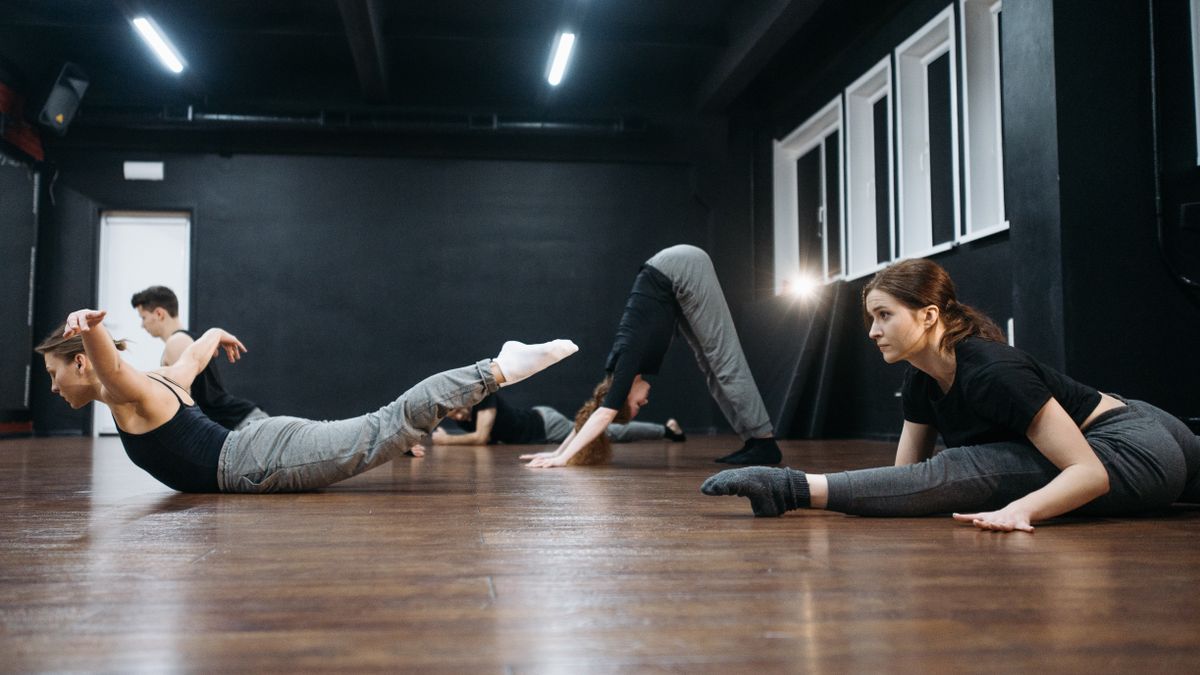
This review looks at what you receive, how the routines are structured, who the program may suit, how the 60 day guarantee works, and what the stretch reflex explanation means in practical terms. Hyperbolic Stretching is a digital training program focused on flexibility and mobility.
The current version is marketed as the FlexTense Method. Adam Kubinyi is listed as the creator. The program is designed for home use and can be accessed on internet connected devices.
It includes targeted flexibility routines, morning and evening mobility flows, upper body work, split focused routines, back bending work, forward folds, and maintenance routines.
How Does the FlexTense Method Work?

The central concept is contract relax stretching. The seller explains this through two reflexes. The stretch reflex refers to the body’s tendency to resist rapid or excessive lengthening of a muscle.
The inverse stretch reflex is used on the sales page to explain why contracting a muscle before relaxing into a stretch may increase range. Contract relax methods are not invented by this program. They are related to techniques used in PNF style flexibility training and other mobility systems.
The useful part is not whether you adopt every piece of the marketing explanation. The useful part is that the routines combine controlled tension and relaxation instead of simply forcing deeper static stretches.
What Is Included?

The current program includes several modules. Morning and Evening Bed Flows These are short routines designed for loosening up at the start of the day or releasing tension later. Hamstrings, Hip Flexors, and Front Splits
This section targets lower body flexibility. It may appeal to martial artists, dancers, athletes, or anyone specifically working toward deeper hip and hamstring range. Lateral Hip Opening and Side Splits This section focuses on side to side hip range.
Again, the range goal is more advanced than what most people need for normal daily function. Palm the Floor and Forward Folds These routines target hamstrings, hips, and forward folding ability. Easy Back Bends
This section addresses spinal extension and related flexibility. Back bending is not necessary for everyone. People with current back pain or certain conditions should be more conservative.
Complete Upper Body Flexibility This section focuses on shoulders and upper body range. Flexibility Maintenance Flows The seller calls these FlexiKeepers.
They are designed to help maintain range after you have built it.
Bonus One: Dynamic Stretching and Athletic Warm Ups
This bonus includes more active movement for sport and exercise preparation. It makes more sense as a warm up option than as a replacement for the main flexibility work. This adds routines that use wall bars when available. The rest of the program can still be understood as a home flexibility system rather than a wall bar dependent course.
The seller also lists support as part of the package. That gives buyers a support channel alongside the training library if they need help with access or the material. The main sales page emphasizes roughly eight minute routines.
That is one of the program’s strongest practical advantages. Eight minutes is easy to attach to an existing workout or morning routine. You can also combine routines when you want more work.
Short sessions do not guarantee faster flexibility gains. They do make consistency easier.
What Does Hyperbolic Stretching Cost?
The current price is $47. The seller presents this as a one time payment for lifetime access. There is no monthly membership fee in the main offer.
Taxes or VAT may apply depending on location.
Does Hyperbolic Stretching Have a Guarantee?
Yes. The current page advertises a 60 day money back guarantee. The seller says buyers can contact support for a refund if they are unhappy with the course during the guarantee period.
How Do You Receive the Program?
The seller says access details are sent by email after purchase. The program is digital. Nothing needs to be shipped.
You can access it through internet connected devices. That makes the product easy to start immediately.
Who Is Hyperbolic Stretching For?
The program may suit people who want more flexibility but do not want to design their own routine. It may also appeal to people who like follow along training. The sales page says it is beginner friendly while also including advanced goals such as front splits, side splits, deeper forward folds, and back bends.
That means the library covers a wider range than most beginners need. You can simply ignore the advanced targets that are not relevant. Do You Need to Learn the Splits?
No. The ability to perform a split is not a requirement for health, mobility, or athletic performance. Some people enjoy the goal.
Dancers and martial artists may have specific reasons to pursue it. Most men simply need enough mobility for training and daily life. Use the program around your goals rather than treating every module as mandatory.
What About the “Nervous System Reset” Language?
The sales page uses this phrase to make the method easier to market. The nervous system does influence muscle tension and range of motion. Contract relax methods can also produce short term increases in flexibility.
That does not mean the nervous system is literally “reset” like a computer. You can use the routine effectively without adopting that phrase as a medical mechanism. The practical method is simpler.
Apply controlled tension. Relax. Move into a comfortable new range.
Repeat consistently.
How Often Should You Stretch?
Frequency depends on the goal and intensity. Gentle mobility work can be done frequently. Harder end range flexibility training may need more recovery.
The seller says maintenance can eventually be done once or twice per week after you have achieved your desired range. For most users, three to five short sessions per week is a practical way to start.
You do not need to force progress every day.
What About Pain?
Pain is not the target. Stretching can create tension and discomfort. Sharp pain, nerve like symptoms, sudden joint pain, or a feeling of instability are different.
Back off. Reduce the range. Choose another variation.
If symptoms persist, get them assessed. Flexibility work should expand useful movement. It should not train you to ignore warning signs.
How Hyperbolic Stretching Fits With Strength Training

Flexibility and strength work well together. A range becomes more useful when you can control it. If you gain hip mobility, train the legs through that range.
If shoulder mobility improves, build strength in the positions you need. That prevents flexibility from becoming an isolated goal. For most men, the ideal plan is not stretching instead of strength.
It is enough mobility to support strength.
Can You Get Similar Routines for Free?
Yes. The internet has thousands of stretching videos. That does not make a paid program useless.
The value is structure. A paid system can save time if you otherwise jump between random videos without knowing what to repeat. You are paying for sequence, organization, progression, and convenience.
If you already have a mobility routine you follow consistently, you may not need another one. If you prefer short guided routines, our Ageless Knees review looks at another compact home program and the claims around it.
Who May Get the Most From It?
- Beginners who want instructions.
- Desk workers who feel stiff after long periods of sitting.
- Recreational athletes who want a short mobility system.
- Men who need a repeatable warm up or evening routine.
- People with a specific flexibility goal.
Who Should Be More Careful?
- People with recent injuries.
- People with unstable joints.
- Anyone with severe back or neck symptoms.
- People with nerve symptoms such as numbness or weakness.
- Anyone recovering from surgery.
If you fall into one of those groups, use professional guidance rather than assuming a general online program fits the condition. The $47 price is a one time payment. Access is lifetime.
The routines are short. The program covers both general mobility and specific flexibility goals. The maintenance section is useful because it acknowledges that you do not need to train maximum flexibility forever.
The 60 day guarantee gives you time to decide whether the teaching style works for you.
What to Keep in Perspective
The marketing is more dramatic than the actual training method. You do not need to “switch off” your body’s defenses. You do not need instant flexibility.
You do not need the splits. What you need is consistent exposure to controlled range of motion without forcing pain. If the program helps you do that, the structure has value.
If you are fitting mobility work around a broader training week, our rest day versus active recovery guide explains how to handle lighter days, while our running shoe replacement guide covers another practical part of maintaining a consistent training routine.
Frequently Asked Questions
What is Hyperbolic Stretching?
It is a digital flexibility and mobility program created by Adam Kubinyi.
What is the FlexTense Method?
It is the current program framework, built around short contract relax routines and targeted flexibility flows.
How much does it cost?
The current offer is $47 as a one time payment.
Is there a subscription?
No. The main offer is currently presented as one time payment with lifetime access.
How long are the routines?
The seller emphasizes routines around eight minutes.
Does it include the splits?
Yes. The program includes front split and side split focused modules, but those goals are optional.
Where Should You Buy Hyperbolic Stretching?
The official sales page is the direct place to see the current $47 lifetime access offer and refund terms. Use the official page to confirm any pricing, access, or refund details that may have changed since this review was checked.
Editorial note: Program modules, creator, current price, one time billing, lifetime access, and guarantee terms were checked against the current official Hyperbolic Stretching page. Claims about nervous system resetting and rapid flexibility gains are treated as seller framing rather than guaranteed outcomes.