A hearing test is not simply a pass or fail. It measures how quietly you can hear different pitches, how your two ears compare, how well you understand speech, and sometimes how the middle ear is functioning.
That matters because hearing loss is rarely one simple number. A man may hear low voices reasonably well but struggle with higher pitched consonants. He may hear tones in a quiet booth but miss words in a restaurant. One ear may be much worse than the other. An audiogram helps turn those complaints into a pattern.
Once you understand the pattern, the chart becomes much less intimidating.
What Is an Audiogram?
An audiogram is a graph of your hearing thresholds. The horizontal axis shows frequency. Frequency is pitch.
Low frequencies sit on the left side of the chart. High frequencies sit on the right. The vertical axis shows hearing level in decibels. The closer a mark is to the top of the chart, the softer the sound you could detect at that frequency.
Marks lower on the chart mean the sound had to be louder before you heard it. That simple idea is the foundation of the entire graph.
What Does “Threshold” Mean?
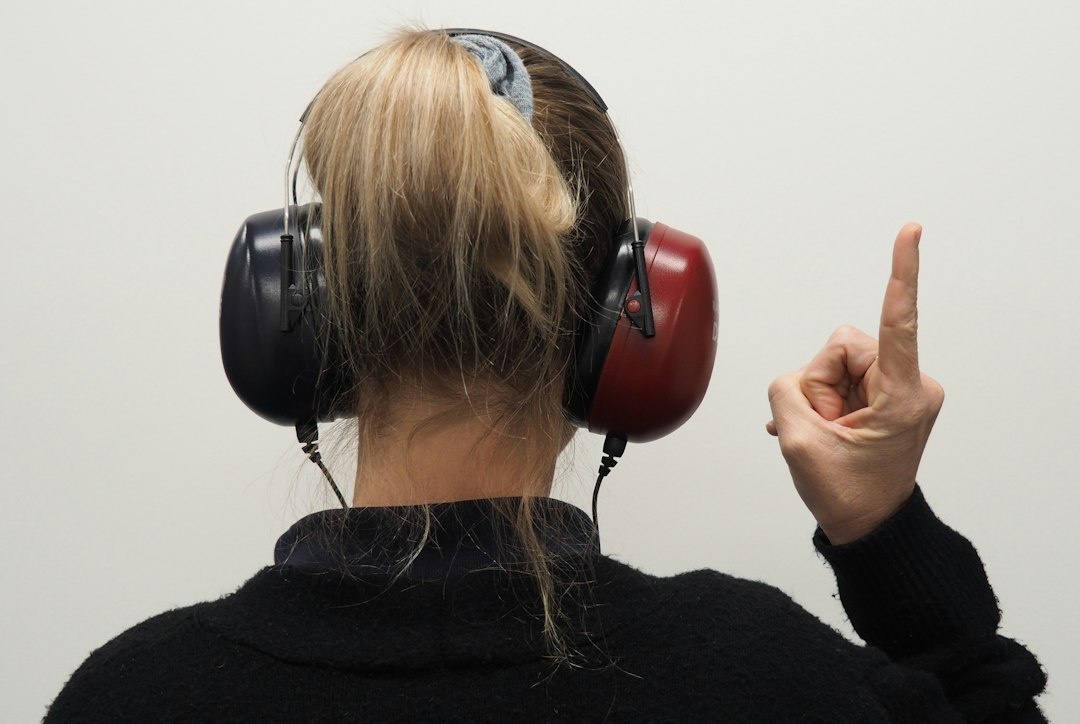
Your hearing threshold is the quietest level at which you can reliably detect a sound. During a standard pure tone test, you listen through headphones or insert earphones. You hear a series of beeps.
Some are high pitched. Some are low pitched. Some are very soft.
You press a button or raise your hand when you hear them. The clinician adjusts the loudness until they find the softest level you can detect consistently. That point becomes your threshold for that frequency.
Why Are Different Frequencies Tested?

Real speech uses a wide range of frequencies. Vowels carry a lot of low and mid frequency energy. Many consonants, including sounds such as “s,” “f,” and “th,” use higher frequencies.
That is one reason a person can say, “I hear people talking, but I cannot understand what they are saying.” The voice is audible. The detail is not.
High frequency hearing loss is especially common with aging and repeated noise exposure.
What Frequencies Matter Most for Speech?
Speech spans a broad range, but the frequencies around 500, 1000, 2000, and 4000 hertz are especially useful when thinking about conversational understanding. Clinicians may calculate a pure tone average from selected frequencies. The National Institute on Deafness and Other Communication Disorders notes that adults with a pure tone average of 25 decibels hearing level or better generally fall within a range associated with normal hearing for speech.
That does not mean every person with a similar average has identical real-world hearing. An average can hide important high frequency loss. That is why the full pattern matters.
What Do the Red and Blue Marks Mean?
Audiograms commonly use different symbols or colors for each ear. Red is often used for the right ear. Blue is often used for the left.
You may see circles, crosses, brackets, arrows, or other symbols depending on the type of test and whether responses were obtained through headphones or bone conduction. Do not worry about memorizing every symbol. The useful question is whether the two ears follow a similar pattern.
A large difference between ears may deserve more attention than a mild, even loss in both ears.
What Is Air Conduction Testing?
Air conduction is the standard headphone or insert-earphone test. Sound travels through the outer ear, middle ear, and inner ear before the auditory system processes it. If the threshold is reduced, air conduction alone does not tell you exactly where the problem is.
That is where bone conduction can help.
What Is Bone Conduction Testing?
Bone conduction uses a small vibrator placed against the skull, often behind the ear. It sends sound vibrations directly toward the inner ear while bypassing much of the outer and middle ear. Comparing air and bone results helps the clinician understand whether the problem may involve sound transmission through the outer or middle ear or whether the hearing loss is more likely sensorineural.
Sensorineural hearing loss involves the inner ear or auditory nerve pathways. Conductive hearing loss involves the outer or middle ear. Some people have a mixed pattern.
What Is an Air Bone Gap?
An air bone gap means the air conduction threshold is poorer than the bone conduction threshold by a meaningful amount. In plain language, the inner ear may be able to respond better than the full ear system is allowing. Possible causes include earwax blockage, middle ear fluid, eardrum problems, or other conductive issues.
The pattern needs to be interpreted alongside the physical ear exam and other tests. Do not diagnose the cause from the graph alone.
What Does Mild, Moderate, or Severe Hearing Loss Mean?
Clinicians use ranges to describe the degree of hearing loss. Exact category boundaries can vary somewhat by organization and clinical context. The useful point is not the label itself.
It is what sounds are likely to become harder to detect. A mild loss can make soft speech and high frequency consonants harder to catch. A moderate loss may make normal conversation difficult without visual cues or amplification.
Severe or profound loss can affect access to much of everyday speech. The impact also depends on which frequencies are affected.
What Is Speech Recognition Testing?
Pure tones tell you whether you can detect simple beeps. Speech testing asks a different question. Can you understand words?
You may be asked to repeat words presented at a comfortable listening level. The clinician records the percentage you identify correctly. This can help reveal situations where pure tone thresholds do not tell the whole story.
Two people with similar audiograms can have different speech-understanding ability.
Why Can Speech Still Be Hard in Noise?
A sound booth is quiet. A restaurant is not. Background noise forces your auditory system to separate speech from competing sound.
That task can become harder with age, hearing loss, and other auditory changes. A person may score reasonably well on speech recognition in quiet and still struggle significantly in noisy rooms. Some clinics use additional speech-in-noise testing when that complaint is important.
This is one reason “my hearing test was fine” may not fully explain a real communication problem.
What Is Tympanometry?
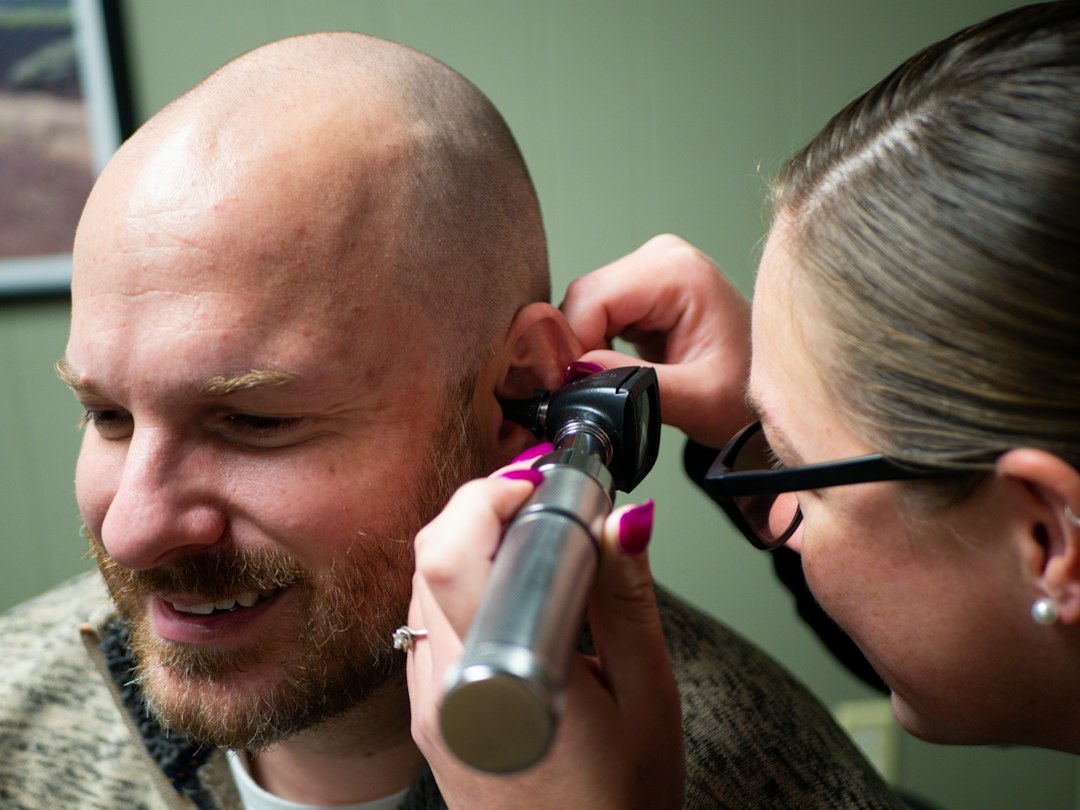
Tympanometry is not a hearing threshold test. It checks how the eardrum and middle ear respond to changes in air pressure. A soft probe sits in the ear canal.
The machine changes pressure and measures movement. This can help identify patterns associated with middle ear fluid, eardrum stiffness, pressure problems, or other mechanical issues. It is often used alongside the audiogram rather than instead of it.
What Are Acoustic Reflexes?
Some hearing evaluations also measure acoustic reflexes. A loud sound can trigger a tiny reflex involving muscles in the middle ear. Testing those responses provides additional information about the auditory pathway.
These results are more technical and are normally interpreted by the hearing professional in the context of the rest of the exam. You do not need to self-interpret every line of the report.
What Does a Sloping Audiogram Mean?
A sloping pattern means thresholds become poorer as frequency increases. This is common in age-related and noise-related hearing loss. On the graph, the marks appear higher on the left and lower on the right.
In real life, that often means low-pitched parts of speech remain audible while high-pitched details become less clear. The common complaint is not “people are too quiet.” It is “people mumble.”
What Is a Noise Notch?
Repeated noise exposure can produce a characteristic dip in sensitivity in part of the higher-frequency range. Clinicians sometimes describe this as a noise notch. The exact pattern varies.
A history of loud work, firearms, concerts, power tools, engines, or repeated headphone exposure helps put the graph in context. The NIDCD notes that repeated or intense noise exposure can permanently damage hearing. The audiogram can show the result, but it cannot give you back the damaged hearing.
That is why prevention matters.
What Does One Sided Hearing Loss Mean?
Asymmetry means one ear is meaningfully different from the other. There are several possible explanations. Some are simple.
Others deserve medical investigation. The important point is that a significant one-sided difference should not automatically be treated as ordinary aging. If your clinician recommends further evaluation, imaging, or an ear, nose, and throat referral, that recommendation is usually based on the pattern rather than one isolated number.
What Is Sudden Hearing Loss?
Sudden sensorineural hearing loss is different from gradual age-related decline. The NIDCD describes sudden hearing loss as a rapid loss of hearing that can happen all at once or over a few days. It is considered a medical emergency.
Do not wait weeks for a routine hearing-aid appointment if one ear suddenly becomes much worse, especially if the change is accompanied by ringing, fullness, or dizziness. Prompt assessment matters.
Can Earwax Change a Hearing Test?
Yes. A significant wax blockage can interfere with sound reaching the eardrum. That can create a conductive component.
This is one reason clinicians inspect the ear before or during a hearing evaluation. Do not aggressively clean the ear canal with cotton swabs. They can push wax deeper and injure the canal or eardrum.
If wax is blocking the canal, proper removal is safer.
Can Headphones Make the Results Worse Temporarily?
Temporary threshold changes can happen after significant noise exposure. For example, after a loud concert or long period around machinery, hearing can feel muffled or ringing may appear. That does not make the exposure harmless.
Repeated temporary changes can accompany damaging sound levels. If you are going for a hearing test because of a chronic concern, avoid unnecessary loud noise beforehand so the test reflects your usual baseline as closely as possible.
What Should You Bring to a Hearing Appointment?
Bring a list of medications. Bring details about noise exposure. Mention military service, shooting, power tools, factory work, music, motorsports, or frequent headphone use.
Describe whether the issue is one ear or both. Mention ringing, dizziness, pressure, pain, drainage, or a history of ear surgery. Also describe the real-world situations where you struggle.
“I cannot follow conversation when three people talk at dinner” is more useful than simply saying, “My hearing is bad.”
What Questions Should You Ask After the Test?
Ask where your hearing is reduced. Ask whether the two ears are symmetrical. Ask whether the pattern appears conductive, sensorineural, or mixed.
Ask how your speech scores compare with your pure tone results. Ask whether you need medical follow-up. Ask whether hearing aids, communication strategies, monitoring, or hearing protection are appropriate.
Most importantly, ask what the results mean for your day-to-day life. A graph is useful. A plan is better.
Does Every Hearing Loss Need a Hearing Aid?
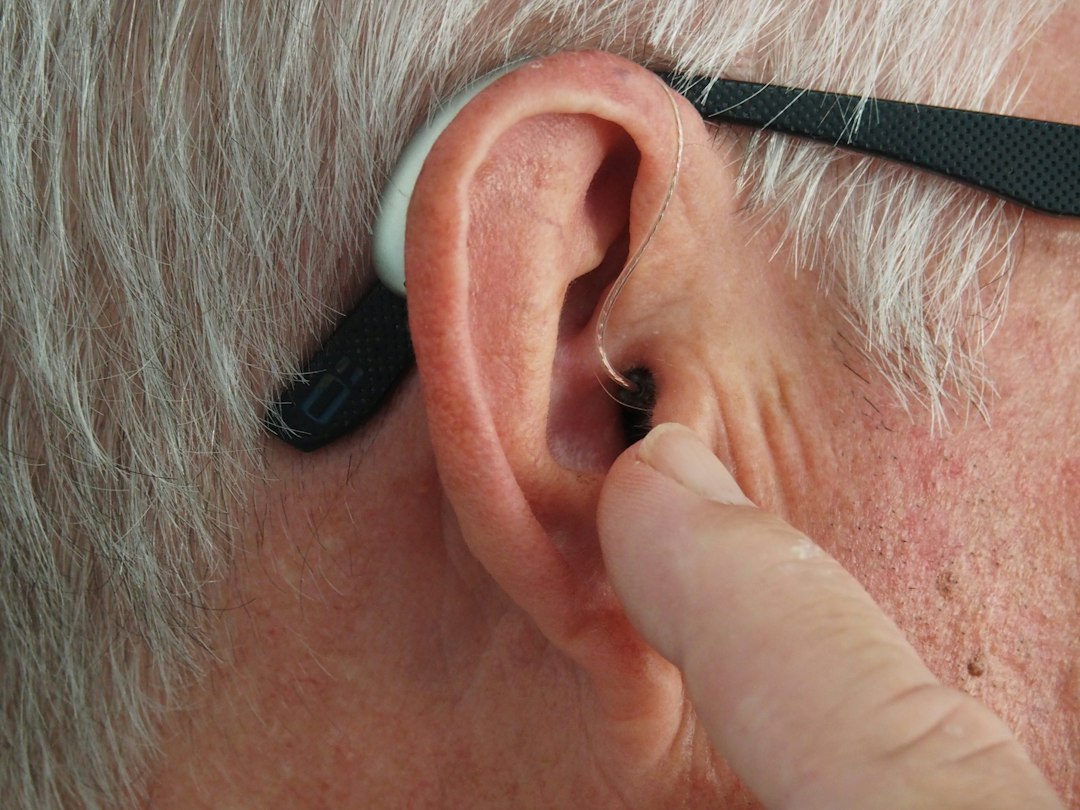
No. The decision depends on the degree and pattern of hearing loss, communication needs, speech understanding, lifestyle, and personal preference. A mild high frequency loss may be managed differently from a moderate bilateral loss that affects every conversation.
Some people benefit from hearing aids earlier than they expected. Others may need monitoring or treatment of a conductive issue first. The audiogram helps define the problem.
It does not make the decision by itself.
Can Supplements Improve an Audiogram?
If you are comparing hearing supplements, our SonoVive review shows why marketing around tinnitus and hearing improvement needs a much higher evidence bar.
Do not assume so. A supplement may be marketed around circulation, antioxidants, nerves, inflammation, or general ear health. That does not mean it has been shown to reverse measurable sensorineural hearing loss.
If a product claims to restore hearing, repair the auditory nerve, or replace hearing aids, treat that as a high-bar claim. A proper hearing test gives you a baseline. Use that baseline to judge actual change rather than relying on vague impressions.
How Often Should Men Get Their Hearing Checked?
There is no single schedule that fits everyone. Someone with occupational noise exposure, known hearing loss, significant tinnitus, or hearing aids may need regular follow-up. Someone with no symptoms and low exposure may need less frequent testing.
The practical trigger is change. If conversations are becoming harder, the television keeps getting louder, family members notice a problem, or one ear feels different, get tested instead of waiting for the problem to become severe.
Frequently Asked Questions
Does a hearing test hurt?
No. Standard hearing tests are noninvasive. You listen to sounds, repeat words, and may have middle-ear measurements performed with a small probe.
Can I fake a hearing test by guessing?
Clinicians use repeated patterns and consistency checks. Guessing randomly usually produces inconsistent results. The goal is not to “score well.” It is to measure what you actually hear.
Why do I hear beeps but still miss conversation?
Pure tones are simple sounds in a quiet setting. Real speech includes rapid detail, competing noise, accents, distance, and multiple speakers. Speech testing and your real-life history help fill that gap.
What is a normal hearing threshold?
Thresholds near the top of the audiogram generally represent better sensitivity. NIDCD notes that adults with a pure tone average of 25 dB HL or less are generally within a range associated with normal hearing for speech.
Why is one ear worse than the other?
There are many possible causes. A meaningful asymmetry deserves proper interpretation rather than assuming it is normal aging.
Should tinnitus automatically mean hearing loss?
No, but tinnitus often occurs alongside hearing loss or noise exposure. Persistent, one-sided, pulsatile, or suddenly changed tinnitus deserves evaluation.
The Bottom Line
An audiogram is a map of hearing sensitivity across different pitches. It tells you how soft a sound you can detect, how the ears compare, and where the pattern changes. Speech testing adds another layer by showing how well you understand words.
Middle-ear tests help clarify whether the problem may involve sound transmission. The useful outcome is not memorizing the symbols. It is understanding what your pattern means in real life.
If you hear people but miss words, struggle in noise, notice one ear changing, or keep turning the volume up, get tested. And if hearing drops suddenly, treat that differently from slow aging. That is not a “watch and wait” situation.
Sources
NIDCD: What the Numbers Mean: An Epidemiological Perspective on Hearing
https://www.nidcd.nih.gov/health/statistics/what-numbers-mean-epidemiological-perspective-hearing
NIDCD: Noise-Induced Hearing Loss
https://www.nidcd.nih.gov/health/noise-induced-hearing-loss
NIDCD: Sudden Deafness