Thinning hair is easier to manage once you stop trying to make it look like hair you no longer have.
It helps to compare real cut shapes before committing. Our men’s hairstyles gallery gives you a broader set of lengths and outlines to discuss with a barber.
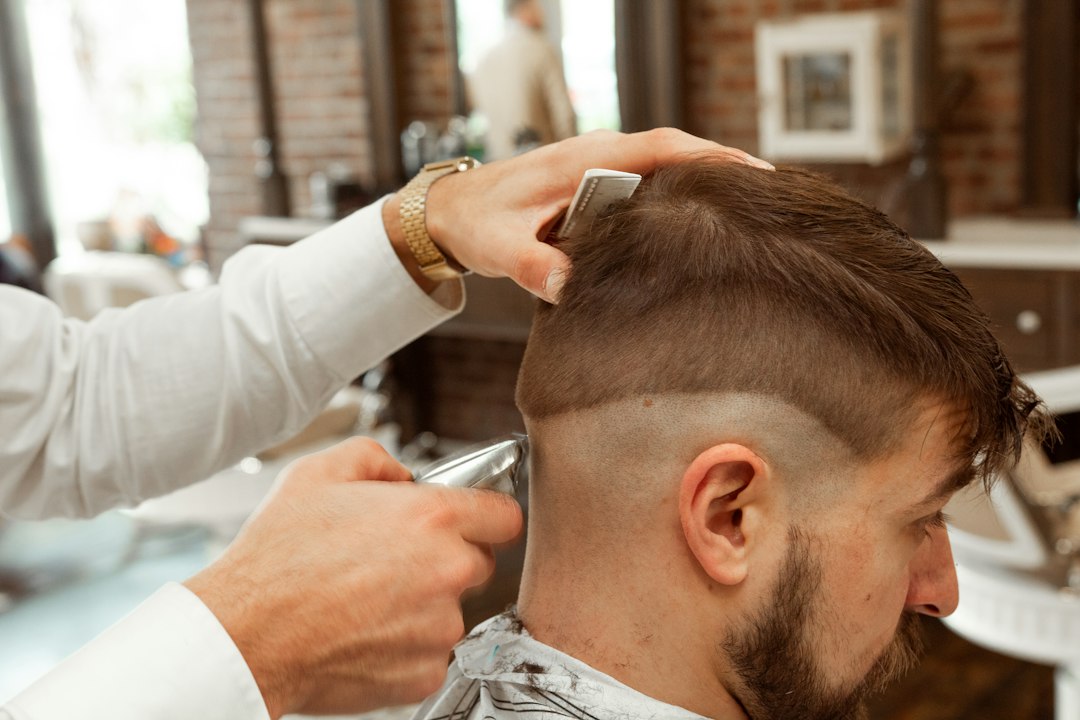
The usual instinct is to grow it longer, push it across the scalp, and add more product. That can work for a photograph taken from one angle. In real life, it often creates visible separation, shine, and movement that make thinning easier to notice. A better approach is simpler. Use the right length. Reduce contrast. Build texture. Keep the hair light enough to move naturally. Then choose a style that looks intentional from every angle.
None of this grows new hair. It changes how the hair you already have sits, reflects light, and frames the face.
Why Does Thinning Hair Sometimes Look Worse When It Gets Longer?
Longer hair separates more easily. When individual strands clump together, the scalp between them becomes easier to see. Long hair also moves more, so a style that looks dense in the mirror may split apart outside in wind, heat, or humidity. Length can help when thinning is mild and the hair still has good density around the front. But once the crown or hairline becomes noticeably sparse, extra length often creates more contrast than coverage.
This is why shorter cuts usually become easier to manage as thinning progresses.
What Haircut Makes Thinning Hair Look Fuller?
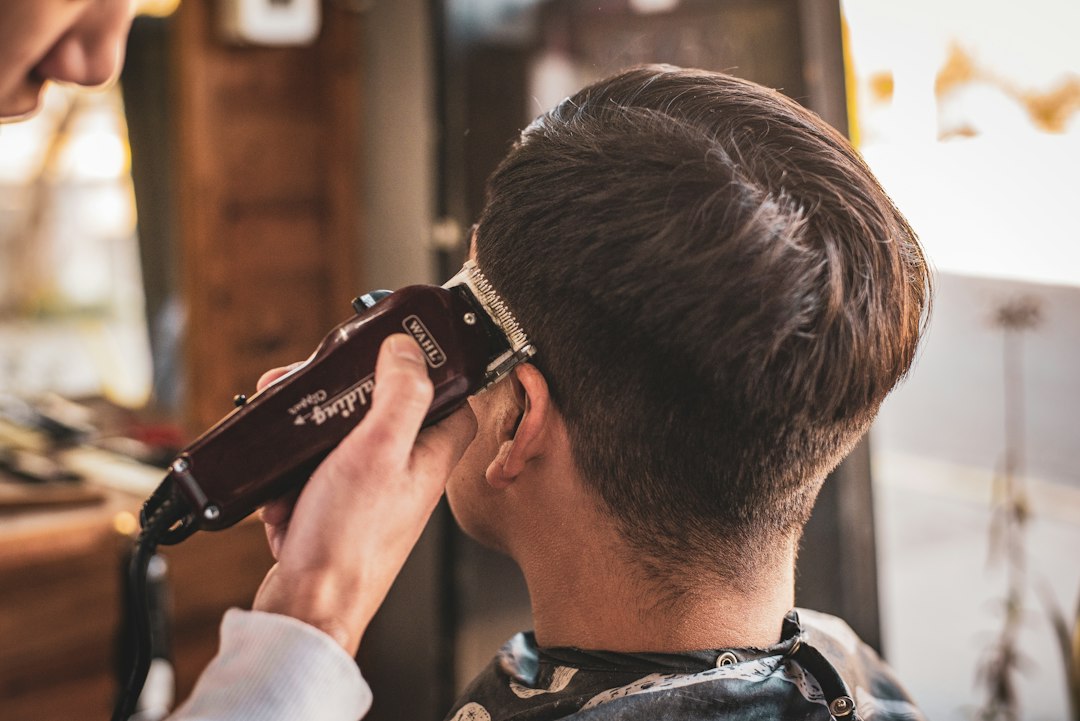
The best haircut usually creates a compact shape. That means keeping enough length for texture while removing the extra hair that falls flat or separates into strings. For many men, that puts the useful range somewhere between a close crop and a short textured cut. The exact length depends on where the thinning is happening.
A barber should be able to see the scalp pattern before deciding how much to remove. Ask for a cut that works with the density you have rather than one designed around a photograph of someone with much thicker hair.
Should You Go Short If Your Hair Is Thinning?
Usually, yes. Shorter hair reduces the visual difference between dense and thin areas. It also keeps individual strands from collapsing under their own weight. That does not mean you need to shave your head immediately.
A short crop, textured top, crew cut, or short side part can all work depending on the hairline and crown. The useful question is not whether short hair is universally better. It is whether your current length makes the thin areas more obvious when the hair moves.
How Short Is Too Short?
Very short hair can make scalp visibility more uniform, which some men prefer. The tradeoff is that there is less hair available to create texture. If your thinning is mostly at the crown, a slightly longer textured top may give more control than a near buzz cut. If the thinning is advanced across the entire top, going shorter can make the whole shape look cleaner.
Try the middle ground first if you are unsure. You can always take more off.
What About a Receding Hairline?
Do not build the whole haircut around hiding the corners. Long fringe pulled straight forward can work when the recession is mild. Once the temples move back further, heavy fringe can start looking like deliberate concealment. A shorter textured front often looks more natural.
You can direct the hair slightly forward or diagonally rather than creating a straight curtain over the forehead. The goal is to soften the line, not pretend it is somewhere else.
What About Thinning at the Crown?
The crown is where overly long hair often causes the most trouble. Hair grows in a spiral there. When the strands become thinner, longer hair can split around the natural whorl and expose a clear circle of scalp. Keeping the crown relatively short reduces that separation.
Use a small amount of matte product and work with the natural direction of growth. Do not comb hair across the crown from one side. The movement will eventually reveal the pattern.
Should the Sides Be Shorter?
Usually. Full sides next to a thinner top can make the contrast stronger. A taper or fade can reduce visual weight around the temples and ears, making the top look more proportional.
You do not need an extreme skin fade. The purpose is balance. Ask the barber to keep the overall silhouette clean rather than leaving dense sides that make the thinner top appear flatter.
Texture Is More Useful Than Height
Trying to make thinning hair stand very tall can expose the scalp. Texture works differently. It breaks the hair into small, irregular sections so the eye does not see one flat sheet with obvious gaps. A textured crop is useful because it does not need perfect placement.
The hair can move and still look intentional. That makes texture especially valuable for men who do not want to keep checking a mirror throughout the day.
Use Matte Products, Not Wet Shine
Shiny products increase contrast. Gel, heavy pomade, and wet look creams make strands stick together. They also reflect light, which can make the scalp easier to see. Matte paste, clay, light fiber, or texturizing powder usually creates a fuller appearance.
Use less than you think. The purpose is to create separation and control without turning several fine strands into one shiny section.
How Much Product Should You Use?
Start with a pea sized amount for short hair. Warm it fully between the palms and fingers before touching the hair. Apply from the back and sides first, then use what remains on the front and thinning areas. This prevents one heavy patch from forming where you first touch the hair.
Add more only after you see the result. Fine hair is easy to overload.
Should You Apply Product to Wet Hair?
Usually not if fullness is the goal. Wet hair groups together and lies flatter. Towel dry gently, then allow the hair to become mostly dry before adding matte styling product.
If you use a blow dryer, direct the hair into the general shape you want before product goes in. That creates volume with air rather than relying on wax or paste to hold everything up.
Can a Blow Dryer Make Thinning Hair Look Fuller?
Yes. A blow dryer can lift the roots and keep fine strands from lying flat against the scalp. Use moderate heat rather than the hottest setting.
Move the dryer instead of holding it in one place. Use your fingers or a vented brush to guide the hair opposite the direction it naturally collapses, then settle it into the final shape. The result should look natural, not inflated.
Does Hair Powder Help?
Texturizing powder can work well on fine hair. It creates grip at the roots without adding much shine. Use a small amount. Too much powder can leave hair stiff, dry, or dusty.
It is a styling tool, not a treatment. If the scalp becomes irritated, stop using it and simplify the routine.
What About Hair Fibers?
Hair fibers can reduce visible scalp by attaching to existing strands and darkening the gaps between them. They work best when there is still hair for the fibers to hold onto. They are less convincing on completely bare areas.
If you use them, match the color carefully and use less than the maximum amount. The goal is to soften contrast, not paint a new hairline. Treat fibers as an optional cosmetic tool rather than something you need every day.
Should You Change Your Shampoo?
Shampoo will not turn fine hair into thick hair. But product buildup can make hair heavier and flatter. Use a shampoo that keeps the scalp clean without leaving the hair coated or irritated.
If you use clay, powder, fibers, or other styling products frequently, make sure they are being washed out properly. Hair that is clean and light is easier to style for volume.
Do Volumizing Shampoos Work?
They can change how hair feels and sits temporarily. Some formulas leave less conditioning residue or coat the strand in a way that makes it feel thicker. That can improve appearance for a day.
It is not the same as increasing the number of hairs on your scalp. Judge a shampoo by whether the hair becomes easier to style, not by promises of reversing hair loss.
Should You Use Conditioner?
Yes if your hair needs it, but use it strategically. Heavy conditioner applied directly to short fine roots can flatten the hair. Focus on the lengths and use a lighter formula.
If your hair is very short, you may need only a small amount. The right conditioner should make the hair easier to handle without leaving it greasy.
Color Contrast Matters More Than Most Men Realize
Hair looks thinner when there is strong contrast between the hair and scalp. That is one reason a very dark, wet style can make a light scalp stand out. Matte texture reduces that contrast because light reflects less evenly.
A shorter cut also helps by making the entire top look more consistent. You do not need to dye your hair simply to reduce contrast, but understanding the effect helps you choose better styling products.
Should You Dye Thinning Hair?
You can, but be careful. Color can change contrast and make grey strands appear denser against some skin tones. Frequent chemical processing can also dry or damage hair.
If you want color, keep the result natural and avoid using dye as a substitute for a haircut that already works. A good cut should still look presentable when the color fades.
Can Grey Hair Actually Help?
Sometimes. Grey hair can have a different texture and can reduce the visual contrast between the hair and scalp for some men. It can also make a short textured haircut look intentional rather than something you are trying to disguise.
There is no rule that says thinning plus grey hair has to be hidden. Often the cleaner choice is to own both.
How Often Should You Get a Haircut?
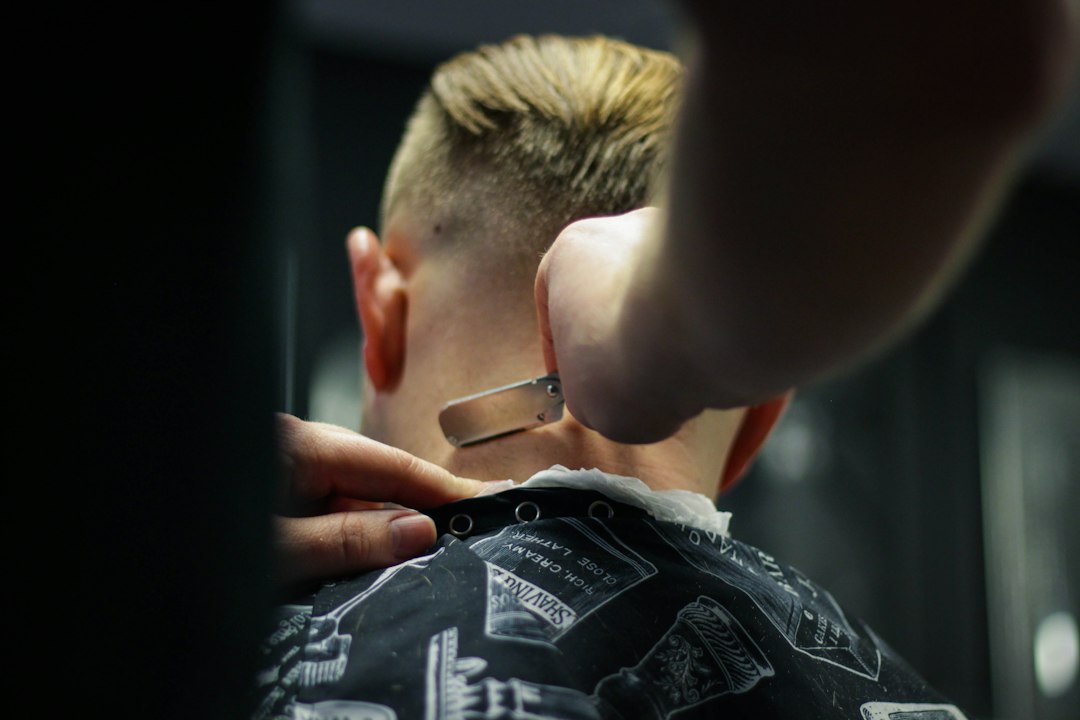
More often than you did when the style was long. Short cuts lose their shape faster. For many men, every three to five weeks keeps the sides controlled and the top from becoming heavy.
The exact schedule depends on how quickly your hair grows and how sharp you want the cut to stay. The useful signal is when the dense areas start becoming bulky enough to make the thin areas look more obvious.
What Should You Tell Your Barber?
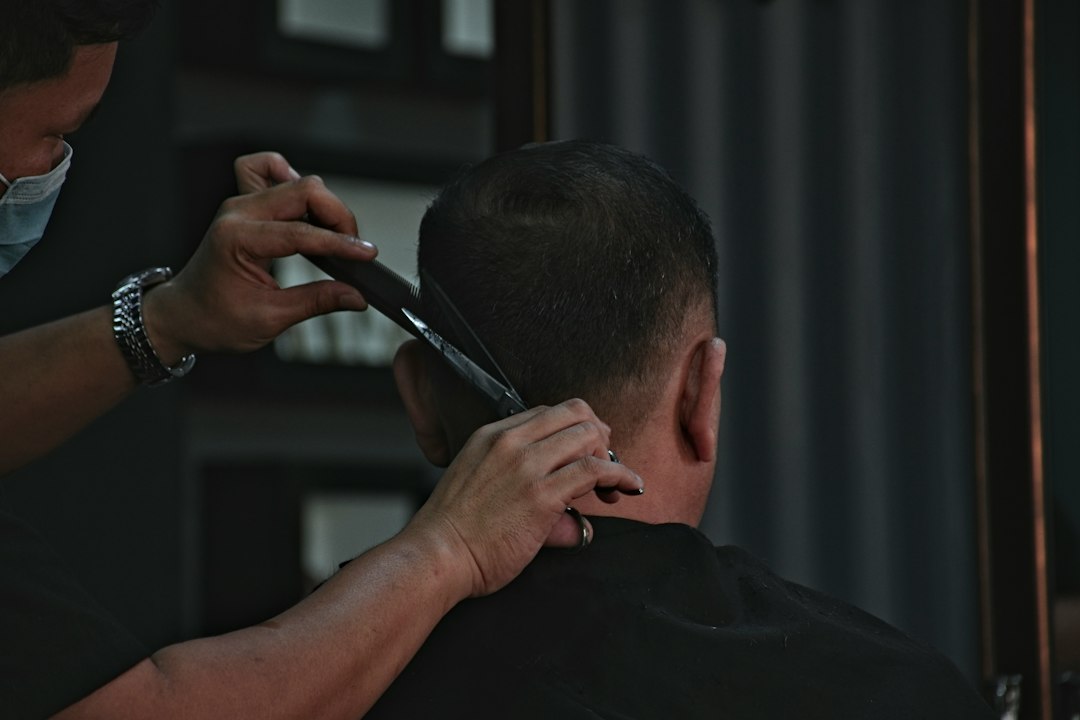
Tell the truth. Say where you notice thinning and what annoys you about the current cut. Ask which length reduces separation at the crown or front.
Tell the barber how much time you are willing to spend styling each morning. A good haircut should work with your routine. If you do not want to blow dry and style for ten minutes every day, say that before the cut starts.
Avoid the Combover Problem
A combover is not defined by a side part. It becomes a problem when long hair from a dense area is stretched across a sparse area it cannot naturally cover. That creates a style that depends on staying perfectly still.
Choose a cut that can survive movement. If wind exposes the entire strategy, the strategy is too fragile.
Do Hats Make Hair Loss Worse?
Ordinary hat use does not cause male pattern hair loss. A hat can still affect how a style sits by flattening it. If you wear one often, choose a haircut that looks acceptable after the hat comes off rather than building a high volume style that collapses immediately.
Keep hats clean if they are worn during sweaty work or training.
When Styling Is Not Enough
The American Academy of Dermatology outlines treatment options for male pattern hair loss.
Styling is useful for appearance. It does not diagnose why hair is thinning. Male pattern hair loss is common and usually develops gradually. The American Academy of Dermatology notes that established treatment options exist and that earlier treatment can help some men preserve more hair.
Sudden shedding is different. Patchy loss is different. Scarring, pain, major scalp inflammation, or a rapid change deserves assessment.
If you are worried about the pattern, a dermatologist can tell you what you are actually dealing with.
What Treatments Have Better Evidence for Male Pattern Hair Loss?
If you are also comparing supplements, our HairFortin review explains the product without treating it as baldness therapy.
Topical minoxidil and prescription finasteride are established options for appropriate men with androgenetic alopecia. They have different benefits, side effects, and requirements. That decision is separate from styling.
You can use a better haircut today while also talking with a qualified professional about whether treatment makes sense. Do not let a cosmetic improvement stop you from getting a diagnosis if the hair loss pattern concerns you.
A Simple Morning Routine for Thinning Hair
Start with clean or refreshed hair. Towel dry gently. Use a blow dryer on moderate heat if you need lift. Guide the hair into shape with your fingers rather than forcing a hard part.
Apply a small amount of matte product from the back forward. Use fingertips to create irregular texture at the top. Check the crown from more than one angle.
Then stop. The best style is one you can leave alone once you walk out the door.
What Does “Not Hiding It” Actually Mean?
It means choosing a haircut that acknowledges the real hairline and density. You can still use every reasonable styling advantage available. Shorter sides are an advantage.
Matte texture is an advantage. A blow dryer is an advantage. Hair fibers can be an advantage.
The difference is whether the final result looks like a deliberate haircut or a construction designed to collapse the moment the hair moves. Confidence comes more easily when the style does not need constant protection.
Frequently Asked Questions
Does cutting thinning hair make it grow back thicker?
No. Cutting changes the visible length and shape of the hair. It does not change the number of follicles or reverse male pattern hair loss.
Is a buzz cut always best for thinning hair?
No. It is one option. Men with enough density for texture may prefer a short crop or crew cut. The best choice depends on the hairline, crown, face shape, and how much styling you want to do.
Can matte clay make hair look thicker?
It can make fine hair look fuller by adding grip and reducing shine. Use a small amount because heavy product can flatten the hair.
Are hair fibers obvious?
They can look natural when there is existing hair to attach to and the color is matched carefully. Too much product or use on completely bare areas is more noticeable.
Should I grow my hair longer to cover thinning?
Sometimes mild thinning can tolerate extra length, but longer hair often separates and exposes the scalp. If your style only works from one angle, shorter may look better.
When should I see a dermatologist?
Consider assessment if hair loss is sudden, patchy, painful, scarring, rapidly worsening, or if you want to understand whether you have male pattern hair loss and what treatment options are appropriate.
The Bottom Line
You do not need to pretend thinning hair is not happening. You need a haircut that makes the remaining hair behave better. Keep dense areas from becoming bulky. Use enough length for texture but not so much that strands separate into obvious sections. Choose matte products. Use air and direction before adding more product. Make the crown and hairline part of the haircut rather than problems the haircut is desperately trying to hide.
That usually looks better because it looks intentional.
Sources
American Academy of Dermatology: What is male pattern hair loss, and can it be treated?
https://www.aad.org/public/diseases/hair-loss/treatment/male-pattern-hair-loss-treatment
American Academy of Dermatology: Hair styling without damage
https://www.aad.org/public/diseases/hair-loss/hair-care/styling