A night guard, retainer, and sleep appliance can all look like pieces of clear plastic that sit over your teeth.
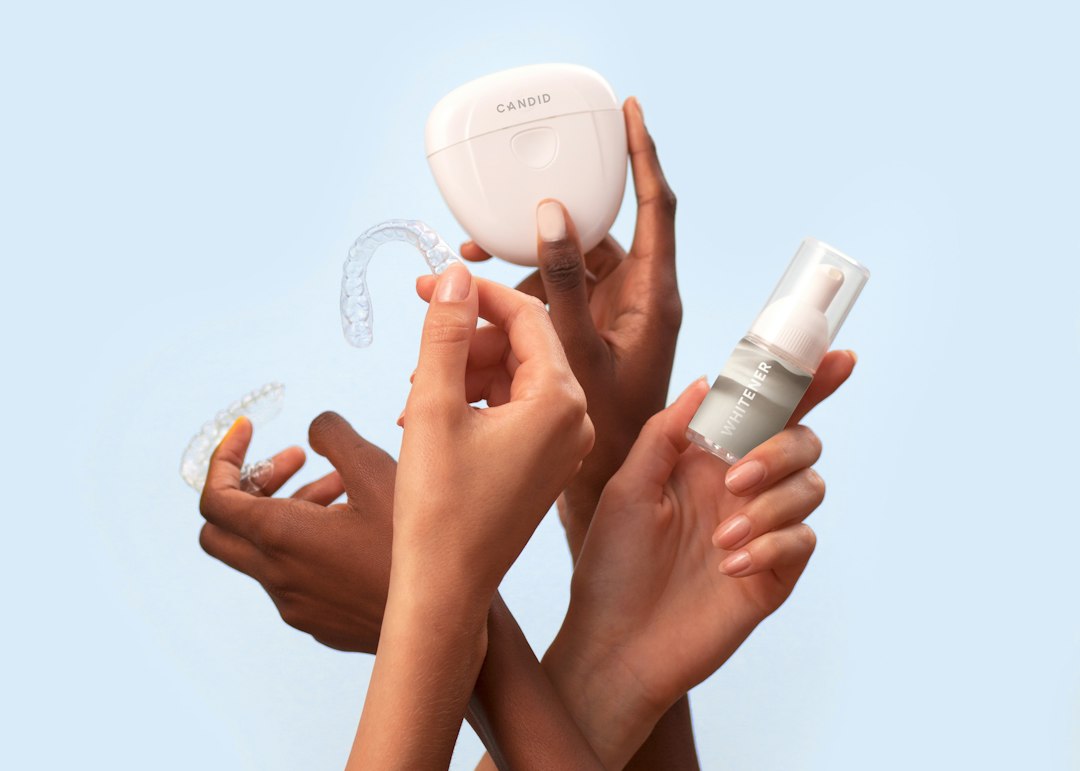
That is where the similarity ends.
Each device is built around a different job. A night guard is usually designed to protect teeth from grinding or clenching. A retainer is designed to hold teeth in position after orthodontic treatment. A mandibular advancement device is designed to change the position of the lower jaw during sleep for certain cases of obstructive sleep apnea or snoring.
Using the wrong device for the wrong problem can mean poor protection, a changed bite, damaged dental work, or untreated sleep problems.
The useful question is not, “Which one looks more comfortable?”
It is, “What problem is this device supposed to solve?”
What Is a Night Guard?
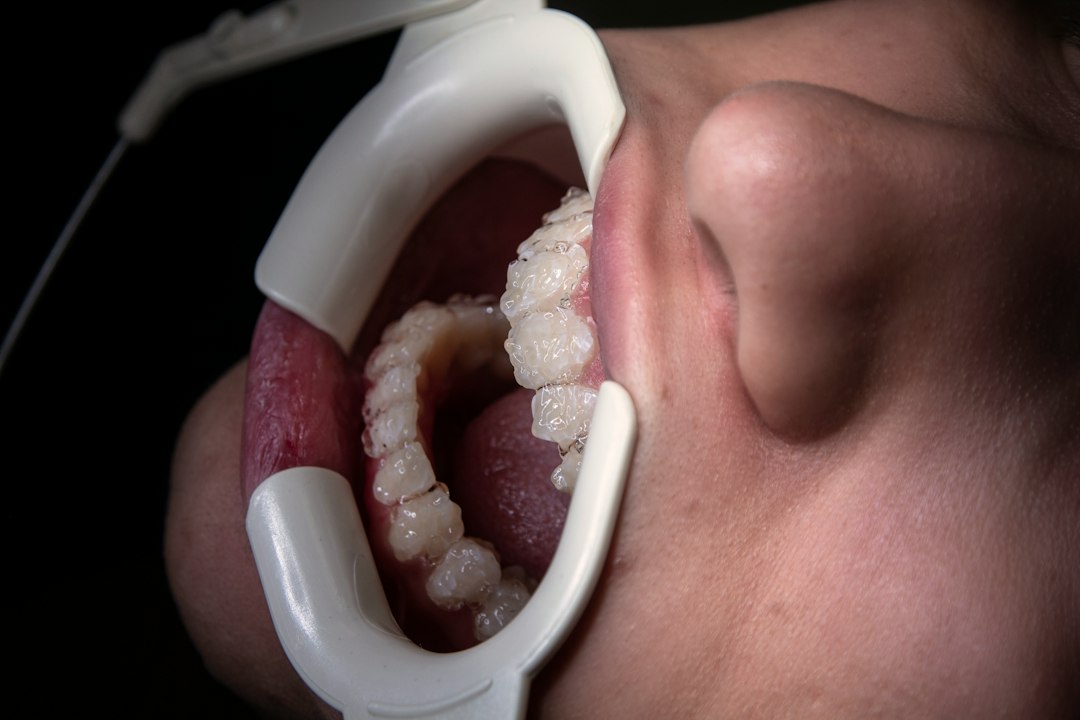
A night guard is a protective dental appliance worn while you sleep.
Its main purpose is to create a physical barrier between the upper and lower teeth. For people who grind or clench, that can reduce direct tooth-to-tooth wear.
Dentists may call these occlusal guards, bite splints, or bruxism guards depending on the design and purpose.
They are not all identical.
Some cover the upper teeth. Others cover the lower teeth. Some are hard acrylic. Others use softer or layered materials. The design depends on the bite, dental work, symptoms, and what the dentist is trying to protect.
A guard does not necessarily stop grinding.
Its job is often protection rather than elimination of the behavior.
What Problems Can Grinding Cause?
Repeated grinding or clenching can contribute to flattened tooth surfaces, chipped teeth, cracked restorations, sensitivity, and muscle soreness.
Some men notice that their jaw feels tired in the morning. Others discover the problem because a dentist sees wear patterns.
Not every worn tooth means active nighttime grinding.
Acid erosion, old dental work, bite relationships, and daytime clenching can also affect the teeth.
That is one reason a proper exam matters before assuming a mouthguard is the answer.
Can You Buy a Night Guard Over the Counter?
Yes.
Pharmacies and online stores sell stock guards and boil-and-bite guards.
They can be inexpensive and convenient.
The tradeoff is fit.
A poorly fitting guard may feel bulky, fall out, create pressure points, or encourage you to clench differently. If it changes how your teeth meet after you remove it, that deserves attention.
An over-the-counter guard can make sense as a short-term option for some people, but repeated symptoms, damaged teeth, major dental work, or jaw pain are better reasons to get a professional assessment.
What Is a Retainer?
A retainer is an orthodontic device.
Its job is to keep teeth from drifting after braces or aligner treatment.
Teeth have a tendency to move. The surrounding bone and soft tissue also need time to adapt after orthodontic treatment.
That is why retainers matter even after the active treatment is finished.
A removable clear retainer may look very similar to a thin night guard.
That does not make it interchangeable.
Retainers are built to hold tooth position. Their thickness, stiffness, coverage, and fit are selected for retention.
Can a Retainer Work as a Night Guard?
Sometimes a retainer may tolerate light contact.
That does not mean it is designed for heavy grinding.
Thin clear retainers can wear through or crack under repeated bruxism. If a man grinds heavily after orthodontic treatment, the dentist or orthodontist may need to design a solution that protects the teeth while still maintaining the orthodontic result.
Do not simply stop wearing a prescribed retainer because you want to use a generic night guard.
Teeth can move.
If you need both retention and grinding protection, ask how those two goals should be handled together.
Can a Night Guard Replace a Retainer?
Usually not.
A night guard may cover the teeth, but coverage is not the same as precise retention.
A device that was not designed to maintain orthodontic tooth position may allow movement over time.
If you previously had braces or aligners, the correct retainer schedule should come from the orthodontic plan.
Protection and retention are separate jobs.
What Is an Oral Appliance for Sleep Apnea?
In sleep medicine, “oral appliance” often refers to a mandibular advancement device.
This type of appliance holds the lower jaw in a more forward position during sleep.
For selected people with obstructive sleep apnea, that can help keep the airway more open.
This is not the same thing as a basic anti-grinding guard.
A sleep apnea appliance changes jaw position for a specific therapeutic reason. It normally requires professional fitting and follow-up.
The American Academy of Sleep Medicine recognizes oral appliance therapy as an option for some people with obstructive sleep apnea, particularly when prescribed and managed appropriately.
Can a Night Guard Treat Sleep Apnea?
No.
A conventional night guard is not a treatment for obstructive sleep apnea.
It may protect teeth from grinding, including grinding that occurs in someone who also has sleep apnea, but it does not automatically improve the airway.
This distinction matters because untreated sleep apnea is more than a snoring problem.
If you snore heavily, stop breathing during sleep, wake gasping, have significant daytime sleepiness, or have been told you may have sleep apnea, get properly assessed.
A generic mouthpiece should not become a substitute for diagnosis.
Can an Oral Appliance Change Your Bite?
Any appliance that affects how the teeth or jaw sit deserves proper monitoring.
A mandibular advancement device intentionally changes lower-jaw position during sleep. Over time, some users can notice bite changes, tooth movement, jaw discomfort, salivation changes, or dry mouth.
That does not mean the therapy is wrong.
It means treatment needs follow-up.
If a device is being marketed around changing your bite, facial structure, jaw angle, or vertical dimension, the threshold for professional guidance should be even higher.
What About Devices Marketed for Jawline or Facial Structure?
This is where the language becomes much less standardized.
Some products are sold as facial-development devices, jaw trainers, posture appliances, or nighttime alignment tools.
The marketing may discuss jaw angle, palate shape, facial width, posture, breathing, tooth wear, or even anti-aging effects.
Those claims need to be separated from the basic facts about the product.
A piece of silicone or plastic can absolutely change where the teeth and jaw are positioned while you wear it.
That does not automatically prove that it can safely reshape the adult face, correct a bite, reverse aging, or improve neurological health.
Adults considering a device that intentionally changes how the teeth meet should be especially cautious if they already have crowns, implants, bridges, braces, gum disease, jaw pain, or a history of bite problems.
What Is a Sports Mouthguard?
A sports mouthguard is another category.
Its job is impact protection.
It is designed to absorb and distribute force during contact or collision.
That makes it different from a night guard even if both cover the teeth.
The American Dental Association recommends mouthguards for activities with a meaningful risk of dental injury.
A sports mouthguard may be stock, boil-and-bite, or custom made.
Custom fit generally gives the dentist more control over fit, retention, and coverage.
Do not use a sports mouthguard as your default sleep appliance unless a dental professional specifically tells you it is appropriate.
The design priorities are different.
Which Device Protects Dental Work?
That depends on the dental work and the reason for protection.
Crowns, veneers, implants, and bridges can all affect the design of a guard.
A custom night guard may be useful when a dentist is trying to protect restorations from clenching or grinding.
But the wrong fit can put pressure on the very dental work you are trying to protect.
This is especially important with implant-supported restorations because implants do not have the same periodontal ligament response as natural teeth.
If you have expensive restorative work, guessing with a generic device is not the place to save money.
How Should a Dental Appliance Fit?
A properly fitted device should feel secure without feeling painfully tight.
It should not rock, fall out easily, cut the gums, or require aggressive biting to keep it in place.
You should also pay attention to how your bite feels in the morning.
A temporary feeling of awareness can happen with some devices, but a persistent change in how the teeth meet deserves evaluation.
Comfort is not the only standard.
A device can feel comfortable while still applying unwanted pressure.
How Do You Clean a Night Guard or Retainer?
Rinse the appliance after use.
Brush it gently according to the manufacturer’s or dental professional’s instructions.
Avoid very hot water unless the material specifically allows it, because heat can distort some appliances.
Let it dry before storing it in a ventilated case.
Clean the case too.
Do not assume toothpaste is always the right cleaner. Abrasive toothpaste can scratch some clear plastics and make them cloudier.
Use the cleaning method recommended for the material you actually have.
How Long Do These Devices Last?
There is no single lifespan.
A heavy grinder can wear through a guard much faster than someone who only clenches occasionally.
Clear retainers can also crack, loosen, or distort over time.
Sleep-apnea appliances require ongoing checks because the device, the teeth, and the bite can all change.
Inspect any appliance regularly.
If it is split, warped, rough, loose, or visibly worn through, do not keep using it indefinitely because it still technically fits in your mouth.
Night Guard vs Retainer vs Sleep Appliance
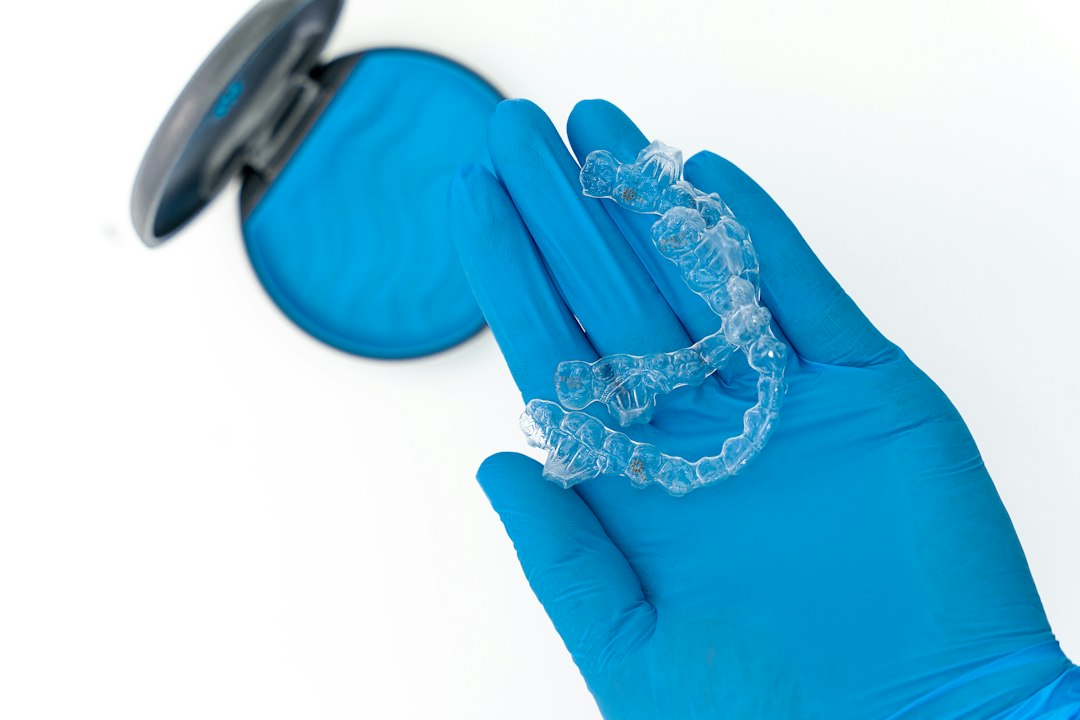
Think of the distinction this way.
A night guard protects.
A retainer holds.
A mandibular advancement device repositions.
A sports mouthguard absorbs impact.
Some custom designs may combine functions, but that should be intentional rather than assumed.
The fact that two devices look similar does not make them substitutes.
When Should You See a Dentist?

See a dentist if you have visible tooth wear, chipped teeth, recurring broken restorations, jaw pain, morning muscle soreness, or a bite that feels different.
Also get advice before using a new device if you have active gum disease, major dental work, implants, braces, or unexplained tooth mobility.
If the concern is snoring or possible sleep apnea, involve a sleep-qualified clinician rather than treating it only as a dental-grinding problem.
The device should follow the diagnosis.
The diagnosis should not be invented to justify the device.
What About a Device You Bought Online?
Start by asking what it is actually designed to do. For a specific direct-to-consumer appliance example, our REVIV review covers pricing, fit, sizing, and the claims that need more caution.
Read the instructions and return policy.
Look for contraindications.
Check whether it is intended to protect teeth, hold teeth, move the jaw, or do something else entirely.
If the marketing jumps from simple mechanics to claims about reversing facial aging, fixing neurological problems, changing adult bone structure, or curing sleep problems, separate the physical device from the sales story.
You can evaluate the former without accepting the latter.
Frequently Asked Questions
Can I wear a retainer and night guard at the same time?
Usually not as two separate overlapping devices unless a dentist or orthodontist specifically designs the plan that way. If you need both retention and grinding protection, ask for a solution built around both goals.
Is a night guard supposed to be tight?
It should be secure but not painfully tight. Persistent pressure, tooth soreness, gum irritation, or a changed bite deserves assessment.
Can a mouthguard stop snoring?
A conventional mouthguard is not the same as a mandibular advancement device. Some professionally fitted oral appliances can help selected people with snoring or obstructive sleep apnea, but that is a different treatment category.
Do retainers prevent grinding?
Retainers are designed to maintain tooth position. They are not automatically durable enough to manage significant bruxism.
Can an oral appliance change my jawline?
A device can change jaw position while it is being worn. Claims about permanently changing adult facial structure or jaw shape require much stronger evidence and professional evaluation.
Should I use an over-the-counter guard before seeing a dentist?
For mild, temporary protection it may be reasonable for some people. If you have significant wear, pain, dental work, bite changes, or possible sleep apnea, professional assessment is more important than finding the cheapest appliance.
The Bottom Line
- Night guard: protects against grinding and clenching damage
- Retainer: preserves orthodontic tooth position
- Mandibular advancement device: changes jaw position for selected sleep related breathing problems
- Sports mouthguard: protects against impact
Night guards, retainers, and oral appliances should not be grouped together simply because they sit over the teeth.
A night guard protects against grinding damage.
A retainer preserves orthodontic position.
A mandibular advancement device changes jaw position for selected sleep-related breathing problems.
A sports mouthguard protects against impact.
The right device starts with the right problem.
If the appliance is being used to change your bite, move your jaw, protect major dental work, or address a sleep disorder, proper fitting and follow-up matter far more than the marketing around the device.
Sources
American Dental Association: Mouthguards
https://www.ada.org/resources/ada-library/oral-health-topics/athletic-mouth-protectors-mouthguards
American Association of Orthodontists: Retainers
https://aaoinfo.org/whats-trending/retainers/
American Academy of Sleep Medicine: Oral Appliance Therapy