Most men will spend more time choosing shoes than taking care of the feet inside them.
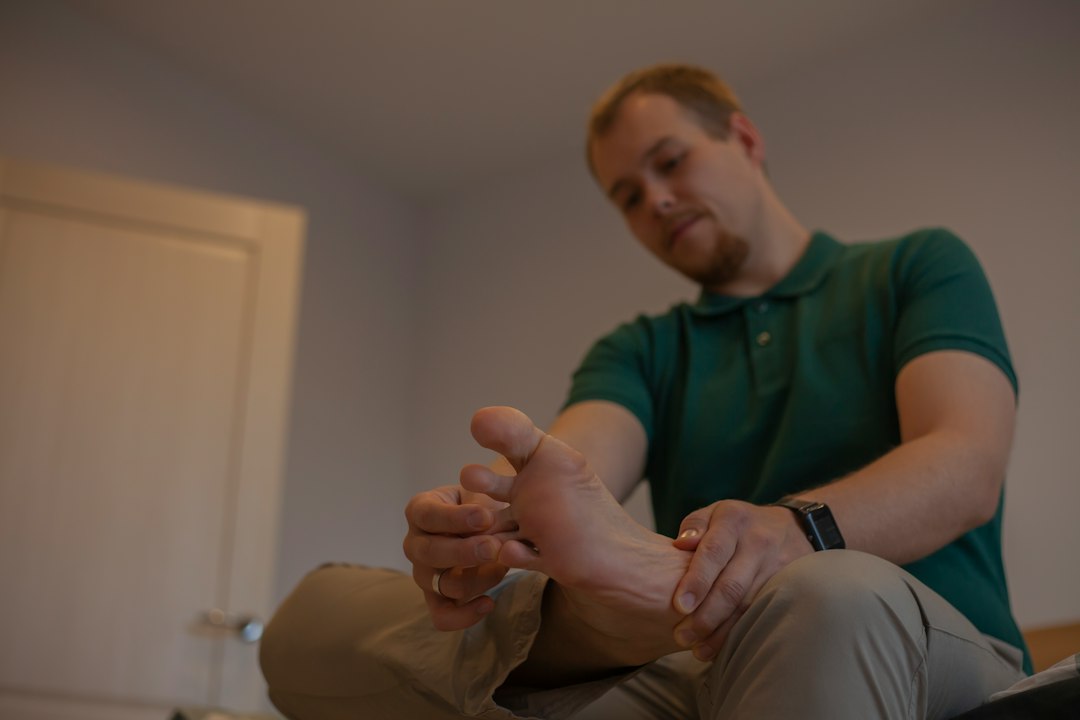
That works until the skin starts cracking, nails get rough, calluses build up, shoes begin to smell, or a small irritation turns into something that makes walking uncomfortable.
Foot care does not need to become a spa ritual. A practical routine is mostly maintenance: wash properly, dry thoroughly, control moisture, trim nails correctly, manage rough skin, and pay attention when something changes.
The goal is not perfect feet. It is keeping them comfortable, clean, and easy to live with.
Why Men’s Foot Care Matters
Your feet deal with pressure, sweat, friction, tight footwear, hard floors, long workdays, workouts, and thousands of steps.
They also spend a large part of the day inside a warm enclosed environment.
That combination explains why common problems tend to repeat.
Dry heels can crack. Moisture between the toes can encourage fungal growth. Poorly trimmed nails can dig into surrounding skin. Thick calluses can become uncomfortable. Shoes that do not fit well can create blisters, corns, or nail trauma.
A simple routine reduces the amount of catching up you need to do later.
The Daily Foot Care Routine
Most of the work happens in a few minutes.
Wash Your Feet Properly
Letting shower water run over your feet is better than nothing, but it is not the same as deliberately washing them.
Use mild soap and clean around the toes, soles, heels, and spaces between the toes.
You do not need aggressive scrubbing every day.
The goal is to remove sweat, dirt, and residue without stripping the skin.
Dry Between the Toes
This is one of the easiest habits to skip.
After washing, dry the entire foot, especially between the toes.
Those narrow spaces hold moisture longer than the rest of the foot.
Leaving them damp inside socks creates the kind of warm environment that can make fungal problems easier to develop.
Moisturize the Dry Areas
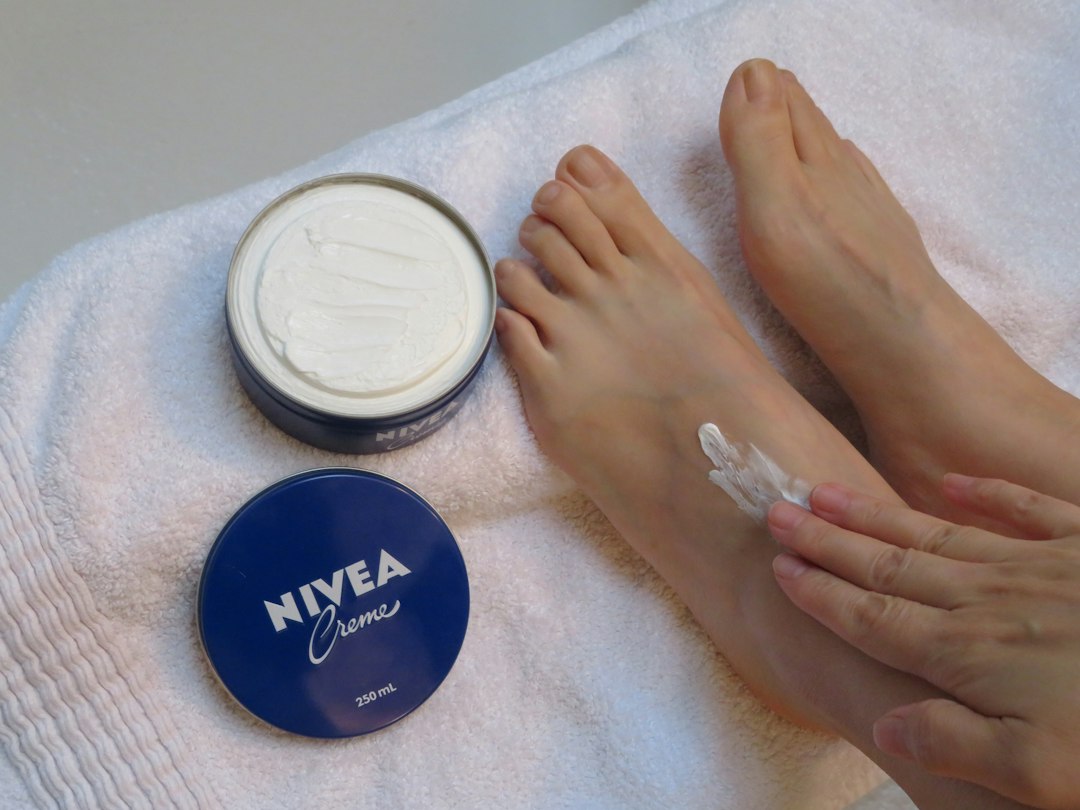
If your heels or soles get rough, use a plain moisturizer after drying.
Focus on dry skin rather than packing moisturizer between the toes.
Creams containing ingredients such as urea can be useful for thicker dry skin because they help soften hardened areas.
Start simple. You usually do not need a complicated formula.
Change Socks When They Are Damp
If you train, work in heat, or simply sweat heavily, one pair of socks may not be enough for the whole day.
Change damp socks rather than letting your feet stay wet for hours.
Breathable footwear and moisture managing socks can help, but the best material depends on the activity.
For workouts, synthetic performance fabrics often manage moisture better than thick cotton.
At home or in casual settings, comfort and dryness matter more than chasing one perfect fabric.
Rotate Your Shoes
Wearing the same enclosed pair every day gives the inside of the shoe less time to dry.
If possible, rotate between pairs.
Take insoles out when they are very damp and let the shoes air out before wearing them again.
This is particularly useful with work boots and training shoes.
How to Trim Toenails Correctly
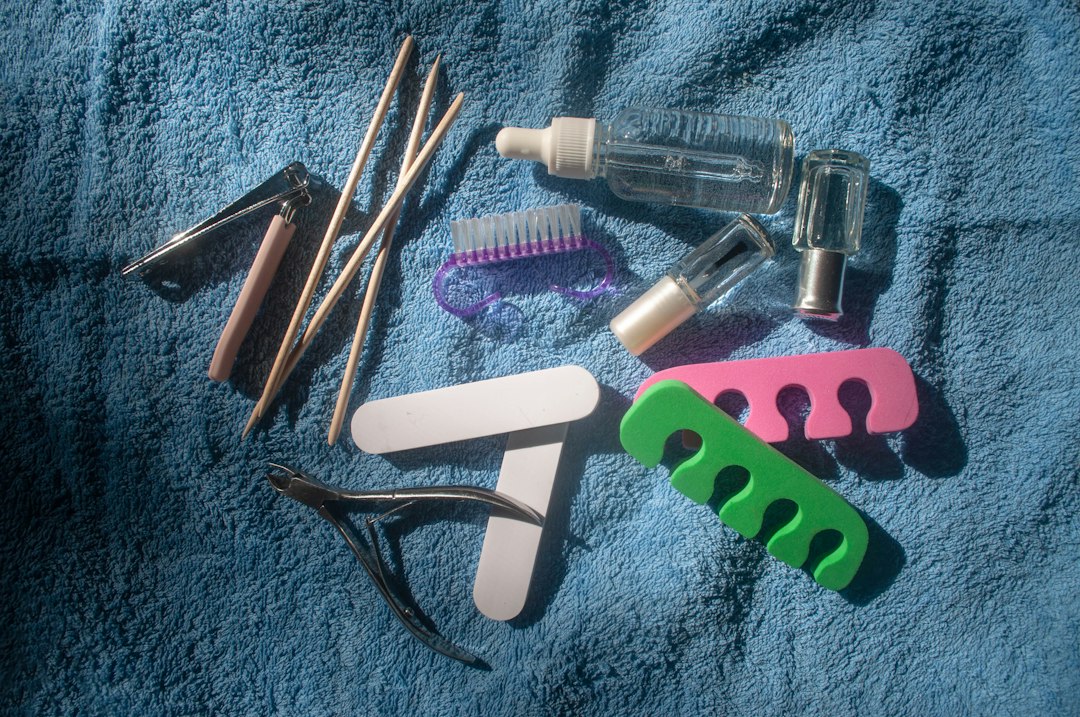
Toenails should generally be trimmed straight across rather than deeply rounded into the corners.
Cutting too far down the sides can make the surrounding skin more likely to overlap the nail edge.
Use clean clippers, trim after the nail has softened slightly from bathing if that makes cutting easier, and avoid cutting the nail painfully short.
If a nail is unusually thick, distorted, painful, or difficult to cut safely, forcing the clippers through it is not a good strategy.
A podiatrist can help when nail care becomes difficult.
What to Do About Calluses
Calluses are the skin’s response to repeated pressure or friction.
A small callus is not automatically a problem.
Trouble starts when the skin becomes very thick, cracks, hurts, or changes the way you walk.
After bathing, you can gently use a pumice stone or foot file on thick dry areas.
The word gently matters.
You are not sanding a piece of wood.
Remove a small amount of hardened skin, moisturize afterward, and repeat gradually rather than trying to erase the whole callus in one session.
Never use blades or sharp tools to cut a callus off at home.
How to Deal With Foot Odor
Foot odor usually comes from sweat interacting with bacteria on the skin and inside footwear.
The fix is often less dramatic than the problem feels.
Wash daily. Dry well. Change damp socks. Rotate shoes. Let footwear dry completely. Clean or replace insoles when necessary.
A foot powder or antiperspirant may help men who sweat heavily.
If strong odor persists despite good hygiene, especially with itching, peeling, cracking, or rash, consider whether there may be a skin condition instead of simply adding more fragrance.
Athlete’s Foot: What to Watch For
Athlete’s foot is a fungal skin infection that often affects the spaces between the toes.
Common signs can include itching, scaling, peeling, redness, or cracking.
Over the counter antifungal products are available, but persistent, severe, or recurrent symptoms deserve proper assessment.
Do not assume every dry patch is fungal.
Eczema, irritation, psoriasis, and other skin conditions can look similar.
If the skin is breaking down or you are not sure what you are dealing with, a clinician can help identify the cause.
What About Toenail Fungus?
Thick, yellow, crumbly, or distorted nails can be caused by fungal infection, but appearance alone does not prove the diagnosis.
Trauma and other nail conditions can look similar.
That is why persistent nail changes are worth evaluating before you spend months treating the wrong thing.
True nail fungus often takes a long time to treat because the nail grows slowly.
Cosmetic oils and serums may improve how dry surrounding skin looks, but that is different from treating a fungal infection inside the nail.
How to Prevent Blisters
Blisters are usually about friction plus moisture.
Shoes that slide at the heel, squeeze the toes, or rub one spot repeatedly create the conditions.
Start with fit.
Your toes should have enough room to move, your heel should feel secure, and the shoe should not create a hot spot during normal walking.
New boots or training shoes may need gradual break in time.
For long walks or hikes, dry socks and familiar footwear are more important than wearing something impressive.
If you notice a hot spot developing, deal with it early rather than waiting until the skin has already blistered.
How to Choose Shoes That Are Better for Your Feet
There is no universal best shoe.
A good shoe fits the job and your foot.
For daily walking, look for enough toe room, secure heel fit, comfortable cushioning, and a shape that does not force the foot into an unnatural position.
For lifting, many men prefer a more stable sole.
For running, comfort and fit matter more than chasing one shoe category because another person swears by it.
Replace shoes when the upper, sole, or internal structure is visibly worn enough that comfort or support has changed.
The Weekly Foot Care Check
- Cracked heels
- Peeling or irritation between the toes
- Thickening calluses
- Nail color or shape changes
- Blisters, cuts, or shoe pressure marks
Once a week, look at your feet instead of waiting for discomfort.
Check the heels for cracks.
Look between the toes for peeling or irritation.
Notice whether calluses are getting thicker.
Check nails for color or shape changes.
Look for blisters, cuts, or pressure marks from shoes.
This takes less than a minute.
It is particularly important for men with diabetes or reduced sensation in their feet because small injuries may be easier to miss and can become more serious.
When Foot Problems Need Professional Attention
See a healthcare professional when you have persistent pain, swelling, spreading redness, drainage, an open sore that is not healing, significant numbness, or a nail problem that keeps getting worse.
Men with diabetes, circulation problems, neuropathy, or immune system conditions should be especially careful about self treating cuts, calluses, and infections.
A foot problem does not become more masculine because you ignored it longer.
Fixing a small issue early is usually easier.
The Simple Foot Care Kit
You do not need a cabinet full of products.
A practical setup can be very small.
Keep clean nail clippers, a basic foot file or pumice stone, moisturizer, clean socks, and whatever antifungal or antiperspirant product you specifically need.
That is enough for most routine maintenance.
The routine matters more than the brand on the bottle.
Common Foot Care Mistakes Men Make
The first is cutting nails too short.
The second is using the same damp footwear every day.
The third is attacking calluses aggressively instead of reducing them gradually.
The fourth is putting fragrance over odor without addressing moisture.
The fifth is assuming every rough or discolored nail is fungus.
And the sixth is waiting until pain affects walking before paying attention.
Frequently Asked Questions
How often should men wash their feet?
Daily is reasonable for most men, and after heavy sweating or training when needed.
Should you moisturize between your toes?
Usually no. Keep the spaces between the toes clean and dry unless a clinician has given you a specific treatment plan.
How often should toenails be trimmed?
There is no fixed schedule. Trim them when they extend enough to catch, press into shoes, or become uncomfortable.
Are calluses bad?
Not automatically. They are a response to pressure. Thick, painful, cracked, or recurring calluses may need attention and a look at the footwear or movement causing them.
Why do my feet smell even after showering?
Sweat can remain inside socks and shoes. Washing helps, but so do thorough drying, changing socks, rotating shoes, and cleaning insoles.
Can I cut off a callus?
Do not cut calluses with blades at home. Gentle filing is safer. Men with diabetes or poor circulation should be especially cautious and may need professional foot care.
The Bottom Line
Good foot care is boring in the best possible way.
Wash. Dry. Moisturize the dry areas. Keep nails tidy. Manage moisture. Wear shoes that actually fit. Check small problems before they become large ones.
Five minutes of maintenance will do more for your feet than waiting until you need a rescue routine.
Sources reviewed for this article: American Academy of Dermatology guidance on athlete’s foot and nail fungus; CDC guidance on diabetes related foot care.