A useful evening routine is not a second job. To connect it to better sleep timing, see how much sleep men need.
You do not need a two hour sequence of journaling, stretching, reading, supplements, skin care, cold showers, meditation, and productivity rituals before you are allowed to sleep.
The point is simpler.
Close the loops that would otherwise steal time and attention tomorrow.
A good evening routine reduces friction.
It makes the morning easier to start.
Think of it as resetting the room, the schedule, and your head.
Start by Ending the Workday on Purpose
Working until you happen to stop creates mental residue.
You close the laptop but keep replaying unfinished tasks.
Use a deliberate shutdown.
Take five minutes.
Write down what you completed.
Capture anything unfinished.
Identify the first task for tomorrow.
Check whether there is a deadline or meeting you are forgetting.
Then stop.
You are telling your brain that the work has a place to resume.
It no longer needs to keep everything active in memory overnight.
Pick Tomorrow’s First Important Task
Do not wake up and decide from scratch.
Choose the first meaningful task the night before.
Make it specific.
The task should be obvious enough that you can begin without planning again.
This is one of the highest return parts of an evening routine.
It converts tomorrow morning from decision time into execution time.
Check the Calendar Once
Look at tomorrow.
Meetings.
Calls.
Travel.
Appointments.
Deadlines.
Training.
Family responsibilities.
Anything that changes when you need to wake, leave, eat, or prepare.
Do not repeatedly check the calendar all night.
One review is enough.

If something needs preparation, handle it now.
A document for a meeting.
An address.
Gym clothes.
A lunch.
The item you need to return.
Morning stress often comes from information you could have dealt with the night before.
Turn Tomorrow’s Calendar Into One Action Tonight
Checking tomorrow’s appointments is useful only when it changes what you prepare. If the first meeting starts earlier than usual, set out the clothes, documents and work materials you will need. If you have a gym session or an early trip, put the necessary items where you will see them. Reading the calendar twice without acting on it is another form of busywork.
When several people share a home, check the responsibilities that overlap. An appointment on a family calendar can still be missed if no one knows who is driving or whether a child needs to bring something. Assign the next action while everybody still has time to adjust. A shared calendar display is one possible tool, but the habit of confirming responsibility matters more than the hardware.
Keep the preparation realistic. You are not trying to solve all of tomorrow’s problems at night. Choose the first important item, prepare what can be prepared in a few minutes, and leave the rest for the proper workday. That reduces the number of small decisions waiting for you when you wake up.
Set Out What You Need
Physical preparation is underrated.
Put keys in the same place.
Charge the phone outside the bed if possible.
Set out clothes when the morning is busy.
Pack the work bag.
Fill the water bottle.
Put training shoes where you will see them.
Prepare breakfast ingredients if needed.
None of these actions is impressive.
That is why they work.
You are reducing decisions when energy and time may be lower.
Reset One Room
Do not clean the entire house every night.
Choose the room that affects your morning most.
For many people, that is the kitchen.
Clear the sink.
Wipe the counter.
Put obvious items away.
Prepare the coffee maker if you use one.
A clean kitchen makes breakfast and leaving the house easier.
For someone working from home, the office may matter more.
Close tabs.
Clear cups.
Put notes into the task system.
Return the desk to a usable state.
Use a Ten Minute Reset Timer
A timer stops small chores expanding.
Set ten minutes.
Put things back where they belong.
Handle obvious clutter.
Stop when the timer ends.
This prevents the evening reset becoming a full cleaning project.
You are not trying to achieve showroom perfection.
You are restoring basic order.
A little order tonight creates less visual noise tomorrow.
Decide What You Are Not Doing Tonight
Evenings disappear through open ended entertainment.
One episode becomes four.
A quick scroll becomes an hour.
One game becomes midnight.
The solution does not have to be total restriction.
Set an endpoint.
For example:
One episode.
Thirty minutes of gaming.
Read until 10:30.

Phone on charge at 11.
A boundary works better when decided before you are tired.
At 11:45, the version of you holding the phone is not the best person to negotiate tomorrow’s energy.
Move Caffeine Earlier
If sleep is inconsistent, look at late caffeine.
Coffee, energy drinks, pre workout, tea, and some sodas can all contribute.
Caffeine can remain active for hours.
You do not need a universal cutoff time.
Move the final dose earlier enough that sleep onset and sleep quality are not being undermined.
If you suspect caffeine is affecting you, test an earlier cutoff for a week.
That is more useful than arguing about whether you are “the kind of person” who can drink coffee at night.
Dim the Stimulation, Not Just the Lights
A dark room does not help much if your mind is still in a heated work chat.
Evening wind down is partly about content.
Avoid using the last 20 minutes before bed to solve an argument, check financial news, or start a complicated project unless it truly cannot wait.
Choose lower intensity activities.
Shower.
Prepare clothes.
Read.
Talk.
Listen to calm audio.
Do light mobility.
The exact ritual matters less than reducing the level of stimulation.
Keep the Phone Away From the Pillow
You do not need to throw your smartphone into another building.
Create distance.
Charge it across the room.
Use a normal alarm clock if bedside phone use is a problem.
Turn off nonessential notifications.
Use Do Not Disturb.
The goal is making unconscious checking less convenient.
If the phone is in your hand when the lights go out, you are relying on willpower at the time of day when it is weakest.
Change the environment instead.
Prepare for Sleep, Not Perfect Sleep
Sleep routines help create consistency.
They do not guarantee that you fall asleep immediately.
Go to bed at a reasonably consistent time.
Keep the room cool and dark when possible.
Make the bed comfortable.
Reduce disruptive noise.
If you cannot sleep, do not turn the night into a performance test.
The obsession with perfect sleep can create its own stress.
Build good conditions.
Let sleep happen.
What About Supplements?
A basic evening routine does not require supplements.
Some people use magnesium, melatonin, or other products.
Those tools have specific contexts and are not necessary for everyone.
Melatonin is not a general sedative that automatically improves every sleep problem.
Persistent insomnia, loud snoring, gasping during sleep, or severe daytime sleepiness deserve a more careful look than adding another bedtime product.
Start with schedule, light, caffeine, environment, and sleep opportunity.
Use a Three Minute Brain Dump
If thoughts keep arriving at bedtime, write them down.

Do not solve them.
Capture them.
Things to do.
Things to ask.
Things you are worried you will forget.
Then close the notebook.
This is not a deep journaling exercise unless you want it to be.
It is storage.
Your brain is more willing to release an open loop when it trusts that the information has been saved somewhere.
Make Morning Decisions at Night
A surprising number of morning delays are just decisions.
What should I wear?
What should I eat?
Should I train?
What do I need to bring?
What am I working on first?
Decide the predictable ones in advance.
You do not need to schedule every minute.
Remove the obvious friction.
That leaves more attention for things that actually require judgment.
The 30 Minute Evening Routine
You can fit the whole system into half an hour.
Minutes 0 to 5: Work shutdown and tomorrow’s first task.
Minutes 5 to 10: Calendar and bag check.
Minutes 10 to 20: Kitchen or room reset.
Minutes 20 to 25: Hygiene and clothes preparation.
Minutes 25 to 30: Phone away, quiet reading or breathing.
Then go to bed around the time you intended.
The exact order can change.
The principle stays the same.
Close today.
Prepare tomorrow.
Reduce stimulation.
Sleep.
The 10 Minute Version
Busy night?
Do this:
Two minutes: write tomorrow’s top task.
Two minutes: check calendar and alarm.
Three minutes: pack essentials and set out clothes.
Three minutes: clear the most important surface.
Done.
A shorter routine you actually use is better than an elaborate system you abandon after four nights.
Evening Routine Mistakes
Making the routine too long.
Adding habits because they look impressive online.
Using the routine to keep working.
Trying to clean the entire house.
Checking email again after the shutdown.
Keeping the phone in bed while claiming the routine is finished.

Sacrificing sleep to perform a “sleep routine.”
The routine serves the night.
The night does not serve the routine.
What If Your Schedule Changes Every Day?
Use anchors instead of exact times.
When work ends, do the shutdown.
Before the final meal or cleanup, prepare tomorrow.
Thirty minutes before intended sleep, reduce stimulation.
Anchors survive variable schedules better than a rigid 9:07 p.m. ritual.
Shift workers may need even more flexibility.
The principle is creating a repeatable sequence before sleep, even if the clock time changes.
What If You Have Kids?
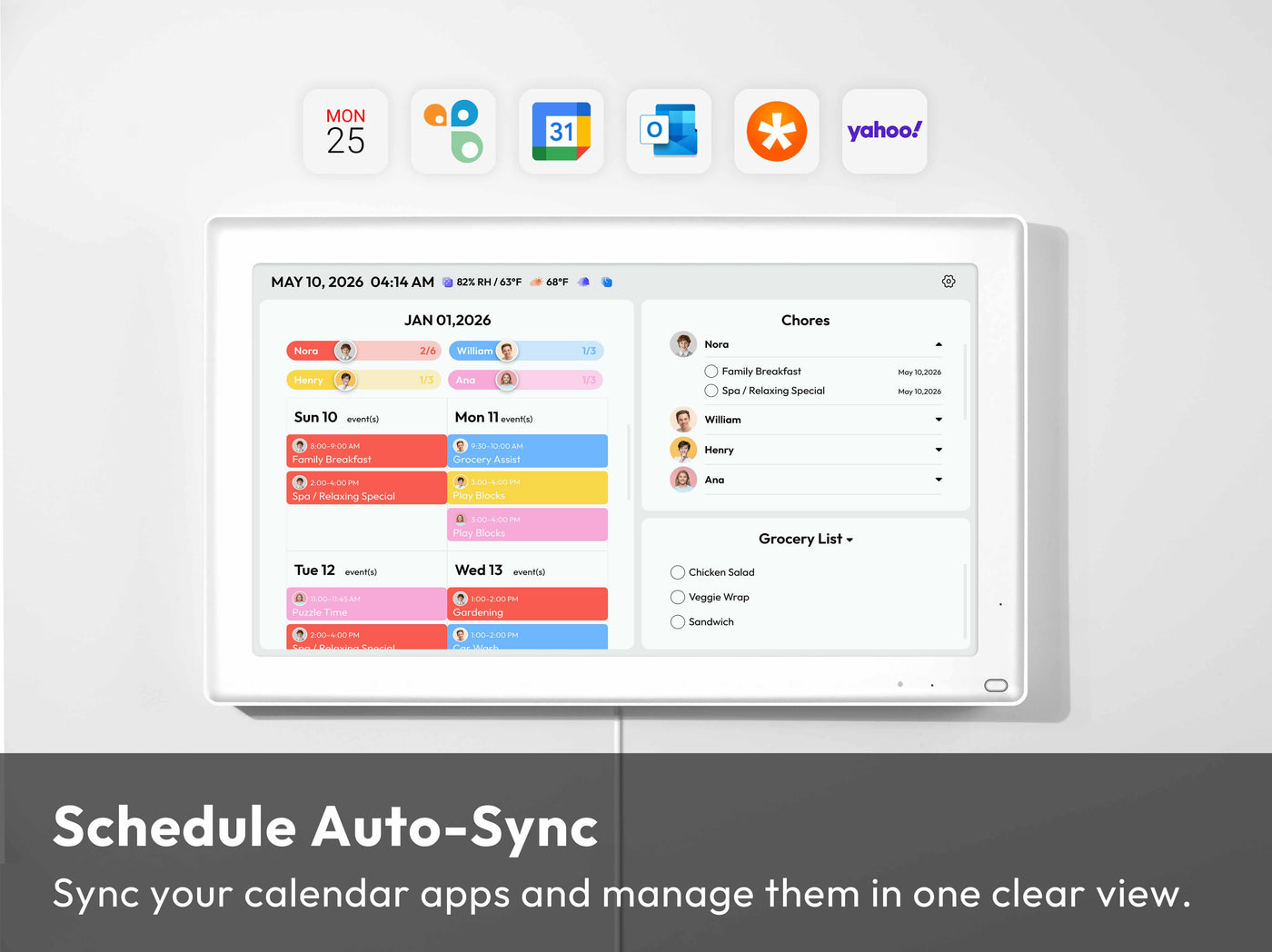
Family routine option
Everblog 21.5-inch HomeCal
Merchant-listed price at review: $349. Confirm current price and availability.
When several people share a home, evening preparation works better when tomorrow’s appointments, school needs and chores are visible to everyone. Everblog’s wall-mounted 21.5-inch HomeCal shows synchronized family calendars and chore lists; the merchant lists no ongoing subscription for core features. This is a higher-cost option for shared households. A free digital family calendar, written task list and ten-minute evening check-in can work just as well when the household is consistent.
Make the system smaller.
You may not control the whole evening.
You can still choose tomorrow’s first task.
You can still check the calendar.
You can still put keys and bags in one place.
You can still avoid creating preventable morning chaos.
Do not compare your routine with someone whose evening has no caregiving responsibilities.
Build around the life you actually have.
Evening Routine FAQ
How long should an evening routine take?
Ten to thirty minutes is enough for most people. It should reduce work, not create more.
What is the most important step?
Choose tomorrow’s first meaningful task and make sure you know what the morning requires.
Should I stop using screens completely?
Not necessarily. The bigger question is whether screen use delays sleep or keeps your mind highly stimulated. Use boundaries that solve your actual problem.
Is reading before bed better than watching television?
Either can be part of a wind down. Choose the activity that helps you stop on time and settle rather than extending the night.
Should I prepare breakfast at night?
If mornings are rushed, yes. Even putting ingredients or containers in place can help.
What if I miss the routine?
Resume the next night. A routine is a tool, not a streak.
The Bottom Line
The best evening routine is not impressive.
It is useful.
Close the workday.
Write tomorrow’s first task.
Check the calendar.
Prepare what you need.
Reset one room.
Reduce late stimulation.
Put the phone away.
Sleep at a sensible time.
Tomorrow becomes easier because tonight left fewer loose ends. Close the workday, check tomorrow’s schedule, prepare one or two essentials, and protect time for sleep. Keep the routine small enough that you will still do it on a difficult evening.
Affiliate Disclosure: This article contains affiliate links. Modern Men HQ may earn a commission if you purchase through them, at no additional cost to you. Read our full Affiliate Disclosure.