A beard brush can improve how facial hair sits and feels, but after weeks of use it can become a small collection point for everything that passes through the beard. Hair, skin flakes, dust, oil, balm and wax settle between the bristles. A brush that once distributed product evenly can begin returning old buildup to a clean beard.
Cleaning the tool is simple in principle. The complication is that not all brushes are made for immersion. Natural boar bristles and wooden handles need more care than a fully synthetic brush. The fastest cleaning shortcut, dropping the whole brush into a sink of hot soapy water, can cause the wooden body to swell, split or loosen the bristle setting on some designs. The goal is to remove debris while preserving the tool.
Beardbrand’s detailed brush-care guidance separates dry debris removal from careful bristle washing and explicitly advises against soaking wooden handles. That distinction is more useful than pretending every brush should be cleaned with the same weekly ritual. Start by understanding what you own and how dirty it really is.
Know the brush before cleaning it
Turn the brush over and look at the body and bristle construction. The handle may be unfinished wood, sealed wood, bamboo, plastic or another material. The bristles may be natural animal fibers, synthetic filaments, or a blend. A manufacturer may attach bristles mechanically or with an adhesive. These details change which cleaning methods are safe.
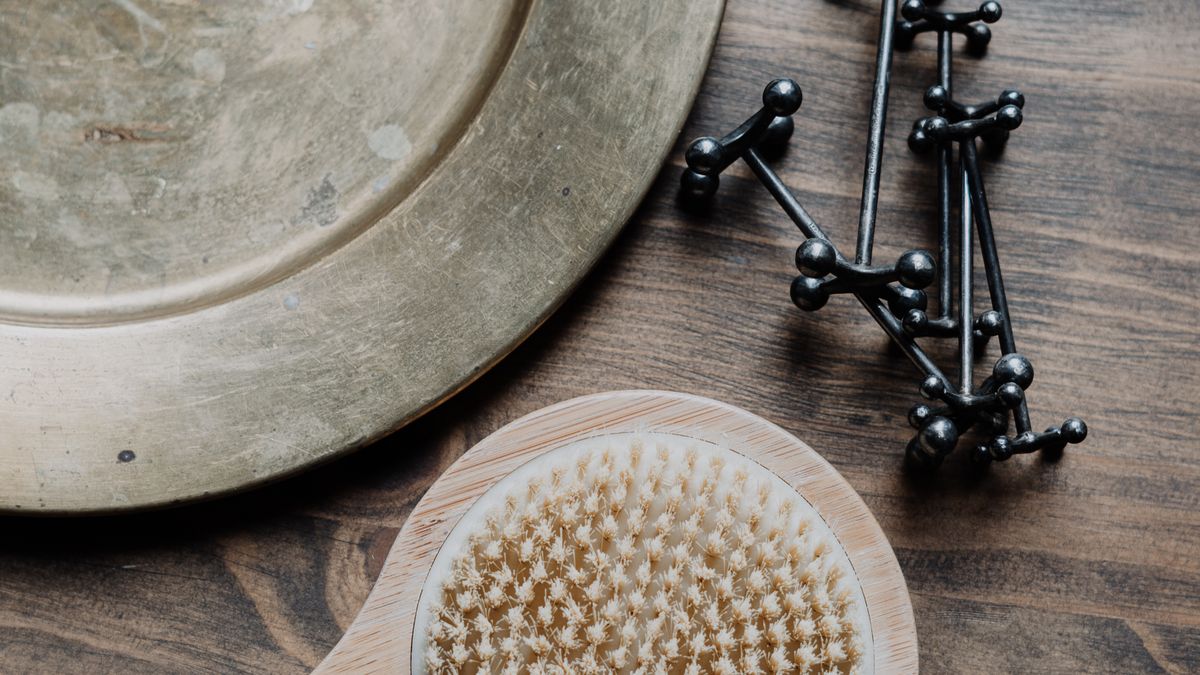
A wooden beard brush is often comfortable to hold and attractive on a shelf. It is also less tolerant of prolonged moisture than a plain plastic body. Beardbrand specifically advises against washing wooden brushes directly under running water. The bristles may be cleaned carefully while keeping the wood dry. If the manufacturer gives different instructions for a sealed, waterproof design, follow those rather than generalizing.
Natural bristles can also retain moisture longer than synthetic ones. Washing is only half the procedure; drying is where tool care can fail. A damp brush put immediately into a leather pouch or closed grooming kit may stay wet. That does not make it clean and ready for tomorrow.
Identify hair, loose dust and waxy buildup
You do not need water for every kind of dirt. Loose beard hairs caught at the base of the bristles can often be removed mechanically with a comb or small cleaning tool. Dust may lift with the same dry pass. Sticky balm, oil residue, or wax requires a different approach because it adheres to the bristles.
Inspect in strong but comfortable light. If the bristles are still springy and the base looks clear, a quick dry removal may be enough. If the gaps are filled with strands and clumps, set aside more time. If the brush smells unpleasant, feels sticky or has been used with heavy styling wax for weeks, consider a more thorough manufacturer-approved wash.
Do not assume that a dusty brush has a dangerous infection. Ordinary debris accumulation is a hygiene and maintenance issue, not a diagnosis. However, do not share brushes during an active skin infection, and do not use rough dirty bristles on inflamed or broken skin. Persistent facial scaling is a separate dermatologic issue, not something washing a brush can cure.
Brush cleaning choice table
| Brush condition | First action | Key caution |
|---|---|---|
| Loose trapped hairs | Dry comb through bristles | Avoid yanking at bristle roots |
| Light dry dust | Dry small brush or comb | Do not press grit into wood |
| Sticky balm or oil buildup | Mild compatible bristle-only wash | Keep wooden body out of water |
| Fully synthetic waterproof brush | Follow maker’s wash procedure | Check if bristle glue or padding is water safe |
| Loose bristles or cracked handle | Stop cleaning aggressively | Assess repair or replacement |
Step one: lift out trapped hair without damaging the brush
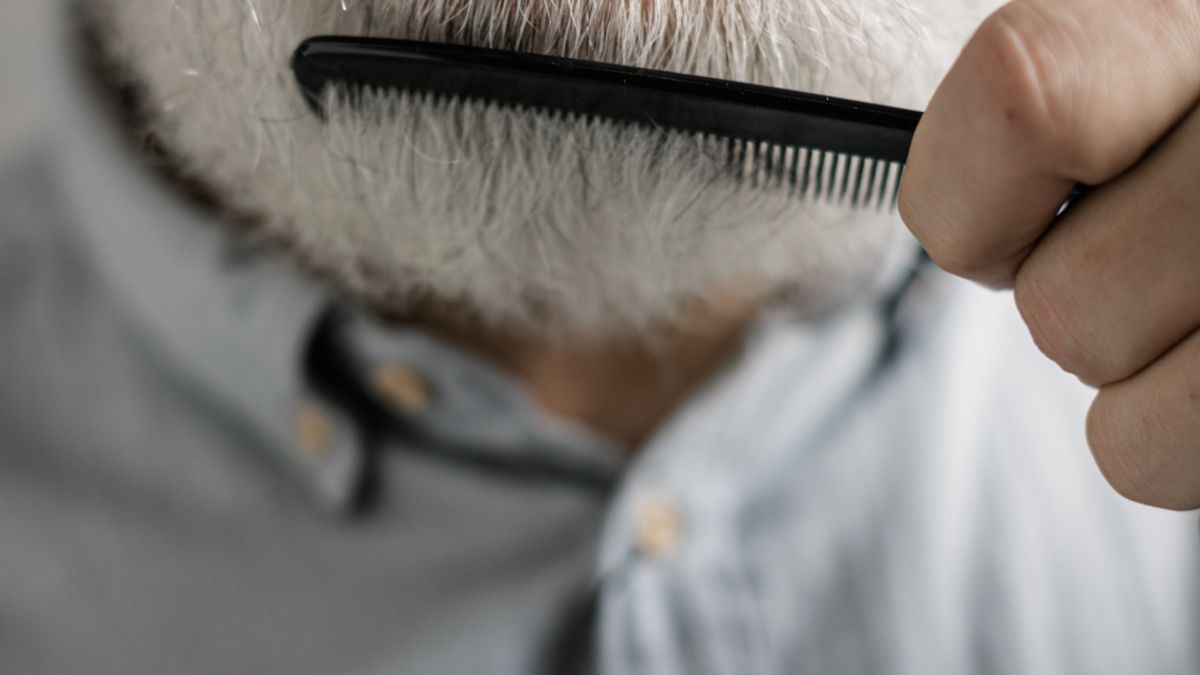
Hold the brush with the bristles facing upward and use a fine-tooth comb, narrow pick or purpose-made cleaning brush to work through the gaps. Move outward from the base without forcing the comb into the wood. Several light passes usually remove more debris safely than a single aggressive scrape.
Use a cotton swab for stubborn hair caught at the base, as Beardbrand suggests. You can loosen a cluster and lift it free with your fingers. Work in good light so you are not pulling out bristles by mistake. If a bristle comes loose during very gentle cleaning, check whether the body is already deteriorating.
This dry step should come before any wet washing. Free hair and dust are easier to remove when they are not pressed into a wet bundle. You also reduce the amount of debris left in the rinsing water and spend less time manipulating the bristles after they become damp.
Step two: decide whether the brush actually needs washing

If you rarely use styling products and remove loose hair regularly, a full wet wash may not be necessary every few days. Conversely, if you use thick balm or wax daily, buildup may return faster. Judge the tool by visible dirt, feel and smell rather than a rigid calendar number.
Beardbrand describes periodic deeper cleaning every few weeks as a practical pattern for many brushes, while recognizing that care frequency depends on usage. That is useful guidance but it is not an obligation to wash a wooden brush on the same date each month. Frequent unnecessary soaking may age the handle faster than the natural debris you meant to prevent.
Avoid trying to sterilize ordinary grooming tools with harsh household disinfectants unless the brush manufacturer explicitly approves the product. Natural bristles and wood can be damaged by solvents and strong cleaners. A mild wash is about removing residues, not creating medical-grade sterility.
Step three: wash the bristles and protect the handle
For a compatible natural-bristle brush, prepare a shallow bowl with a little lukewarm water and mild shampoo. Keep the water level low enough to contact the bristles without submerging the wooden handle. Dip only the bristle ends or use the maker’s recommended method to loosen residue. Avoid squeezing or twisting clumps of bristles hard.
Beardbrand’s guide describes a mild shampoo solution and a brief bristle-only soak for appropriate designs. That recommendation is conditional on construction and manufacturer care. Some brushes may use glues, cushioning or coatings that make soaking unsuitable. If the brush came with specific instructions, treat them as the authority.
Gently move the bristles to release oil and product. A soft cleaning brush can help along the outer bristle surface. Do not scrub the bristle base with a stiff toothbrush that could loosen the setting. Avoid hot water and strong detergents that strip or stress the fibers unnecessarily.
What to do if the wooden body gets wet
An accidental splash is not automatically a ruined brush. Wipe the surface with a clean dry cloth and keep the body in a ventilated area while it dries. Do not put it on a radiator, under a hair dryer on high heat or into strong direct sun to force drying. Such rapid treatment can create uneven stress in wood and finishes.
Look for signs of swelling, rough grain, loose bristle clusters or cracks. If the handle changes shape, stop using wet methods until you understand the damage. Some wooden brushes are coated, and cleaning products that affect their finish can leave sticky patches even after the bristles are clean.
Do not oil the wooden body unless the brush maker endorses an appropriate product. Beard oil is designed for beard hair and skin, not necessarily for furniture finishes or bonded brush components. More product does not automatically mean better tool maintenance.
Step four: remove cleaner and dry properly
Rinse the bristles carefully according to the brush’s construction and maker instructions. The aim is to remove cleaning product without immersing wooden parts. Shake gently if appropriate, then use a towel to absorb free water around the bristles. Do not wring, bend or forcibly twist them.
Let the brush air-dry fully in a ventilated place. Beardbrand recommends facing natural bristles downward during drying where the design permits and allowing ample time for natural fibers to dry, potentially up to a full day. The actual time will vary with density, room conditions and how wet the brush became.
Do not return a damp brush to an airtight case. If you use a bathroom shelf, choose a location away from constant splashes and condensation when feasible. Airflow matters more than making the brush look neat for a photograph.
A practical cleaning sequence card
Cleaning a plastic or synthetic beard brush
A synthetic brush with a waterproof plastic body may tolerate more direct washing. That can make cleanup easier for men who use heavy styling products, but ‘plastic’ does not guarantee every glued or padded brush is submersible. Inspect the construction and manufacturer’s directions before soaking it.
You can often wash synthetic bristles in a mild shampoo-and-water solution, rinse thoroughly and let them dry. Do not use boiling water to speed the process; high heat can deform plastic. A dishwasher is an unnecessary gamble for an ordinary grooming accessory unless the maker expressly approves it.
If you are buying a new brush primarily for easy cleaning, maintenance is a valid factor alongside how the bristles feel. A natural-bristle wooden brush may be appealing, but a simpler synthetic one can serve men who want less elaborate care. Choose for actual use rather than a luxury story on a product page.
Beard brush versus beard comb maintenance
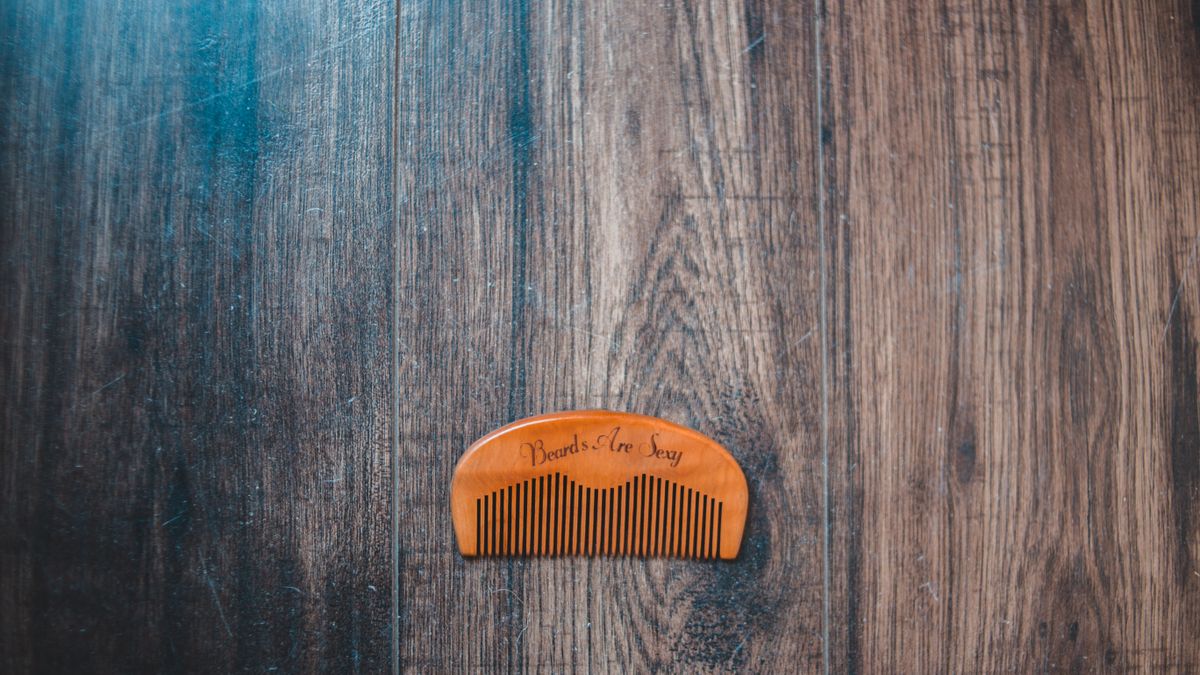
A comb is usually easier to inspect because its teeth are fully visible. A plastic comb often cleans with mild soap and water, while a wooden comb still needs careful moisture management. A brush traps more debris because of the dense bristle field. Neither tool is inherently more hygienic; the user’s routine matters.
A comb is better for separating hair and detangling length, while a brush can distribute product and smooth shorter growth. Some men benefit from both, others need only one. The separate men’s grooming routine explains how tools fit into an uncomplicated system.
Do not brush so hard that you scrape irritated skin. If the beard is tangled, work through it gently rather than treating bristles as a way to force knots apart. Tool choice and cleaning are only parts of overall beard comfort.
Could dirty brushes cause beard dandruff?
A brush filled with wax, oils and dust is not ideal, and buildup can make skin care feel less pleasant. But visible flaking under the beard can have several causes, including dry skin, irritation and seborrheic dermatitis. It would be misleading to claim that cleaning a brush necessarily treats a skin condition.
If flakes persist despite sensible washing and gentle grooming, do not simply scrub harder. The distinction between skin dryness and dandruff matters, which is why we cover it separately in beard dandruff versus dry skin. Painful, inflamed or persistent symptoms deserve advice from a qualified clinician.
The clean brush should also match your usual washing routine. Our guide on how often men should wash their beard explains why more shampoo is not always better for every skin and hair type.
How to keep the brush cleaner between deep washes
Remove trapped hairs soon after use. Use product amounts that suit the beard rather than loading bristles with unnecessary wax. Store the brush where dust is limited and moisture can escape. A small protective pouch can be useful for travel, but only after the brush is completely dry.
Inspect the handle and bristles every few weeks. If the brush sheds bristles continually, smells strongly despite appropriate cleaning, or develops cracks that catch hairs, replacement may be a more sensible choice than aggressive cleaning. Repairing a cheaply made brush is not always practical.
Remember that the brush is an accessory serving the grooming routine. It should save time and improve comfort, not introduce an elaborate maintenance ritual that is difficult to sustain. A couple of simple actions after use can postpone the need for a deeper clean.
The bottom line
Start with dry hair and dust removal. Wash only when residue needs it, keep wooden handles out of prolonged moisture, and let the bristles dry completely before storage. Natural-bristle and synthetic brushes have different tolerances, so the maker’s guidance comes first.
A clean brush should make beard care easier and gentler. The point is to preserve the tool and protect the skin, not to chase unnecessary chemical sterilization.
Frequently Asked Questions
Can I wash a boar-bristle beard brush?
Often yes if the manufacturer permits gentle bristle cleaning, but avoid soaking a wooden handle and dry the natural bristles thoroughly.
How often should I clean a beard brush?
Remove loose debris frequently and deep-clean when visible oil or balm buildup warrants it. Usage and construction matter more than an exact calendar interval.
Can I soak a wooden beard brush?
Avoid immersing wood unless the maker expressly says the design is waterproof. Moisture can affect the handle and bristle setting.
What soap should I use for a beard brush?
Follow the manufacturer’s instructions; a mild shampoo solution may suit certain bristle-only cleaning methods.
Should a beard brush dry bristle-side down?
Beardbrand suggests that orientation for natural-bristle designs when feasible, helping moisture drain away from the handle.
Can dirty brushes cause beard flakes?
A dirty tool may contribute to buildup and irritation, but persistent flakes can reflect different skin conditions and should not be attributed to the brush alone.