Clothes go into the machine looking ordinary and come out with greasy patches or pale blue marks that were not there before. It is irritating because washing was supposed to remove stains, not create them. Before you treat the entire load, look carefully at the stain and what was added to the washing machine.
Fabric softener or fabric conditioner can sometimes leave concentrated deposits on clothing. ACI’s Stain Removal Guide recommends a straightforward first treatment for a confirmed fabric softener stain: dampen the area, work with bar soap, rinse, and launder according to the garment’s care instructions. That is a better starting point than applying random bleach or heat.
The challenge is making sure the mark really is from softener. Undissolved detergent, laundry capsules, grease, dye transfer and washer residue can cause appearances that are easy to confuse. Identifying the cause helps you avoid setting the mark or repeating the mistake.
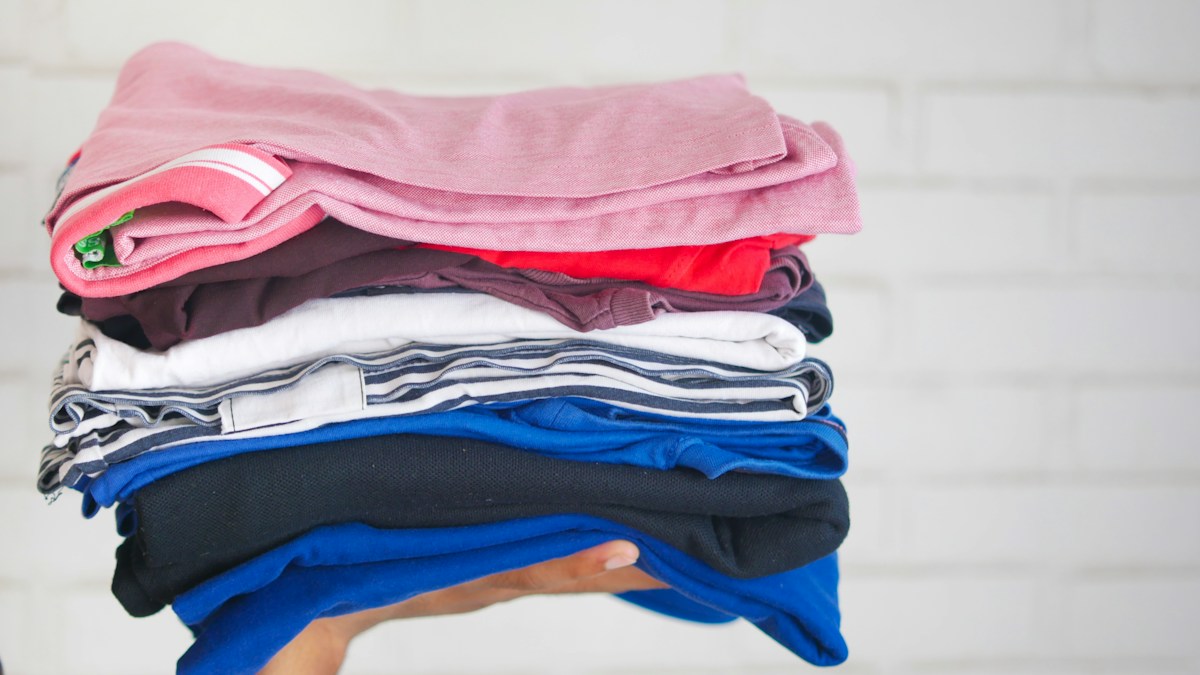
What Does a Fabric Softener Stain Look Like?
Marks concentrated around the underarms may have a different cause; see how to remove deodorant buildup from dress shirts for that specific problem.
Softener residue may appear as an oily or waxy patch, sometimes with a tint from the product. A blue or gray streak could involve concentrated colored conditioner, but a blue streak is not conclusive evidence; dye transfer or detergent residue may look similar.
| Stain Identification | |
|---|---|
| Greasy-looking patch soon after wash | Consider concentrated softener or body-oil residue. |
| Pale blue or tinted spot | Check colored softener and laundry product contact, but rule out dye transfer. |
| White powdery mark | More likely detergent that did not dissolve or rinse away. |
| Colored streak matching another garment | Consider dye bleeding rather than softener. |
| Marks near one pocket or collar | Check for forgotten contents, local soiling or previous treatment. |
Think about timing. Did the marks appear on several items in the same load? Was a new conditioner used? Was the dispenser overfilled? Did softener accidentally drip directly onto dry fabric?
These observations are not proof, but they guide the next step. A confirmed stain needs a different treatment from a mark caused by an unstable dye.
Should You Put the Stained Clothes Back in the Dryer?
Not before checking the stain. Heat can make some deposits or stains harder to remove. If you discover a fresh oily mark, leave the garment out of the dryer while you identify the cause and choose a care-label-safe treatment.
A small mark can be easy to overlook on a dark shirt until bright light reveals it. Check clothes promptly after washing, particularly when trying a new laundry additive.
Read the care label even when you feel certain the item is sturdy. The garment may contain elastic, prints, appliqués or trims that react poorly to heat or cleaning ingredients.
If the garment has already been dried, do not assume it is ruined. Repeat the diagnosis and start with the least aggressive suitable method. Treating a stain is not a reason to ignore normal care limits.
How Do You Remove a Confirmed Fabric Softener Stain?
The American Cleaning Institute’s official Stain Removal Guide is concise: moisten the stain, rub with bar soap, rinse, then launder. On a washable, colorfast garment, that can be a sensible first attempt. It does not require a complicated homemade cocktail.
The method is intended for fabric softener stains on clothing that can tolerate that kind of treatment. It is not a universal solution for silk, wool or non-washable tailoring. If the item is valuable or cleaning instructions are restrictive, seek professional cleaning guidance.
Use a clean work surface and clean hands. Transferring extra oils onto the garment makes your diagnosis harder. Work slowly enough that you can stop if the dye or surface begins to change.
Can You Remove Softener Stains From Dark Clothes?
Often, but dark fabrics need particular care because light residues show up strongly and some dyes can transfer during spot treatment. If the mark looks waxy or oily, identify the care method first and spot test before applying soap.
Avoid hard brushing or scraping. You may lighten or roughen the cloth before you remove the deposit. Under natural light, check the same area from different angles, since sheen can make a stain look bigger than it is.
A rinse and rewash may be appropriate after a fabric-safe pretreatment. Use the correct detergent quantity and avoid adding more softener to the same load until you know what caused the mark.
If the mark remains but the surface appears unchanged, a professional cleaner may be preferable to repeated trial and error on a valuable black item.
Why Do Fabric Softeners Leave Marks in the First Place?
Residue can also contribute to lingering odors. Our article on why clothes still smell after washing covers the broader diagnosis.
Fabric softeners are concentrated products designed to interact with textile fibers. Problems can arise when too much product is used, the dispenser does not deliver it correctly, or the conditioner contacts the clothing in a concentrated form instead of being distributed as intended.
A dispenser drawer that is clogged or coated with residue may also fail to release product as expected. Check and clean it only according to the washing machine’s instructions. Do not pour strong chemicals into plumbing or electronics to force a buildup out.
Some fabrics respond poorly to softener in general, particularly garments with performance finishes or absorbency requirements. A product that feels pleasant on ordinary cotton may be unnecessary for microfiber, technical sportswear or towels.
The takeaway is simple: more softener is not better cleaning. A laundry additive should solve a real need, not automatically become part of every cycle.
How Can You Tell Softener Residue From Detergent Residue?
A powdery streak, gritty deposit or patch that rinses away easily may point to undissolved detergent rather than a greasy conditioner mark. Detergent excess or poor rinsing can leave a film that resembles a stain from a distance.
Look at the type of detergent, the washing machine and the load size. If a heavily packed drum prevented good circulation, both cleaning and rinsing may have been compromised.
Do not attack a powder residue with oil-based products. Likewise, using additional detergent to remove a concentrated laundry additive may introduce more residue rather than solving the original cause.
Start with identification, a suitable rinse and manufacturer guidance. Change one variable at a time so the next load tells you something useful about what caused the issue.
Can Vinegar or Bleach Remove Fabric Softener Spots?
Avoid treating vinegar or bleach as a universal solution. Neither is the first-line method in the ACI fabric-softener stain entry. Bleach can damage dyes and fabrics, while acids may interact with certain cleaning products or the machine.
Never mix chlorine bleach with vinegar, ammonia or other household cleaners. The resulting fumes can be dangerous. A stain problem should never lead to improvised chemical combinations.
On white fabrics, color-safe treatment options still depend on the item and stain. A white shirt may have nonwhite trims or finishing agents. Follow the permanent care label and product instructions rather than assuming all white clothing can be bleached.
When in doubt, stop with basic compatible cleaning and seek qualified advice for costly garments.
Should You Skip Fabric Softener Entirely?
You can. Many garments do not need a separate softening additive to be clean and comfortable. Correct detergent, rinse and drying methods often deliver a usable result without it.
There are situations where some users prefer the feel provided by conditioner. If you choose to use one, measure it carefully, follow the product label and confirm that your garments are compatible.
Towels, workout clothing and special-purpose textiles may have restrictions or performance concerns associated with added coatings. Check the maker’s care guidance rather than assuming a fabric category tells the whole story.
The right routine is a practical decision: keep the products that genuinely help, and do not use them just because the dispenser has a compartment.
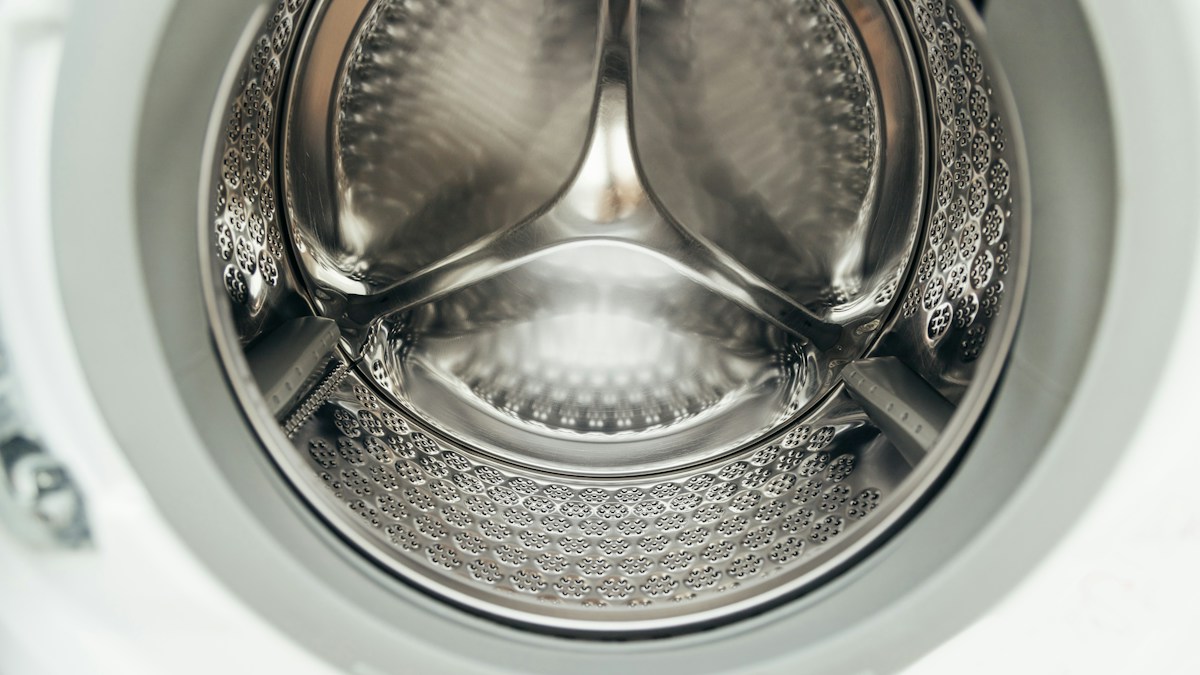
How Do You Clean the Fabric Softener Dispenser?
Turn to the exact washer manual. Some dispensers are removable and can be rinsed separately, while others have parts that must not be forced open. Clearing an obvious deposit may restore normal flow, but the cleaning method must suit the appliance.
Inspect for a buildup of thick or dried conditioner. Follow the manual for removal and reassembly, taking care not to damage fragile plastic tabs or seals. Never use sharp metal tools inside a running appliance.
After cleaning, run any manufacturer-recommended maintenance process before treating an expensive wardrobe load. If the drawer does not dispense properly, there may be a mechanical issue rather than simple buildup.
For an unexplained leak or repeated malfunction, use qualified service. Dumping concentrated cleaner into the drawer repeatedly will not repair a broken dispenser.
How Can You Prevent Softener Marks in Future Loads?
Check the laundry care symbols on each garment before choosing additives and a wash cycle.
Preventing deposits is easier than treating them. Measure additives, check the designated compartment, avoid pouring product directly onto clothing unless instructions expressly permit it, and maintain the washer.
If you notice new marks, pause the additive and observe a normal wash with the same detergent and care setting. If the marks stop appearing, you have narrowed the problem, though other factors may still need checking.
Simple controlled changes are more dependable than buying another product for every stain.
Frequently Asked Questions
Will fabric softener stains wash out?
Many can improve with appropriate pretreatment and washing. The result depends on material, stain age and care limits.
Why are there blue spots on my laundry?
Concentrated colored softener is one possibility, but dye transfer and other laundry products can produce similar marks.
Can I use dish soap instead of bar soap?
ACI specifically lists bar soap for confirmed softener stains. Follow material compatibility and manufacturer care instructions if considering another cleaner.
Can softener stain clothes after drying?
A mark may become more noticeable or harder to treat after heat exposure. Inspect laundry before tumble drying.
Why does fabric softener stain only one shirt?
One area may have received concentrated product, or the shirt’s fabric and finish may react differently. Examine the whole load before concluding.
How do I stop softener stains?
Use the correct compartment and measured dose, avoid overloading and maintain the dispenser according to the washer manual.
The Bottom Line
Fabric softener marks are frustrating, but they are not a reason to attack clothing with bleach or strong solvents. Identify the stain, use a fabric-safe first treatment and inspect the garment before heat drying. Then adjust the product and dispenser habits that caused the problem.