Suede shoes look better when the surface has depth. The fine raised fibers catch light differently as you move, which gives the material its soft appearance. That same texture makes a muddy splash or dark water mark feel more serious than it would on smooth leather.
The first mistake is treating suede like ordinary leather. Heavy conditioners, household cleaners and vigorous scrubbing can mat the nap, darken the material or leave permanent rings. You often make better progress by doing less, allowing dirt to dry and brushing carefully before introducing any moisture.
Start with a dry soft suede brush on a fully dry shoe. Lift loose soil with gentle strokes and reassess the mark before trying a dedicated suede cleaning product. Test anything new on a hidden area. If the material has soaked through, changed color severely or developed a deep stain, stop experimenting and ask a professional cleaner.
Why is suede harder to clean than smooth leather?
Suede is leather with a soft, raised surface. Instead of a smooth finished grain that can sometimes be wiped, it has tiny fibers that can trap dirt and change direction under pressure. A brush can lift those fibers; the wrong liquid or rubbing motion can press them down and leave shiny or flattened patches.
There is also considerable variation between shoes. Some are made from fine, supple suede, others have thicker and more rugged surfaces, and some use nubuck rather than suede. A care product that behaves well on one material may stain another. Read any maker’s instructions and check whether the shoes are actually suede before trying a cleaning method.
That texture is the point of owning suede shoes. Your goal should be to remove soil while preserving it, not to make the surface look uniformly polished. If you want to wipe a shoe aggressively with a damp cloth after every wear, smooth leather or another material may be better suited to your daily conditions.
What do you need to clean suede shoes safely?
| Problem | Low-risk first step | Stop condition |
|---|---|---|
| Loose dry dirt | A clean, suede-appropriate soft brush | Test first and avoid forcing the nap |
| Small dry scuff | A suitable suede eraser or gentle brushing | Stop if the material becomes shiny or rough |
| Water spot or salt residue | Allow natural drying and reassess | Use finish-specific professional advice if it persists |
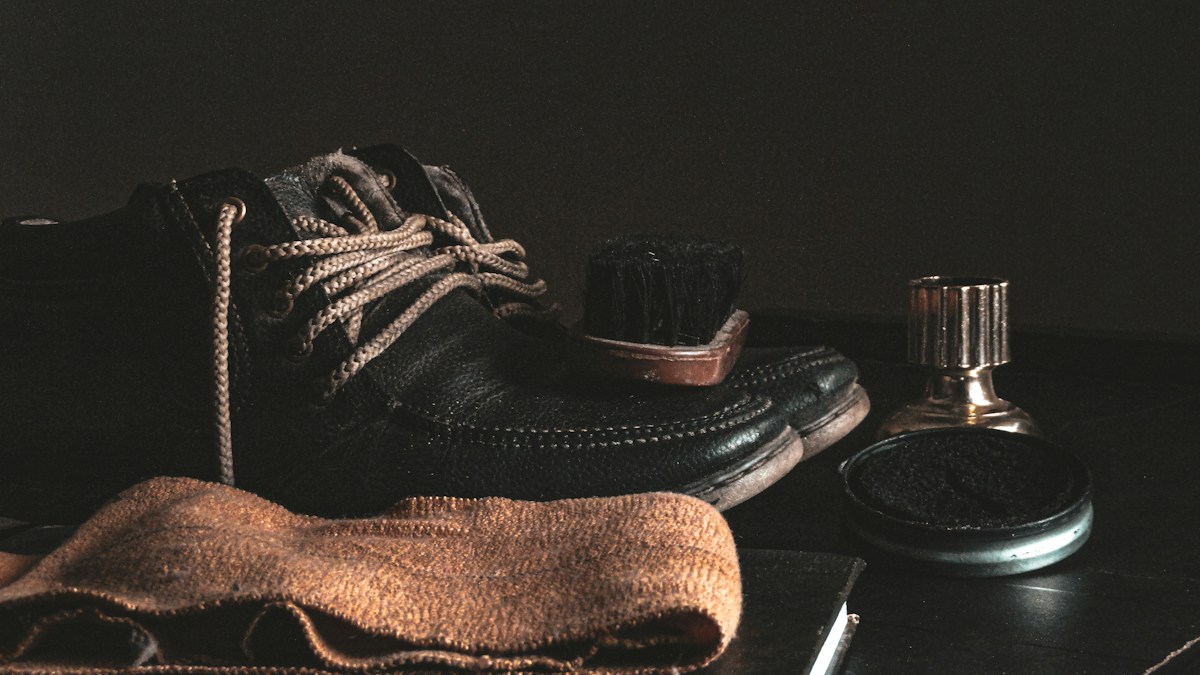
Begin with a clean suede brush suited to the material, a soft cloth and good lighting. A gentle crepe brush or soft bristle brush may work for routine dry dirt. A dedicated suede eraser can help with certain localized marks. Avoid using a hard wire brush without a manufacturer’s clear recommendation; it can tear or roughen delicate suede.
Stuff the shoes lightly with clean paper or use suitable shoe trees to support the shape while you work. Remove the laces if they obstruct the area. Keep water, detergent and conditioner aside until you know whether they are actually needed. A nearly empty cleaning kit can be an advantage because it makes it easier to identify which action caused a change.
Check the brush itself for old dye or dirt. A brush previously used with black polish should not touch tan suede. The same applies to a cloth used with other leather products. Cross contamination is an avoidable way to stain a pair of otherwise sound shoes.
Suede tool guide table: soft suede brush for dry dirt; suede eraser for selected marks; professional cleaning for penetrating stains.
How to dry brush dirt without damaging the nap
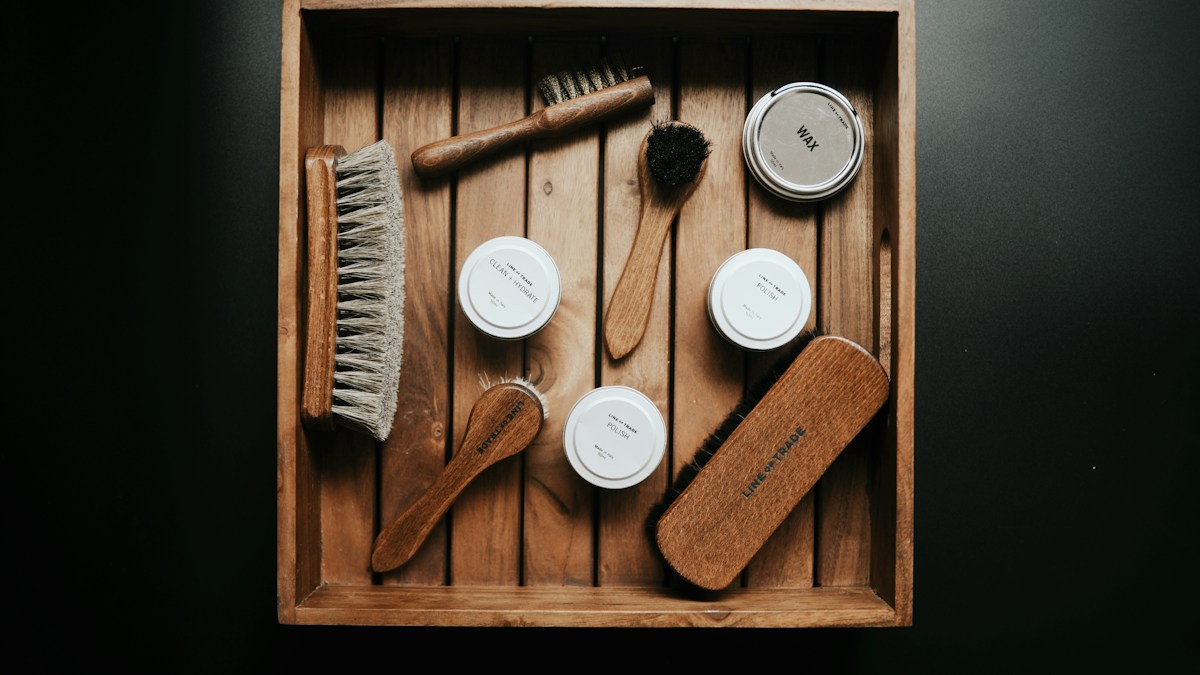
Let ordinary mud and soil dry completely before touching the surface. Damp dirt spreads into the fibers when rubbed. Once dry, tap away loose particles gently and brush with short, light strokes. Move in a consistent direction at first so you can see how the surface responds.
Do not grind a brush into the shoe as if you were scrubbing a kitchen floor. The fibers should lift without the material appearing scraped. For stubborn areas, work gradually from the edge of the mark toward the center and pause after a few passes. Some visible variation is natural; repeatedly brushing the same spot can make the surface look different from the rest of the shoe.
Brush across broad panels rather than only polishing one small circle into the nap. Step back and compare both shoes. If the treated side looks lighter because the fibers are facing a different direction, a few gentle finishing strokes may be all it needs.
Four step dry brush checklist: dry, support, light strokes, reassess.
How do you remove a dry scuff or surface mark?
First decide whether the mark sits on top of the nap or reflects actual abrasion. If it looks like a streak where fibers were pressed down, gentle brushing may restore the direction and appearance. If the material has been scraped away, no eraser can recreate lost leather.
A suede eraser can sometimes lift a dry localized stain. Follow the product’s instructions and test a hidden area before use. Rub lightly, remove residue with a clean brush and stop when the improvement levels off. Pressing harder increases the risk of an obvious pale patch around the original mark.
Do not substitute a random household eraser without considering dye transfer or residue. Some erasers crumble, smear or leave material lodged in the fibers. It is safer to use a purpose made product than improvise on a costly pair of shoes.
What about water spots and salt marks?
Do not use a technique meant for smooth leather on suede. Our guide to water marks on smooth leather shoes explains why identifying the finish comes first.
Water marks deserve patience because adding more water can spread the visible boundary. If the shoe is wet, blot standing moisture with a clean absorbent cloth instead of rubbing. Allow it to dry naturally away from direct heat. Only assess the remaining discoloration once the material has returned to room temperature and feels dry throughout.
Some cleaners advise even treatment of an entire suede panel to avoid a sharply defined water ring, but that is more invasive than routine dry brushing. Do not attempt it before checking the shoe manufacturer’s instructions and testing colorfastness. Deep salt contamination can be difficult to remove without changing the finish.
If the stain has penetrated deeply, covers a large section or has altered the color, a professional suede cleaner is often the responsible choice. Trying vinegar, soap and a succession of solvents in the same area makes it harder to diagnose and recover the original surface.
Can you use water and soap on suede shoes?
Not as a default method. Suede can absorb moisture unevenly, and ordinary soap may leave residue or alter the nap. A specialist suede shampoo may be appropriate for certain shoes, but only when its instructions and the footwear care guidance permit it. Even a product labeled for suede should be tested in an inconspicuous spot first.
Avoid soaking one small area while leaving the rest untouched unless the cleaner specifically directs that approach. The resulting edge can become the most noticeable part of the stain. Use minimal liquid and controlled application when a compatible product is genuinely necessary.
Do not wash suede shoes in a machine or immerse them because a social video promises an easy reset. Agitation and drying can change shape, stiffen leather components and damage adhesives. The apparent convenience of a full wash is rarely worth the risk for a pair meant to keep its structure.
How should you dry suede shoes after they get wet?
Remove surface water with gentle blotting, then allow the shoes to air dry in a ventilated place. Support their shape with suitable paper or shoe trees, taking care not to overstuff. Avoid radiators, hair dryers and strong direct sunlight, which can affect leather texture and color.
Do not put the shoes back on when the interior still feels damp. That prolongs moisture exposure and can distort the upper as it flexes against your foot. Give them enough time to dry fully, then use a soft brush to restore the nap carefully if it has flattened.
If the sole has separated, the leather has become unusually stiff or the shoe now has a persistent odor, routine brushing is not the whole answer. A cobbler or specialist cleaner can assess whether there is underlying structural or moisture damage.
How do you restore suede that looks flattened or shiny?
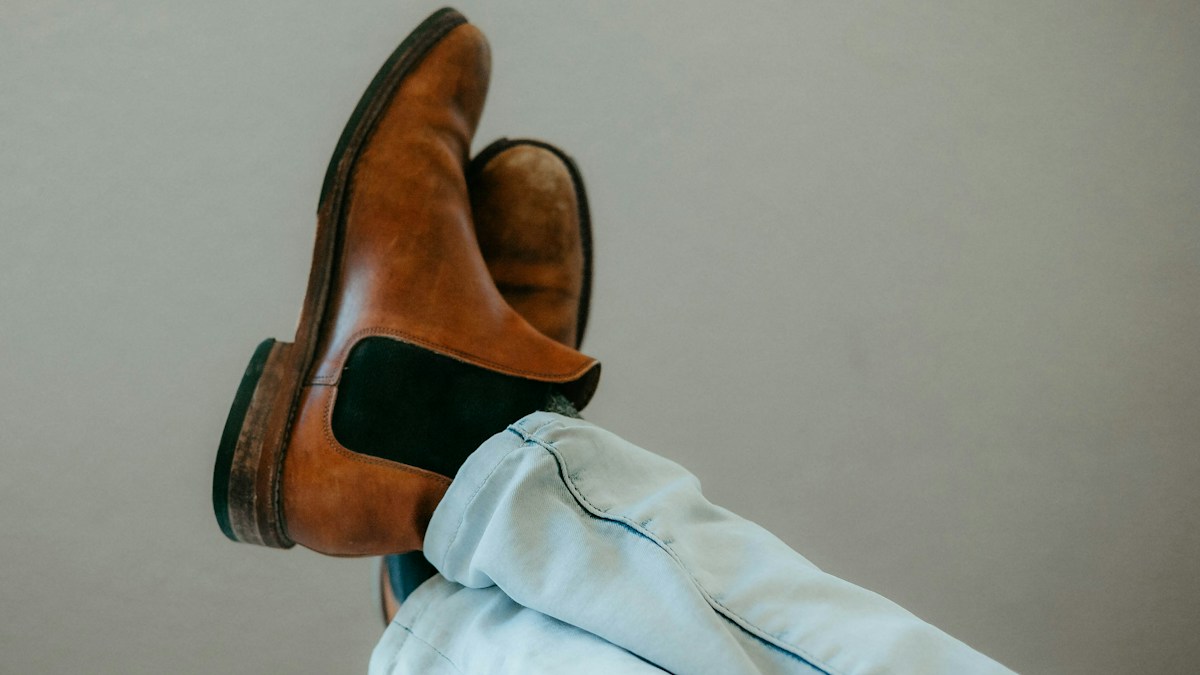
A flattened patch may simply have fibers lying in one direction. Try light strokes with a suitable suede brush, starting in a hidden area. Change direction carefully only as instructed and observe whether the texture begins to lift. The aim is a more natural surface, not a rougher one.
Shiny patches can also result from actual wear. If the fibers have been rubbed away, brushing cannot replace them. Using more force at that point creates a larger damaged area. On dark shoes, a patch may look different because of changes in fiber direction rather than permanent fading, so inspect in changing light before deciding on treatment.
Steam is sometimes suggested as a way to lift nap, but heat and moisture can also harm suede if handled incorrectly. Leave intensive steaming and recoloring to professional care when the shoes are valuable or the damage is widespread.
Stop signs: color bleeding, stiffening, separated sole, pulled fibers.
Should you spray suede shoes with protector?
A protector formulated and approved for the specific suede may help reduce how readily some dirt and moisture affect the surface, but it does not make footwear waterproof or immune to staining. Follow product ventilation and safety instructions, test for color change and apply only as directed.
Do not assume a spray can rescue a shoe already carrying a deep stain. Clean and dry the footwear first according to its care instructions. Applying a coating over trapped dirt can make later care more difficult or uneven.
Weather still matters. On days with standing water, slush or heavy rain, consider wearing more suitable footwear rather than treating a delicate pair as all weather equipment. Good planning protects the shoe better than repeatedly applying stronger products.
How often should you brush and store suede shoes?
Our leather shoe storage guide covers airflow and shape protection that also matter when putting suede footwear away.
Brush gently when there is visible loose dirt or after wear that has exposed the shoe to dust. A small amount of routine care prevents grit from sitting in high friction areas. Daily aggressive brushing is unnecessary, especially on soft suede. Let the condition of the surface guide the frequency.
Store the shoes clean and dry in a ventilated area, supported so the uppers keep their intended shape. Our guide to [storing leather shoes](https://modernmenhq.com/style/how-to-store-leather-shoes/) explains shape and moisture management, while remembering that suede needs its own surface care.
When packing, protect the uppers from friction against hard luggage contents. You can borrow the arrangement principles from our guide to [packing leather dress shoes](https://modernmenhq.com/style/pack-leather-dress-shoes-suitcase/), but keep suede separated from products that might transfer polish or oil.
When should you use a professional suede cleaner?
Protecting footwear in transit is another consideration. Read our guide to packing dress shoes for travel rather than forcing them into an overfilled bag.
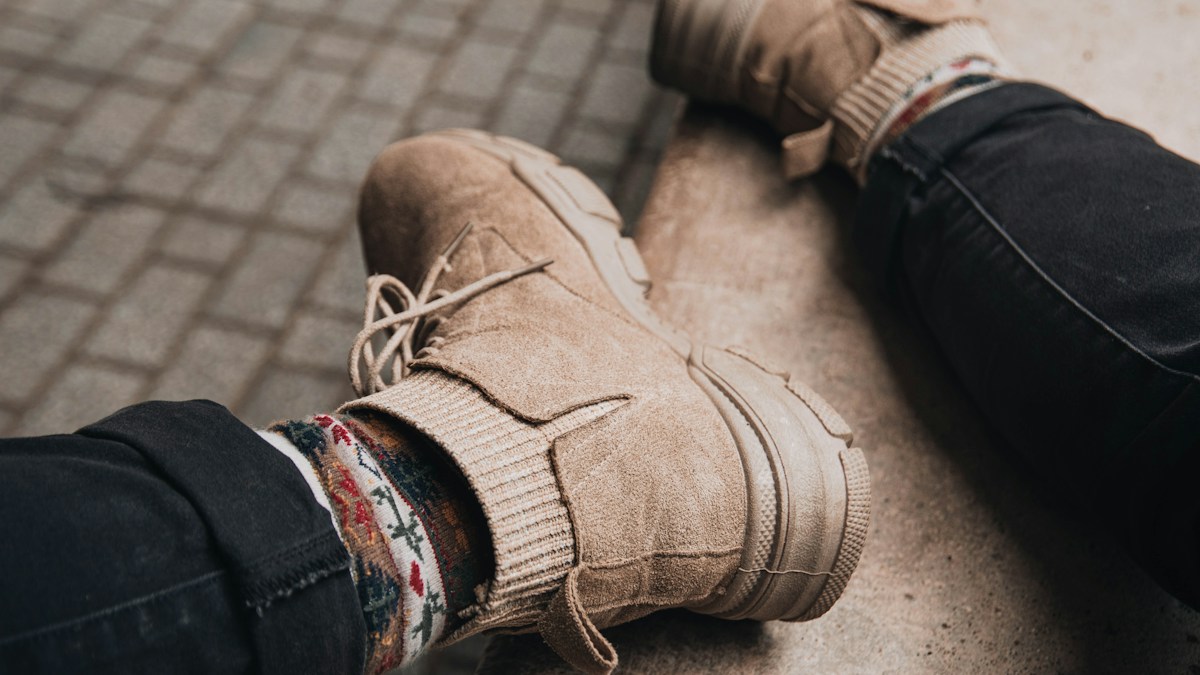
Consider professional care for dark oil stains, extensive water damage, dye transfer, heavily flattened nap or color loss. These problems are not necessarily beyond repair, but each additional home treatment can narrow the specialist’s options. Photograph the mark while it is fresh and explain what, if anything, you have already applied.
Ask what degree of color change or texture variation is realistic. A trustworthy cleaner should describe the limits rather than guarantee an invisible repair. Some damage is irreversible, and the best result may be an even, wearable finish rather than an exact return to showroom condition.
If the shoe is inexpensive and badly damaged, replacement may be sensible. If it fits exceptionally well and has years of use left, controlled professional treatment may be worthwhile. That judgment fits a broader wardrobe principle: maintain garments and accessories when it preserves real usefulness, not solely because a product promises a miracle.
Frequently Asked Questions
Can you clean suede shoes with a toothbrush?
A very soft clean brush might lift loose dust, but a purpose made suede brush is more predictable. Avoid stiff bristles, force and brushes carrying residue.
Can you put suede shoes in a washing machine?
That is generally risky for the material, shape and adhesives. Check the maker’s instructions; dry brushing and specialist care are safer starting points.
How do you remove a water mark from suede?
Dry the shoe naturally, brush gently and reassess. Deep discoloration or a large ring may need a specialist instead of repeated home liquids.
Can you use leather conditioner on suede?
Products intended for smooth leather can flatten or darken suede. Use only treatments explicitly compatible with your footwear.
Why does cleaned suede look a different color?
The fibers may be facing a different direction, or cleaning may have changed the surface. Inspect in varied light and stop brushing if the nap appears damaged.
The bottom line
Cleaning suede is a matter of restraint. Start dry, keep the nap supported, test compatible products discreetly and stop when you see a change you cannot explain. The best pair is not the one scrubbed most aggressively; it is the one that still has its original texture after the dirt is gone.