
How Should a Polo Shirt Fit? 6 Checks That Matter
Check polo shirt fit at the shoulders, chest, sleeves, waist, length, and collar. See the signs your polo is too tight or too loose.
Good style is less about owning more clothes and more about understanding fit, proportion, formality and what actually works together.
Modern Men HQ covers men’s style from everyday basics to suits, shoes, outerwear, accessories and wardrobe building. The goal is not to chase every trend. It is to build a wardrobe that fits properly, works across real situations and becomes easier to use because every piece earns its place.
Check polo shirt fit at the shoulders, chest, sleeves, waist, length, and collar. See the signs your polo is too tight or too loose.

Check chino fit at the waist, seat, rise, thigh, taper, and hem. Use the fitting room tests and wrinkle clues to tell if your chinos are too tight or too loose.
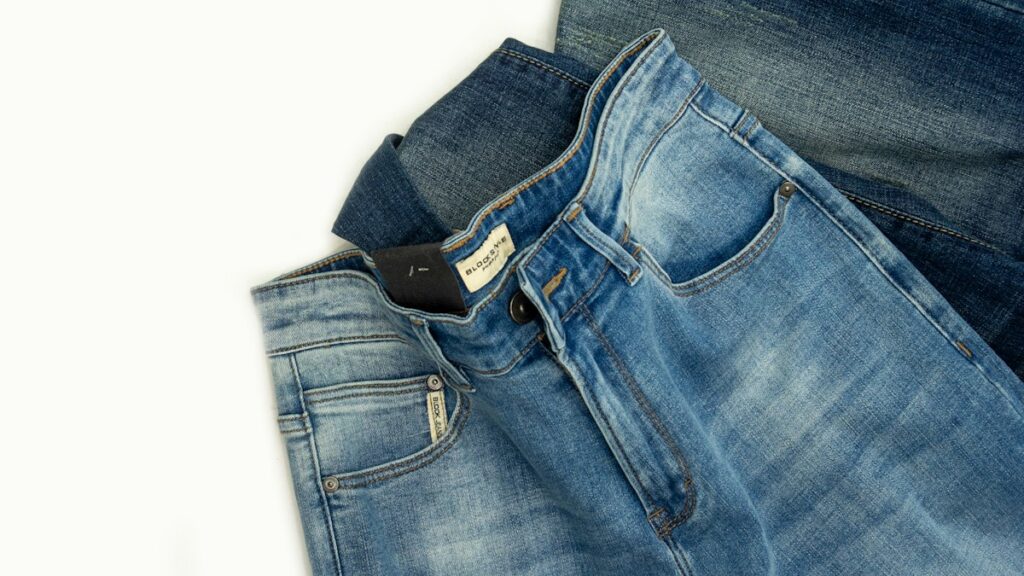
How often should you wash jeans? Learn when five to ten wears makes sense, when to wash sooner, and how to clean and dry denim without damaging its fit.

How long should a tie be? Learn where the tip should meet your waistband, how to adjust the knot, and when a shorter or extra long tie makes sense.
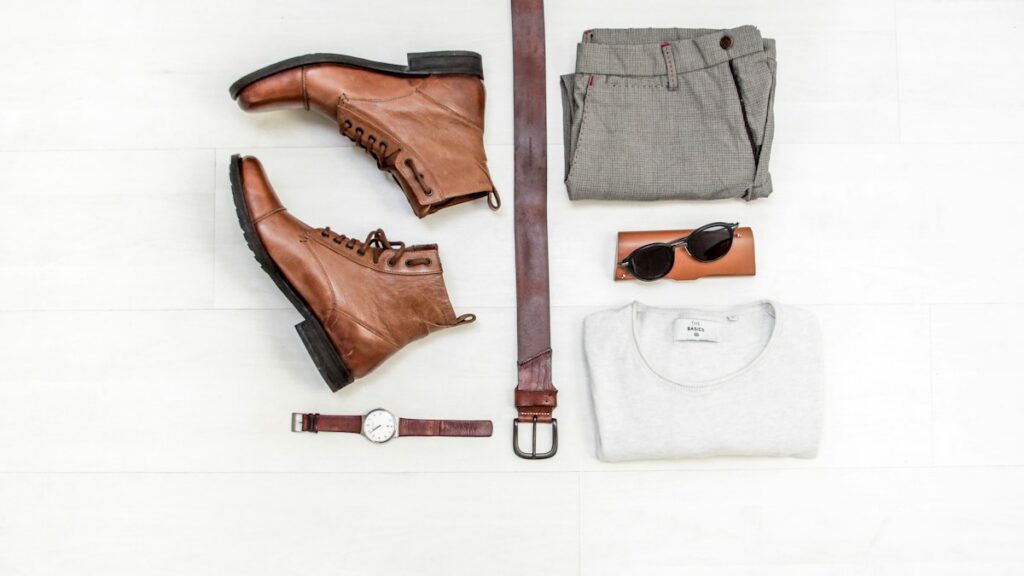
A belt should match the shoe family and level of formality, not the exact shade. Here is when matching matters and when casual outfits give you more freedom.
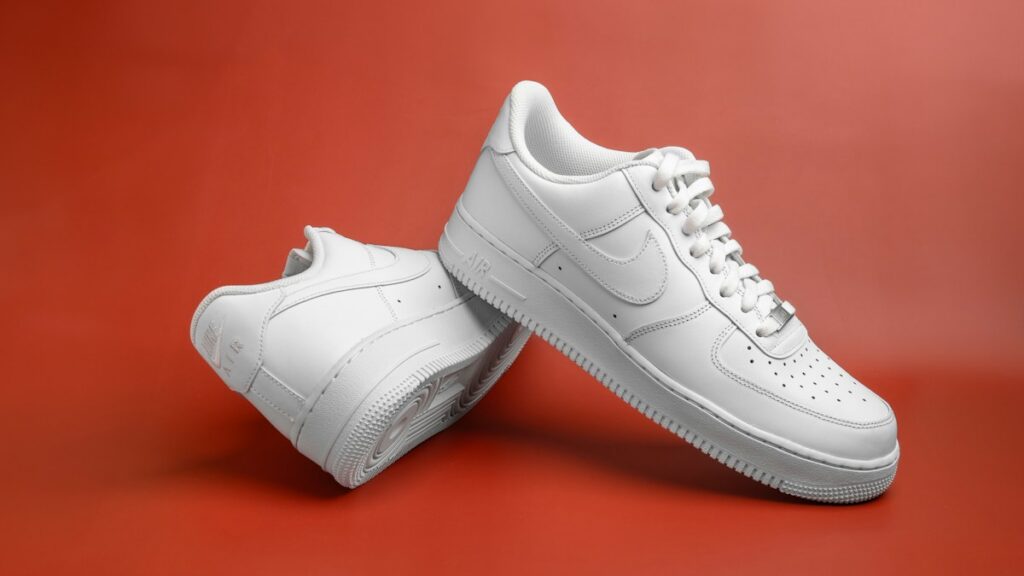
Clean white sneakers without damaging leather, canvas, knit, suede, or glue by using the right method for each material and avoiding unnecessary heat.
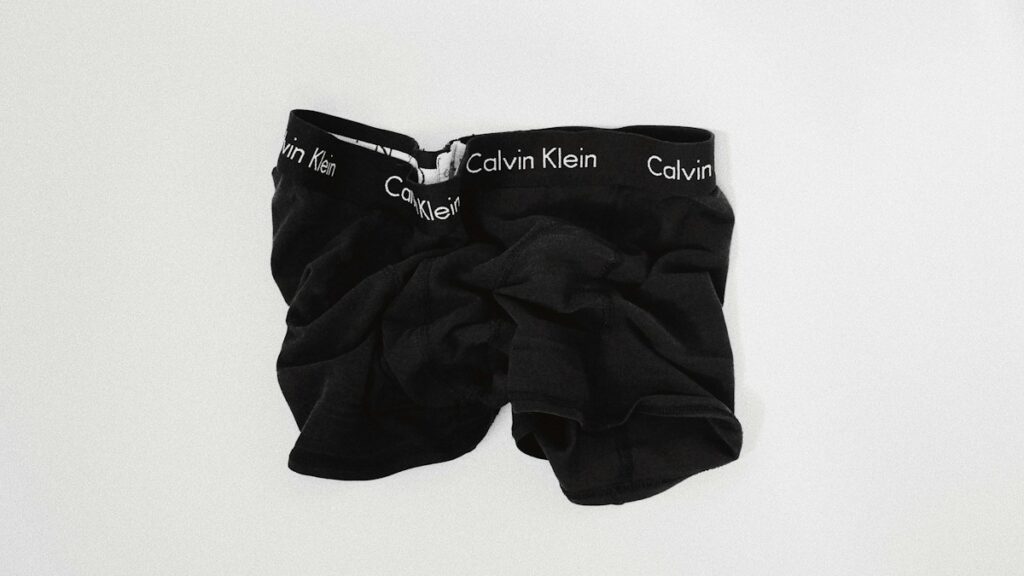
There is no universal expiration date for men’s underwear. Use condition, fit, cleanliness and wear frequency to decide when a pair should be replaced.
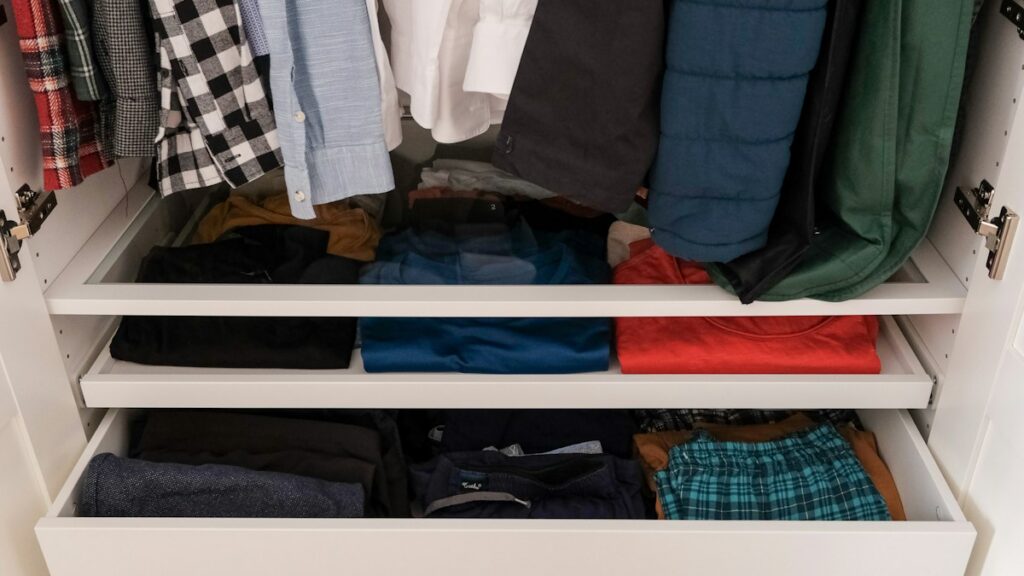
For men who wear dress shirts regularly, seven to ten versatile shirts usually gives enough rotation. Here is how to size the number to your workweek, laundry schedule, and wardrobe.
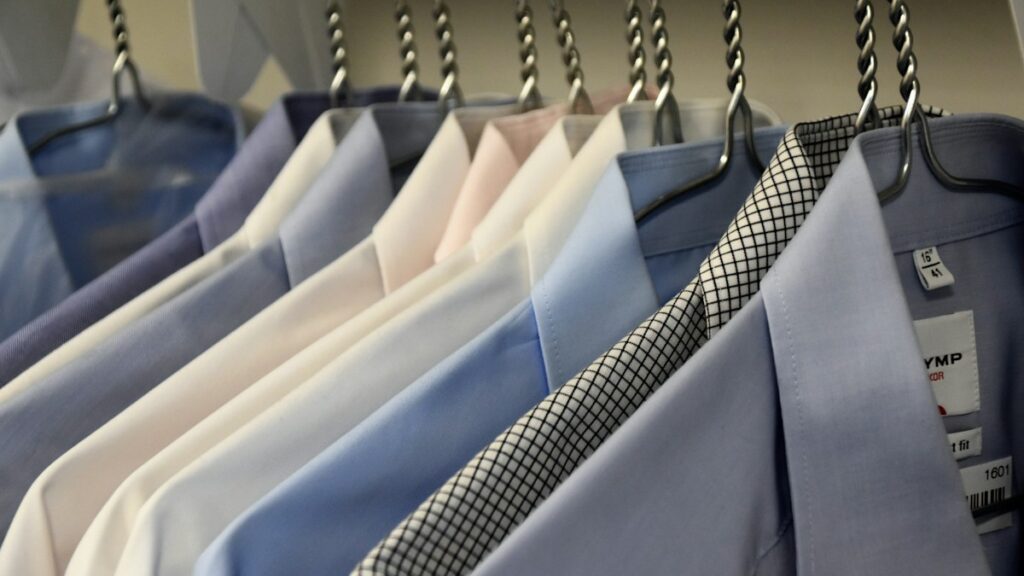
How often should you wash a dress shirt? Use sweat, odor, collar and cuff checks, and the care label to decide when to wash or wear it again.

How often should you dry clean a suit? Skip the rigid wear count. Use stains, odor, perspiration, fabric, and proper care to decide when cleaning is actually needed.