White sneakers are easy to own and easy to ruin. The safest way to clean them is to identify the upper material first, remove loose dirt before adding moisture, use the mildest cleaner that works, and avoid unnecessary soaking or heat. Test the cleaning method on an inconspicuous area first, particularly with suede or dyed details.
The mistake is treating every white sneaker as if it were made from the same material. Smooth leather, canvas, knit, suede, mesh, and coated synthetics respond differently to water, friction, detergent, and drying.
Start With the Material, Not the Stain
Before you touch the shoe with a brush, check what the upper is made from and look for the manufacturer’s care instructions.
Smooth leather usually responds well to controlled wiping because the surface is less absorbent. Canvas can tolerate more water, but aggressive scrubbing can still roughen the fibers. Knit and mesh can stretch or distort if you press too hard. Suede and nubuck require a much drier approach because saturation can change both texture and color.
If the sneaker combines several materials, clean each section according to the most delicate material in that area.
This one step prevents most cleaning mistakes. A product that is safe on a rubber midsole may be too harsh for leather finish. A wet method that works on canvas may permanently change suede.
Remove Loose Dirt Before You Add Water

Dry dirt is easier to remove when it is still dry.
Take out the laces. Remove the insoles only if the shoe design and manufacturer guidance allow it. Then use a soft dry brush or cloth to knock away dust, grit, and dried mud.
Pay attention to seams, the edge where the upper meets the sole, and textured rubber. Dirt collects in those areas and can turn into muddy paste if you wet the shoe immediately.
For dried mud, patience helps. Let it dry fully, brush off as much as possible, and only then move to a damp cleaning step.
Adding water too early often makes the job harder.
Use the Mildest Cleaning Solution That Works
For many leather, canvas, and synthetic sneakers, a small amount of mild soap diluted in water is enough for routine cleaning.
Do not assume stronger means better. Concentrated cleaners can leave residue, strip finishes, dry leather, or create uneven patches.
Test your solution on an inconspicuous area first, especially on expensive shoes or any upper with printed, coated, or dyed details.
Use a soft cloth, sponge, or soft bristle brush. Work in small sections. The goal is to lift dirt, not grind the surface.
If the cloth becomes dirty, rinse it before continuing. Otherwise you can spread grime from one area to another.
How to Clean White Leather Sneakers
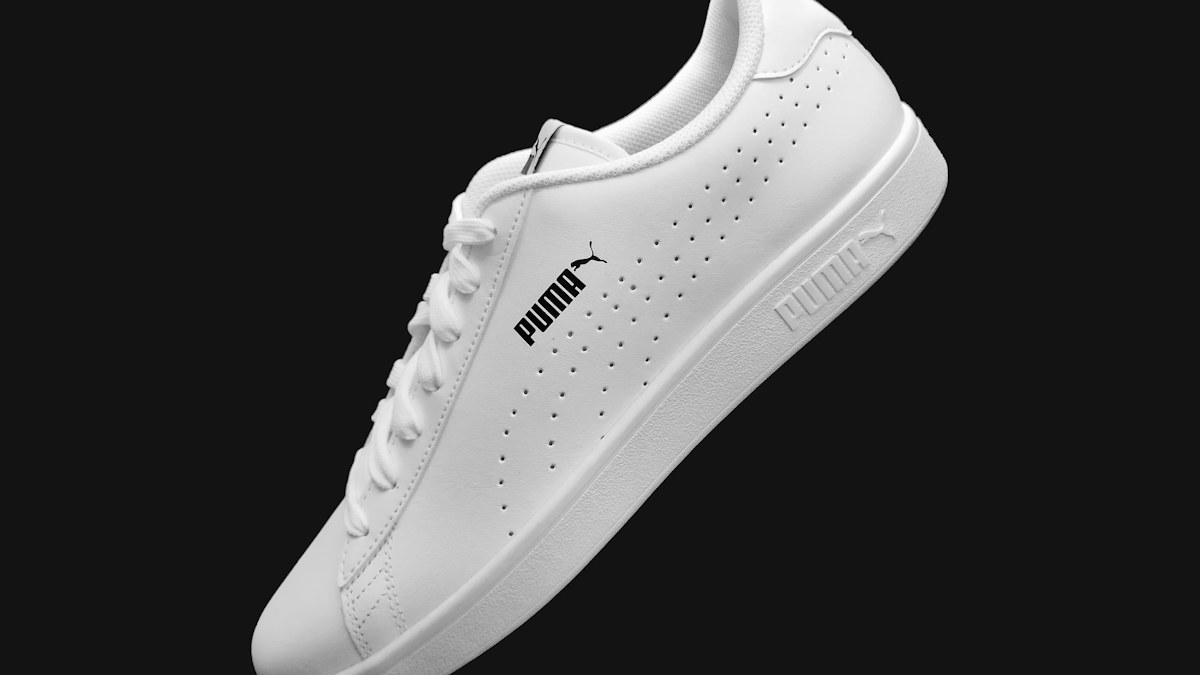
Leather benefits from a controlled approach.
Start with a slightly damp cloth and mild cleaning solution. Wipe rather than soak. Use small circular motions only where needed, and avoid letting water sit around seams and glue lines.
For stubborn marks, increase your effort gradually rather than jumping to harsh chemicals. A soft brush can help around textured areas, but the finished leather surface should not be scrubbed aggressively.
Once clean, wipe away soap residue with a separate damp cloth.
If the leather feels dry after cleaning, use a conditioner only if it is appropriate for that specific leather. Test it first because some products can change tone or sheen.
The cleaner the process, the less you need to repair afterward.
How to Clean White Canvas Sneakers

Canvas can usually handle more moisture than leather, but it is still possible to overdo it.
Brush the surface dry first. Then use mild soapy water and a soft brush or cloth. Work on one panel at a time rather than flooding the entire shoe.
Do not confuse visible foam with cleaning power. Too much detergent creates more rinsing work, and leftover soap can attract dirt or leave a stiff feel once dry.
Use a clean damp cloth to lift remaining residue.
If the manufacturer specifically says the shoes are machine washable, follow those instructions. Otherwise, hand cleaning gives you more control over shape, glue, and decorative details.
How to Clean Knit and Mesh Uppers
Knit and mesh sneakers need less pressure than most people think.
Their structure depends on flexible fibers. Heavy brushing can fuzz the surface, stretch the weave, or distort the shape.
Use a soft brush or cloth with diluted mild soap. Blot and lightly work the dirty area rather than scrubbing as if you were cleaning a rubber sole.
Support the shoe from inside with your hand or clean paper while you work so the upper does not collapse under pressure.
Rinse by wiping with a clean damp cloth rather than running the entire shoe under water unless the manufacturer explicitly allows it.
This is also one reason rotation matters. If you are building a practical shoe collection, How Many Pairs of Shoes Should a Man Own? A Practical Guide explains why a small rotation can reduce how hard any one pair gets used.
Suede and Nubuck Need a Drier Method
White suede is unforgiving because water can leave marks and change the nap.
Start with a suede brush or other material appropriate brush and work only on dry shoes. Brush gently in a consistent direction to lift surface dirt.
For a localized mark, a suede eraser may help if the manufacturer allows it.
Avoid soaking suede with a general sneaker cleaning mixture. If the stain is significant or the shoes are valuable, professional cleaning can be a better decision than experimenting with a wet method.
The point is not to force every stain out at any cost. Preserving the material matters more than making an old pair look factory new.
Clean the Midsole Separately
The rubber or foam edge around the shoe often tolerates firmer cleaning than the upper.
Use a soft or medium brush with mild solution and work around the midsole carefully. A melamine foam cleaner can be effective on some rubber surfaces, but test it first because it is mildly abrasive.
Stay away from painted details and avoid grinding at glue lines.
The contrast between a clean midsole and a dirty upper can make the entire shoe look worse, so treat both areas separately instead of using one aggressive method everywhere.
Do Not Ignore the Laces
White laces can make clean shoes look dirty.
Remove them before cleaning the upper. Hand wash them with mild detergent, rinse thoroughly, and let them air dry.
If they are heavily frayed, permanently discolored, or no longer hold a knot well, replacement is usually more sensible than repeated bleaching.
Fresh laces are inexpensive and often improve the appearance of the shoe more than another round of scrubbing.
Clean Insoles Carefully
Insoles need ventilation more than constant soaking.
If they are removable and the manufacturer allows cleaning, wipe or hand clean them gently and let them dry completely before returning them to the shoes.
Avoid reinstalling damp insoles. Trapped moisture creates odor and makes the shoe unpleasant to wear.
If the insole is glued in place, do not force it out just because a generic cleaning guide tells you to remove it.
Should You Put White Sneakers in the Washing Machine?
Only when the manufacturer clearly says the model is machine washable. Nike recommends hand washing its sneakers rather than putting them in a washing machine.
Machine agitation, long soaking, and spin cycles can affect shape, glue, foam, printed details, and structured components. Leather and suede shoes generally do not belong in a washing machine.
Even with machine washable canvas or fabric shoes, use the recommended settings rather than improvising. Remove loose dirt first and avoid high heat afterward.
The washing machine is convenient, but convenience is not the same as safety.
Be Careful With Bleach
Bleach is one of the fastest ways to turn a small cleaning job into a bigger problem.
It can weaken fibers, yellow some white materials, damage finishes, discolor glue, and create uneven patches. The risk increases when it is used too strongly or left in contact with the shoe.
If the manufacturer provides an approved bleach method for a specific washable material, follow that exact guidance.
Otherwise, start with mild soap and patience. White sneakers do not need to be chemically stripped to look clean.
Drying Is Part of the Cleaning Process
Do not finish a careful clean by damaging the shoes with heat.
Air dry most sneakers in a ventilated place away from direct high heat. Stuff them lightly with clean paper or use suitable shoe trees to help maintain shape.
Replace wet paper if necessary.
Avoid placing shoes directly beside a heater or using a hot dryer unless the manufacturer explicitly allows it. Heat can affect glue, foam, leather, and synthetic components.
Strong direct sunlight can also change some materials or accelerate yellowing, so shade with good airflow is usually safer.
How to Prevent the Next Deep Clean
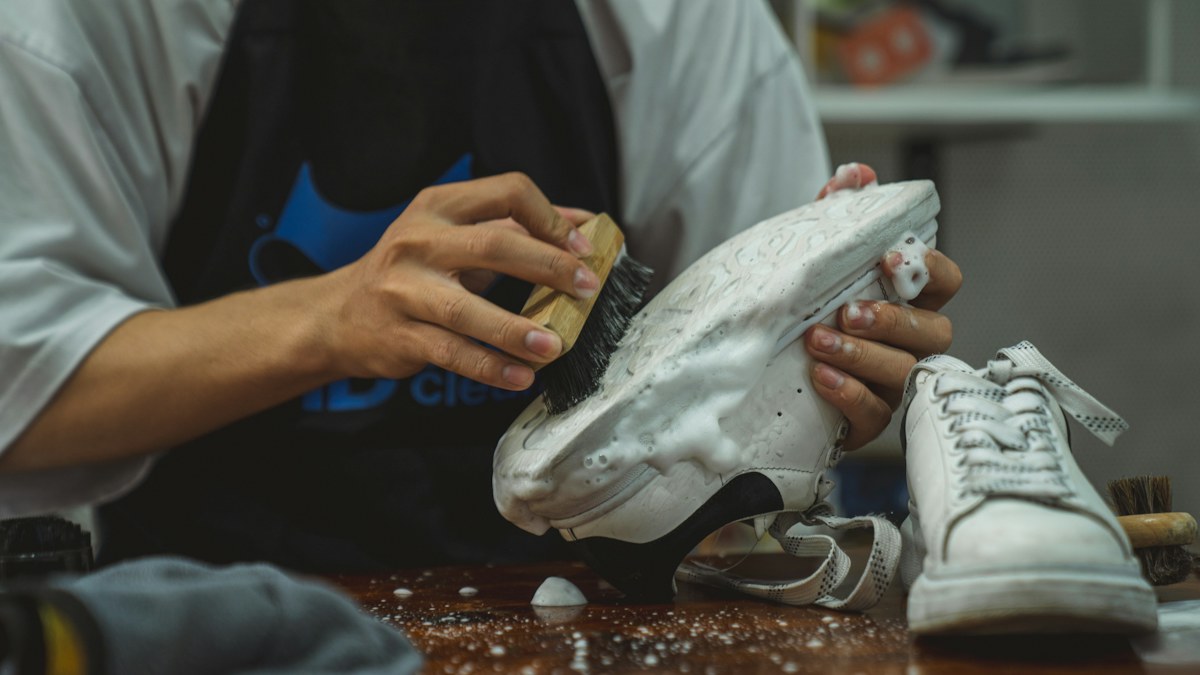
The easiest cleaning session is the one you never let become a restoration job.
Wipe fresh marks when you notice them. Brush off dry dirt before it becomes embedded. Let wet shoes dry fully before storing them. Rotate pairs instead of wearing one white sneaker every day. For outfit coordination, see when your belt should match your shoes.
A light maintenance clean every few wears is easier on the material than aggressive scrubbing every few months.
Storage matters too. Keep clean shoes somewhere dry and ventilated rather than sealed while damp.
If you own several pairs, organize them so the easiest pair to grab is not always the same one. A balanced rotation helps both appearance and lifespan.
Common Mistakes That Make White Sneakers Look Worse
Using the same method on every upper is how a quick refresh becomes damage. Leather needs controlled wiping, while canvas and knit respond differently to moisture and abrasion. Start gently, use only enough cleaner to lift dirt, and remove residue before it stiffens the fabric or leaves a mark.
Bleach and excessive heat are tempting shortcuts, but both can affect fibers, finishes, foam and glue. Avoid scrubbing harder simply because a stain is stubborn. Normal creasing is part of wearing sneakers; protecting the shoe matters more than chasing a factory new finish.
When Cleaning Is No Longer Worth It
There is a point where cleaning stops being the main issue.
If the sole is separating, the upper is torn, the cushioning has collapsed, or the shoe no longer fits properly, cosmetic cleaning will not restore its function.
Do not spend an hour whitening a pair that has already reached the end of its useful life.
A well maintained sneaker should still feel structurally sound. Appearance matters, but it should not distract you from the condition of the shoe itself. If it needs replacing, our practical guide to building a shoe rotation can help you buy only what your wardrobe needs.
A reliable shoe care routine supports a simpler wardrobe. Our capsule wardrobe guide explains how a smaller collection of versatile pieces can work harder for you.
The Modern Men HQ Standard
Clean white sneakers conservatively.
Identify the material. Remove dry dirt first. Use mild cleaner. Work in small sections. Keep strong chemicals and unnecessary heat out of the process. Let the shoes dry fully before wearing or storing them.
White sneakers look refined when they are cared for, not when they have been scrubbed into submission.
The standard is simple: preserve the shoe while improving the appearance. If the cleaning method risks damaging the material to chase a slightly brighter white, it is the wrong method.
Frequently Asked Questions
Can toothpaste or baking soda clean white sneakers?
Some homemade mixtures may lift marks, but they are not suitable for every shoe material or finish. Start with the manufacturer’s care advice and a mild cleaner. Test any unfamiliar method in a small, less visible area first.
Can you use a cleaning eraser on white sneaker soles?
A lightly dampened cleaning eraser may help with marks on some rubber midsoles, but it is abrasive. Test a small area and use minimal pressure. Keep it away from suede, delicate fabric, and finished leather unless the shoe maker permits it.
Can yellowed white sneakers become completely white again?
Surface dirt and some stains can be removed, but discoloration from aging, material changes, or damaged finishes may not be reversible. Avoid stronger chemicals simply to chase a perfect white if they risk damaging the shoe.
How often should you deep clean white sneakers?
Clean them when dirt has built up rather than following a rigid calendar. A quick wipe or gentle brush after ordinary wear can reduce the need for deep cleaning. Let the material and the shoe’s care instructions determine the method.