There is no universal calendar date for replacing underwear. The better rule is to replace a pair when the fabric, elastic, fit, or hygiene performance has clearly deteriorated. Check for a loose waistband, thinning at friction points, seams that irritate the skin and odor that persists after proper washing before deciding what to replace. For frequently worn basics, that often means evaluating them every six to twelve months rather than automatically throwing out an entire drawer on January 1.
What actually wears out first?
Waistband elastic usually tells the story before the fabric does. If the waistband folds, stretches permanently, or requires constant adjustment, the pair is no longer doing its job. Thinning fabric, holes, rough seams, and a stretched pouch are equally practical reasons to retire it.
Odor retention is another signal. Synthetic performance fabrics can sometimes hold odor even after proper washing. If a clean pair smells quickly despite following the care label, replacement may make more sense than harsher washing that damages the fabric further.
Why there is no honest universal replacement schedule
A replacement date sounds tidy, but underwear does not age on a calendar. A man with fourteen pairs in rotation puts far fewer wear and wash cycles on each pair than someone relying on five. Fabric weight, construction, activity level, laundry method, climate and fit all change how quickly a pair stops performing.
That is why the useful version of the common six to twelve month advice is a review interval, not an expiration date. At that point, inspect the pairs you wear most. Keep the ones that still fit, recover their shape and come out of the wash clean and comfortable. Retire the ones that have stopped doing those things.
Fit failure matters before visible damage
A pair can be worn out without looking destroyed. Support depends on the waistband, leg openings, pouch and stretch fabric working together. Once the waistband slides or rolls constantly, the legs ride up more than they used to, or the pouch no longer holds its shape, the garment has lost part of its function.
Pay attention to what you do automatically during the day. Repeatedly pulling the waistband up or adjusting the legs is useful evidence. So is consistently leaving one pair in the drawer because another pair feels better. Those small annoyances often identify worn underwear earlier than a dramatic tear does.
Persistent odor needs a different test
Do not confuse normal post workout odor with a pair that cannot be cleaned satisfactorily. Underwear sits against skin and collects sweat, oils and skin debris, so regular laundering matters. Cleveland Clinic guidance recommends changing into fresh underwear at least daily and keeping the genital area clean and dry.
If odor remains after the pair has been washed according to its care label and dried completely, first rule out a laundry problem. Overloading the washer, leaving damp clothes sitting, using more detergent than the machine can rinse away, or storing underwear before it is fully dry can all create unpleasant results. If the problem follows one old pair while the rest of the load comes out clean, retiring that pair is reasonable.
Wash frequency and replacement are separate questions
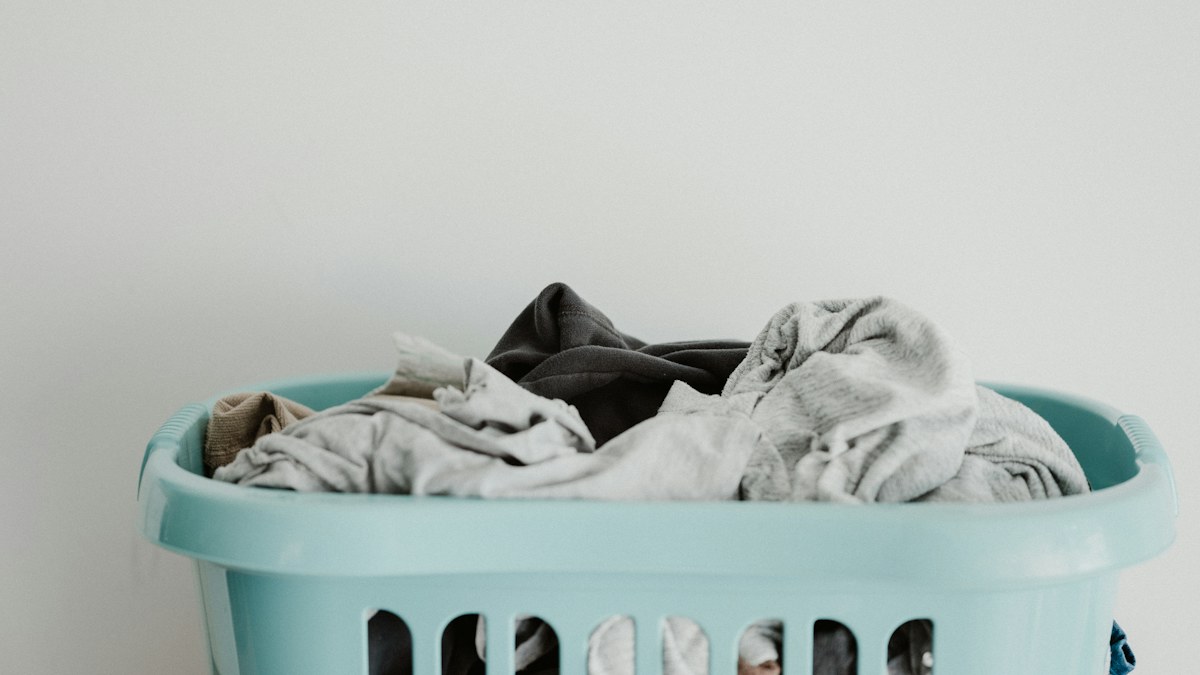
Fresh underwear should normally be a daily habit, and a sweaty training session can justify changing sooner. That does not mean the garment itself needs frequent replacement. Hygiene comes from cleaning a serviceable garment properly; replacement becomes relevant when cleaning, fit or fabric condition no longer returns it to a useful state.
This distinction also prevents a bad shortcut: buying new underwear is not a substitute for a sound laundry routine. New pairs still need normal care. Cleveland Clinic dermatologist Shilpi Khetarpal also recommends washing newly purchased clothing before first wear to remove dyes, irritants and residues from manufacturing and handling.
How laundry habits change lifespan
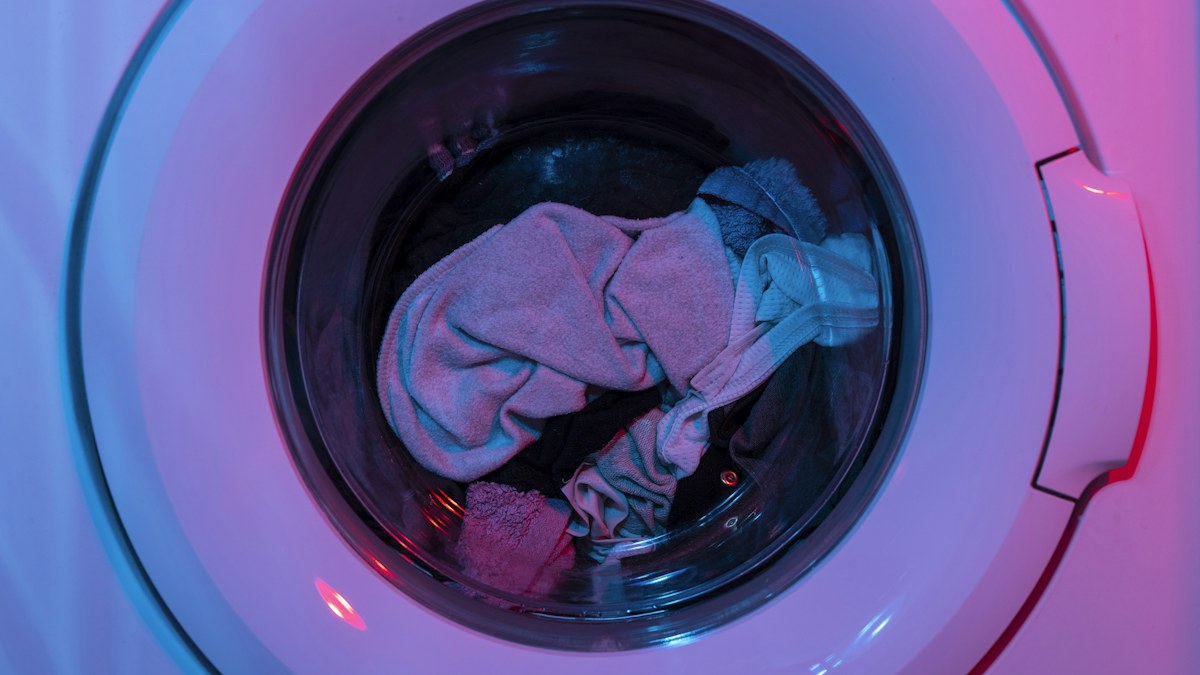
Stretch fabrics deserve particular care because heat and mechanical stress affect elastic components over time. The care label should be the first authority because blends differ. In general, using the recommended cycle and avoiding unnecessary heat is a safer strategy than assuming hotter always means cleaner.
There is a practical tradeoff here. Underwear needs thorough washing, but aggressive treatment can shorten its useful life. If the label allows machine drying, use the appropriate setting rather than automatically choosing the hottest one. If a pair contains a meaningful amount of elastane and its fit matters, gentler drying can help preserve the stretch that keeps the garment comfortable.
When stains mean retire it and when they do not
A cosmetic stain does not automatically make clean underwear unhygienic. Judge whether the garment can still be washed properly and whether the stain reflects damage, persistent residue or simply discoloration. A bleach mark or faded dye may be ugly while the fabric remains structurally sound.
Retire the pair when staining comes with material deterioration, persistent odor after proper laundering, contamination that cannot be adequately cleaned, or a texture change that makes the garment uncomfortable. The point is not to make underwear look new forever. It is to keep only garments that can still be cleaned and worn as intended.
How many pairs make a sensible rotation?
Start with your laundry schedule rather than a universal drawer count. If you wash clothing weekly, seven everyday pairs is the bare mathematical minimum. A small buffer makes more sense because workouts, travel, delayed laundry and an extra shower can create additional changes.
For many men, roughly ten to fourteen everyday pairs creates breathing room without turning the drawer into storage for clothes that rarely get worn. Add separate performance pairs only if training or work actually demands them. A larger rotation can reduce how often each pair is washed, but buying twenty mediocre pairs is not automatically better than owning a smaller set you consistently choose.
Build the drawer around use cases
Think in categories only when the categories reflect your life. Everyday underwear should cover ordinary work and home use. Training underwear should manage sweat and movement if you exercise regularly. Travel may reward quick drying fabrics; our carry-on packing guide explains how to plan a practical one-week travel wardrobe. Men who work outdoors in heat may care more about moisture management and chafing than someone who spends most of the day in an air conditioned office.
The best rotation is therefore boringly practical: enough clean pairs for the interval between laundry days, enough backup for unusual days, and very few pairs you avoid wearing. If half the drawer is technically usable but always passed over, the collection is larger on paper than it is in practice.
The same buying discipline applies beyond underwear. Our capsule wardrobe guide shows how to choose basics you will actually wear instead of filling drawers with duplicates.
Cotton, blends and merino age differently

Material changes both comfort and the signs of wear. Cotton can soften and thin with repeated use. Stretch blends may retain a smooth fit for a long time, then become noticeably loose as the elastic component tires. Merino blends can manage moisture and odor well, but they may need more careful washing and can show abrasion in high friction areas.
Do not assume one fiber is universally best. Look at the care label and judge the garment against its intended job. For daily underwear, breathability, comfort and reliable cleaning matter more than marketing language. For sport, drying speed and stable fit may matter more. The replacement decision is still based on performance and condition.
A five minute quarterly drawer check

You do not need a spreadsheet for underwear. Every few months, empty the drawer and make three piles: keep, inspect, retire. The keep pile contains pairs that fit and wash well. The retire pile contains torn, stretched, persistently unpleasant or uncomfortable pairs. The inspect pile gets one more wear if you genuinely cannot decide.
Then notice the pattern. If every failed pair came from the same multipack, that is useful information for the next purchase. If only your four favorite pairs are worn out while six others look new, the problem may be the rotation rather than the age of the drawer. Replace what you actually need instead of buying another arbitrary bundle.
When to replace several pairs at once
A full drawer refresh makes sense when most of the collection was bought together and has reached the same condition, when your size or preferred fit has changed, or when you have discovered that a different cut solves a recurring comfort problem. Otherwise, staggered replacement is usually more rational.
Replacing one or two failed pairs at a time also lets you test fabrics and cuts without committing the whole drawer. If the new model rides up or the waistband bothers you, you learn that after one purchase rather than ten.
What not to use as a replacement rule
Do not replace underwear simply because social media says every man must do it every six months. Do not keep a pair solely because it was expensive. Do not treat discoloration as identical to structural failure, and do not assume a garment is clean merely because it does not smell.
The useful questions are simpler: Does it fit correctly? Can it be cleaned properly? Is the fabric intact? Is it comfortable for its intended use? Do you actually choose to wear it? A no to one of those questions is more informative than the purchase date.
A practical replacement standard
For frequently worn underwear, use six to twelve months as a reminder to inspect rather than a deadline to discard. Check high wear pairs sooner if you train often, work in heat or keep a small rotation. Let lightly used pairs stay longer if their elastic, fabric, fit and cleanliness remain sound.
This approach is less dramatic than an annual drawer purge, but it is more useful. Good basics should earn their place by continuing to work. Once a pair cannot hold its fit, survive normal cleaning or stay comfortable through a normal day, replace it and move on.
Frequently Asked Questions
Should you wash new underwear before wearing it?
Yes. Washing new underwear according to its care label is a sensible first step before it sits against your skin. It also lets you check whether the fabric or fit changes after laundering.
Should you change underwear after a workout?
Change into a clean, dry pair after a sweaty workout. That does not mean the workout pair needs to be thrown away. Launder it according to the label and keep using it if the elastic, fabric, and fit remain sound.
Does expensive underwear last longer?
Not automatically. Fabric quality, elastic construction, frequency of wear, and laundry habits all affect lifespan. A comfortable, well made pair is worth keeping while it performs properly, regardless of its original price.
What should you do with underwear that is too worn to keep?
Do not pass worn underwear to a donation program unless it specifically accepts it. Check whether a local textile recycling service accepts clean, worn undergarments. If it does not, dispose of them according to local waste rules.