How often should you wash jeans? For ordinary casual wear, roughly five to ten wears is a practical starting point. Wash them sooner when they smell, feel sweaty, have visible dirt, or have been exposed to something you need to remove. A man wearing denim for a few hours in a cool office has different laundry needs from someone wearing the same pair all day in humid weather.
There is no useful prize for wearing dirty jeans. The aim is to keep denim clean without washing it so aggressively that the fabric loses color, shape, or comfort before its time. Levi’s denim care guidance suggests washing around every ten wears to maintain shape and fit. Treat that as one brand’s care recommendation, not a universal hygiene schedule.
Why five to ten wears is a starting point, not a rule
Jeans are often made from sturdy woven cotton that can tolerate several ordinary wears between washes. They are not, however, immune to sweat, body oils, food, dust, or the conditions of your day. If you wore a pair for two hours and spent most of that time sitting indoors, it may not need the same attention as denim worn through a long commute and an afternoon outdoors.
Instead of marking a tenth wear on the calendar and ignoring everything before it, assess the actual condition. Look at the waistband, seat, pockets, hems, and areas that rub against other surfaces. Smell the fabric after it has had a chance to air out. If the jeans are noticeably soiled or unpleasant, the next step is laundry, regardless of the count.
What counts as one wear?
A wear is better understood as a period of use rather than a fixed number of hours. A brief dinner does not put the same demand on jeans as a full day of work. If you change into denim for a few quiet hours, you can reasonably treat that differently from wearing it continuously in heat.
This is why a simple number cannot replace judgment. Someone who wears jeans twice a week might wash them every few weeks. Someone wearing the same pair during a humid daily commute may need to wash them much sooner. Neither man is necessarily caring for his clothes incorrectly.
When should you wash jeans sooner?
Visible stains, heavy perspiration, an unpleasant odor, or contact with substances that should not remain on clothing are clear reasons to wash a pair. Treat jeans worn for messy work, strenuous activity, or a particularly hot day according to what actually happened to the fabric.
Pay attention to the inside as well as the outside. The seat and waistband collect moisture and oils even when the front of the jeans looks presentable. If your skin has been irritated by the fabric or a pair feels noticeably unclean, preserving the perfect fade is not a reason to keep wearing it.
Why climate and activity change the schedule
Humidity can make clothing take longer to dry after use. In a hot climate, an otherwise ordinary day can leave denim damp with sweat. Wearing jeans again before they have dried can make the fabric feel unpleasant even if no stain is visible.
In cooler weather, jeans worn over clean underwear during low activity may stay comfortable for longer. The sensible approach is to change the schedule with the season rather than force every pair into the same routine. If you are traveling, think about how many times you will actually wear the jeans, the weather, and whether you will have a practical way to wash and dry them.
Raw denim is different, but it still needs cleaning
Raw denim has not gone through the same finishing and washing processes as many ordinary jeans. The fabric changes as you wear it, and the creases around your knees, pockets, and thighs can develop distinctive fading. Some enthusiasts delay the first wash because they prefer the way those creases develop.
That preference does not make washing harmful in itself. If your raw denim is dirty or smells, clean it according to its care instructions. Levi’s garment care guidance recommends gentle cleaning, cool water, and air drying to help preserve denim. A pair should fit your life, not dictate how long you tolerate dirt.
Stretch denim deserves more care around heat
Stretch jeans combine denim with elastic fibers to make the fabric easier to move in. Their care requirements may differ from those of rigid cotton denim. Heat and aggressive drying can affect how the garment fits over time, so always check the instructions sewn into the specific pair.
If you own several types of jeans, do not assume they can all go into the same wash and drying cycle. Separate a delicate dark stretch pair from heavy work denim when their care labels call for different treatment. Following those labels is more useful than applying a blanket rule to everything in the drawer.
What should you do between washes?
Give jeans room to dry after you take them off. Hang them somewhere with airflow rather than leaving them in a damp pile or shutting them immediately inside a crowded drawer. If the pair is dry and clean enough to wear again, put it away once it has aired out.
Use the interval to inspect the hems, pockets, buttons, and any areas that receive heavy friction. Loose stitching is easier to repair before it becomes a larger tear. This kind of simple upkeep does more for longevity than trying to avoid the washing machine at all costs.
Can you spot clean jeans instead of washing the entire pair?
Yes, for a small, localized mark, spot cleaning may be all that is needed. Blot or gently work on the affected area with a damp cloth and a little mild soap, testing an inconspicuous area first if the denim is dark or prone to dye transfer. Do not scrub so hard that you create a pale patch around the stain.
Spot cleaning has limits. It will not remove sweat and oils distributed through the waistband or seat, nor is it suitable when the whole garment is dirty. If the stain is stubborn, follow the garment’s care label and the cleaner’s instructions instead of mixing stronger chemicals in the hope of getting an instant result.
How should you wash jeans properly?
Start by checking the care label, emptying the pockets, closing the zipper, and turning the jeans inside out. Wash them with similar colors, especially when the denim is new or very dark. The inside out position helps reduce direct abrasion on the visible face of the fabric.
Choose a gentle wash when the garment allows it and avoid crowding the machine. Denim is heavier when wet, so an overloaded drum can make rinsing less effective. Use only the detergent needed for the load. Residue is not a sign of a deeper clean, and heavy fragrance is not a substitute for removing dirt.
What water temperature and detergent should you use?
Cold water and a mild detergent are sensible defaults for many pairs, provided their care labels agree. Levi’s recommends a cold, gentle wash for its denim and suggests detergent designed for dark colors when appropriate. Dark indigo and black jeans can benefit from being washed with similar shades to limit the effect of dye transfer.
A heavily soiled work pair may require a different treatment, but do not raise the temperature simply out of habit. Use the garment maker’s instructions and the cleaning product’s label to decide what the fabric can handle. Keeping the process simple is usually easier to repeat consistently.
How do you dry jeans without damaging the fit?
Air drying is a useful default. After washing, reshape the jeans gently and hang them or lay them flat as the label directs. Avoid leaving dark denim in strong direct sunlight for longer than necessary if preserving the color matters to you.
A hot dryer may contribute to shrinkage or changes in fit, particularly in garments with stretch fibers. If machine drying is permitted and you need to use it, follow the care instructions instead of choosing the hottest cycle. Dry jeans fully before folding or wearing them again.
Should dark, black, and light jeans be washed differently?
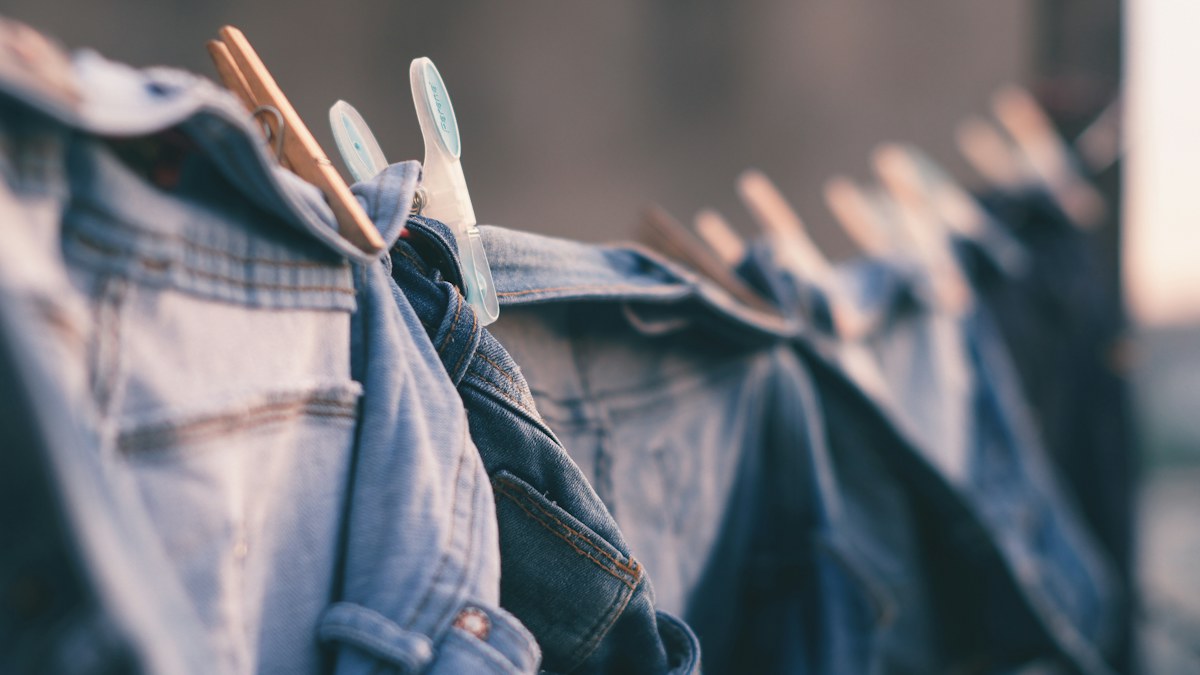
The basic process may be similar, but color deserves attention. New dark denim can release excess dye, particularly during its first washes. Washing it separately or with similarly dark items helps protect lighter clothes. Turning dark jeans inside out can also reduce abrasion on the outward facing fabric.
Light jeans show some marks more clearly, but that is not a reason to use harsh cleaners without checking the label. Spot treat stains carefully, keep whites and light colors together when appropriate, and avoid assuming that every fabric with a pale color tolerates bleach.
Does freezing jeans replace washing?
No. Putting jeans in a freezer does not remove the dirt, sweat, skin oils, or residue accumulated through wear. Even if the pair smells different afterward, the material you wanted to clean has not been washed away.
When jeans need cleaning, use a suitable cleaning method. For a small mark, spot cleaning may be enough. For accumulated soil or odor, launder the full pair according to its instructions. The freezer is not a useful replacement for a laundry routine.
Why do jeans feel tighter after washing?
Denim can feel firmer immediately after a wash because the fibers and garment have been reset by water and drying. How much the fit changes depends on the fabric, the original finishing process, and how you washed and dried it. Heat can make the effect more noticeable in some garments.
Do not assume a freshly washed pair that feels slightly rigid is permanently ruined. Put it on and assess how it behaves during normal movement. If the jeans are consistently too tight, however, check whether the washing method is appropriate and whether the original fit was too close in the first place.
How many pairs of jeans make a sensible rotation?
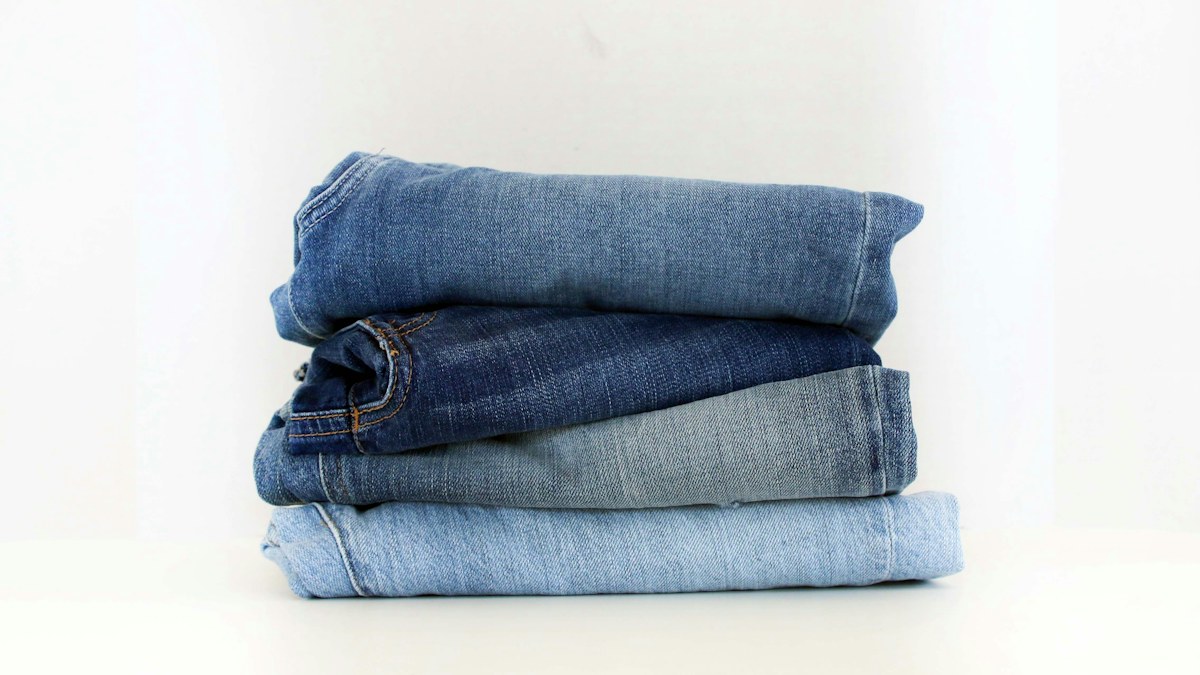
A rotation is useful when each pair serves a clear purpose. One versatile dark pair and one more relaxed or lighter pair may be enough for a man who wears denim only on weekends. Someone who wears jeans most days might benefit from an additional pair so that freshly washed denim has time to dry fully.
The principle is the same one used in our men’s capsule wardrobe guide: keep what you wear and care for properly. You do not need a collection of nearly identical jeans to avoid washing one pair too often. Two pairs that fit well will usually be more useful than five pairs you avoid because their fit is wrong.
Common mistakes that shorten the life of denim
The most avoidable mistakes are treating every pair the same, using unnecessary heat, overloading the washing machine, and leaving damp jeans in a pile. Repeatedly scrubbing one section can also create uneven color and surface wear. These problems tend to come from an aggressive routine rather than from washing at a sensible interval.
Ignoring fit is another form of unnecessary wear. If your jeans constantly drag on the ground, the hems will suffer regardless of how carefully you wash them. Our trouser length guide
The Modern Men HQ standard
Start with approximately five to ten ordinary wears, but let condition determine the actual wash day. Wash sooner after sweat, dirt, stains, or unpleasant odor. Turn jeans inside out, follow the care label, use a gentle process, and air dry when practical. Levi’s ten wear recommendation is a useful benchmark, not permission to ignore what the garment needs.
Denim should be easy to live in. A consistent routine protects the fabric while keeping your clothes presentable. Apply the same sensible approach to the rest of your wardrobe, from jeans to the dress shirts covered in our dress shirt washing guide.
Frequently Asked Questions
Should you wash new jeans before wearing them?
Check the care label and the type of denim. A first wash can help remove excess dye and finishing residue, although some raw denim owners prefer to wear a pair before its first wash. Wash new dark jeans separately from light clothes if color transfer is a concern.
Is it okay to wear jeans on consecutive days?
Yes, if the jeans are dry, clean, and free of unpleasant odor. Let them air out between wears. Wash sooner when sweat, dirt, or the conditions of your day make another wear uncomfortable.
Can you wash jeans with towels?
Washing them separately is usually more practical. Towels can leave lint on denim, while new dark jeans may transfer dye to lighter towels. Sort laundry by color, fabric weight, and care instructions.
Should you use fabric softener on jeans?
It is generally unnecessary. A suitable detergent and the correct wash cycle should be enough for routine care. Check the garment label, especially for stretch denim, before adding other laundry products.
Sources and further reading
Levi’s: Denim care and washing provides the brand’s guidance on wash frequency, water temperature, spot cleaning, and drying. Levi’s Philippines: Denim care provides additional advice for caring for jeans and denim garments.