Most men do not need a closet full of dress shirts. The right number depends on how often you wear them and how often you do laundry. For someone who wears a dress shirt five days a week, roughly seven to ten versatile shirts usually creates enough rotation without turning the wardrobe into storage.
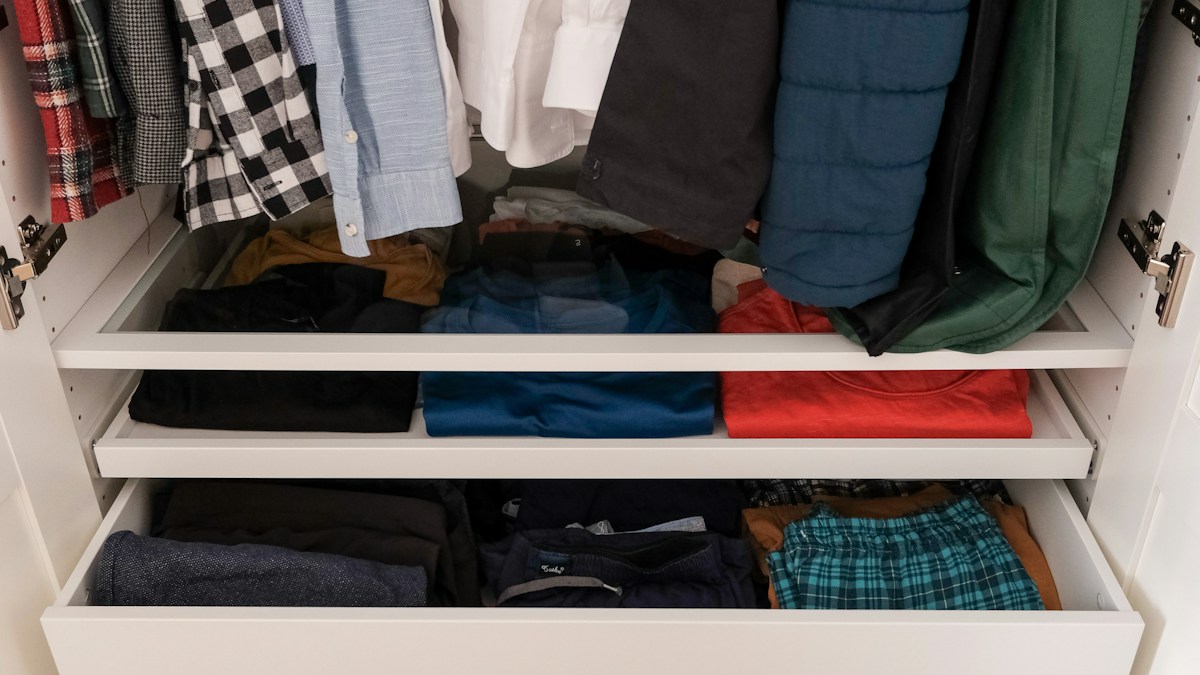
Start with your actual week
Count how many days you wear a dress shirt between laundry cycles. That number is your minimum. Add two or three for delays, spills, travel, or an unexpected formal day.
If you wear dress shirts only for occasional meetings, dinners, or events, three to five good shirts may be enough. Buying twelve because a list says every man needs twelve creates more maintenance without more usefulness.
Build the core first
A crisp white shirt remains the easiest formal option. Light blue is almost as versatile and often softer with navy, grey, and brown tailoring. After those, subtle stripes, pale neutrals, or another blue can add variety without creating shirts that only work with one outfit.
Fit matters more than count
Five shirts that fit your neck, shoulders, sleeves, and torso are more useful than fifteen shirts you constantly adjust. Collar shape also matters if you wear ties. A collar should work with your face and jacket rather than being chosen because it is currently fashionable.
Think in rotations, not collections
If you wear a shirt once and immediately send it for cleaning, you need a larger rotation than someone who launders at home several times a week. Travel can also justify extras because a clean backup shirt takes little luggage space and can rescue a trip after a spill.
When to add another shirt
Add one when you can name the gap. Maybe you need a second white shirt because the first is always in the wash, a more casual Oxford for open collar days, or a shirt that works with a specific suit. Do not add one simply because the rack is on sale.
When to retire one
Yellowing, frayed cuffs, collar wear, permanent stains, and a fit that no longer works are reasonable retirement signals. Some shirts can become casual layers before being discarded.
Calculate Your Dress Shirt Rotation
Count the days you normally need a fresh dress shirt before your clean laundry is available again. Then keep a modest reserve for spills, trips, and delayed washing. Do not include casual shirts that you would never wear to the same occasions.
| Your routine | Shirt-wearing days between completed laundry cycles | Illustrative reserve | Starting rotation |
|---|---|---|---|
| Occasional formal events | 2 | 1 spare | 3 versatile shirts |
| Five-day office week, weekly laundry | 5 | 2 spares | 7 versatile shirts |
| Five-day office week, washing less often | 10 | 2 spares | 12 shirts, or wash more often |
| Mixed office and casual schedule | 3 | 1 spare | 4 suitable shirts |
These are examples, not purchase targets. The useful rule is shirts needed before the next completed wash + a small practical reserve. Adjust for how often you can rewear a particular shirt, whether you travel, and how long washing, drying, or pressing takes.
How many shirts do you need for a five day office week?
If dress shirts are your normal Monday through Friday uniform, seven is a practical minimum and ten gives you more breathing room. Five shirts cover the workweek only when laundry happens exactly on schedule. A seventh or eighth shirt protects you from the ordinary problems that make rigid capsule wardrobes annoying: a stain at lunch, a delayed wash, an overnight trip, or a shirt that needs pressing when you are already late.
The useful formula is simple. Start with the number of dress shirt days in your longest normal laundry cycle. Then add roughly twenty to forty percent as a buffer. If you wear five shirts between washes, seven is comfortable. If you regularly go ten days between laundry runs, a larger rotation makes more sense than trying to force the same five shirts through constant emergency washing.
That buffer is not an excuse to collect. It is there so the wardrobe keeps working when life is imperfect.
What if you work from home or dress casually?
A man who wears tailoring twice a month does not need the same rotation as a man who wears it every weekday. Three shirts can cover a surprising amount of ground when the colors are chosen well: white, light blue, and one subtle pattern or textured option.
If your office is business casual, separate true dress shirts from casual button downs. An Oxford cloth button down can work with chinos, denim, and some relaxed tailoring, but it is not always the best choice under a formal suit. Likewise, a fine white poplin shirt may be excellent with a tie but feel overly formal with weekend clothes.
Count the situations you actually face. If most weeks require polos, knitwear, or casual overshirts, there is no benefit in maintaining a ten shirt formal rotation just because that number sounds complete.
Which colors should come first?
White and light blue earn their place because they work with almost every common suit and tie color. If you wear dress shirts frequently, owning more than one of each is often smarter than chasing variety. Repetition is not a problem when the shirt is functioning as a foundation rather than the centerpiece of the outfit.
After that, add controlled variation. Fine blue stripes, pale pink, soft grey, or another understated pattern can expand the rotation without creating difficult combinations. The exact choice should reflect your jackets, suits, skin tone, and workplace rather than a universal ranking.
Avoid buying the interesting shirt before the useful one. A bold check may look excellent on the hanger and still spend most of the year untouched because it clashes with the jackets you actually own.
How many white dress shirts should a man own?
For a man who wears a suit or formal business clothing most weekdays, two or three white shirts is reasonable. One can be worn while another is in the laundry, and a third gives you a clean backup for an important meeting or event.
Occasional wearers may need only one excellent white shirt. The key is condition. White fabric shows collar discoloration, cuff wear, and stains quickly, so the shirt you reserve for interviews, weddings, or formal dinners should be checked before the day you need it.
If you repeatedly reach for white, buy duplicates of the cut that fits you well instead of assuming every new shirt has to be different. A reliable uniform is often more useful than variety for its own sake.
How should laundry frequency change the number?
Laundry is the hidden variable in almost every wardrobe count. A man who washes and irons at home twice a week can operate with fewer shirts than someone who sends everything to a cleaner and waits several days for return. The same is true if your shirts need air drying or careful pressing before they are ready to wear again. Our guide to how often to wash a dress shirt helps plan care around wear and fabric rather than a rigid timetable.
Build the rotation around the slowest realistic turnaround, not the best case. If shirts regularly spend four days between the hamper and the hanger, make sure enough clean options remain during that gap. This prevents the familiar cycle of wearing a less suitable shirt simply because the good ones are all waiting for laundry.
Should you own separate shirts for suits and casual wear?
Sometimes. The distinction becomes useful when your formal and casual wardrobes demand different fabrics, collars, or proportions. A spread collar poplin shirt can sit cleanly under a structured suit. A heavier Oxford can look better with chinos, denim, or an unstructured jacket. Trying to make every shirt perform every role can leave you with compromises at both ends.
You do not need two completely separate wardrobes. Instead, identify the shirts that genuinely cross over. Light blue Oxford cloth is one example for many men. A clean white shirt with a moderate collar can also cover more than one setting depending on the fabric and styling.
How to know when you own too many
The warning sign is not a specific number. It is unused clothing. If you repeatedly choose the same five shirts while another ten stay untouched, the larger collection is not giving you more options in practice.
Before adding another shirt, name the job it will do. It might replace a worn favorite, give you a second white shirt for formal weeks, or add a casual option that works without a tie. If you cannot name the gap, waiting is usually the better move.
A practical starter rotation
A frequent office wearer can build around two white shirts, several light blue shirts, one restrained stripe, and one other subtle option that works with existing jackets and trousers. The exact mix should reflect the dress code. A business casual office may justify more Oxford cloth and fewer formal poplin shirts.
The point is to make every clean shirt easy to wear. A useful rotation reduces morning decisions because the colors and patterns already work with the rest of the wardrobe.
How to buy the next shirt better
Start with fit before brand. The collar should close comfortably, the shoulders should sit cleanly, the sleeves should reach the wrist, and the torso should allow movement without excessive fabric. Use our dress shirt fit checklist before purchasing multiples. Then check the care label and ask whether the maintenance fits your routine.
Finally, compare the shirt with what you already own. If it creates several immediate outfits, it has a clear role. If it requires new trousers, a new tie, and a different jacket before it works, it may be creating more wardrobe problems than it solves.
If you are building the rest of your tailoring rotation, our practical guide to how many suits a man should own can help you size that part of the wardrobe too.
The bottom line
For daily office wear, seven to ten well chosen dress shirts is a strong working range. Occasional wearers can often manage with three to five. Build around laundry frequency, dress code, and fit, then stop when every shirt has a clear job.