How often should men replace T-shirts? There is no fixed replacement schedule. Keep a tee while its collar, fit, fabric and odor still hold up. Replace or downgrade it when stretching, thinning, persistent stains or smells make it unsuitable for its usual role.
If you mean how often to change into a clean T-shirt, wearing a fresh one each day is a sensible starting point, and change sooner after heavy sweating. That is a different question from when to buy a replacement.
The practical question is whether the shirt still looks intentional enough for the job you give it. A tee can stop being good enough for an outfit long before it becomes useless as home or work clothing.
Before replacing a shirt that still looks new, check whether the problem is simply the cut. Our men’s T-shirt fit guide explains how the shoulders, sleeves and hem should sit, so you can tell poor fit from actual wear.
| Condition | Decision |
|---|---|
| Shape, collar, color, and fabric still clean | Keep in normal rotation |
| Minor fading or wear but structurally sound | Downgrade to home, sleep, or rough work use if useful |
| Stretched collar, persistent stains, obvious thinning, holes, or warped shape | Replace for normal wear |
Start With the Collar
The collar often tells you a T-shirt is finished before the body does. Once the ribbing becomes wavy, stretched, or permanently distorted, the shirt looks tired even if the rest of the fabric is intact.
This matters most on plain crew necks because there is nowhere for the damage to hide. If the collar no longer lies flat after washing and drying, move the shirt out of your normal rotation.

Check the Fabric for Thinning
Hold the shirt up to light and look at the high friction areas. Underarms, the lower front, shoulders, and side seams often thin before the whole garment feels worn.
Fabric that has become unusually transparent, papery, or weak is near the end of its useful life. Waiting for a full hole simply means you are using a more dramatic signal than necessary.
Fading Is Not Always a Reason to Replace
Some fading gives a casual T-shirt character, especially with heavier cotton or washed colors. The question is whether the fading looks even and intentional or whether the shirt now appears patchy and neglected.
Black and navy tees make this especially obvious because repeated washing can leave the body, seams, and collar different shades. If you still like the faded look, keep it. If it undermines the outfit, retire it from that role.

Stains Need a Realistic Standard
A tiny mark on a home shirt is different from a visible stain on the white tee you wear under an overshirt. Decide based on visibility and use rather than convincing yourself every mark makes the garment unusable.
When a stain sits in a high visibility area and survives proper cleaning, it is a replacement signal for normal outfits. Do not keep spending time trying to rescue a low cost basic that still looks dirty.
What About Odor That Comes Back Quickly?
If a shirt smells clean from the wash but develops a stubborn odor unusually quickly, first check your washing routine, detergent buildup, and whether the fabric is actually drying fully. Synthetic blends can also hold odor differently from cotton.
If repeated proper cleaning does not solve the problem, the tee may no longer be worth keeping for public wear. Clothing should not create a hygiene problem you need to manage every time you put it on.
- Pull every tee out of the drawer.
- Check collar, shape, stains, fabric thickness, and odor.
- Keep only the shirts that still serve a clear role.
- Replace gaps, not random pieces.
Stretching and Twisting Matter Too
A T-shirt can survive without holes and still lose its shape. Side seams that twist forward, a hem that no longer hangs evenly, or a body that has stretched wide can make the fit look wrong even when the labeled size has not changed.
If the garment no longer holds the silhouette you bought it for, treat that as structural wear. This is especially relevant for tees you rely on as clean wardrobe basics.

How Wear Frequency Changes Lifespan
A favorite tee worn every week goes through far more friction and washing than a seasonal shirt. Gym use, sweat, backpacks, seat belts, and dryer heat can increase wear further.
That is why there is no useful universal rule that every T-shirt should be thrown away after a particular number of months. Condition and frequency tell you more than age.
Can Better Rotation Make T-Shirts Last Longer?
Yes, because no single shirt absorbs every wear and wash. A small group of tees that all fit well is more useful than one favorite getting punished while five mediocre shirts sit untouched.
This is one reason a disciplined wardrobe often lasts longer even when it contains fewer pieces. Our guide to capsule wardrobe mistakes covers the problem of owning basics that never actually get worn.
When Should You Downgrade Instead of Throwing Away?
A faded shirt with a good collar may still work for yard work, cleaning, sleep, or messy projects. Downgrading makes sense when you genuinely have a use for the garment.
Do not create a second drawer of clothes you never wear just to avoid making a decision. If the downgraded category is already full, the shirt has probably reached the end of its role.

How to Make New T-Shirts Last Longer
- Wash only when the shirt actually needs washing.
- Use an appropriate cycle rather than maximum heat by default.
- Avoid excessive dryer heat when the fabric does not need it.
- Treat stains early.
- Rotate your best basics instead of wearing one constantly.
- Fold or hang in a way that does not distort the collar.
Good care is useful, but it should not become a preservation ritual. T-shirts are working clothes. The goal is simply to slow unnecessary damage while still wearing them.
Replace Gaps, Not the Whole Drawer
An optional product example
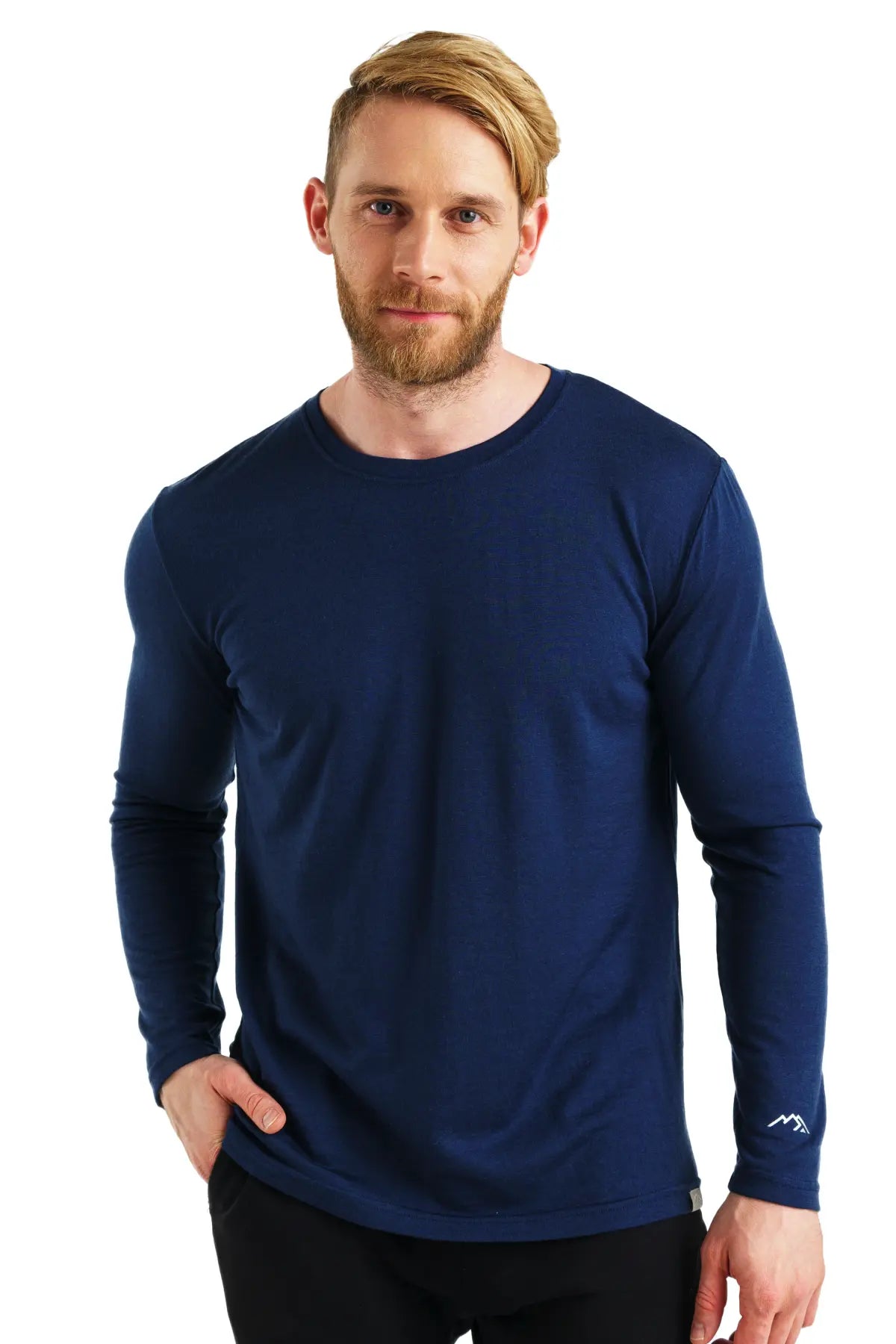
Merino Tech Long Sleeve 165 Navy
If a long-sleeve shirt is genuinely missing from your rotation, a navy merino top is one possible replacement. Replace a worn item only when repair, care or using what you already own no longer meets your needs. The October 14, 2026 feed reference price was $49.99 USD; current stock and pricing should be checked.
Once you identify the finished shirts, count what your real rotation is missing. Replacing two worn white tees is more useful than buying five new colors because a sale made the bundle look attractive.
If you want to improve the wardrobe without expanding it, see how to dress better without buying more clothes.
Frequently Asked Questions
How often should men replace T-shirts?
There is no fixed schedule that works for every shirt. Replace based on collar condition, fabric strength, stains, shape, odor, and how often the tee is worn.
Is a faded T-shirt worn out?
Not necessarily. Even fading can look intentional in casual clothing. Replace it when the color change makes the shirt look neglected or stops it serving its intended role.
Should I throw away a T-shirt with a small hole?
For normal public wear, a visible hole is usually a replacement signal. You can downgrade the shirt to rough work use if you genuinely need it.
Why do T-shirt collars get wavy?
Repeated stretching, washing, drying, and lower quality ribbing can all contribute. Once the collar stops returning to shape, the shirt often looks older than the body fabric.
Is it better to own more T-shirts so they last longer?
A sensible rotation can reduce wear on each piece, but buying excess shirts you do not use is not helpful. Aim for enough good basics to rotate consistently.
The Bottom Line
Do not replace T-shirts because a calendar told you to. Replace them when the collar, fabric, shape, stains, or odor prevent the shirt from doing its job cleanly.
A simple wardrobe audit twice a year catches the decline before your drawer fills with shirts you technically own but never want to wear.
Affiliate Disclosure: Modern Men HQ may earn a commission from affiliate purchases, at no additional cost to you. See our affiliate disclosure.
Sources reviewed for this article: current garment care guidance and condition based wardrobe replacement practices.