Leather dress shoes can survive hundreds of steps on city pavement and still get damaged on a flight without ever touching the ground. Fill the toe box with clean socks and wrap each shoe separately so hard edges cannot rub against polished leather. The reason is simple: a suitcase squeezes clothing and objects into an enclosed space. Shoes designed to hold a three-dimensional shape are surrounded by things that move, compress, and press against their uppers. A careless packing method can leave scuffed leather, distorted heel counters, and creases that were not there when you zipped the bag.
You do not need an expensive shoe case for every trip. The priorities are simple: fill the toe lightly so the upper keeps its shape, separate polished leather from abrasive surfaces, and keep heavy objects from pressing into the toe box. Clean socks and a breathable shoe bag can help, but neither protects against a suitcase being overfilled. Rigid Oxfords merit more careful positioning than soft, unstructured loafers.
Start by deciding which shoes should travel
Start with the occasion, not the suitcase. If you need polished Oxfords for a wedding or formal meeting, protect those specifically and wear your bulkier walking shoes during transit. For an informal trip, one adaptable pair of loafers might remove the need to pack a second dress pair. Check the forecast and venue surfaces before deciding whether suede or smooth leather is the sensible choice.

Wear the bulkiest casual pair during travel when convenient, and pack the formal pair only if you need it at the destination. Shoes worn on a journey can become damp or dirty, so avoid putting them straight into a sealed bag at the end of a long day. The care needs of leather change when it has absorbed moisture. If they are damp, give them an appropriate chance to dry before packing rather than trapping wet material in a plastic pocket.
Inspect the shoe’s condition. Loose heel pieces, fragile stitching, or a delicate finish deserve attention before departure. A shoe already showing structural damage will not become stronger because you surrounded it with shirts. The suitcase may be a reasonable place for a durable pair, but a valuable or unusually rigid formal shoe may warrant a separate protected carrier.
Clean and dry them before they enter the case
The outsole collects dirt from streets, airports, sidewalks, and public facilities. That material should not share direct contact with the white dress shirt or clean suit you intend to wear at the destination. Use a suitable brush or cloth to remove loose debris and wipe the edges of the sole when appropriate. Be cautious with suede and other napped materials because water and rough wiping can mark them.
Ensure the uppers are dry. A shoe can look dry on the outside while lining and seams still feel damp. Do not accelerate drying beside strong heat, on a radiator, or with a hair dryer. Such shortcuts may dry some areas unevenly and stress the materials. Let the shoes sit in a ventilated place and use appropriate care products only if genuinely needed.
If time is short, choose a clean, dry alternative pair rather than sealing wet leather into a suitcase. A trip can have many inconveniences; bringing damp shoes and letting odor or finish damage develop in transit should not be an avoidable one. For long-term care outside travel, see our guide to storing leather shoes.
Support the toe box without stretching it
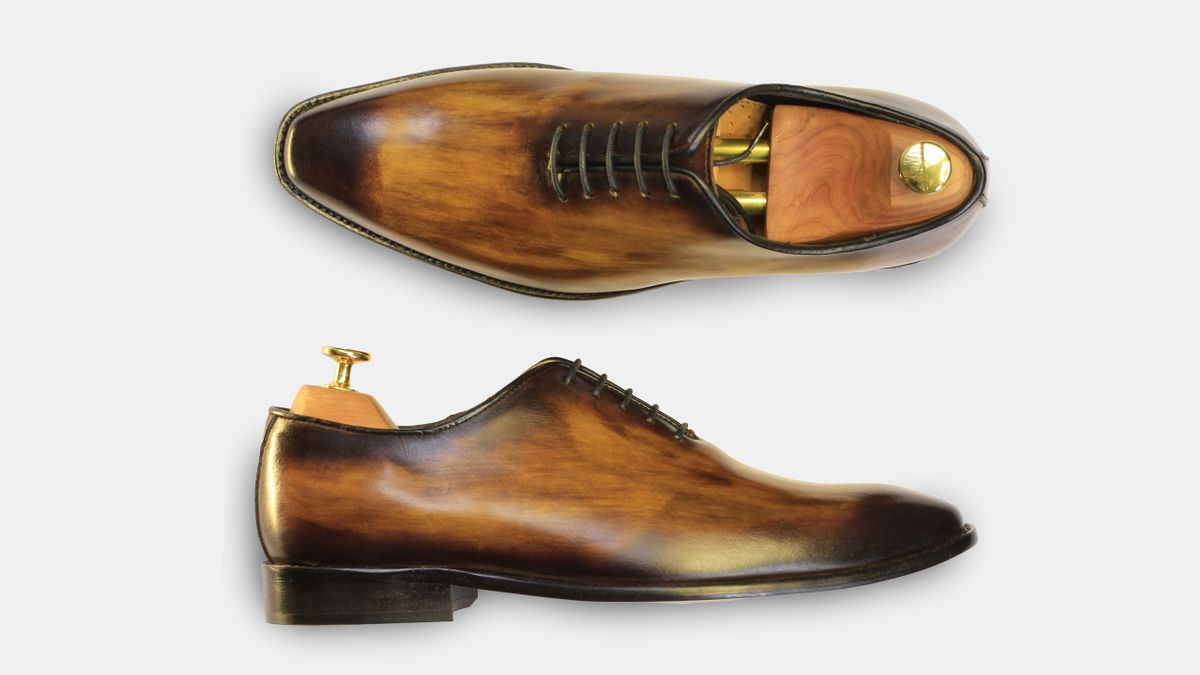
The toe box is most vulnerable when a heavy item presses on unsupported leather. Gently fill the front of each shoe with clean, dry socks or plain tissue until it holds its natural profile. Stop before the material stretches or the upper bulges. Lightweight travel shapers are another option, but rigid wooden trees can consume valuable baggage allowance. Internal support reduces minor pressure; it cannot make a shoe crushproof.
The word gently matters. Do not force so much material into the toe that the leather appears to bulge. The aim is to maintain the shape already there, not create a larger shoe. Concentrate support in the forefoot, then inspect the upper for unnatural tension. A shoe with a stiff toe cap may need less filling than a soft unstructured loafer.
A cedar shoe tree is useful for some shoe-care situations, but a heavy pair adds baggage weight. It is not automatically necessary for a short trip. If you normally use full wooden trees at home, decide whether lightweight travel alternatives are enough. A clean pair of socks that you would pack anyway may be a better use of limited space.
Support methods compared
| Method | Advantage | Tradeoff | Use when |
|---|---|---|---|
| Clean socks | Adds no extra item and provides soft support | Can be packed too tightly | Ordinary short trips |
| Plain tissue paper | Very light and easy to place | Less consistent shape support | Lightweight dress shoes |
| Lightweight travel shaper | More reliable form with little weight | Extra object to carry | Frequent formal travel |
| Full wooden shoe tree | Strong shape support | Heavy and bulky | Travel where baggage weight is not a concern |
| No internal support | Fastest | More vulnerable to compression | Only when shoe construction and placement are forgiving |
Bag each pair to reduce abrasion
A cloth shoe bag keeps soles away from clean clothing and reduces rubbing between finished leather and metal zippers or buckles. Some manufacturers include simple drawstring bags with dress shoes. These may be perfectly adequate if they are clean and large enough to close without pulling on the footwear. You do not need a rigid case for every journey.
Separate the two shoes within the same bag when they could rub against each other. You can use a soft divider, small cloth, or two individual bags. Facing the shoes in a way that lets them nest loosely is useful, but never force one shoe’s buckle or hard heel against the other shoe’s upper. Patent finishes and high-polish leather may show abrasion particularly clearly.
A disposable plastic covering can temporarily isolate dirty soles, but it should not be the long-term answer for damp leather. Moisture trapped in enclosed spaces can create odor and other problems. A breathable textile bag is more appropriate when the footwear is clean and dry. Handsole’s travel-care guidance similarly emphasizes keeping shoes dry, supported and separated from hard or dirty objects.
Put the shoes where they cannot crush anything else
Packing is not just about keeping the shoes safe. A pair of leather Oxfords is relatively rigid compared with the trousers and shirts around it. Place it so that the heels and soles cannot dig into delicate fabrics. Keep the most vulnerable parts of any suit away from hard corners, and avoid balancing a packed toiletry case on a shoe’s toe box.
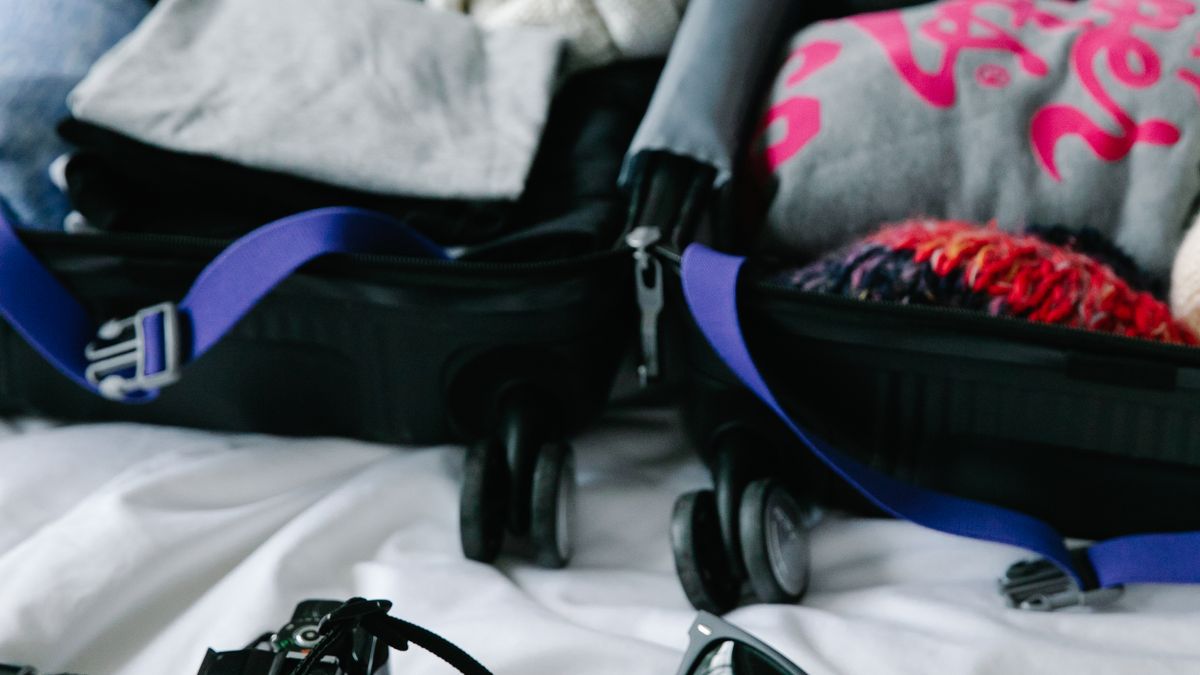
In a wheeled suitcase, the wheel end often bears more weight when the case stands upright. Place shoes securely, with protective clothing or bag layers where needed, then assess how the whole load shifts when the case is lifted. A shoe that sits safely while the case is flat may press against something different when the luggage is vertical.
Leave space around the uppers for modest movement without compression. If closing the lid requires you to lean hard on it, reconsider what you are carrying. The best packing system does not work when the case is filled beyond its useful capacity. Our guide to packing a carry-on for a week covers the broader issue of balancing space and wardrobe choices.
Choose the Shoe Bag Around the Shoes, Not the Marketing
A separate shoe bag is useful when it prevents dirty soles from touching clothes and protects a finish that scratches easily. It does not need to be expensive. A clean fabric pouch may be enough for casual shoes, while structured dress shoes benefit from having their shape supported and from being placed where other luggage will not crush them.
Check that any pouch leaves the shoes fully dry before packing. Leather and suede should not be sealed damp after cleaning or caught in wet luggage. If you are carrying a second pair, decide whether it will actually be worn on the trip; an unnecessary shoe bag does not make an unnecessary pair of shoes more useful.
Pack the shoes you already own first and test where they fit in the suitcase. Protective accessories should solve a specific abrasion, moisture or shape problem, not become another category of items you buy by default.
How to handle loafers, Oxfords, and suede differently
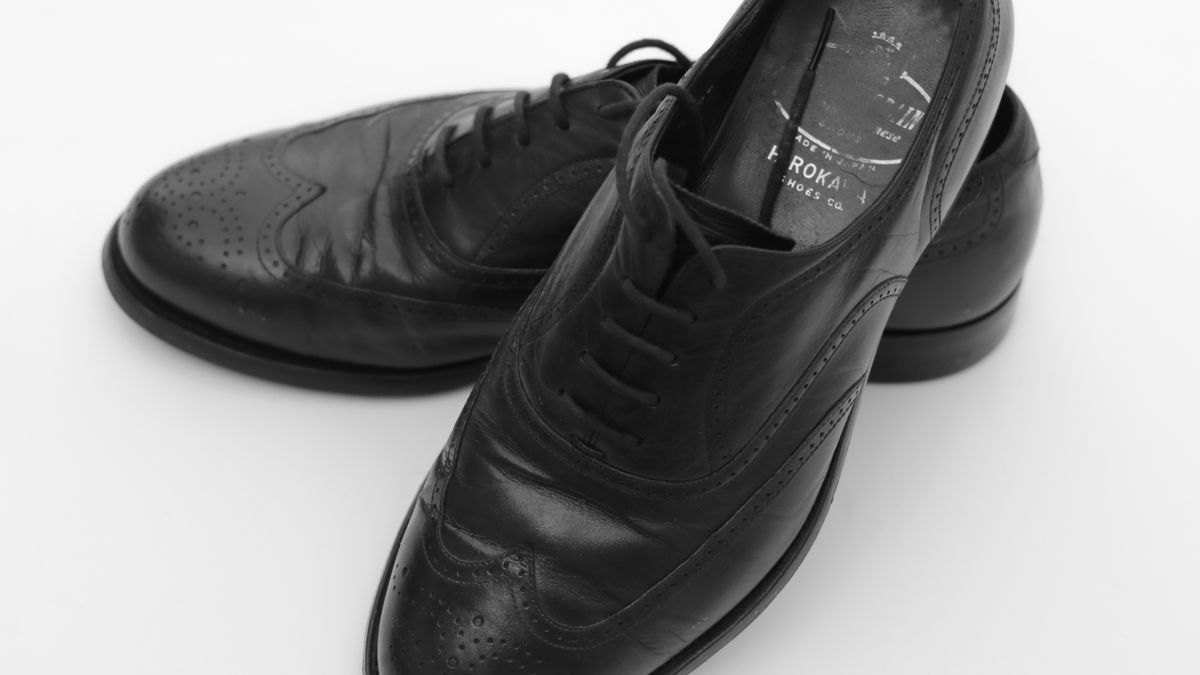
Not all dress shoes are equally structured. An Oxford with a reinforced heel and formal toe may resist gentle suitcase pressure better than a soft loafer that easily folds in the middle. That does not make the Oxford indestructible. Polished surfaces can scuff, stiff heel counters can deform under strong pressure, and soles can leave marks on adjacent clothing.
Soft loafers may flatten when unsupported and need more careful packing to preserve their outline. Avoid folding the heel down just because the shoe feels flexible. A shoe designed to be worn with its heel upright should travel in the same general shape. If the manufacturer explicitly designs a collapsible heel, follow that product guidance rather than assuming all loafers work the same way.
Suede requires careful isolation from spills and rough surfaces. Do not pack a brush with hard metal attachments against the nap. Use a clean bag, keep moisture-prone toiletries away, and be gentle when unpacking. If a shoe has been freshly polished, allow the finish to settle before placing it in a fabric bag so polish does not transfer.
Keep Leather Shoes Separate From Damp Travel Clothing
Let leather shoes dry fully after their last wear before packing them. Put each shoe in a clean, breathable bag and keep wet towels or freshly washed clothes separate. A small amount of clean, dry material inside the toe box can help it retain shape, but avoid overstuffing and stretching the leather. Unpack the shoes soon after arrival. Preventing moisture from sitting against the leather matters as much as protecting the toes from pressure.
What to do if you are also packing a suit
Think of the entire formal outfit rather than treating the shoes as a separate problem. The jacket’s shoulders, trousers’ crease, shirt collar and leather shoes each need a different type of protection. A shoe does best with shape support and abrasion isolation. A jacket does best when its structure is not flattened by hard objects.
Place the suit where it can sit with minimal compression, and position shoes away from the jacket’s shaped shoulders. If your bag has compartments, use them according to actual dimensions rather than assuming the maker’s illustrated packing method fits your tailored garments. A soft divider or garment cover may help.
Avoid packing shoes still carrying dirt directly against the collar of a clean shirt. This sounds obvious when unpacking, but a rushed trip can make a poorly organized bag look tempting. The same care mindset that applies to dry-cleaning a suit only when needed applies here: protect clothing from unnecessary wear before relying on cleaning to rescue it.
Unpack immediately at the destination
Unpacking is part of travel care. Remove the shoes from their bag, take out the stuffing, and inspect the uppers and heel area before you need to wear them. If they remained dry and properly shaped, little more may be needed. If the pair absorbed humidity, give it time in a ventilated space instead of putting it straight into a closed closet.
Minor surface dust can usually be addressed with the correct dry or gentle cleaning method for the material. Deep creases, collapsed toe shapes or broken pieces call for more caution. Do not heat or force leather back into place in a hotel room with improvised tools. If the appearance matters for a wedding or important meeting, have a backup shoe option when feasible.
Pack them again thoughtfully for the return journey. A clean pair that stayed on the hotel shelf may need a quick wipe. A pair worn through wet weather requires a different plan. Protecting leather is an ongoing decision, not something done once before departure.
If Dress Shoes Get Damp During the Trip
Good packing cannot prevent every surprise at the destination. Rain on the walk from the station or a spilled drink can leave leather shoes damp before the return flight. Do not seal noticeably wet shoes inside a tight plastic bag and forget them until you get home. That traps moisture next to the leather and other clothing.
Remove surface moisture gently, keep the pair away from direct heaters or strong sunlight, and let it dry at room temperature with enough airflow. If the shoes are heavily soaked, consult the maker’s leather-care guidance rather than applying heat to hurry the process. Clean packing paper can help support the shape if you have no suitable shoe trees.
For the trip home, separate damp or dirty footwear from clean clothes without sealing moisture in for a long period. If possible, carry the shoes in a breathable bag and unpack them promptly. The priority is preserving the upper and sole, not making a wet pair look presentable for one more meeting.
A preflight packing checklist
When a separate shoe case makes sense
A rigid or semi-rigid travel case can help when shoes are costly, delicate, or packed frequently alongside heavy objects. It is not essential for most travelers, and the protection comes at a space cost. A hard case can also make an already full suitcase even less flexible. Think about the actual risk before adding another travel product.
If the shoes are inexpensive, robust and used occasionally, soft bags and careful positioning may be sufficient. If you are carrying specially made dress shoes for a formal event, a dedicated protective case or separate luggage compartment may be a sensible precaution. Neither choice guarantees that airline handling or an overloaded bag cannot damage them.
The bottom line
Packing dress shoes well is an exercise in preserving shape and avoiding contact. Dry them before packing, provide light internal support, isolate the finish, and choose a position where rigid objects cannot press into the uppers. Unpack promptly, reassess their condition, and avoid extreme home remedies when something looks wrong.
Before zipping the suitcase, confirm four things: the shoes are completely dry, the toe boxes are lightly supported, the leather is separated from dirty soles and hard edges, and nothing heavy rests directly on the uppers. Unpack on arrival instead of leaving the shoes compressed for days. If there is not enough space to satisfy those checks, remove an item or choose a larger bag rather than forcing the case closed.
Frequently Asked Questions
Should I put shoe trees in dress shoes while flying?
Lightweight travel supports can help preserve shape, but full wooden trees add baggage weight. Clean socks or tissue may be adequate if used gently.
Can dress shoes go in a carry-on?
Yes, provided the bag has sufficient room and meets the airline’s baggage rules. Protect the uppers from compression and abrasion.
Is a plastic bag safe for leather shoes?
A plastic covering can temporarily isolate dirty soles, but avoid sealing damp leather for prolonged periods. A clean breathable bag is preferable for dry footwear.
Should I pack shoes heel-to-toe?
They can be nested loosely if their hard parts do not scrape the other shoe’s finish. Shape preservation matters more than a particular orientation.
Can I flatten loafers to save luggage space?
Only if the specific shoe is designed to fold or collapse that way. Ordinary leather loafers can be deformed by forcing the heel down.
What if my leather shoes get wet before a flight?
Let them dry appropriately if possible rather than sealing them wet in a bag. Never force-dry them against intense heat to make departure time.