A few drops of rain should not be enough to retire a good pair of leather shoes. Yet water can leave darker patches, pale rings or uneven-looking areas that stand out sharply on polished dress shoes. The temptation is to scrub harder, apply more polish, or use whatever cleaning ingredient happens to be under the kitchen sink.
That is how an ordinary mark can become permanent damage. Smooth leather has a finish, and different finishes react differently to moisture and cleaning agents. Before you treat a mark, identify the leather surface, let the shoe dry naturally, and decide whether the problem is water, residue or damage to the finish itself.
For most ordinary smooth finished leather shoes, the safest first attempt is simple: remove surface dust, gently blot any fresh moisture, let the pair dry away from direct heat, and reassess the mark after drying. If a faint mark remains, use a maker-approved leather care product after testing it on an inconspicuous area. Aggressive household solvents are not a reasonable first step.
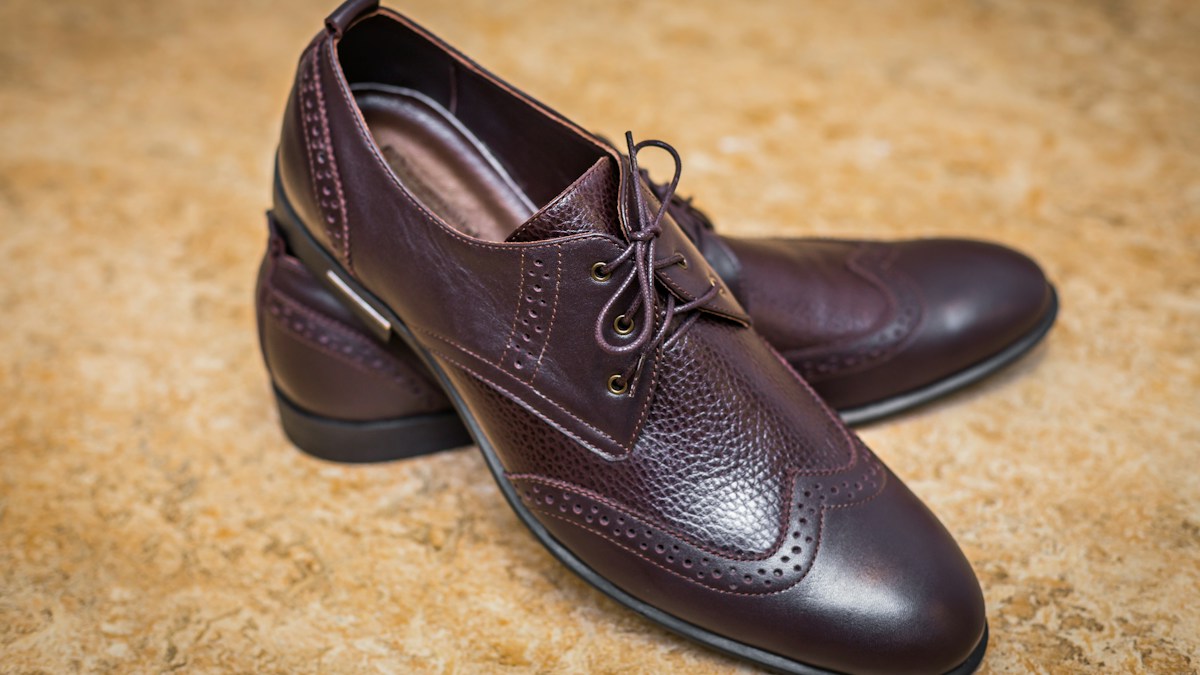
First, What Kind of Mark Is on the Leather?
Not every pale ring is a water stain, and not every dark patch needs a cleaning product. The appearance, location and circumstances provide clues. Shoes worn in winter on salted sidewalks can show white residue after drying. Shoes splashed with ordinary rain may show darker areas or a visible boundary where the leather absorbed moisture unevenly.
The material matters as much as the stain. Smooth polished calfskin has a different surface from suede, nubuck, patent leather and some heavily coated leathers. A method that is gentle for one material may create a visible patch on another.
| Identify The Mark | |
|---|---|
| Fresh wet patch | Darker color that changes as it dries. Wait and reassess. |
| Pale white line after salted roads | Could be salt residue. Use guidance for salt marks rather than assuming water alone. |
| Dark ring on smooth finished leather | May reflect uneven wetting, oils or a change in polish; approach conservatively. |
| Rough, velvety nap | Likely suede or nubuck, not a smooth leather surface; use its specialist care method. |
| Cracked, peeled or sticky surface | More likely finish damage than removable moisture. Consider professional repair. |
Do not diagnose solely from a photograph. Lighting, dye and finish can make marks look similar. If the leather is unusual or expensive, the maker or a knowledgeable cobbler is a useful first call.
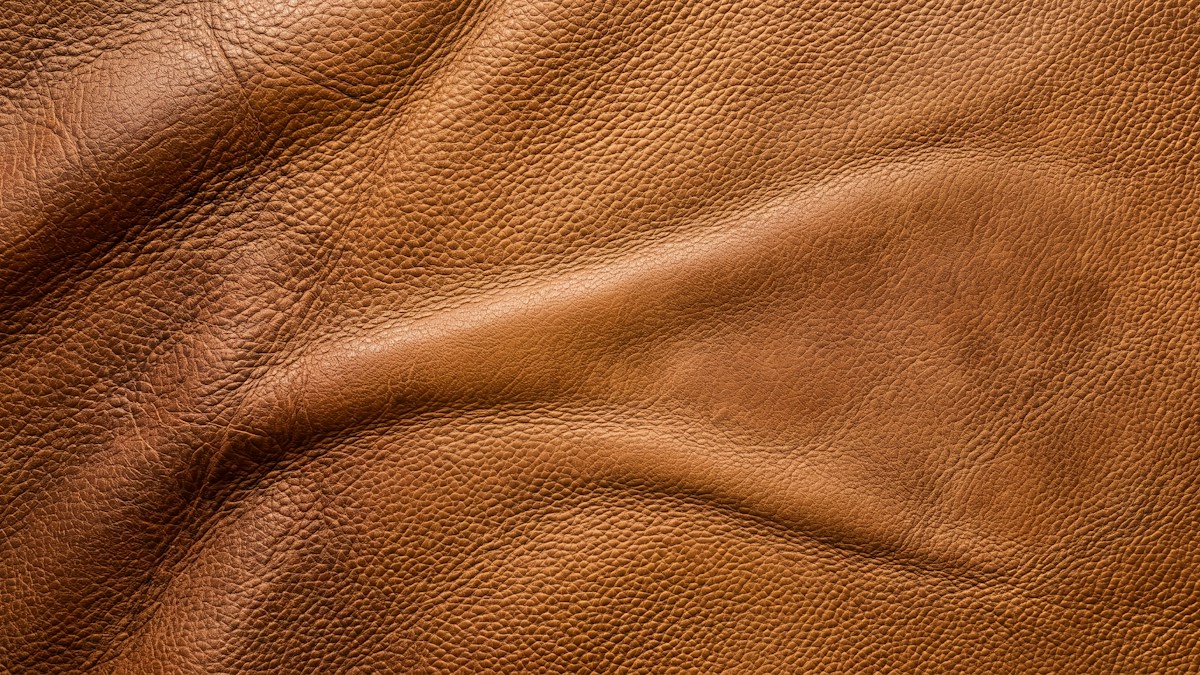
What Should You Do Immediately After Leather Shoes Get Wet?
Remove loose dirt with a soft, appropriate brush or cloth so it does not rub across the surface. Blot visible droplets gently. Do not grind a paper towel into the leather or scrub the damp patch back and forth.
If the shoes are very wet, remove the laces if appropriate, and let the pair breathe. Use a well-fitting shoe tree if recommended by the maker and safe for the wetness level, or use a non-staining absorbent support to help retain shape. Avoid packing wet leather so tightly that it cannot dry.
Set the shoes in a ventilated place at ordinary indoor temperature. Keep them away from radiators, hair dryers, direct strong heat and intense sun. Excess heat can dry the leather too quickly and affect adhesives and finishing. The goal is steady natural drying, not the fastest possible evaporation.
Leave the shoes alone long enough to dry before deciding what remains. Wet leather can temporarily change color, and applying polish to a damp surface can trap the problem beneath another layer.
Can Water Stains Disappear After the Shoes Dry?
Sometimes. A darker area may simply be temporary moisture still moving out of the material. The fact that it looks alarming while wet does not prove permanent staining.
Allow the whole upper to dry naturally, then look at the pair in ordinary daylight. Check both shoes. If the color and finish are even again, you may not need to do anything beyond returning to the usual maintenance routine.
If a ring persists, inspect whether it is residue on top of the finish or a change within the leather. Try brushing away loose dirt first. Do not scrape the surface with a fingernail or a hard implement to test whether a mark can be lifted.
Repeatedly wetting the same area without understanding the finish can enlarge the affected zone. Patience is an actual care step here, not a reason to ignore damage.
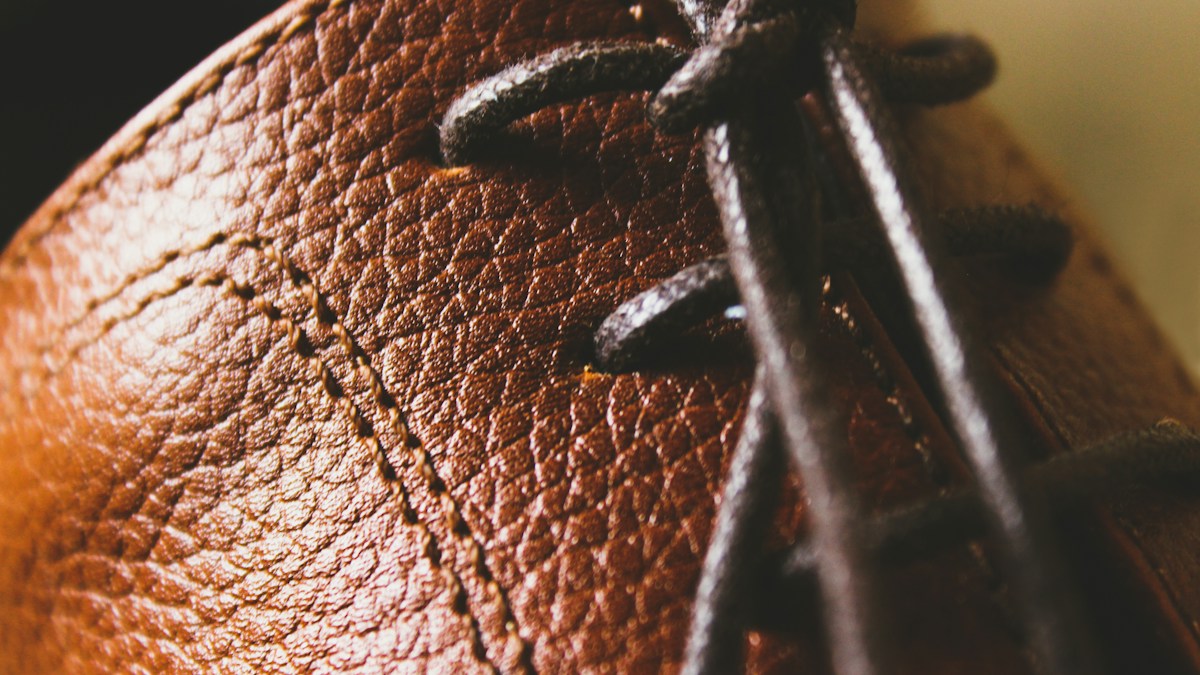
How to Clean a Faint Water Ring on Smooth Leather
Begin only after the shoes are dry. Remove dry surface dust with a soft shoe brush. Next, consult the maker’s recommendations for that shoe and finish. A soft, barely damp cloth may be an appropriate starting point on some finished smooth leathers, but do not saturate the surface or assume every leather is safe to wet.
Test any moisture or cleaning product on an inconspicuous area first and inspect the result after it dries. Darkening, tackiness, dye transfer or a change in sheen are reasons to stop immediately.
Polish can restore appearance when the existing polish layer has become patchy, but polish cannot reconstruct missing leather dye or a damaged topcoat. Avoid trying multiple unfamiliar products in one session. You need to know what changed, not merely keep adding layers.
If you see significant dye transfer onto the cloth, stop. That tells you the cleaning action may be removing more than the unwanted mark.
Should You Use Vinegar, Alcohol or Dish Soap?
Not as a default treatment for dress shoes. Household recipes often ignore whether the leather is aniline, pigment-finished, waxed, oiled or coated. Solvents and strong cleaners can strip color, soften finishes or leave a larger patch than the original stain.
Vinegar appears frequently in advice about salt residue, but that does not make it a universal solution for ordinary water rings. If the mark is actually road salt, use a treatment intended for salt marks and the leather type. Crockett & Jones recommends natural drying followed by gentle wiping, cleaning and repolishing for certain salt-stain situations.
Dish soap may seem mild because it is familiar, yet its degreasing action is not necessarily suitable for a leather finish. Likewise, alcohol can affect dyes and topcoats. An expensive pair is not the place to conduct a chemistry experiment.
A leather-care specialist can tell you whether a purpose-made cleaner is appropriate. If the maker recommends a treatment, follow the stated method and spot-test requirements rather than making it stronger.
What if a Water Mark Comes Back After Polishing?
A repeated mark is a clue that the source is unresolved or the surface is being treated unevenly. The problem may involve salt that was never removed, accumulated polish, residual moisture, or an affected finish.
Do not keep applying thick coats to camouflage a ring. Wax and cream can alter the appearance temporarily without removing the cause. Uneven polishing may also make one panel glossier than the rest of the shoe.
Take clear photographs in natural light before and after treatment. If the issue repeats, show a professional the progression and identify exactly which products you used. That information is often more helpful than simply saying the shoes “stained again.”
Sometimes the repair needs more than cleaning. Recoloring and finish work are different skills from routine polishing. A good cobbler can advise whether the appearance can be improved without creating a mismatch.
How Should You Care for Different Leather Finishes?
Smooth finished calf leather is the focus of this guide, but not all leather shoes are interchangeable. Polished calfskin may tolerate particular cleaning and cream-care routines. Patent leather has a distinct surface coating and generally needs its own instructions.
Suede and nubuck have a raised nap. Wetting and rubbing them like smooth leather can flatten the surface or spread the mark. Use specialist suede guidance instead of the process described here. Oiled and waxed leathers also have finishes that may react differently to standard shoe cream.
Aniline and lightly finished leathers can darken when they absorb moisture or product, sometimes even after a conservative application. If you do not know the finish, ask the retailer or manufacturer before treatment.
This is also why a successful cleaning method on an old leather belt does not automatically transfer to dress shoes. The principle of conservative cleaning still applies, but the finish and construction determine the specific product.
When Should You Take the Shoes to a Cobbler?
If the shoes are expensive, sentimental or made from an unfamiliar material, professional advice may cost less than a failed home treatment. A cobbler may distinguish a surface deposit from dye loss, finish damage or a more serious issue with the upper.
| Home Care Or Specialist | |
|---|---|
| Faint mark that fades after drying | Monitor, brush gently and resume normal care. |
| Light residue on known smooth finished leather | Try the manufacturer’s tested cleaning approach. |
| Visible dye loss, sticky finish or color transfer | Stop; ask a qualified cobbler. |
| Large dark tide mark or repeated staining | Ask for material identification and professional assessment. |
| Suede, nubuck, exotic or delicate leather | Use material-specific professional guidance. |
Describe where the shoes were worn, whether road salt was present, how wet they became and whether you applied polish, water-repellent spray or any household cleaner. An honest treatment history helps the repairer avoid mixing incompatible products.
A specialist might recommend cleaning, recoloring, reconditioning or leaving a mark alone. Good maintenance is not always about making the item look brand new.

How to Prevent Water Marks on Leather Shoes
For further protection, read our guides to storing leather shoes correctly and packing leather dress shoes for travel.
Prevention starts with realistic weather choices. If rain is heavy, wearing water-resistant footwear rather than delicate dress shoes is often the simplest decision. For unavoidable light rain, maintain your shoes according to their specific finish and manufacturer instructions.
Conditioning and polishing routines can help maintain appearance when recommended for the leather, but they are not the same as waterproofing. Protective products can reduce water exposure under suitable conditions, yet they must be compatible with the leather and applied correctly.
Saphir advises testing its protective products on an inconspicuous area, avoiding saturation and preventing droplets from drying on certain smooth leather surfaces because the droplets themselves can leave marks. That is a useful warning against the assumption that more spray automatically means better protection.
After rainy wear, remove obvious dirt, let shoes dry naturally and return them to appropriate storage. Avoid leaving damp pairs pressed together in a closed cabinet. A little airflow and patience protect both the leather and its appearance.
The principle applies beyond shoes. Our guide to cleaning a leather belt also emphasizes restraint, appropriate products and protecting the finish. Well-maintained pieces usually need less aggressive treatment than neglected ones.
Frequently Asked Questions
Can rain permanently stain smooth leather shoes?
It can change appearance, but many dark areas fade after the leather dries naturally. Persistent rings or altered finish should be evaluated before aggressive treatment.
Can I dry wet leather shoes with a hair dryer?
Avoid direct heat. Allow them to dry at ordinary room temperature according to the manufacturer, because rapid heating can harm leather and construction.
Is a white ring always a water stain?
No. White residue may be salt or another surface deposit. What the shoes contacted matters as much as the appearance.
Will shoe polish remove water stains?
It may improve a patchy polished finish, but it does not guarantee removal of trapped residue or restoration of damaged dye.
Should I use vinegar to remove leather water marks?
Do not use vinegar as a universal solution. Identify the finish and stain first, and follow maker-approved care instructions.
Can I use the same method on suede?
No. Suede and nubuck require different handling because of their nap and response to water and abrasion.
The Bottom Line
Water marks on leather shoes are frustrating, but the fastest treatment is rarely the safest. Identify the material, allow natural drying, brush gently and follow a tested method appropriate to the finish. If the color or surface itself has changed, stop before turning an ordinary rain mark into permanent damage.