When it rains for days, an indoor drying rack stops being an occasional convenience and becomes part of normal household life. The difficulty is that clothes can take so long to dry that they start smelling stale, even though they were washed properly. A small room can become damp, and a laundry load that seemed nearly dry at bedtime still has wet cuffs and waistbands the following morning.
The solution is not to spray more fragrance onto damp clothing. Indoor drying works best when garments have enough space, the air can move around them, and moisture can leave the room or be removed from it. The clothes also need to be washed properly and taken out of the machine promptly, so you are not starting with an odor problem.
For most homes, use a stable drying rack in a ventilated room, leave gaps between garments, and manage humidity with airflow or a suitable dehumidifier. The right arrangement depends on the outdoor climate, your room, and whether the fabric needs to hang or dry flat.
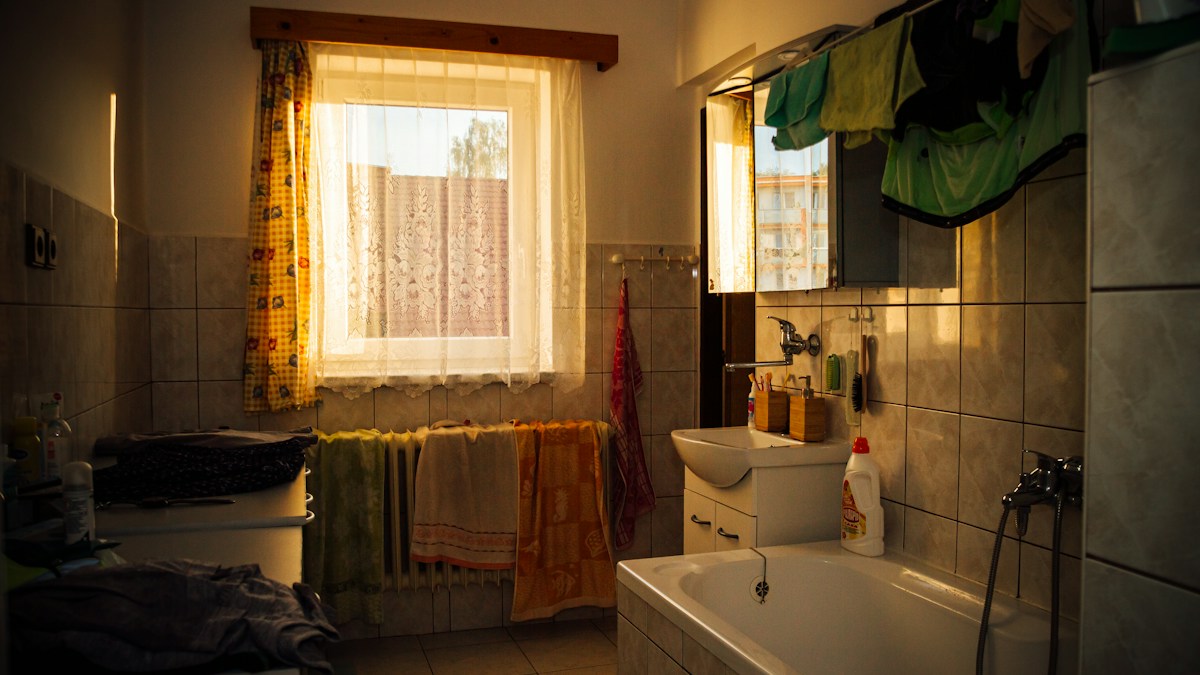
Why Do Clothes Smell Musty When Dried Indoors?
A washing machine leaves clean clothing damp by design. During drying, that water needs to move into the surrounding air and then out of the room or into a moisture-removing appliance. When that process is too slow, thick sections remain damp longer than expected.
Poor washing can make the smell worse. If body oils or detergent deposits remain in the fabric, the odor may be noticeable as soon as the garment warms up or stays damp. But a perfectly reasonable wash can still smell stale when clothing takes too long to finish drying.
The difference matters. Rewashing every item will not solve a room that remains very humid. Conversely, an expensive dehumidifier cannot remove detergent residue already trapped in a shirt.
Use your nose and hands together. Check the waistband, pockets, cuffs and seams before putting a garment away. The dry outer surface can conceal damp inner layers.

Which Room Is Best for Indoor Clothes Drying?
Choose a space where you can create airflow without blocking exits, electrical appliances or normal movement. A separate laundry room with suitable ventilation is useful, but many people do not have one. A bedroom or living area can work for a small rack when the room is dry enough and clothing does not dominate the entire space.
| Room Comparison | |
|---|---|
| Ventilated laundry room | Good when air can move and moisture is actively removed. |
| Bedroom | May work for a small load, but avoid prolonged dampness, blocked heating and high humidity while sleeping. |
| Bathroom | Convenient for dripping garments, but can already be humid from showers; effective ventilation matters. |
| Closed closet | Poor choice for wet laundry because airflow is restricted and surrounding materials may become damp. |
| Balcony or outdoor covered area | Useful where sheltered and permitted; inspect the forecast and avoid contamination or direct weather. |
Do not position a rack against a wall where wet fabric rubs paint or wallpaper. Leave enough room to walk around it, and keep the space away from heaters or appliances that have clearance requirements.
If the room’s windows regularly collect condensation, change the drying setup. Condensation tells you moisture is accumulating on cool surfaces, which is a warning that the room may need better ventilation or drying capacity.
Does Opening a Window Help Clothes Dry?
Often, yes, when outside air can accept moisture and the conditions allow it. Cross-ventilation can move damp air away from fabric and replace it with drier air. But leaving a window wide open in driving rain, very high humidity or severe cold may not improve conditions.
Think of ventilation as an exchange rather than a ritual. A brief period of fresh air may help in some climates, while a dehumidifier or appropriately configured air conditioner may work better when outdoor air is extremely humid.
Do not place a powered appliance where rain can reach it. Follow the manufacturer’s safety instructions for any fan, dehumidifier or other electrical equipment.
The US EPA recommends controlling moisture, improving air movement and using dehumidifiers as needed. The aim is not a universal number of minutes with the window open; it is a room that can dry clothes without leaving walls or furnishings damp.
How Much Humidity Is Too Much?
The EPA advises keeping indoor relative humidity below 60 percent when possible and ideally between 30 and 50 percent. That recommendation is about protecting indoor air and surfaces from moisture problems, not a guarantee of any specific laundry drying time.
A simple hygrometer can show whether your room is persistently humid. One measurement matters less than a pattern: humidity remaining high for many hours, windows fogging regularly, or a damp smell that follows each load.
A drying rack should not turn a living room into a moisture reservoir. If these signs persist, reduce the load size, move the rack, improve ventilation or use proper moisture removal. Address existing leaks or mold separately rather than blaming laundry alone.
Would a Fan or Dehumidifier Dry Clothes Faster?
A fan can move air around garments, which often improves drying when clothes are spaced apart. It does not remove water vapor from a sealed room by itself. If indoor humidity keeps rising, airflow needs to be paired with ventilation or an appliance that extracts moisture.
A dehumidifier is useful in some humid environments because it removes water from the room’s air. It still requires correct placement, emptying or drainage, regular maintenance and enough capacity for the actual space.
Do not drape laundry over heaters, dehumidifiers, or fan guards. That can obstruct airflow and cause overheating. Place powered appliances away from dripping garments and follow all clearance guidance.
When the outside air is dry, opening a suitable window may be enough. The right approach is the simplest safe one that keeps fabrics and the room from remaining wet.

How Far Apart Should Clothes Be on a Drying Rack?
Space matters because moisture escapes more easily when air reaches both sides of the cloth. A crowded rack with several garments folded over one bar leaves layers pressed together, particularly where sleeves, trouser legs or towels overlap.
Lay garments across more than one support if the label allows it. Open the sleeves, separate trouser legs and avoid stacking multiple shirts in the same slot. Heavy pieces should have enough support to avoid stretching.
| Rack Setup | |
|---|---|
| Loose woven shirt | Hang with sleeves unbunched and room on both sides. |
| Jeans or trousers | Spread the legs; check waistband and pockets. |
| Towels | Use a broad span rather than stacking folded layers. |
| Wool knit | Follow the care label; many knit garments should dry flat instead of hanging. |
| Small items | Give them their own spaced area instead of piling them on a single rung. |
There is no magic distance between every two items. Leave visible air gaps and adjust for fabric thickness and room humidity. If drying routinely takes too long, reduce the number of items on the rack.
Can Clothes Dry Indoors Overnight?
Some garments can, but the outcome depends on fabric weight, moisture remaining after spin, room temperature, air movement and humidity. A thin synthetic shirt may finish quickly while a heavy cotton hoodie remains damp at the seams.
Do not assume that because a shirt feels dry across the chest it is dry in the collar or hem. Check thick sections with your hands, especially before putting clothes into drawers.
If an overnight load repeatedly smells sour in the morning, the setup needs adjustment. Spread clothing farther apart or choose a space with better airflow and moisture removal. Rewash any garments that have genuinely developed an unpleasant odor before storing them.
Avoid leaving the rack in a narrow bedroom walkway or against heating equipment simply to make the clothes dry faster. Safety and comfort are part of the arrangement.
What if You Have No Balcony and No Dryer?
Start with smaller loads. They take less drying space and allow you to spread garments more effectively. Use the spin setting permitted by the care labels and machine to reduce retained water without overstressing delicate fabrics.
Choose a sturdy folding rack, then place it where airflow is practical. If outside air is favorable, ventilate. If your home is often humid, evaluate dehumidification rather than buying more fragrance or fabric softener.
Group similar fabrics when possible. Heavy jeans, thick towels and knitwear have different drying demands from lightweight shirts. Separate them on the rack to avoid one large item blocking airflow for several smaller pieces.
A small system that reliably dries everything is better than an ambitious rack that leaves half the wardrobe damp.
How to Dry Knitwear and Delicates Safely Indoors
Knitwear deserves special attention because wet fibers can stretch under gravity. Woolmark recommends flat drying many wool garments unless the care label specifically allows another method. A towel-supported flat rack can protect shape better than thin shoulder hangers.
Do not wring delicate items forcefully to remove moisture. Follow garment care instructions for pressing out excess water, using towels or choosing the appropriate wash spin.
For lined pieces, delicate dyes and trims, use the maker’s guidance. Drying indoors does not mean that any fabric can tolerate direct sun through a hot window or a stream of very warm air.
If a garment is marked for professional cleaning, the fact that you have a drying rack does not make wet cleaning at home safe.
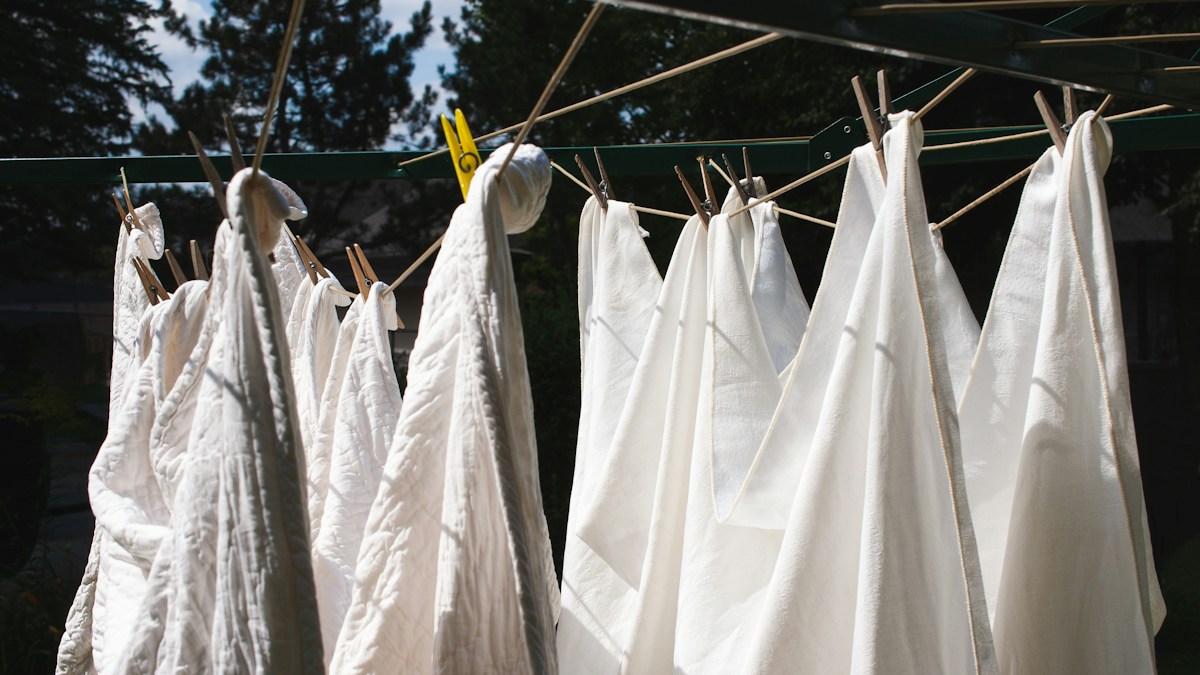
How to Stop Clothes From Smelling After Indoor Drying
For everyday clothing maintenance, our guide on how often to wash jeans helps avoid unnecessary full wash cycles.
Begin with clean laundry, then move it immediately from the washer to the drying space. Shake garments gently to loosen folds, lay or hang them as directed, and keep air moving around them while moisture is removed.
This routine complements our separate guide on why clothes smell after washing, which helps identify whether the problem begins during the wash itself or only while the clothing dries.
The point is to prevent a repeat problem, not to add five extra products to every laundry day.
Frequently Asked Questions
Is it safe to dry clothes in a bedroom?
It can be workable for a small load in a sufficiently dry, ventilated space, but avoid persistent high humidity and condensation.
Can a fan dry clothes without opening a window?
A fan helps move air, but in a closed room it does not remove water vapor. Ventilation or dehumidification may still be needed.
Does drying clothes indoors cause mold?
Indoor drying raises moisture levels, which may contribute to problems in poorly ventilated rooms. Control humidity and keep surrounding surfaces dry.
How do I know when jeans are completely dry?
Check thick seams, pockets and the waistband, not only the exposed leg fabric.
Will a dehumidifier stop musty smells?
It can help dry clothes and lower room moisture, but it cannot fix poor washing, trapped dirt or a garment that already smells.
Should I dry a wool sweater on a hanger?
Only if the garment’s care instructions allow it. Many wool knits are better supported flat.
The Bottom Line
Indoor drying can work well in small homes and rainy weather. Give clothes space, move moisture out of the room, and check garments thoroughly before storage. The best setup is the one that dries every item without leaving your clothes, walls or home smelling damp.