You take a favorite sweater out of storage and notice two small holes near the hem. It is tempting to blame poor washing or a snag, but there is another possibility: insect damage that happened while the clothing was out of sight. Wool, cashmere and other animal-fiber garments are particularly worth protecting, especially when they spend months in a quiet cupboard.
The most reliable prevention is ordinary but deliberate. Clean garments before storage, inspect vulnerable pieces and the surrounding closet, store cleaned items in containers that keep pests out, and check them periodically. If you already see signs of activity, address the source before packing the clothes away again.
A cedar block or scented sachet may make a closet smell pleasant, but it should not be your only defense. The larvae of clothes moths, not the adult flying moths, cause much of the textile damage. And not every hole comes from clothes moths; carpet beetle larvae can also damage animal-based fibers.

Why Do Clothes Moths Damage Wool?
Some clothes moth larvae feed on animal-derived materials, including wool and other textiles containing natural animal fibers. Such garments can provide both food and a sheltered place for the larvae to develop, especially in dark, undisturbed storage areas.
A sweater that has been worn and stored without cleaning may contain body oils, food traces or other residues that make it more attractive to certain pests. That is one reason cleaning before long-term storage matters even if the garment looks visually tidy.
The National Pesticide Information Center identifies wool clothing, fur, natural-bristle items, rugs and other animal-material household goods as potential targets. It recommends identifying the pest and locating affected materials rather than treating every insect indoors as a clothing moth.
An adult moth flying near a window may have nothing to do with the sweater in your wardrobe. Start with evidence in the textile rather than assuming.

How Can You Tell if a Sweater Has Moth Damage?
Irregular small holes can be a clue, but holes alone are not a diagnosis. Examine folds, seams, collar edges, underarms and sheltered areas for other signs. Depending on the moth species, you might notice webbing, thread-covered cases, larvae or fine debris near damaged cloth.
| Early Signs Check | |
|---|---|
| Small irregular holes in wool | Could be larval feeding but also snagging or garment wear. |
| Silky webbing or tubes on fabric | Potential clothes moth larval activity. |
| Small portable cases made from fibers | May indicate case-bearing clothes moth larvae. |
| Shed skins or larvae near storage | Could also point to carpet beetles; identify the species. |
| Damage mostly at friction points | Consider ordinary wear or fabric pilling before concluding pests. |
Use a bright light and inspect more than one garment. A single hole in a cotton shirt is unlikely to tell you what species is present. If the identification matters, a clear photograph or specimen can help an extension service or pest specialist.
Why Are Clean Clothes Safer to Store?
Cleaning removes substances that can attract pests, including oils and food stains. It also gives you an opportunity to examine garments before you pack them away. The National Pesticide Information Center advises laundering or dry cleaning susceptible clothing as part of a broader clothes moth control plan.
Follow each garment’s actual care instructions. Some wool knitwear is machine washable on a special cycle, while other pieces require hand care or professional cleaning. The objective is to clean the garment safely, not to shrink it while trying to prevent holes.
Allow every item to dry fully before storage. Sealing damp clothing inside a container merely trades one kind of problem for another, introducing mustiness and the risk of moisture damage.
If you are not sure how to clean a wool sweater safely, our separate wool washing guide can help you interpret the laundry side of the problem. A clean, dry garment is the starting point for protected storage.
How Should You Store Sweaters to Keep Moths Out?
Long-term storage can also distort knitwear. Our guide to fixing shoulder bumps in sweaters explains why hanging some knits can cause problems.
Use a clean, properly closing storage container that pests cannot easily enter. A rigid bin with an intact tight-fitting lid can work well for seasonal storage. The key is a physical barrier, not the fragrance of the container.
Fold sweaters rather than stretching them on thin hangers for months. Keep them dry, avoid compression that damages shape and select a storage location that does not have an existing moisture problem.
| Storage Decision | |
|---|---|
| Everyday wool in active rotation | Clean when needed, inspect routinely and keep the wardrobe and nearby flooring clean. |
| Seasonal wool stored for months | Clean, dry thoroughly and place in sound sealed containers. |
| Clothing from a suspected infestation | Isolate, inspect, use care-label-safe treatment and clean the storage space before returning it. |
| Fragile or heirloom knitwear | Ask a specialist about textile conservation and pest treatment before improvising. |
Do not assume a loosely tied fabric dust bag will provide the same protection as a well-sealed container. Breathability is useful for some storage issues, but an open seam or zipper gap also gives pests access.
Does Cedar Actually Prevent Clothes Moths?
Cedar has a longstanding reputation in closets, and certain plant-derived compounds may have repellent effects. But a scented block is not a reliable substitute for cleaning, proper storage or treating an actual infestation.
The distinction between deterring an adult moth and eliminating eggs or larvae already in a garment matters. A pleasant-smelling wardrobe can still contain damaged wool if the insects have access to fabric and food.
If you like cedar for appearance or scent, treat it as an optional accessory, not the core protection method. Use sealed storage for vulnerable seasonal garments and check for signs of activity.
Likewise, lavender sachets should not be presented as guaranteed pest control. Scent strength, storage conditions and pest species vary. The unglamorous steps of cleaning and excluding pests do more practical work.
What Should You Do if You Already Found Holes?
If the garment is still structurally sound, check its original silhouette against our men’s sweater fit guide before deciding whether repair is worthwhile.
First, separate potentially affected items from clean clothing. Inspect neighboring animal-fiber pieces, rugs, stored blankets and dark closet corners. Photograph what you find, particularly larvae or cases, so you can identify the source.
Clean infested washable or dry-cleanable garments using a method that both the garment and a qualified pest-management source support. The National Pesticide Information Center also discusses specialized cold treatment, but freezers vary, and improper methods may not reach all stages of the insects.
Do not improvise extreme heating or harsh chemicals on expensive knitwear. It is easy to damage wool before accomplishing the pest-control goal. Professional dry cleaning or a specialist textile service may be the better choice.
After addressing textiles, clean the cupboard thoroughly. Vacuum cracks, shelf corners, baseboards and other quiet areas where fibers and debris collect. Empty and maintain the vacuum in a way that avoids carrying potentially affected debris back into the home.
Can You Use the Freezer to Kill Clothes Moth Larvae?
Cold treatment can be useful under carefully controlled conditions. But the exact effectiveness depends on temperature, how long a garment remains cold, and whether its inner layers actually reach the required temperature.
The National Pesticide Information Center provides specific guidance for small non-washable items. Home freezers and thick textile bundles can vary, so do not guess from the time you leave a bag inside. A short overnight freeze is not a validated universal treatment.
Seal items appropriately to protect them from condensation and contamination, and check that the material can safely tolerate the procedure. Valuable textile collections deserve specialist advice.
If you have multiple damaged garments and clear ongoing activity, identify the insect and solve the storage problem rather than repeatedly cycling clothes through the freezer.
Are Mothballs Worth Using?
Mothballs are pesticides, not ordinary wardrobe fragrance. The National Pesticide Information Center warns that their vapors can pose risks to people and pets and says they should only be used in airtight containers according to the product label.
Do not scatter mothballs loosely on closet shelves or place them among bedding and clothing in open living spaces. Avoid combining them with other chemicals or using extra quantities because you are anxious about a favorite sweater.
For many households, nonchemical prevention is the sensible starting point: laundering, cleaning storage spaces and excluding insects from vulnerable garments. If treatment is necessary, follow locally applicable guidance and the legal product label.
Treat chemical safety as part of wardrobe care. A pest-prevention habit should not expose the people in your home to unnecessary fumes.
How Often Should You Inspect Stored Knitwear?
There is no universal schedule that guarantees prevention. A quick check whenever seasons change is reasonable, with more frequent monitoring if you have previously found damage or live larvae.
Inspect the container seal, then look at seams, cuffs, folded edges and any hidden areas. A strong reason to inspect more often is a recurring sign of activity, not merely the calendar.
Pheromone traps for appropriate clothes moth species can help monitor for adults. They do not replace cleaning and treatment of affected garments, and they will not necessarily catch every species or life stage.
When you bring out stored sweaters, air them according to their care needs, check the fit and condition, and clean when needed. Long-term storage works best when the clothes are both protected and periodically inspected.
What If the Damage Is From Carpet Beetles Instead?
Carpet beetle larvae can damage animal-fiber items and may leave holes that resemble clothes moth damage. The right treatment begins with identification, since their habits and signs can differ.
Inspect for larvae, shed skins and other evidence rather than relying solely on the adult insect you happened to spot. University extension entomology resources can help distinguish textile pests.
Whatever the precise species, reducing food sources, vacuuming and protecting clean vulnerable textiles are useful shared prevention principles. A larger infestation may need professional help if it extends beyond the wardrobe.
Be cautious about spraying unknown insecticides directly onto clothes. Product residue may damage fabrics, and not all pesticides are intended or lawful for that application.
A Simple Seasonal Sweater Storage Routine
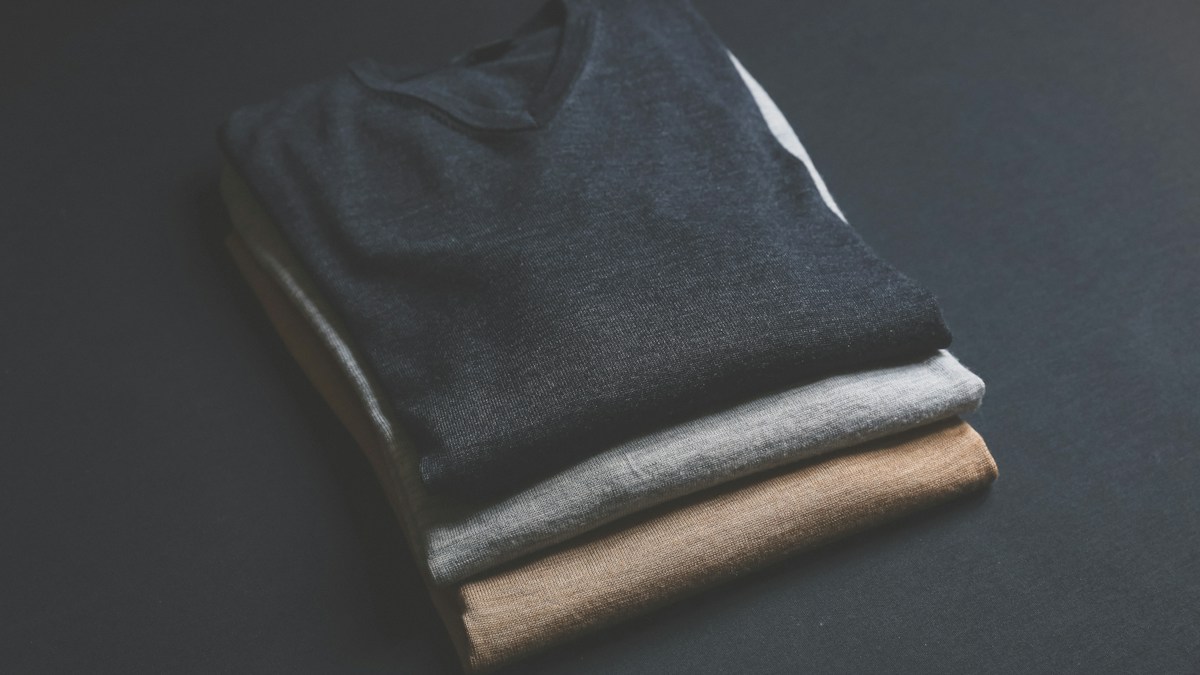
The best time to prevent moth damage is before putting garments away, not after discovering holes months later. Make it part of changing seasons instead of relying on an emergency response.
A well-kept wardrobe is not one that never has a problem. It is one where damage gets noticed early and the things worth keeping are looked after.
Frequently Asked Questions
Do adult clothes moths eat wool?
The larvae are responsible for most damage to textiles. Adult moth sightings alone do not prove an infestation of stored clothing.
Will washing a sweater prevent moths?
Appropriate laundering removes soiling and can be part of control, but protected storage and closet cleaning also matter.
Is lavender enough to protect wool?
No. Scented products are not a reliable substitute for clean garments and insect-resistant storage.
Are small holes always caused by moths?
No. Snags, normal wear and other textile pests such as carpet beetles can also be responsible.
Should wool sweaters be stored in airtight boxes?
Clean, fully dry vulnerable garments can be protected in suitable sealed containers, particularly for seasonal storage.
Can I use mothballs in an open closet?
Do not. Mothballs are pesticides with label restrictions and potential vapor exposure; follow official safety instructions.
The Bottom Line
Good wool clothing deserves better than wishful pest prevention. Clean pieces before storage, identify real signs of damage, protect them with well-sealed containers and check them periodically. If you find larvae or repeated holes, address the source with reliable pest guidance rather than spraying chemicals around the wardrobe.