The pointed corners that appear on a sweater’s shoulders after hanging are a small detail that changes how the entire garment looks. A properly fitted knit suddenly appears too wide, the sleeve falls at the wrong angle, and the shoulders look as though someone pinched them and forgot to let go. The problem is common in clothing that spends more time on a hanger than on a person.
Many of those marks are localized distortions rather than permanent damage. The important word is many, not all. Some wool can be gently reshaped. A stretched shoulder seam, a damaged stitch, or a severely felted knit is a different problem. Treating every bump with steam, pulling, or soaking is a poor strategy.
Woolmark advises that hanger-related shoulder humps in wool may respond to gently dampening and massaging the affected area, with the garment supported during drying. That does not override the care label on your particular sweater. Here is how to work out what is wrong, what may be safe to try, and when leaving the garment alone is the smarter decision.
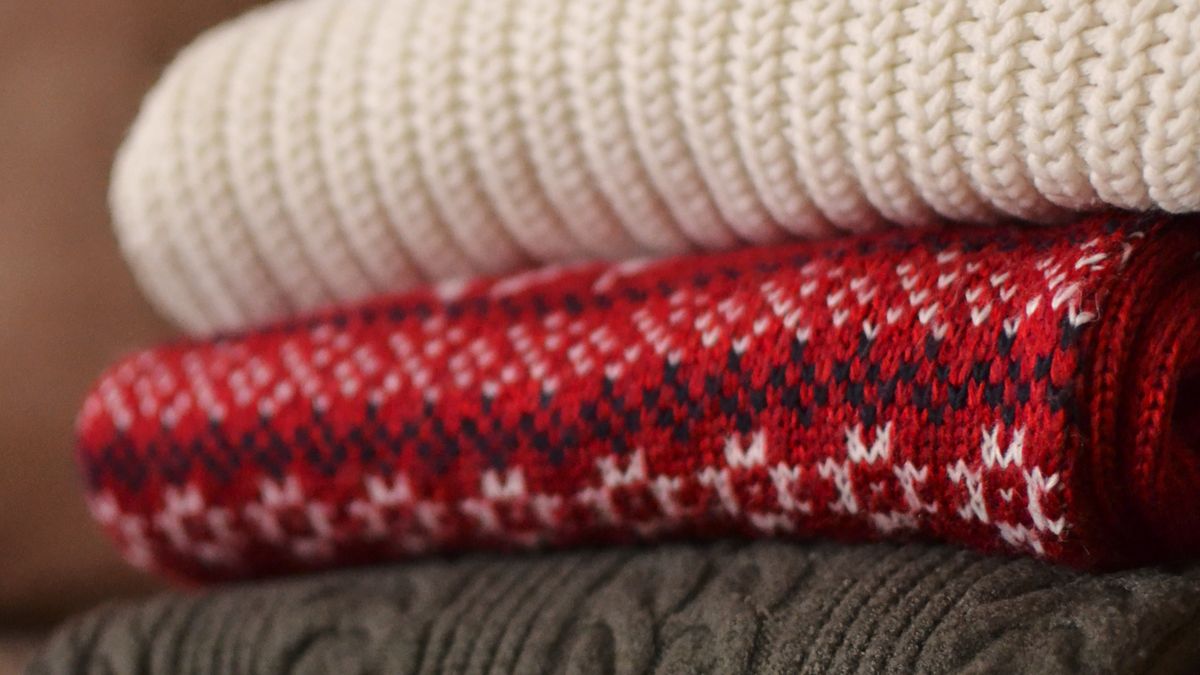
What kind of shoulder damage are you looking at?
Lay the sweater on a flat, clean towel. Do not stretch the sleeves to make it look symmetrical. Compare the neckline, shoulder seams, and sleeve positions before touching the fabric. A pointed peak exactly where the end of the hanger sat suggests a localized hanger impression. An entire shoulder panel that droops, however, indicates wider stretching.
You should also inspect the knit itself. Are the stitches distinct, soft, and reasonably even? Or has the wool become unusually dense and compact? Felting caused by the wrong combination of heat and agitation cannot be undone by a normal hanger-bump fix. Loose yarns or visibly pulled seams are structural issues that may need a specialist.
Finally, read the care label. Even if a sweater contains wool, its coating, blend, decorative elements, and construction may make wet reshaping inappropriate. Cashmere and delicate knits deserve particular caution. A manufacturer-specific instruction has more authority than a general trick found online.
Quick diagnosis table
| Symptom | Likely category | Sensible response |
|---|---|---|
| Small triangular points where hanger ends touched | Local hanger impressions | Consider gentle localized reshaping if permitted |
| Entire shoulder slopes or sleeve hangs lower | Broad stretching | Support flat and assess fit before attempting repair |
| Dense shrunken texture with little visible stitch definition | Possible felting | Stop; seek specialist assessment |
| Pulled seam or loose yarn at shoulder | Structural damage | Do not rub, pull, or wet the damaged stitches |
| Uneven silhouette created by a designed dropped shoulder | Original garment construction | Compare with intended fit before treating as damage |
The conservative spot-reshaping method
If the label and finish allow gentle wet handling, place a clean absorbent towel beneath the sweater and support the whole shoulder area. Woolmark’s guidance for wool that has hanger humps describes dipping affected sections in warm water, approximately 30°C to 40°C, and massaging them gently by hand. This is a bounded instruction for appropriate wool care, not permission to use hot water indiscriminately.
Dampen the raised point only as much as the material requires to become pliable. Use your palms or fingers to guide the extra height back into the surrounding shoulder line. Think of redistributing the knit rather than pushing down a lump. Do not tug the sleeve down to counterbalance the bump, twist the fabric, or drag one row of stitches against another.
Inspect the shoulder after a few light adjustments. If it has improved, stop. Wet fibers can deform under repeated handling, and one small remaining wrinkle may relax during supported drying. If nothing changes, increasing force is not an evidence-based solution. It is simply increasing the risk to the garment.
A four-step shoulder reset
Why pulling the sleeves makes things worse
The fastest apparent fix is to grab the cuff and pull downward until the raised point flattens. The problem is that knitted fabric responds to tension. You may reduce one bump while lengthening the sleeve, widening the armhole, or dragging the neckline out of alignment. On loose knits and fine cashmere, the damage may not be obvious until the garment dries.
Avoid trying to make a damaged shoulder match an undamaged shoulder by stretching both. Symmetry achieved by distortion is not repair. The aim is to restore the original outline. If you have a photograph showing the sweater’s earlier fit, it can be a useful reference. Otherwise, compare the seam position and original construction rather than guessing a perfectly horizontal line.
Some casual sweaters intentionally have dropped shoulders. Their seam does not need to sit where a tailored blazer’s shoulder seam sits. The separate men’s sweater fit guide explains the difference between intended drape and a garment that simply no longer fits.
Should you use steam or an iron?
Steam may relax certain wrinkles, but it is not always a precise treatment for localized hanger marks. Direct contact with an iron can flatten texture, leave pressure marks, or subject delicate fibers to more heat than they should receive. The care label remains the controlling instruction.
If approved for the particular sweater, use steam sparingly and keep the garment supported. Do not hold a steaming nozzle at one point until it becomes soaked. Do not pull the fabric while warm. The useful task is gentle restoration of the shoulder line, not dramatic stretching. For a valuable or heavily decorated garment, a cleaner with knitwear experience may be the safer option.
A steamy bathroom is even less controlled. It can leave the whole sweater damp without helping the specific distorted area. The fact that moisture sometimes assists reshaping does not mean more moisture produces a better result. Woolmark also cautions against radiators and other direct heat sources during drying.
The drying stage is part of the repair
A sweater may look repaired when damp and return to its distorted shape if dried badly. Lay it flat on a dry absorbent towel and arrange the shoulders, neckline, sleeves, and hem without strain. Support the full garment so that no damp section hangs beyond a table or drying surface.
Let it dry naturally, away from radiators, direct strong sunlight, and forced heat. Replace the towel if it remains wet for a prolonged period. A thick sweater may still retain moisture around the shoulder seam and cuff even when the body feels dry. Do not judge the result until the entire garment is dry.
Woolmark’s drying guidance warns that hanging a damp wool sweater can stretch it and leave shoulder humps. That is exactly the condition you are trying to correct. A faster dry that recreates the original problem is not a shortcut. It is a second repair job.
What to do if the bump remains
Give the garment a normal fit check after drying. If the shoulder point is barely visible in ordinary wear and the seams look sound, more treatment may not offer meaningful value. Perfectionism is a poor reason to keep manipulating a delicate knit.
If the point remains distinct, inspect for a stretched seam or broader shoulder distortion. Check the garment’s construction, fiber blend, and label one more time. A knitwear repair specialist or an experienced cleaner may be able to assess whether reblocking is worthwhile. A tailor who primarily handles woven suit jackets may not offer the same service.
Be especially cautious when the fabric is tight, shrunken, or felted. Woolmark notes that severe felting can be irreversible. That distinction matters because it tells you when to stop treating a structural change as a simple hanger mark. Trying repeated soaking or strong heat cannot guarantee a recovery and may destroy the garment’s remaining shape.
Can you prevent shoulder bumps with a better hanger?
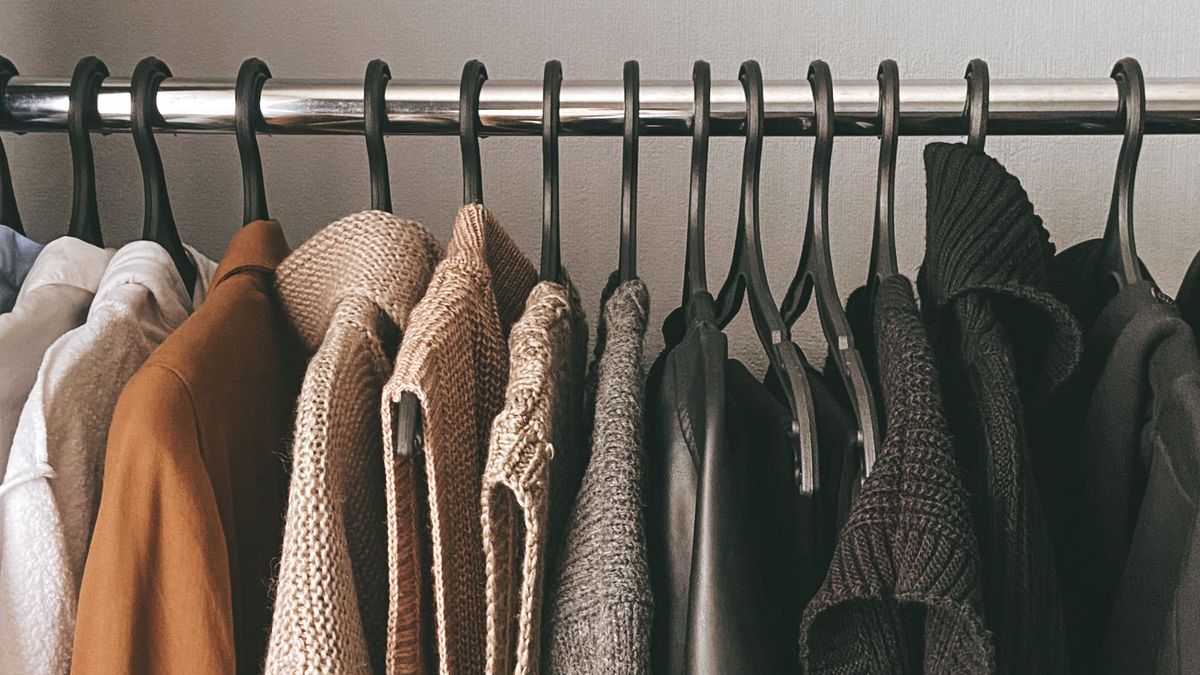
A wide or padded hanger can spread some pressure, but it does not remove the sweater’s weight. Knitted fabric remains vulnerable to stretching when suspended over time. For regular storage, folding a clean, dry knit is the more conservative solution. Woolmark’s care guidance specifically distinguishes the storage of knits from woven garments, which are more suited to hangers.
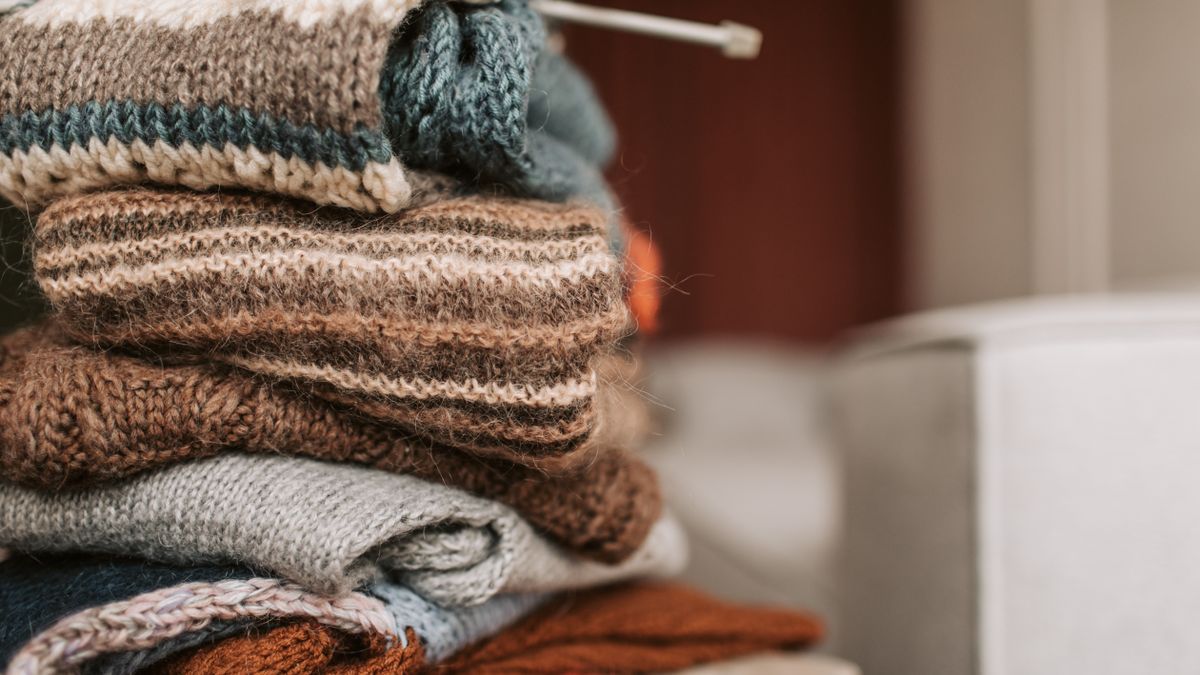
Fold the arms across the back or front without sharp creases and keep the sweater in a drawer or on a suitable shelf. Avoid a heavy pile that crushes fine material at the bottom. Give freshly worn items a chance to air and dry before storing them. Protect delicate knits from rough zippers, buckles, and snag-prone objects.
If you briefly hang a sweater while getting dressed, that is not the same as leaving a heavy knit on a hanger for months. Make storage proportional to the garment’s material rather than applying one closet rule to every item. For a fuller wardrobe approach, the capsule wardrobe guide explains why taking care of versatile pieces matters more than endlessly replacing them.
A storage decision checklist
When replacing the sweater is a reasonable choice
Not every damaged sweater needs to be discarded. If the bump softens with gentle treatment and the fit is still right, keep wearing it. If the shoulder panels remain badly stretched or repair costs more than the garment merits, replacement may be the practical choice. That is a decision about fit, condition, and cost, not a verdict on how much care you should have taken.
A replacement should also fix the habit that created the damage. Leaving a new sweater on the same hanger produces the same risk. If the garment was additionally damaged during laundering, read the separate guide on washing a wool sweater without shrinking it; shrinkage and shoulder impressions are separate problems and should not be treated interchangeably.
The bottom line
Hanger bumps in appropriate wool knits can sometimes be softened by careful local moisture, light reshaping, and flat supported drying. But the care label, construction, and damage pattern decide whether that approach is sensible. Pulling sleeves, aggressive heat, and repeated correction can create worse problems than the original marks.
Fold sweaters rather than hanging them for long periods. Treating a small defect cautiously and changing storage habits usually matters more than finding a dramatic repair hack.
Frequently Asked Questions
Can you remove hanger bumps from a wool sweater?
Some localized hanger impressions respond to gentle, label-approved dampening and reshaping. Stretched seams, damaged stitches, and severe felting are different problems.
Should I soak the whole sweater to fix the shoulders?
Not as a default. If the problem is local, a carefully controlled spot approach may be appropriate when the care instructions allow it.
Can I iron a sweater’s pointed shoulders flat?
Direct heat and pressure can damage texture or alter the fabric. Follow the garment’s ironing instructions, and consider professional care for delicate pieces.
Do thick hangers stop sweater shoulder bumps?
They distribute pressure differently but do not eliminate the stretching caused by a garment’s weight. Folding remains the conservative choice for most knitwear.
Is the same method safe for cashmere?
Not necessarily. Check the specific label and avoid forcing a wool-care technique onto a more delicate knit.
How long should a sweater dry after reshaping?
Until completely dry throughout, including cuffs and seams. Thickness, airflow, and room humidity affect timing, so do not assume a fixed number of hours.