White socks often stop looking white long before the fabric wears out. Some of the change is stubborn ground-in dirt from shoes and floors, while some comes from dye transfer, poor sorting, detergent residue or repeated washing. The useful first step is figuring out whether you are seeing removable soil or actual fabric discoloration. If discoloration appears after mixed-color loads, the guide to preventing color bleeding in the wash covers that separate cause.
Do not bleach socks indiscriminately, especially those with elastic, colored logos or delicate blends. Follow the finished garment’s care label and cleaner instructions.
What to Check First
Check the materials and relevant care instructions. The right cleaning approach removes residue without causing a more permanent problem.
- Why white socks gray out
- Dirt versus dye transfer
- Separate from dark garments

Start by comparing the soles, cuffs and tops of a gray pair. Dark soles suggest accumulated ground soil, while even discoloration after a mixed load raises dye-transfer questions. Check the care label, including bleach restrictions on elastic blends and logos, before choosing pretreatment. The type of grayness should guide the cleaning decision.
Why white socks gray out
| What to check | Practical guidance |
|---|---|
| Why white socks gray out | Their soles collect fine soil and body residue with every wear. |
| Dirt versus dye transfer | Gray mainly on the soles suggests ground-in soil, while an even gray cast across many white items suggests sorting or transfer problems. |
| Separate from dark garments | Wash whites with compatible light colors, especially when new dark items may release dye. |
Their soles collect fine soil and body residue with every wear. Wash conditions may not remove all particles, particularly in dense or heavily soiled fabric.
White socks pick up dirt from shoes, floors and daily wear, often concentrated on the soles. Fine ground particles can lodge between yarns even after a normal wash. Look for overall grayness versus darker patches at friction points. Those patterns reveal whether the problem is likely repeated soil exposure or possible dye transfer.
Dirt versus dye transfer
Gray mainly on the soles suggests ground-in soil, while an even gray cast across many white items suggests sorting or transfer problems. Inspect the load history.
Examine the tops and soles in the same light. Grayness limited to the footbed suggests ground-in dirt, while an evenly tinted pair after washing with dark garments may have absorbed loose dye. Lint can also change appearance. Treating all three causes with stronger bleach is unlikely to be the best first move.
Separate from dark garments
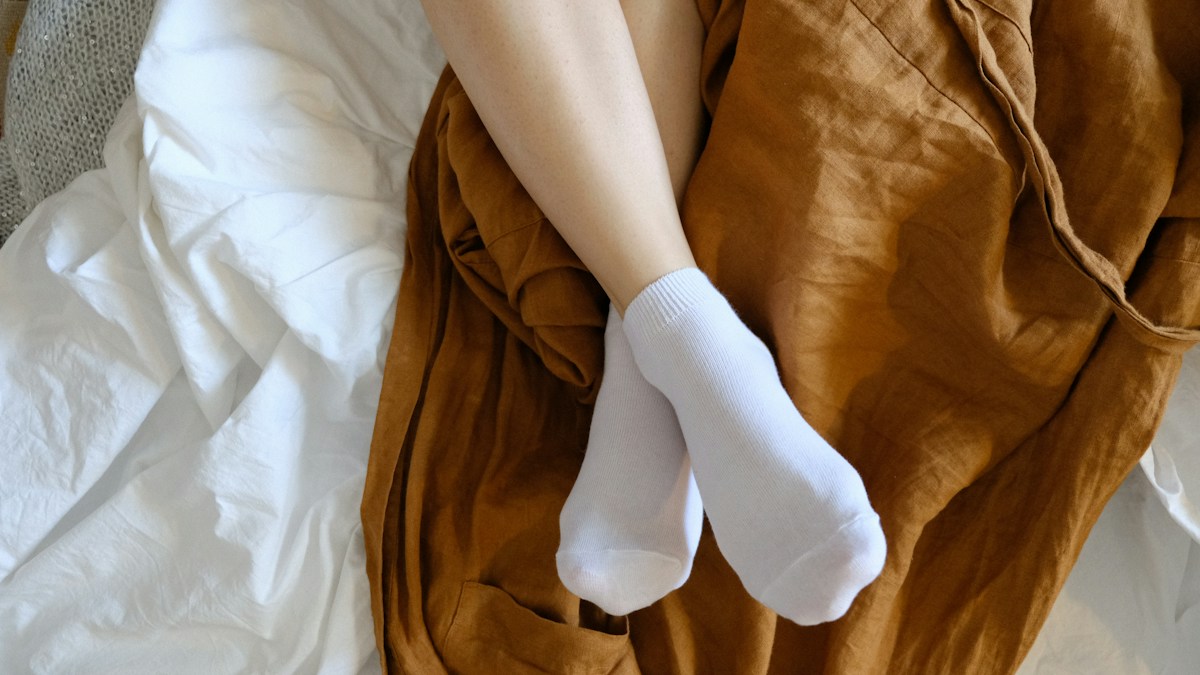
Wash whites with compatible light colors, especially when new dark items may release dye. Sorting prevents some problems before cleaners are involved.
New dark clothes may transfer dye onto white socks in a mixed load. Keep light items away from uncertain saturated colors until their dye behavior is known. Sorting by fabric and soil matters too; heavy lint-producing items can leave fuzz on socks even without actual color transfer. One extra sensible separation can protect an entire load.
Pretreat dirty soles
Apply a product approved for the sock material to concentrated soil. Do not rub so aggressively that the sole knit becomes fuzzy or weakened.
Pretreat dirty sock soles with a cleaner compatible with the fabric and the product label. Thick sports socks often contain elastic fibers and reinforced knits, so do not scrub them with an abrasive brush until they fray. Allow the treatment time to act according to its instructions, then wash and inspect when dry.
Detergent amount matters
Overloading a machine or using poorly measured detergent can compromise wash and rinse performance. Follow the appliance and product instructions.
Overfilling a washer reduces room for movement and rinsing. Socks packed among heavy towels or jeans may not receive the cleaning they need. Use measured detergent based on water conditions, machine and soil. Adding more cleaner without changing the load setup can create residue rather than visibly whiter fabric.
Use fabric-safe whitening only

Some products can brighten compatible white textiles. They are not universally safe for elastic blends, embroidery or colored trim. Read labels carefully.
Whitening products vary in chemistry and fabric compatibility. A sock that is mostly white may still contain colored logos, elastic and other materials with restrictions. Follow the complete care label before selecting any bleaching method. Never mix chlorine bleach with acids, ammonia or other cleaners. A different shade of white is not worth damaging the knit.
Inspect after washing
Do not assume a gray cast will disappear after heat drying. Check whether the issue is lint, soil or permanent color change first.
Inspect after the wash, especially at the soles and ankle band. If grayness remains only while damp, let the socks dry appropriately before making another attempt. A light lint film needs a different response from ingrained dirt or permanent dye transfer. Repeated heat cycles without treating the cause will not improve the result.
What about sports socks
Thick cushioned socks may need different drying time than thin dress socks. Preserve elasticity by using the permitted heat and drying method.
Cushioned sports socks can take longer to dry at the heel and toe than thin dress socks. Follow the permitted drying temperature and avoid storing them with damp seams. High heat may affect elastic recovery in some blends. Clean socks that have lost their grip or cushioning may still be ready for replacement.
When to replace socks

Thinning soles, holes, lost elastic or persistent unhygienic soil may make replacement sensible. Color alone is less important than condition and comfort. Before spending more time whitening old fabric, review the guide to when socks should be replaced to assess elastic, cushioning and holes.
Look beyond whiteness when deciding whether to keep a pair. Thinning heels, stretched cuffs, rough fibers or recurring holes affect comfort and performance. A slightly gray but structurally sound sock may remain useful. If the sole is worn out, repeated whitening is not a practical substitute for a new pair.
A Simple Diagnostic Test With One Pair
Choose one noticeably gray pair and compare the sole with the ankle. If the sole is much darker, concentrated soil from shoes and floors may be responsible. If the entire sock has an even gray cast, review whether it was washed with dark or heavily shedding items. Check the washer drum and detergent residue as well. A single controlled wash with compatible light garments and measured detergent can reveal whether the appearance improves. If the socks look gray only because white lint has collected on a dark fiber blend, a separate lint problem may be present. Sock hygiene fits into the wider men’s foot care routine, especially for men who wear closed shoes for long days.
How to Pretreat the Soles Without Damaging Elastic
Dense athletic socks often have reinforced bottoms and elastic cuffs. A suitable stain pretreatment can focus on ground-in soil without requiring excessive chemistry in the entire washer load. Apply according to its instructions, avoid high-pressure scrubbing and rinse as directed. Strong chlorine bleach may be incompatible with elastane or colored logos even when most of the sock is white. Use the care-label-approved cleaning route and inspect whether the knit remains springy afterward. There is little value in a visually whiter sock that has lost its fit.
Do Laundry Sorting and Load Size Matter?
Yes. A load containing new dark garments can transfer dye onto light fabrics, while heavily lint-shedding towels may leave visible fibers. Too much laundry in the drum can also limit movement and rinsing. Separate whites from known dye-release risks and follow the washer’s actual capacity guidance rather than stuffing socks into every empty space. Use the right amount of detergent for water conditions, soil level and product concentration. If the machine itself has an odor or residue problem, address that independently instead of blaming the socks.
What Whitening Can and Cannot Fix
A compatible whitening product may remove some discoloration or residual soil, but it cannot rebuild worn fibers or replace dye that has permanently changed. Do not combine bleach with acids or other household cleaners. Inspect the socks after a safe wash and full drying, not only while they are wet. If the sole has thinned, the heel is worn or the elastic no longer holds the sock, color restoration is no longer the most important maintenance decision. The goal is clean, comfortable and intact socks, not a perfect photograph of an aging garment.
Keep Comfort Ahead of Color
White socks may become slightly dull even when washed appropriately. If the fibers remain clean, soft, intact and comfortable, some gradual change in appearance can be acceptable. Focus on concentrated soil and structural wear instead of chasing laboratory-level brightness. When cuffs stop holding, soles thin or holes develop, replacement is more important than whitening. That makes the laundry routine both simpler and more useful.
A Simple Routine You Can Repeat
After laundering, inspect the sock completely dry. A whitish lint film or residue can look like graying without actual dye change. If the fibers have worn thin and cuffs no longer hold, restoring perfect color is not the most important problem. Keep the wash and drying conditions compatible with the elastic.
Some discoloration cannot be restored through household washing, and repeated strong bleach may damage elastic or colored trims. A sock with a sound knit and slight dullness can remain useful. Once there are holes, loose cuffs or uncomfortable thinning, replacement is a better use of time than another whitening experiment.
Frequently Asked Questions
Can gray socks become white again?
Sometimes, if the discoloration is removable soil rather than dye or fiber damage.
Should white socks be washed alone?
Separate from likely dye-releasing dark garments; compatible light laundry may be fine.
Why are soles darker than the tops?
They collect more friction-related ground soil inside shoes.
Is bleach safe for all white socks?
No. Elastic components, labels and colored details can restrict bleach.
How can I prevent future graying?
Sort carefully, pretreat concentrated soil, avoid overloading and follow care instructions.
The Bottom Line
White socks often stop looking white long before the fabric wears out. Build the routine around what the material and manufacturer actually permit. Choose a clear first action, verify the outcome and resist shortcuts that damage the item while trying to improve its appearance.