A sweater can still fit well across the chest while its cuffs hang loosely around the wrists. The change may come from wear, laundering or how the garment dried. Whether it can be improved depends on the fiber, the elasticity of the ribbing and whether the knit structure itself is damaged. If the whole sweater feels wrong rather than only the cuffs, consult the men’s sweater fit guide before deciding on an alteration.
Do not deliberately use hot water, steam or a hot dryer to shrink cuffs without assessing the full sweater. Aggressive heat can felt wool or distort the sleeve beyond the area you want to change.
What to Check First
Check the materials and relevant care instructions. The right cleaning approach removes residue without causing a more permanent problem.
- Find the cause of looseness
- Identify the fiber
- Start with rest and reshaping
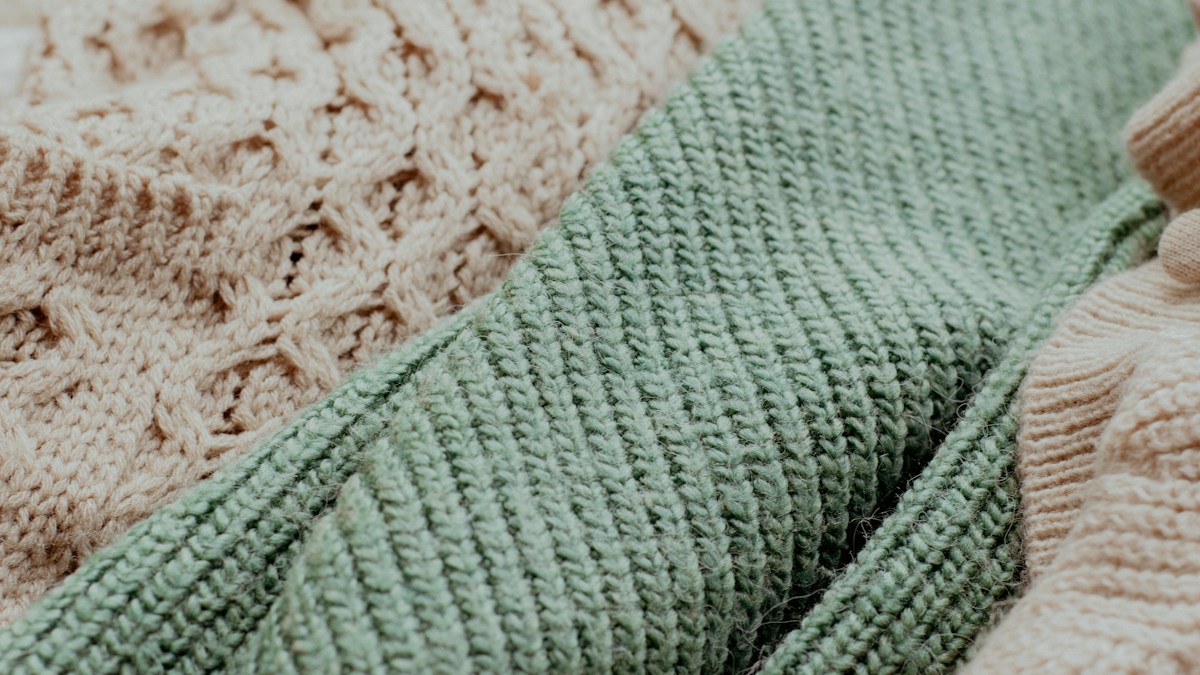
Before attempting to tighten sweater cuffs, inspect the fiber label, ribbing and actual cause of looseness. An intact wool rib can behave differently from a damaged elastic blend. Lay the sweater flat and compare both cuffs without stretching either one. Avoid hot-water shrinking experiments before you know what material you are treating.
Find the cause of looseness
| What to check | Practical guidance |
|---|---|
| Find the cause of looseness | Ribbed cuffs can relax with wear, but broken elastic yarns or stretched knit loops are different problems. |
| Identify the fiber | Wool, cotton, acrylic and blended knitwear respond differently to moisture and heat. |
| Start with rest and reshaping | Some knitwear regains part of its shape after resting or careful washing. |
Ribbed cuffs can relax with wear, but broken elastic yarns or stretched knit loops are different problems. Inspect whether both cuffs changed equally.
Before trying to tighten a cuff, compare its width and ribbing with the other sleeve. A cuff stretched by regular push-up wear may relax differently from one with broken elastic yarn. If you see snags or opened loops, reshaping will not repair those structural defects. Knowing the difference determines whether home care is worth attempting.
Identify the fiber
Wool, cotton, acrylic and blended knitwear respond differently to moisture and heat. The label matters more than how soft the cuff feels.
Wool, cotton, acrylic and blended sweaters respond differently to water, steam and heat. A tag that says hand wash only or dry flat should guide the approach. Do not rely on a fabric’s appearance or softness to identify it. A ribbed cuff made with elastic yarn may have limits that differ from the rest of the sleeve.
Start with rest and reshaping
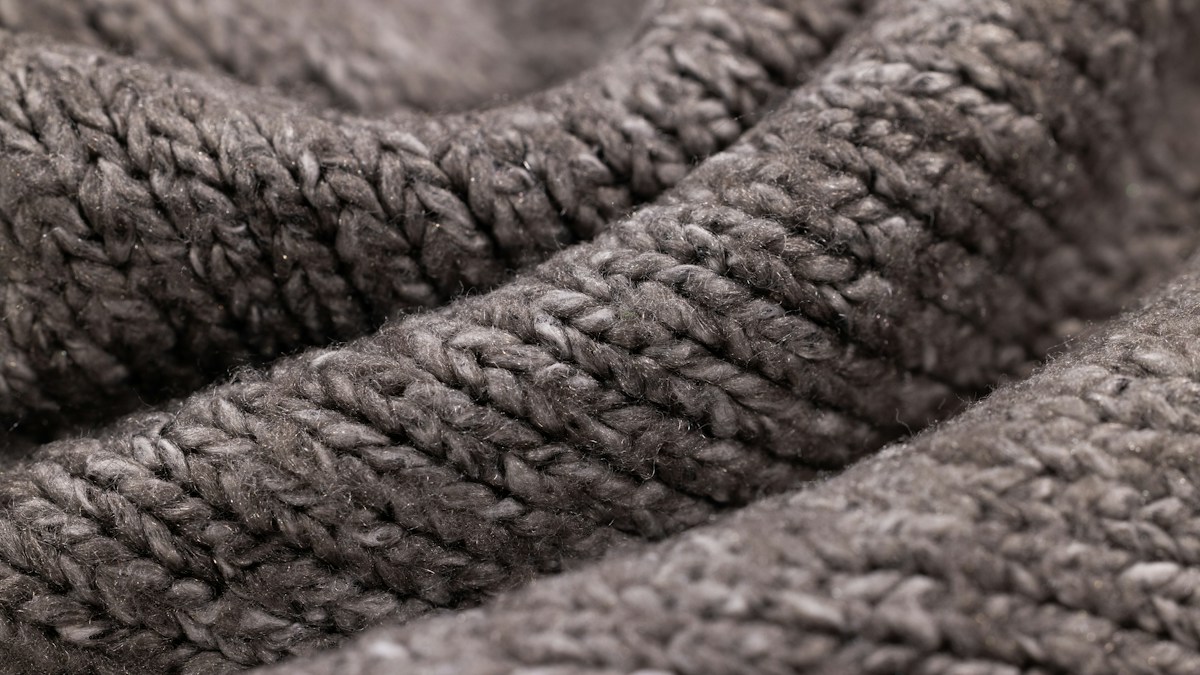
Some knitwear regains part of its shape after resting or careful washing. Support the sweater and gently arrange the cuff to its intended dimensions while drying. For the whole-garment routine, see how to wash a wool sweater without shrinking it before attempting localized reshaping.
Resting and reshaping may help when knit loops have simply been stretched out during wear. Lay the sweater flat and gently guide the cuff back toward its original outline without pulling it tighter than the fabric wants to sit. Let the garment recover and assess when fully dry. A damaged elastic yarn cannot be repaired by rest alone.
Why hot shrinking is risky
A high-heat attempt may shrink the entire sleeve, not only the rib. Wool felting can be irreversible, and synthetics can be heat damaged.
Trying to shrink only the cuff with heat is unpredictable. Hot water, a hair dryer or a radiator may affect the adjoining sleeve as well as the ribbed edge. Wool can felt, and some synthetics may lose shape. A slightly loose cuff is preferable to a permanently shortened sleeve or hardened knit fabric.
Wet knitwear needs support
Do not hang a heavy damp sweater by the shoulders. Woolmark generally favors flat drying for knit garments unless the label permits otherwise. Our shoulder-bump repair guide covers another common way knitwear becomes misshapen during storage.
Support the whole sweater after any care-label-approved wash. Hanging a damp knit by its shoulders can create bumps and stretch the body. Flat drying on a clean light-colored towel allows the wet weight to spread evenly. Reshape the cuffs gently, and avoid stretching the neckline while moving the garment.
Assess the cuff ribbing
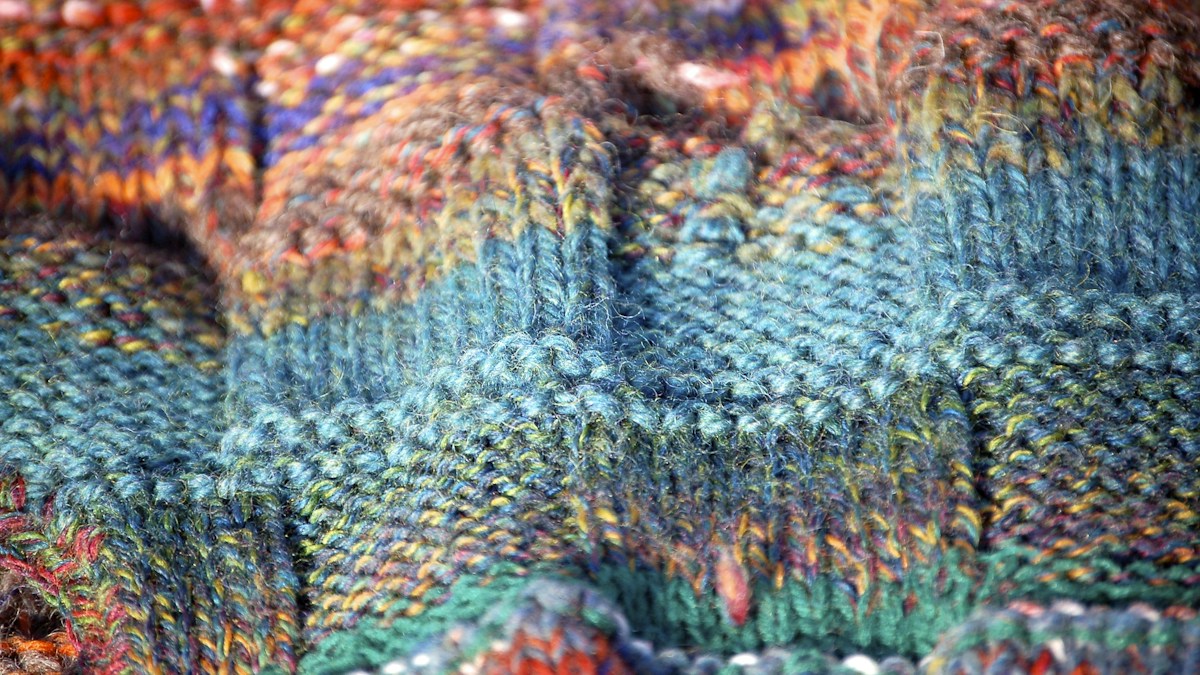
Look for broken threads, a stretched bind-off or damaged rib structure. Those defects are not fixed by surface cleaning.
Examine the actual ribbing for pulled stitches, yarn breaks or a stretched finishing edge. If you find damaged loops, an attempt to steam them smaller will not recreate missing stitches. Take clear photos before further treatment. A knitwear specialist may be able to explain whether the structure can be tightened or requires reknitting.
Can a tailor restore a cuff
A knitwear specialist may be able to take in, reknit or replace a cuff. Repair options depend on yarn match, construction and the price of the sweater.
Repair options depend on yarn type, gauge, cuff construction and access to a matching color. A skilled knitwear repairer may alter the cuff without changing the rest of the sleeve, but some work will remain visible. Ask about cost and the likely finished shape. This is a different service from ordinary trouser hemming.
When to accept a relaxed cuff
Minor looseness may be only cosmetic. Compare comfort, appearance and the risk of causing more visible damage through an uncertain home method.
A modestly loose cuff may not affect comfort or appearance enough to justify a risky treatment. Try the sweater on with your normal watch or shirt cuff and see whether the looseness is noticeable during movement. If it only looks imperfect when pulled straight on a table, you may be better off accepting it.
How to prevent stretching
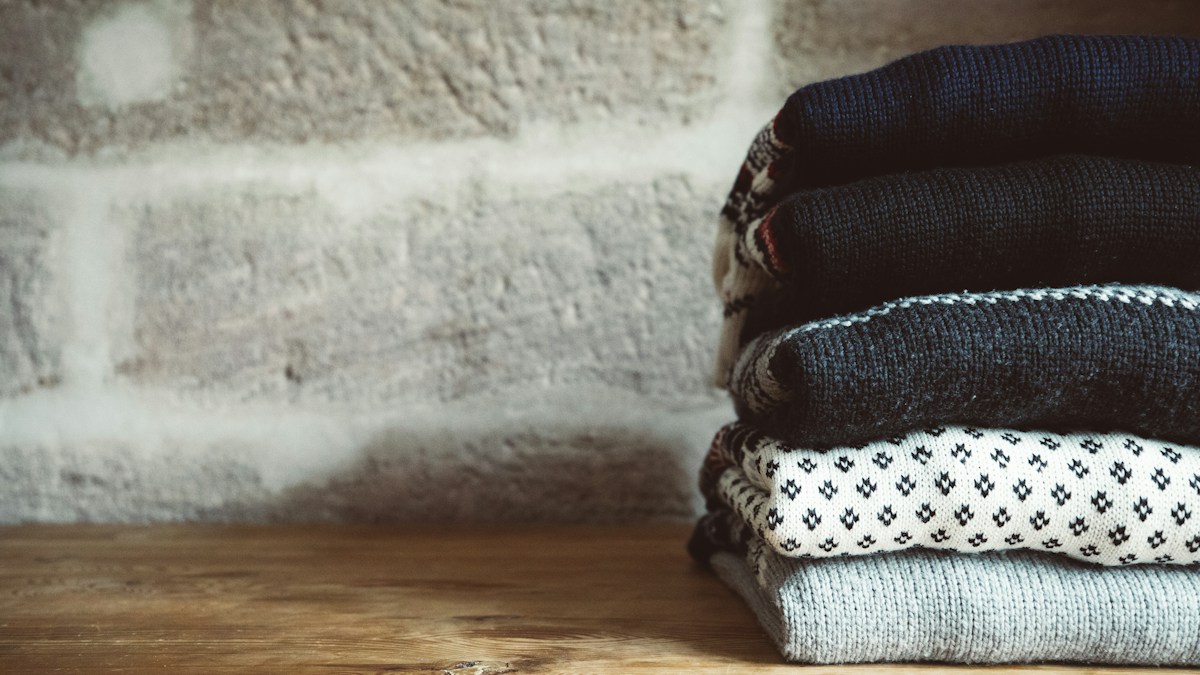
Fold knitwear for storage, avoid pulling sleeves repeatedly and follow safe wash and drying methods. Good habits reduce unnecessary stress on the ribbed ends.
Prevent stretching by folding knits for storage, avoiding repeated forceful pushes of sleeves up the arm and laundering within label limits. A wet sweater is more vulnerable to distortion from its own weight. A simple habit of supporting the whole garment may protect shoulders, cuffs and hem at the same time.
How to Compare the Two Cuffs Before Repair
Lay the sweater flat on a clean towel without pulling the sleeves. Compare both cuffs side by side and look at their width, rib direction and the transition into the sleeve. A cuff that stretches only when worn may have relaxed temporarily; one with loose or broken loops may have suffered structural damage. Record the shape before washing or steaming so you do not accidentally make a larger, uneven change. It is especially useful to see whether one cuff was repeatedly stretched around a watch or pushed up the forearm.
Why You Should Not Shrink One Section With a Hair Dryer
Focused heat is hard to control and may alter color, texture and size outside the part you want to change. On wool, inappropriate moisture, heat and agitation can encourage felting. On blends, elastic yarns and synthetic fibers may have different thermal limits. A cuff is connected to the sleeve, so shrinking the end can create an obvious step or puckering instead of restoring its original fit. Follow the garment’s care instructions and favor a conservative reshape or a qualified knitwear repair over an improvised high-heat method.
When Gentle Reshaping May Help
If the sweater label allows washing and the rib is intact, a correctly performed wash followed by gentle reshaping and flat drying may restore some of the relaxed appearance. Support the full garment, do not wring and never stretch the cuff beyond its intended outline. Compare the result after the sweater is completely dry. A modest improvement is plausible for some knits, but it cannot be guaranteed. If the rib remains lax because the yarn itself has lost recovery, repeated washing will not manufacture new elasticity.
What a Knitwear Specialist Might Do
Depending on construction, a specialist may be able to tighten the ribbing, replace damaged elastic thread or reknit a cuff section. The repair may require matching yarn, gauge and color, so it can cost more than ordinary alterations. For a valuable wool sweater, ask whether the repair will create a visible join or change sleeve length. For an inexpensive piece with mild looseness, leaving the cuff as it is may be preferable. The right decision balances appearance, comfort, cost and the chance of making a visible defect.
Check Sleeve Length After Reshaping
A cuff that becomes narrower through treatment may also pull the sleeve shorter or alter the transition between ribbing and the sleeve body. Lay the sweater flat and compare both sleeves before wearing. If the result looks uneven, avoid another aggressive treatment. A knitwear specialist can assess the construction and explain whether the cuff can be altered without leaving a visible ridge or shortening the sleeve noticeably.
A Simple Routine You Can Repeat
After any care-label-approved reshaping, let the sweater dry flat and compare the sleeve lengths and cuff widths. A cuff that becomes narrower but pulls the whole sleeve shorter is not a successful repair. If the rib remains loose while the rest of the garment is sound, consider a knitwear alteration rather than repeated heat.
When cuffs have broken loops or damaged elastic yarns, careful washing alone cannot rebuild their structure. A specialist may be able to rework the ribbing or replace a section. Ask about the finished appearance and price before proceeding. Mild looseness that does not affect wear may be preferable to a visible repair.
Frequently Asked Questions
Can steaming fix stretched cuffs?
Sometimes limited reshaping may help if the care label permits steam, but it cannot repair broken elasticity.
Does hot water shrink only the cuff?
No. Heat and moisture can affect more of the garment and cause permanent change.
Should sweaters dry flat?
Many wool knit garments should, unless their labels allow another method.
Can a tailor fix sweater sleeves?
A qualified knitwear repairer may offer structural alterations.
When is the damage permanent?
Broken fibers, severe felting or lost elastic recovery may not be restorable at home.
The Bottom Line
A sweater can still fit well across the chest while its cuffs hang loosely around the wrists. Build the routine around what the material and manufacturer actually permit. Choose a clear first action, verify the outcome and resist shortcuts that damage the item while trying to improve its appearance.