Most men do not need a haircut on the same schedule.
A skin fade can lose its shape in two weeks. A longer layered cut may still look good after two months. The right timing depends on the cut, how fast your hair grows, how sharp you want the shape to stay, and how much change you are comfortable with between visits.
The useful question is not, “How often should men get a haircut?” It is, “How long does this haircut keep looking intentional on me?”
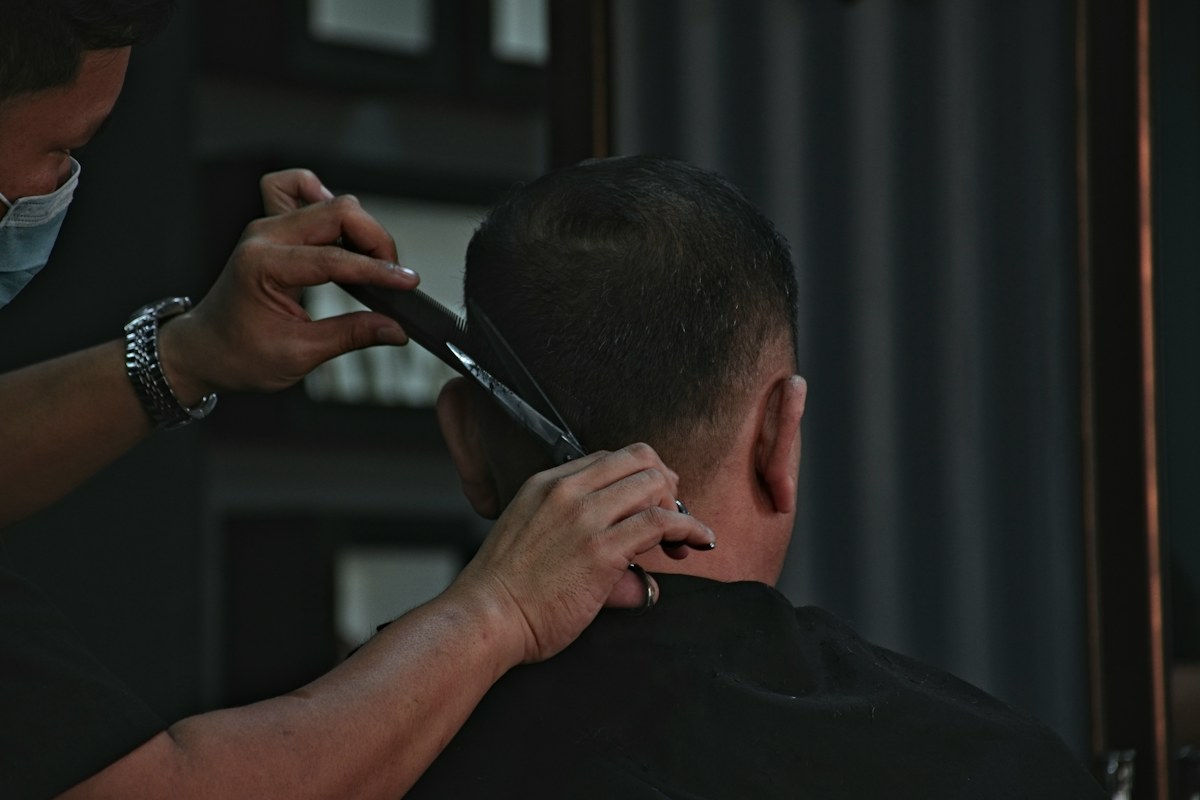
How often should men get a haircut?
Most men do well somewhere between every two and eight weeks, but the right interval depends on the style.
Very short cuts usually need the most frequent upkeep because a small amount of growth changes the outline quickly. Medium and longer styles can often go longer because they are designed to move and grow with less obvious loss of shape.
Your haircut should tell you when it is due. If the sides start looking heavy, the neckline loses its shape, the top becomes harder to style, or the cut stops sitting the way it did when it was fresh, you are probably close.
| Haircut style | Starting interval | What tells you it is due |
|---|---|---|
| Skin fade | About 1 to 3 weeks | The short sides lose their crisp contrast. |
| Buzz cut | About 2 to 4 weeks | The guard-length finish and edges look grown out. |
| Crew cut or shorter taper | About 3 to 5 weeks | The sides widen or the top becomes harder to shape. |
| Medium layered cut | About 5 to 8 weeks | Bulk builds and the shape loses movement. |
| Longer layered hair | About 8 to 12 weeks or more | Ends or layers become difficult to manage. |
These are practical starting ranges, not evidence-based appointment requirements. Your barber can suggest a longer or shorter interval based on growth patterns, texture, the cut itself and your preference.
Why do short haircuts need more frequent trims?
Short hair shows growth faster because there is less length to hide it.
A few millimeters can make a fade look softer. The edges around the ears and neck can also lose their clean outline quickly. That does not mean the haircut suddenly looks bad. It means the contrast and shape that made it look sharp begin to fade.
Cleveland Clinic notes that scalp hair grows about one centimeter per month on average. Individual growth varies, but the main point is simple: short cuts change fast because even a small amount of new length is easy to see.
If your style depends on sharp contrast, expect more frequent barber visits.
How often should you get a skin fade?
A skin fade usually looks its sharpest when it is refreshed every one to three weeks.
That does not mean every man needs a barber appointment every seven days. The tighter the fade and the more important the clean contrast is to you, the shorter your interval will be.
If you are comfortable with the fade softening into a normal taper, you can stretch the time. If you want it to look fresh at all times, you will need to maintain it more often.
The practical question is whether you are maintaining a specific look or simply wearing a short haircut. Those are not always the same thing.
How often should you get a buzz cut?
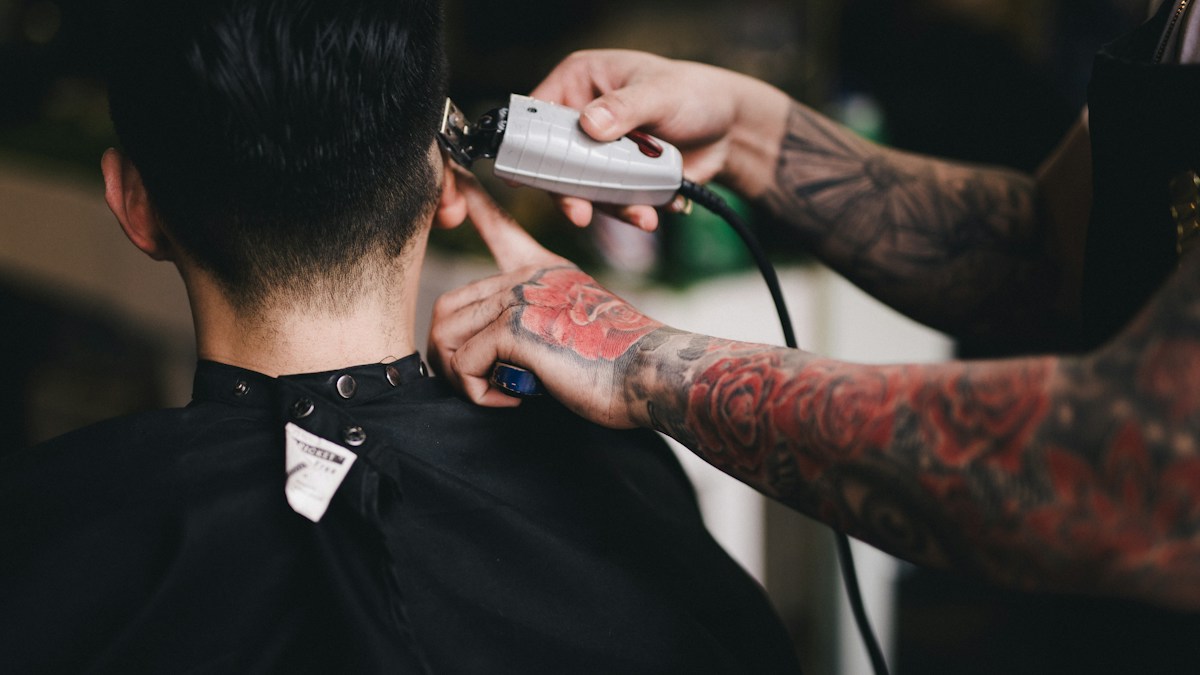
A buzz cut can usually be refreshed every two to four weeks.
The exact timing depends on how short you wear it and whether the edges matter to you. A very short buzz shows growth faster. A slightly longer guard gives you more room before the cut starts looking uneven.
Buzz cuts are also one of the easiest styles to maintain at home if you are comfortable using clippers. Even then, the neckline and areas around the ears can be harder to clean up on yourself.
How often should you get a crew cut?
Most crew cuts hold up well for about three to five weeks.
The top has enough length to tolerate some growth, but the sides usually tell the story first. When the side profile starts to look rounder or the cut becomes harder to style cleanly, it is time for a trim.
A crew cut with a very tight fade may need more frequent work. A softer taper can go longer.
How often should you get a taper?
A classic taper often works well on a three to six week schedule.
Tapers grow out more naturally than very sharp fades because the transition is softer from the start. That makes them useful for men who want a polished haircut without feeling tied to the barber chair every other week.
This is one reason softer cuts can be easier to maintain in real life. They are designed to age better between appointments.
How often should medium length hair be cut?
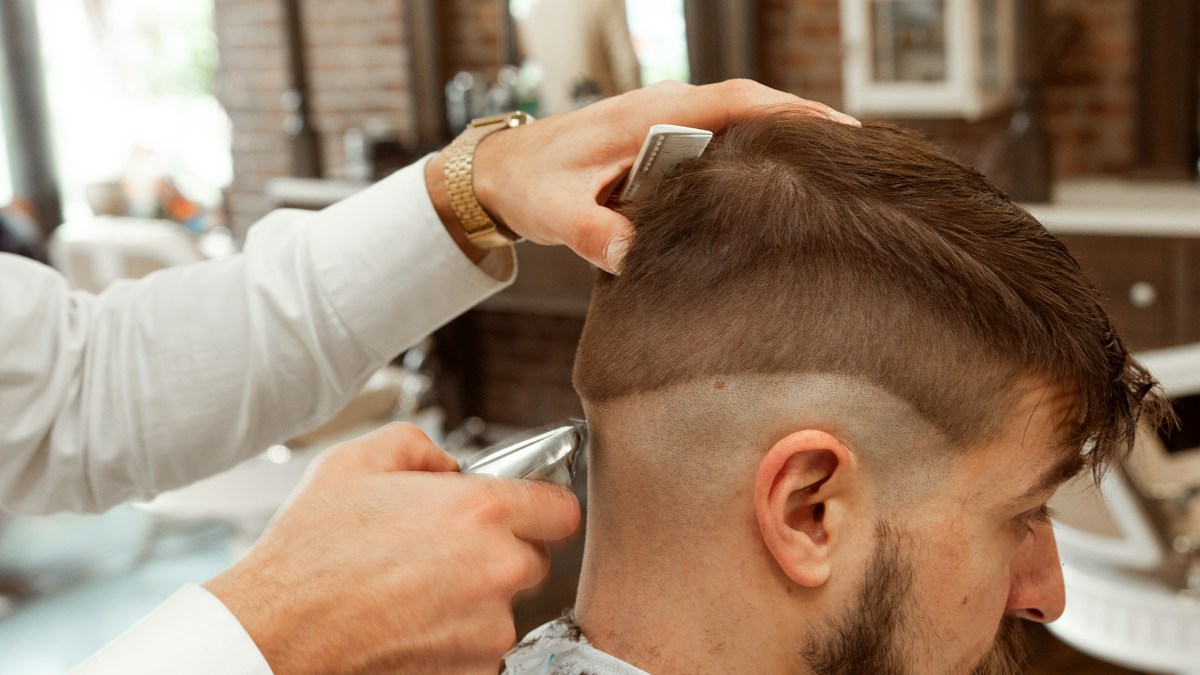
Medium length styles often work well every five to eight weeks.
These cuts usually have more room for growth before the shape breaks down. The main signs are excess bulk, loss of movement, heavy sides, or ends that stop sitting cleanly.
Medium hair also gives your barber more room to shape the cut rather than simply reset the length.
If you are growing your hair out, you may wait longer while still getting small trims to keep the shape controlled.
How often should long hair be trimmed?
Long hair can often go eight to twelve weeks between trims, sometimes longer.
The goal is usually not to keep one exact length. It is to manage shape, damaged ends, and how the hair falls.
If the ends start looking rough, the layers lose movement, or the hair becomes harder to manage, a trim can restore the structure without taking away much length.
Men growing long hair should avoid the idea that every trim ruins progress. A small, well planned trim can keep the shape cleaner while growth continues.
Does hair type change how often you need a haircut?
Yes. Texture changes how growth shows.
Fine straight hair can lose its shape quickly because changes in length are easy to see. Thick hair can become bulky before it looks much longer. Curly hair may keep visual shape longer in some cuts, but it can also become harder to control as weight and volume change.
There is no universal schedule for straight, wavy, curly, or coily hair. The better approach is to look at how your specific cut changes as it grows.
If you want a broader system for hair care, our guide to building a practical men’s grooming routine covers hair alongside skin, shaving, oral care, nails, and scent.
Does your job change how often you should get a haircut?
It can.
A man who works in a very formal or client facing setting may choose to keep the edges cleaner because presentation is part of the job. A man in a casual environment may be comfortable letting the same haircut grow longer before trimming it.
This is not about dressing for approval. It is about understanding the standards of the room you spend time in and deciding how much you care about meeting them.
The same haircut can look acceptable at five weeks and still feel too grown out for someone who prefers a sharper professional appearance.
Should you get a haircut before an important event?
Usually, yes, but not on the morning of the event.
Give the haircut a little time to settle. For many men, two to five days before a wedding, interview, photo shoot, or major meeting works better than getting cut a few hours before.
Fresh cuts can look a little too sharp at first, especially around the neckline and sides. A few days lets the hair relax while keeping the overall shape clean.
If you use the same barber and already know how the cut behaves, you can adjust that timing based on experience.
How do you know a haircut is overdue?
You are overdue when styling gets harder, not simply when a certain number of weeks has passed.
Look for a few signs.
The sides start sticking out. The neckline looks untidy. The area around the ears becomes heavy. The top no longer sits where it should. You need more product than usual to force the same shape. The haircut looks fine from the front but loses its outline from the side.
Those signs matter more than a rigid calendar rule.
Can you stretch the time between haircuts?
Yes. Choose a haircut that grows out well.
Soft tapers, textured crops, medium layers, and cuts with less extreme contrast usually age better than styles built around sharp skin fades and very clean edges.
You can also keep the neckline and sideburns tidy between full cuts. Some barbers offer quick cleanups that cost less than a full haircut.
At home, basic grooming helps too. Keep the hair clean enough for your scalp and style, use the right amount of product, and avoid letting buildup make the cut look heavier than it is. If you are changing the finish rather than the haircut, our comparison of hair clay and pomade explains the different holds and textures.
Our guide on how often men should wash their hair explains how scalp oil, sweat, texture, and styling products change that schedule.
Should you cut your own hair to save money?
That depends on the style and your standards.
Buzz cuts and simple clipper cuts are realistic for many men to maintain at home. More complex fades, scissor work, layers, and shape around the crown are harder to do well on yourself.
The question is not whether it is possible. It is whether the result is good enough for the way you want to present yourself.
If you care about precision, paying a skilled barber may still offer better value than fixing a bad home cut.
How do you choose the right haircut interval for your budget?
Start by deciding how much upkeep you are willing to pay for before choosing the haircut.
A sharp fade every two weeks costs more over a year than a soft taper every five weeks. That does not make the fade a bad choice. It simply means the real cost of the style includes maintenance.
This is the same logic that applies to clothing. A good choice is not only about how something looks when it is new. It is about what it takes to keep it looking right.
If frequent barber visits annoy you, pick a style built to grow out well.
Should you schedule the next haircut before leaving the barber?
Yes, if you already know the interval that works for you.
Booking ahead removes one small decision and keeps you from waiting until the cut looks bad. It also helps if your barber is difficult to book at short notice.
If you are still learning how long the haircut lasts, wait and watch. Take a photo when the cut is fresh. Then take another after two weeks, four weeks, and six weeks. You will quickly see where the shape starts to fall apart.
That gives you a schedule based on your actual hair rather than someone else’s rule.
Does getting more haircuts make hair grow faster?
No. Cutting the hair does not change the growth rate at the root.
A trim can make hair look healthier because damaged or uneven ends are removed, but scissors do not change what the follicle is doing beneath the skin.
If your hair growth changes suddenly, or you notice unusual thinning, bald patches, or heavy shedding, that is a different question from haircut frequency. A qualified medical professional can help assess persistent changes.
What if you are growing your hair out?
You still need a plan.
Growing your hair does not mean avoiding the barber for a year. It means changing the purpose of the appointment.
Tell your barber you are growing it out. Ask for shape, cleanup, and removal of only what is necessary. The goal is to keep the hair looking intentional while protecting length.
You may move from a four week schedule to eight or twelve weeks. The exact timing depends on how the current cut transitions into the longer style you want.

How do you explain your maintenance goal to a barber?
Tell them how often you actually want to come back.
This is one of the most useful things you can say before the cut begins.
If you want a haircut that still looks good after six weeks, say that. If you are happy to return every two weeks for a sharp fade, say that too.
A good barber can shape the cut around the maintenance level you are willing to keep.
Bring photos when useful, but also explain what you like about them. Length, texture, clean sides, low upkeep, or how the hair sits without much product are more useful details than a photo alone. If you are still deciding on the shape, browse our 27 men’s hairstyle ideas and bring one example that matches the maintenance you want.
A useful way to ask is: “I want the sides to look neat, but I would rather return every five or six weeks than every two. Which variation will grow out more naturally with my hair?” That gives your barber an actual constraint to design around.
What haircut schedule works for most men?
Use this as a starting point, then adjust.
Skin fades often need one to three weeks. Buzz cuts and very short styles often need two to four. Crew cuts and short tapers often work around three to five. Medium styles often hold up for five to eight. Longer styles can often go eight to twelve weeks.
These are practical ranges, not rules.
The right interval is the point where the cut still looks intentional without making you spend more time and money than the result is worth.
The better rule is to cut for shape, not the calendar
A haircut is due when the shape stops doing its job.
If the sides flare out, the neckline looks untidy, or the top becomes hard to style, get it cleaned up. If the cut still falls well and looks controlled, you do not need a haircut just because four weeks passed.
Choose a style that matches the level of maintenance you actually want to keep. Then build the schedule around that decision.
That is better than chasing a fresh cut every week or letting a good haircut grow until it no longer looks like one.