Hair clay and pomade can both hold a style in place, but they do not create the same result.
Clay is usually the better choice when you want texture, a matte or low shine finish, and hair that still looks natural. Pomade is usually better when you want control, definition, and a smoother finish with more shine.
The real decision is not which product is better. It is what you want your hair to look and feel like by the end of the day.
If you are choosing the cut as well as the product, browse our 27 hairstyle ideas for men first, then match the product to the texture and finish the style actually needs.
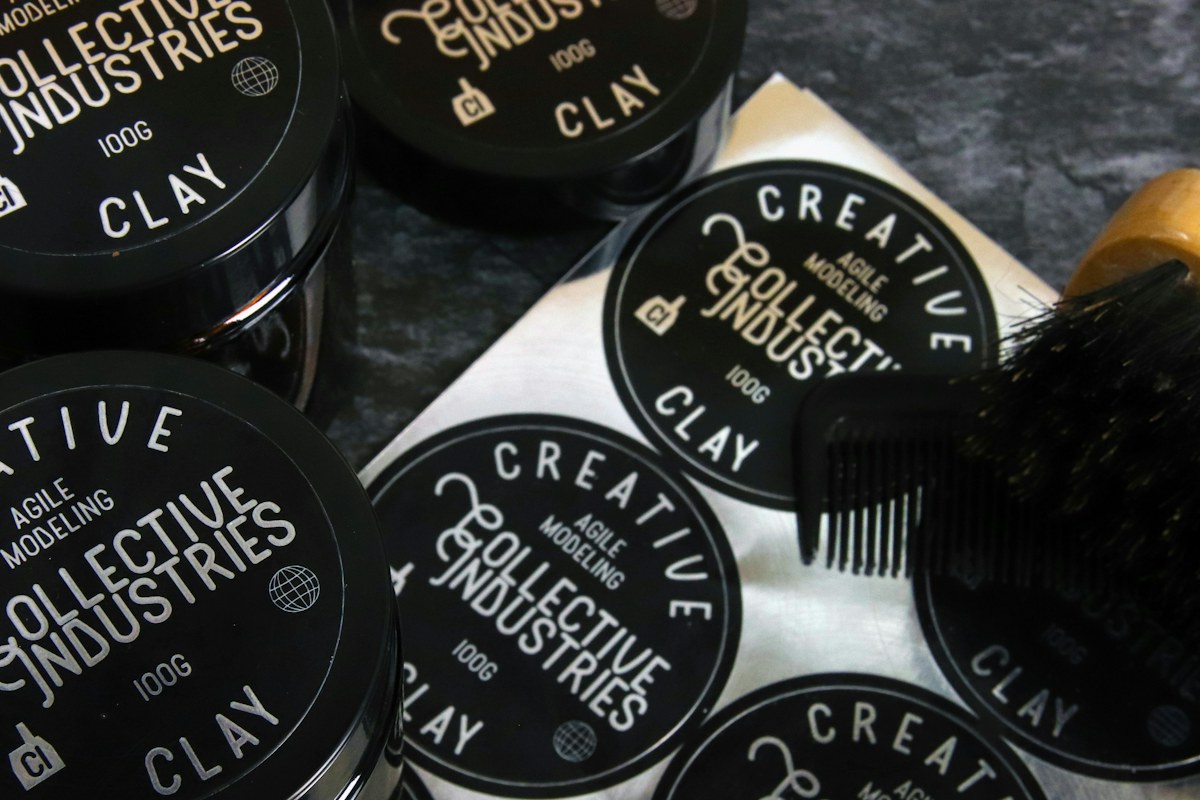
Hair clay versus pomade: what is the main difference?
Hair clay usually gives more texture and less shine. Pomade usually gives more definition and a smoother finish.
That simple difference changes how each product behaves in real life.
Clay works well when you want hair to look thicker, separated, and less polished. Pomade works well when you want strands to sit together in a clear shape.
If you want a loose textured crop, messy quiff, or natural side part, clay often makes more sense. If you want a slick back, classic side part, or cleaner combed style, pomade often fits better.
What does hair clay actually do?
Hair clay adds grip.
That grip helps the hair hold shape without making every strand look glued together. Many clays also reduce visible shine, which can make the hair look fuller and more natural.
This is why clay is popular for textured styles. It helps create separation and volume without making the hair look wet.
Clay formulas vary. Some are soft and creamy. Others feel dense and dry. The label matters less than how the product behaves in your hair.
What does pomade actually do?
Pomade gives control and definition.
It is useful when you want the hair to sit in a cleaner pattern. A pomade can help a side part stay sharp, keep a slick back controlled, or give a classic style a more finished look.
Pomades also vary. Some are water based and wash out easily. Others use more oil or wax and can feel heavier.
The common trait is that pomade usually creates a smoother result than clay.
Which one has more hold?
Either one can have strong hold.
The word clay does not automatically mean stronger, and pomade does not automatically mean lighter. Brands can make both categories in light, medium, or strong hold versions.
The better question is what kind of hold you want.
Clay tends to hold with grip and texture. Pomade tends to hold with control and shape.
If your hair needs lift and separation, a strong clay may feel more useful. If your hair needs to stay combed in one direction, a strong pomade may feel more controlled.
Which one looks more natural?
Hair clay usually looks more natural because it tends to add less shine.
A matte finish keeps light from bouncing off the hair as much. That can make the product less obvious.
Pomade often gives more shine, though many modern formulas are made with a lower shine finish.
If you want people to notice the haircut rather than the product, clay is often the safer choice.
Which one is better for fine hair?
Clay is often better for fine hair because grip and low shine can make the hair look fuller.
Heavy shine can sometimes make fine hair look flatter or more separated. A light clay can add texture without pulling the style down.
The amount matters. Fine hair can become overloaded fast.
Start with a very small amount. Warm it between your hands. Work it through the hair. Add more only if the style still needs support.
Which one is better for thick hair?
Thick hair can work with either clay or pomade.
The choice depends on the finish.
If your thick hair tends to become wide and bulky, pomade can help bring it into a cleaner shape. If your thick hair already has good control and you want texture, clay can help break up the mass.
Dense hair often needs more product than fine hair, but adding too much at once still creates a heavy result.
Which one is better for straight hair?
Straight hair usually responds well to both.
Clay is useful when straight hair falls flat and needs more grip. Pomade is useful when you want straight hair to stay combed, swept back, or parted.
The haircut matters as much as the product.
A styling product cannot completely fix a cut that fights the direction you want the hair to move. If your haircut is the real problem, our guide to choosing a men’s haircut that suits the way you want to style it is the better place to start.
Which one is better for wavy or curly hair?
Wavy hair often works well with clay when you want to keep texture visible.
Pomade can work when you want more control, but heavy formulas may pull some natural movement out of the hair.
Curly hair needs more care because the goal is often control without removing the curl pattern. A very dry clay can make some curls feel rough. A softer pomade can add control, but too much can make curls look greasy.
Use less product first and judge the result once the hair settles.
Does clay make hair look thicker?
It can make hair look fuller, but it does not create more hair.
Clay adds grip and separation. That can stop strands from lying flat against the scalp. A low shine finish can also make the scalp less noticeable than a wet finish.
This is a styling effect, not a hair growth effect.
If you are dealing with real thinning rather than flat styling, treat that as a separate question.
Does pomade make hair look greasy?
It can if you use too much or choose a formula with more shine than your hair can carry.
That does not mean pomade is supposed to look greasy.
A small amount of the right formula can create clean shine and control. The problem starts when the product sits on the hair instead of helping shape it.
Fine hair is especially easy to overload. Start small.
Which product is easier to restyle?
Pomade often makes restyling easier, especially when the formula stays flexible.
You can run a comb or your fingers through the hair later and bring the shape back.
Clay can also be restyled, but strong dry clays may become harder to move once they set.
If you wear a helmet, commute in wind, or often need to fix your hair later in the day, flexibility matters.
Which one washes out more easily?
Water based pomades usually wash out more easily than older oil heavy pomades.
Clay can also wash out well, but dense waxy formulas may take more work.
There is no perfect rule because ingredients differ by product.
If your hair still feels coated after washing, the product may be too heavy for your routine or you may be using more than needed.
Product buildup should also affect how often you shampoo. Our guide to how often men should wash their hair explains how styling product, scalp oil, sweat, and hair type change that schedule.
Should you apply clay to wet or dry hair?
Clay usually works best on dry or almost dry hair.
Applying it to wet hair can reduce the grip and make the finish look shinier than expected.
If you want more control, start with slightly damp hair and finish once it dries. If you want more texture and volume, dry the hair first and then use a small amount of clay.
Experiment with the same product on different levels of dampness before deciding it does not work.
Should you apply pomade to wet or dry hair?
Pomade can work on either, but the result changes.
Damp hair usually gives a smoother finish and often more visible shine. Dry hair usually gives more texture and a slightly lighter finish.
If you want a clean combed style, slightly damp hair can make application easier.
If you want more natural movement, use less product on drier hair.
How much product should you use?
Less than you think.
Start with an amount about the size of a small pea for short hair. Medium or thick hair may need more, but add it in stages.
Warm the product fully between your palms and fingers before touching the hair. Then spread it through the hair instead of dropping one heavy patch on the front.
You can always add more. Removing too much means washing again.
Where should you apply the product first?
Start toward the back and middle of the hair, then move forward.
Many men begin at the fringe because that is the part they see in the mirror. That can leave too much product at the front and almost none elsewhere.
Spread the product through the whole style first. Then use what remains on your hands to shape the front.
This creates a more even result.
Which product is better for a side part?
Pomade usually wins when you want a clean, classic side part.
It helps the hair sit together and keeps the part line clear.
Clay works better when you want a looser side part with more texture and less shine.
Neither is wrong. The difference is whether the style should look polished or relaxed.
Which product is better for a textured crop?
Clay usually makes more sense.
A textured crop depends on separation, movement, and a finish that does not look too polished.
Work a small amount through dry hair and use your fingers rather than a comb. That helps create uneven texture instead of neat lines.
Which product is better for a slick back?
Pomade usually makes more sense.
A slick back needs the hair to move in one clear direction and stay controlled.
Use a comb for a cleaner result. Use your fingers if you want the shape without making every strand look perfectly placed.
Can you use clay and pomade together?
Yes, but most men do not need to.
You can use a small amount of clay for grip and then a touch of pomade for control or shine. The risk is weight.
Combining products can make hair harder to wash and easier to overload.
Before mixing products, learn what one product can do by itself.
Which one is better in hot weather?
The better product is the one that holds without becoming greasy or collapsing.
Heat and sweat can make heavy products feel uncomfortable. A dry clay may feel cleaner for some men, but strong humidity can also make a flexible pomade useful when hair starts to move.
Your climate matters. So does how much you sweat.
A product that works in an air conditioned office may behave differently outdoors in summer.
Which one should you buy first?
Buy clay first if you want texture, volume, lower shine, and a more natural finish.
Buy pomade first if you want clean control, definition, easier combing, and more shine.
If you do not know what you want, look at your haircut.
Textured cuts usually point toward clay. Classic combed styles usually point toward pomade.
That simple rule gets most men close enough to make a useful first choice.
What should you look for when buying hair clay?
Look at hold, finish, and how easily it spreads.
If you have fine hair, avoid anything that feels very heavy. If your hair is thick, a weak clay may disappear as soon as you leave the bathroom.
Do not assume the strongest hold is always best. Stronger products can reduce movement and make restyling harder.
The best clay gives enough control for your haircut without making the product itself obvious.
What should you look for when buying pomade?
Decide how much shine and washout you want.
A water based pomade is usually easier for a simple daily routine. Heavier formulas can offer a different feel and stronger control but may take more effort to remove.
Again, the label matters less than the result.
If the product gives the finish you want, holds long enough, and washes out without turning your routine into a project, it is doing its job.
Hair clay or pomade: which one actually belongs in your routine?
Choose clay when the goal is texture, volume, grip, and low shine.
Choose pomade when the goal is shape, control, definition, and a smoother finish.
Then use less than you think you need.
Good hair product should support the haircut. It should not become the haircut.
If you need a handful of product every morning to force the hair into place, the better fix may be the cut itself rather than a stronger jar. For the wider maintenance system, see the Modern Men HQ grooming routine.