There is no beard style that works for every face. Two men can ask for the same short boxed beard and leave the barber with very different results because their cheek growth, jaw shape, hair texture and density are different. The name of the style is only a starting point. The outline is what makes it work.
This guide compares 20 beard styles, from light stubble to longer full beards, with the practical questions that matter once you leave the barber: whether your cheeks grow evenly, how clean you want the neckline, how much maintenance you can tolerate and what happens after a few weeks of growth. The goal is not to disguise your face. It is to frame it deliberately.
Start here: If the cheeks are sparse, consider stubble, a goatee or another shape that uses the stronger areas rather than forcing a full beard. If growth is dense, a boxed, tapered or natural full beard offers more options. For everyday grooming beyond facial hair, see our complete men’s grooming routine.
| Your growth and preference | Styles worth considering | Main maintenance tradeoff |
|---|---|---|
| Sparse cheeks, stronger moustache or chin | Circle beard, simple goatee, extended goatee | Keep separation and edges deliberate |
| Even coverage, compact shape | Short boxed beard, low boxed beard | Maintain cheek and neckline boundaries |
| Full coverage, moderate upkeep | Natural medium beard, rounded full beard | Manage strays and bulk rather than carving thin lines |
| Full coverage, statement look | Ducktail, Garibaldi, Verdi | Extra length, brushing and shape care |
| Minimal time spent grooming | Light or heavy stubble | Frequent quick trimming for an even finish |
How to choose a beard style for your face
Patchy cheeks but strong chin: consider a goatee or extended goatee. Connected cheek and jaw growth: start with a short boxed beard. Even growth and willingness to maintain length: try a medium or full beard. Prefer the lowest upkeep: start with stubble.
Look at growth before looking at face shape charts. Your beard cannot hold a sharply defined cheek panel if hair does not grow there consistently. Notice the density on the chin, upper lip, cheeks and under the jaw after roughly a week or two of growth. That pattern tells you which styles are practical.
Then think about proportion. A beard that adds weight beneath a narrow chin can balance the lower face, while keeping the sides shorter can avoid making a broad face look wider. These are styling choices, not mathematical rules. The right result should look natural when you talk and turn your head, not only from the front in a mirror.
Finally, decide how often you are willing to maintain the edges. A precise fade or shaped moustache asks for more attention than natural stubble. Our beard neckline guide explains why the line beneath the jaw matters more than drawing an aggressive edge along the jawbone.
Short and low maintenance beard styles
1. Light stubble
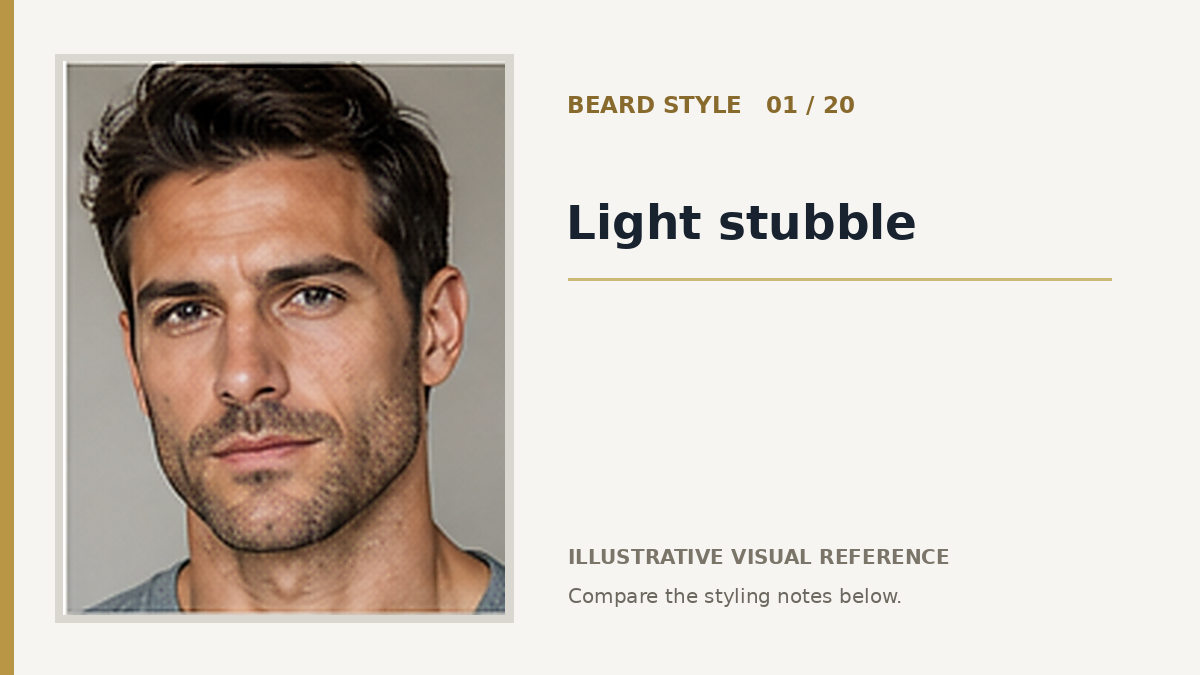
Light stubble gives the face definition without asking the hair to form a complete beard. It suits men who grow unevenly on the cheeks, provided the overall length looks intentional. Start with a short guard and trim consistently rather than chasing a perfectly even number of days. Keep the neck reasonably clean, but avoid carving a hard jawline into a style that is meant to look restrained. The main weakness is inconsistency: a soft shadow can become untidy when patches reach different lengths.
2. Heavy stubble
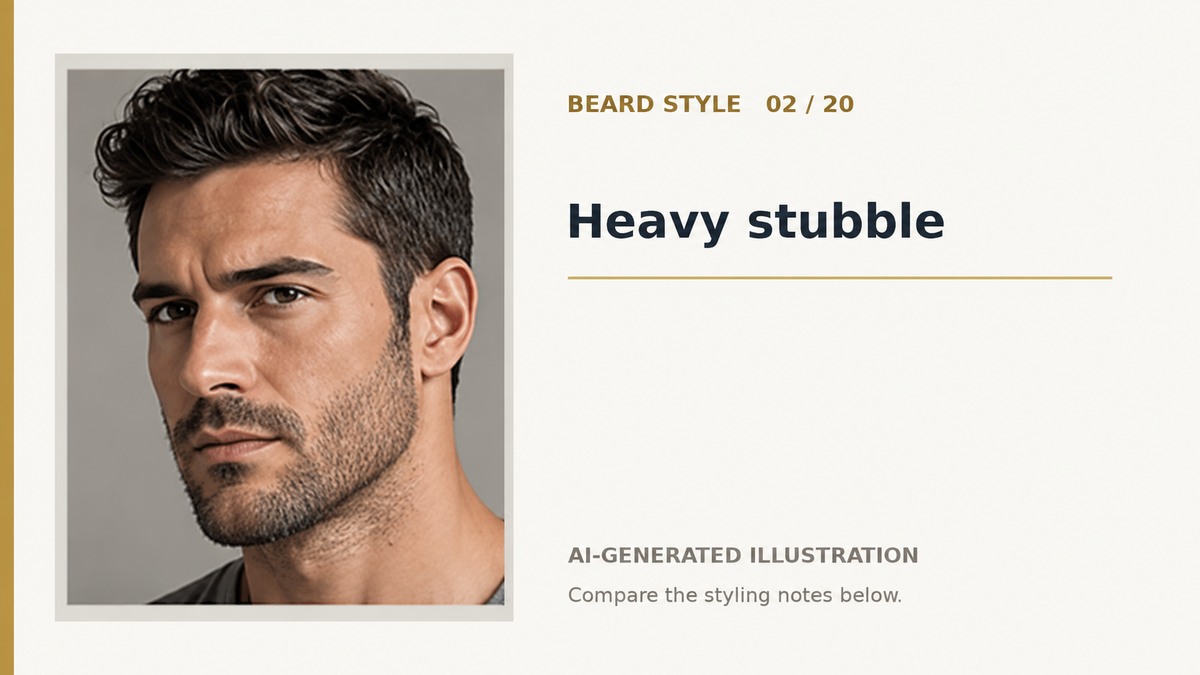
Heavy stubble has enough length to show the direction and texture of the beard, while staying short enough that the silhouette remains close to the face. It can look especially good when the moustache and chin grow more densely than the cheeks. Choose a guard length that reduces the contrast between those areas rather than trying to fill sparse spots. A simple weekly trim may be enough, although strong neck growth can need attention sooner. It is the practical middle ground for men who dislike a clean shave.
3. Short boxed beard
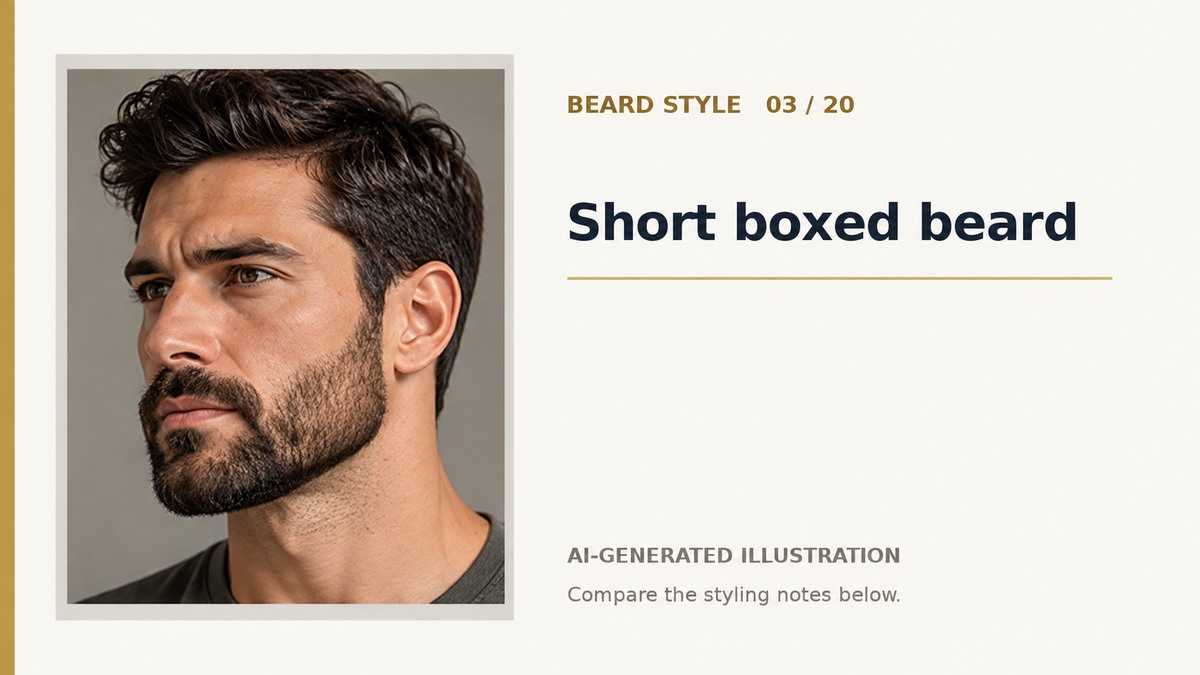
A short boxed beard keeps visible coverage on the jaw, cheeks and chin in a compact, controlled shape. The cheek line is tidy, the lower edge sits below the jaw and the length stays relatively even. It is a sensible first proper beard if your coverage is reasonably connected. Ask the barber to preserve enough fullness under the chin so the beard does not disappear in profile. At home, focus on maintaining the outline rather than repeatedly trimming the whole beard shorter.
4. Low boxed beard
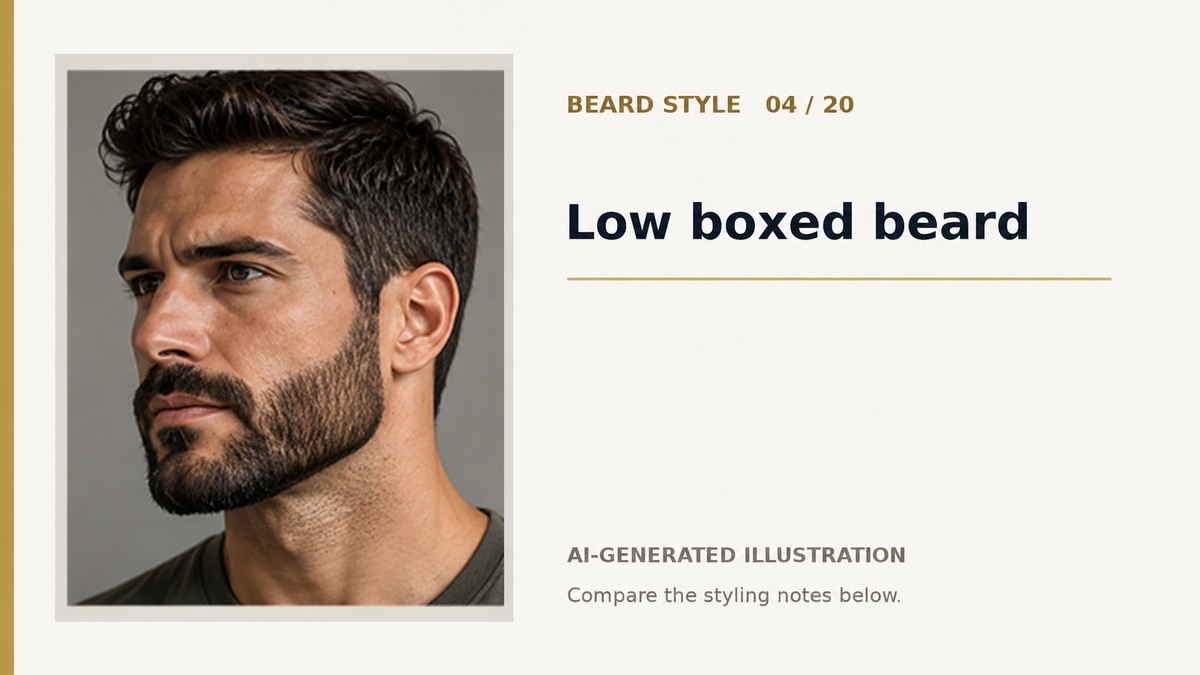
A low boxed beard keeps the cheek boundary lower and concentrates more visible weight around the jaw and chin. It can work when your upper cheeks are patchy but the lower beard is strong. The mistake is dropping the line too far and leaving an isolated band of hair. The remaining cheek area should still look like a deliberate choice. A barber can establish the first outline; from there, follow the existing growth pattern and resist cutting higher with every touch-up.
5. Beard fade
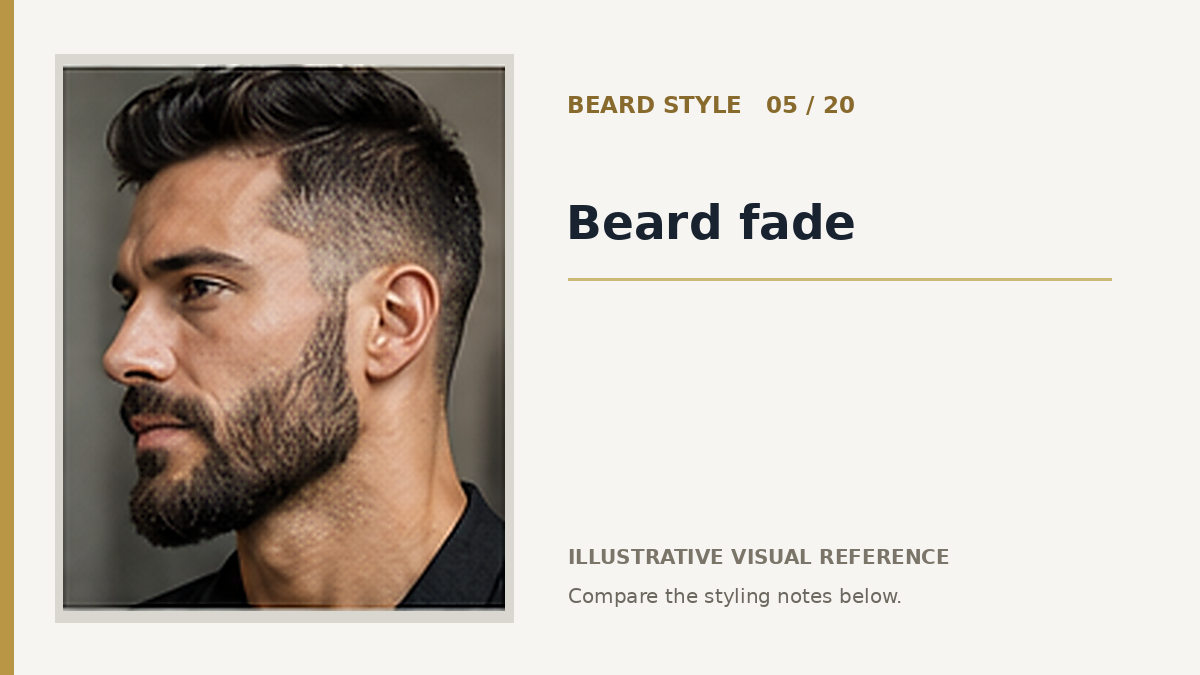
A beard fade transitions from shorter hair near the sideburns into more length along the jaw or chin. It can coordinate neatly with a faded haircut, but the blending needs precision. Choose this when you enjoy regular barber maintenance, not when you want to forget about the beard for a month. Ask to see the outline in profile before the barber finishes. A sharp transition can flatter a well-shaped beard, while an excessive fade can strip away the very density that makes it look full.
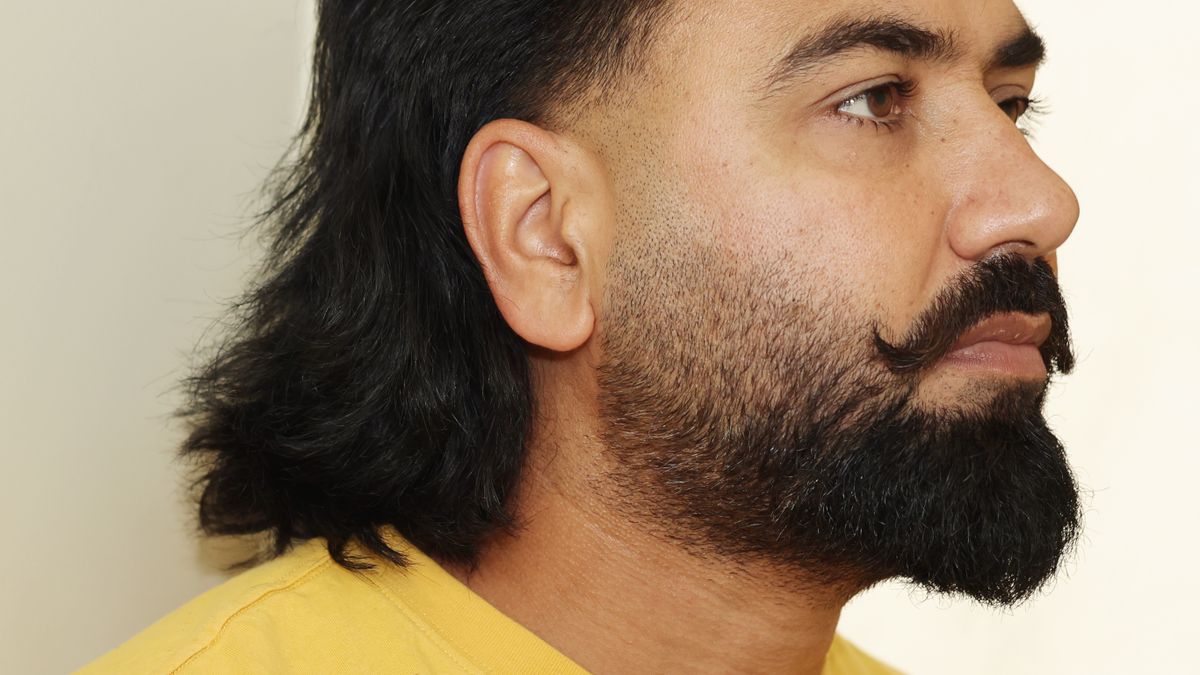
Styles that work without full cheek growth
6. Simple goatee
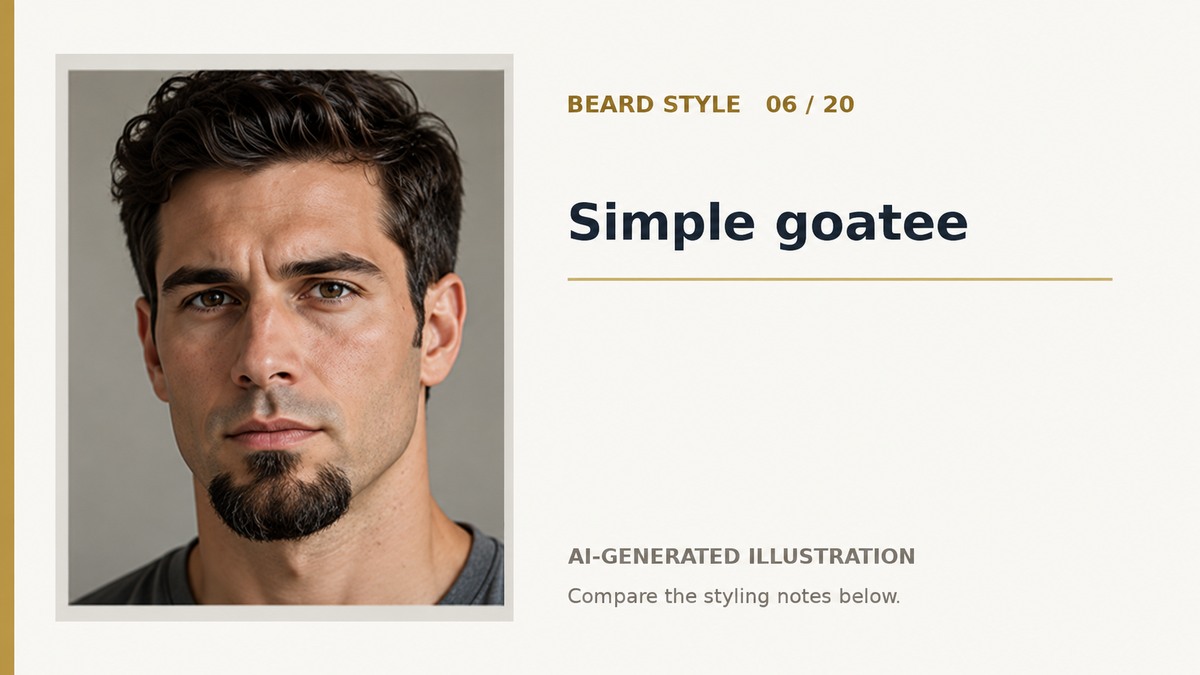
The goatee uses chin growth as the defining feature and may leave the cheeks and jaw clean. It is useful when the chin is strong but beard coverage elsewhere is weak. Length matters: too much narrow growth hanging from the tip can exaggerate the chin rather than balance it. Start compact and decide whether the shape should be rounded or slightly squared. Keep surrounding stubble under control so the goatee looks intentional instead of like the only area you forgot to shave.
7. Circle beard
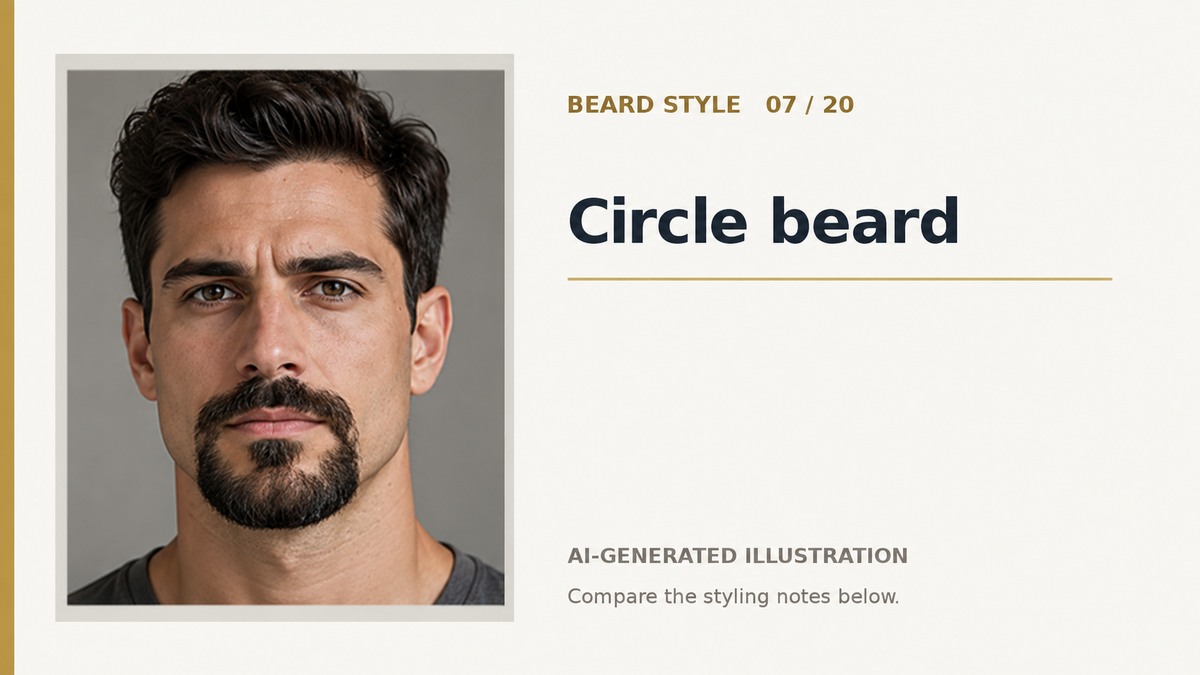
A circle beard connects a moustache with a rounded chin beard, creating a continuous frame around the mouth. It asks for reliable connections at the corners, which not every growth pattern provides. When those areas are sparse, a separated goatee may look better than drawing thin lines to force the circle. Keep the circle proportionate to your mouth and trim the lower chin in line with the moustache. Its main advantage is a clear shape without needing full cheek coverage.
8. Extended goatee
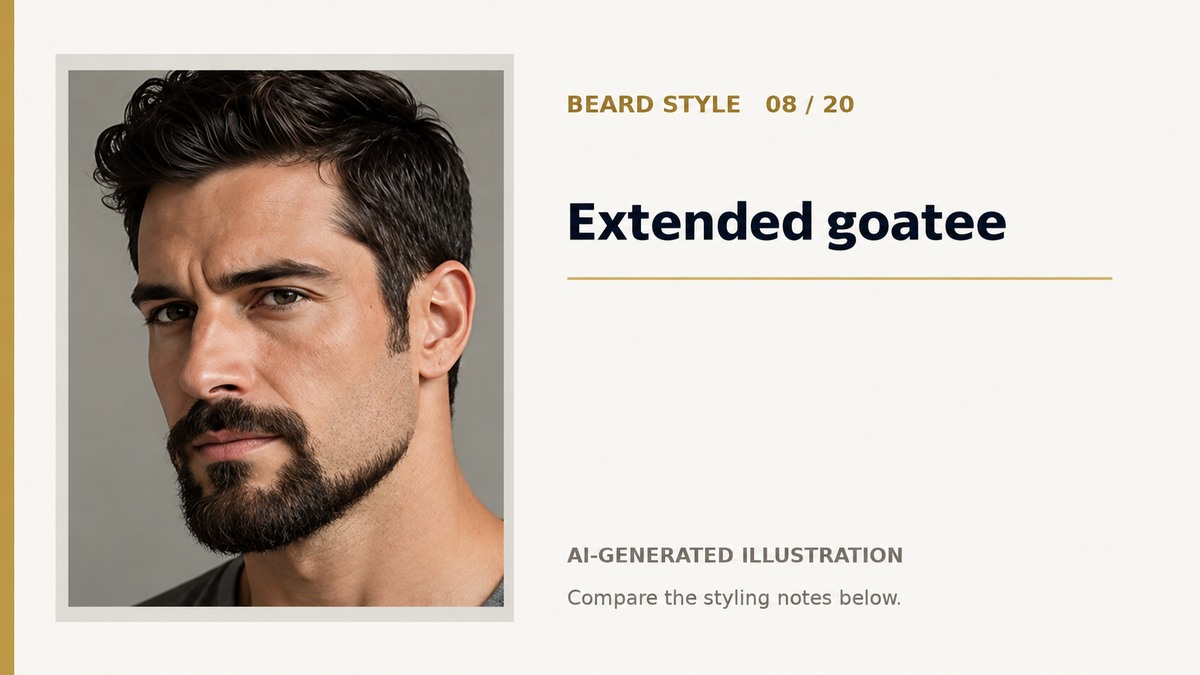
An extended goatee takes the mouth and chin coverage of a goatee and runs it farther along the jaw while usually leaving much of the cheeks open. It can add definition to the lower face when cheek growth is limited. The transition along the sides should be gradual, not a sharp strip that suddenly stops. Make sure both sides extend a similar distance and check the shape from below. It is often easier to maintain once a barber has established a natural width.
9. Balbo beard
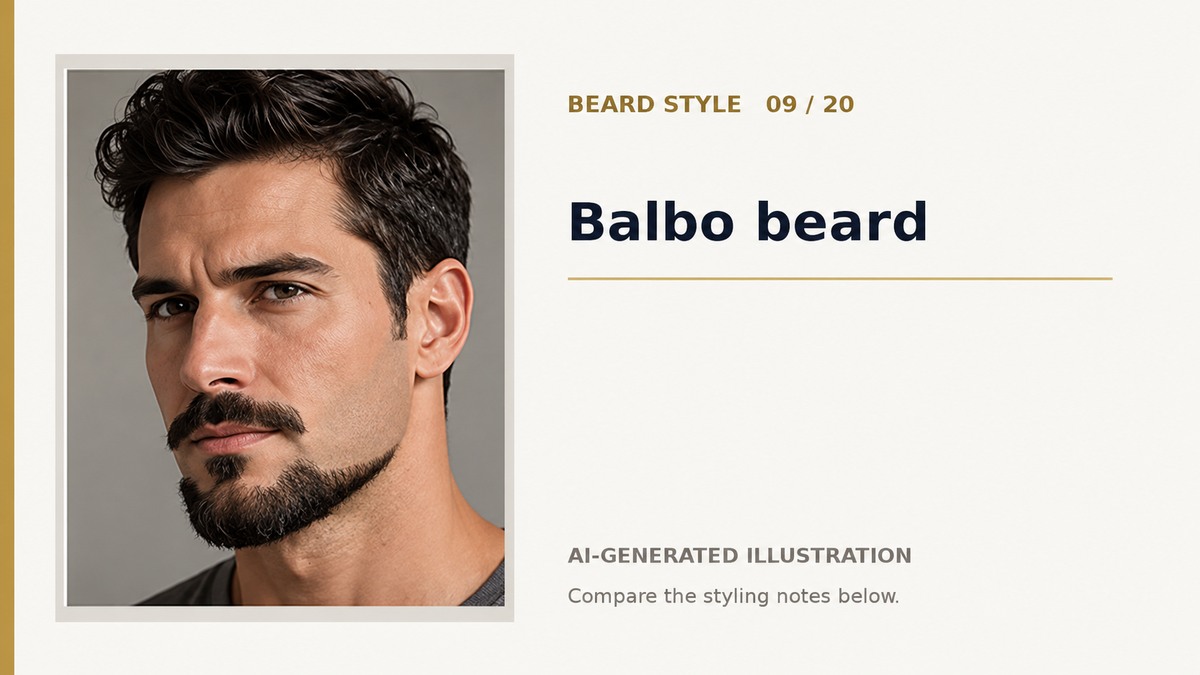
A Balbo combines a separate moustache with a shaped chin beard and lower facial hair, leaving a visible gap between the components. The clean skin between the moustache and beard is part of the look, so accidental connections make it lose its character. It works best when the moustache and chin grow reliably but the upper cheeks do not. A Balbo is precise rather than low maintenance. Check the line symmetry after trimming and avoid making the chin block unnaturally narrow.
10. Van Dyke beard
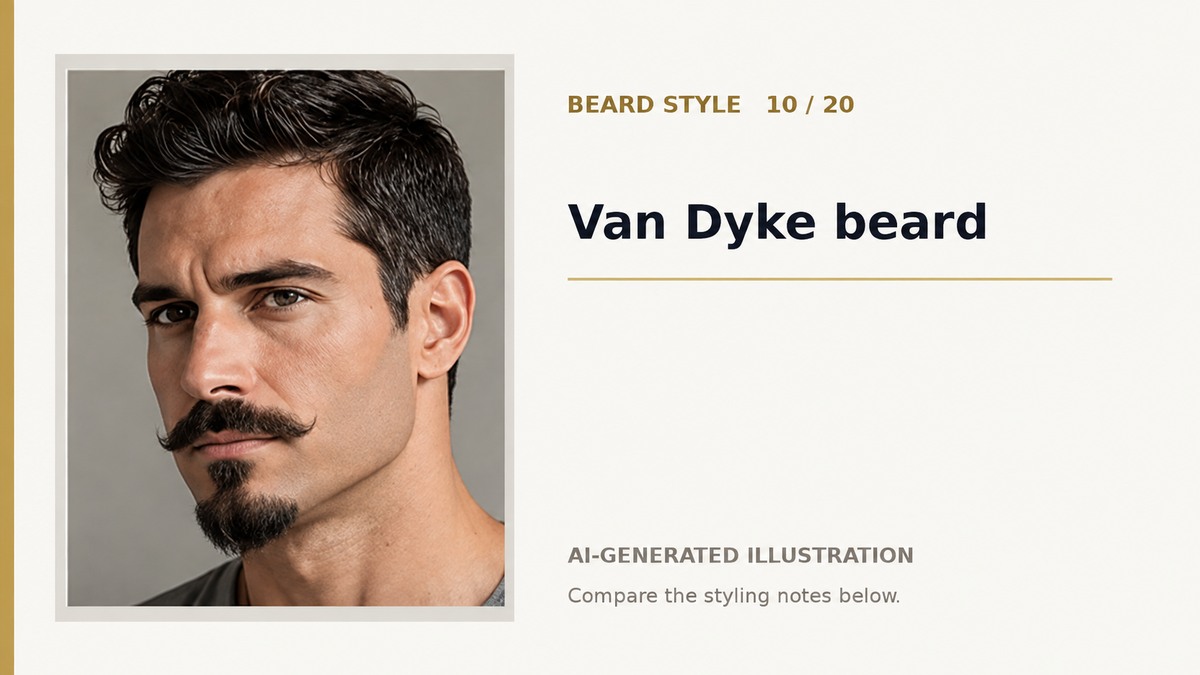
The Van Dyke is defined by a distinct moustache and pointed or shaped chin beard that do not connect. It is a more expressive option than an ordinary goatee and depends on clean separation around the mouth. Keep the pointed chin within a length you can brush and maintain; otherwise the tip becomes straggly rather than deliberate. Not every workplace or wardrobe calls for a statement beard, which makes this a choice to own rather than a universal upgrade.
11. Anchor beard
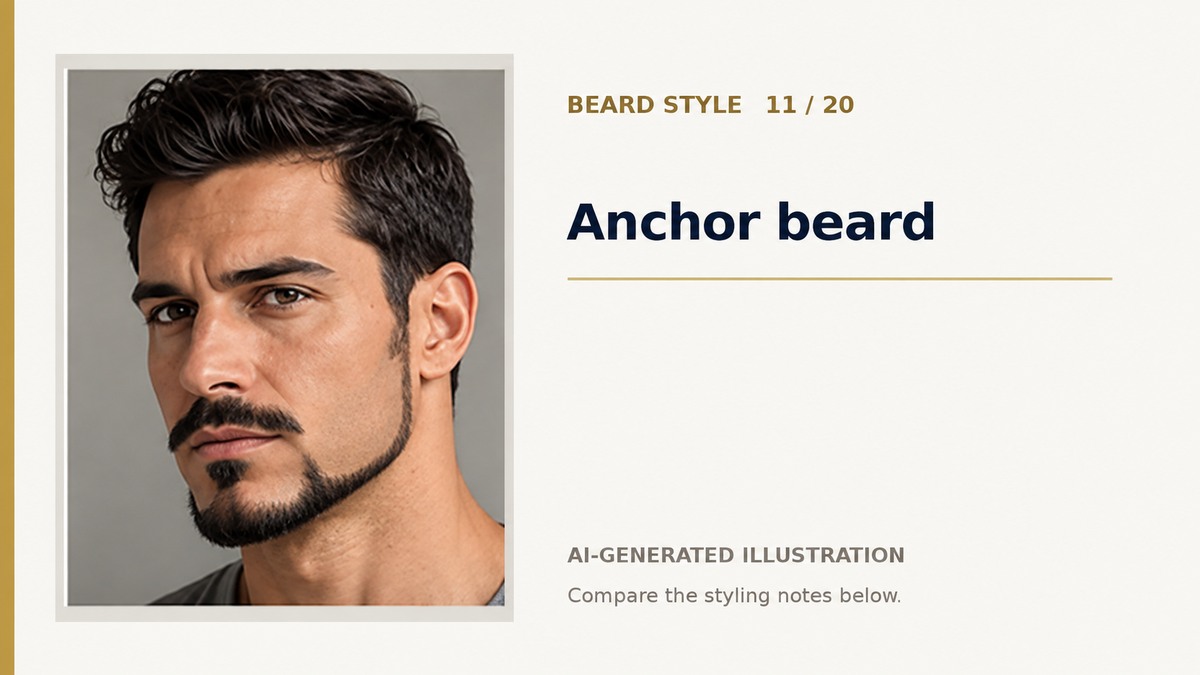
An anchor beard forms a shaped moustache, chin section and narrow lines that suggest an anchor around the lower face. It draws attention to the chin and jaw without full cheek coverage. The style needs enough density to form its lower outline, and that line should be controlled rather than razor thin. Because the edges are prominent, the shape can look uneven quickly as new growth comes in. It is a better fit for someone comfortable trimming carefully or visiting a barber regularly.
12. Beardstache
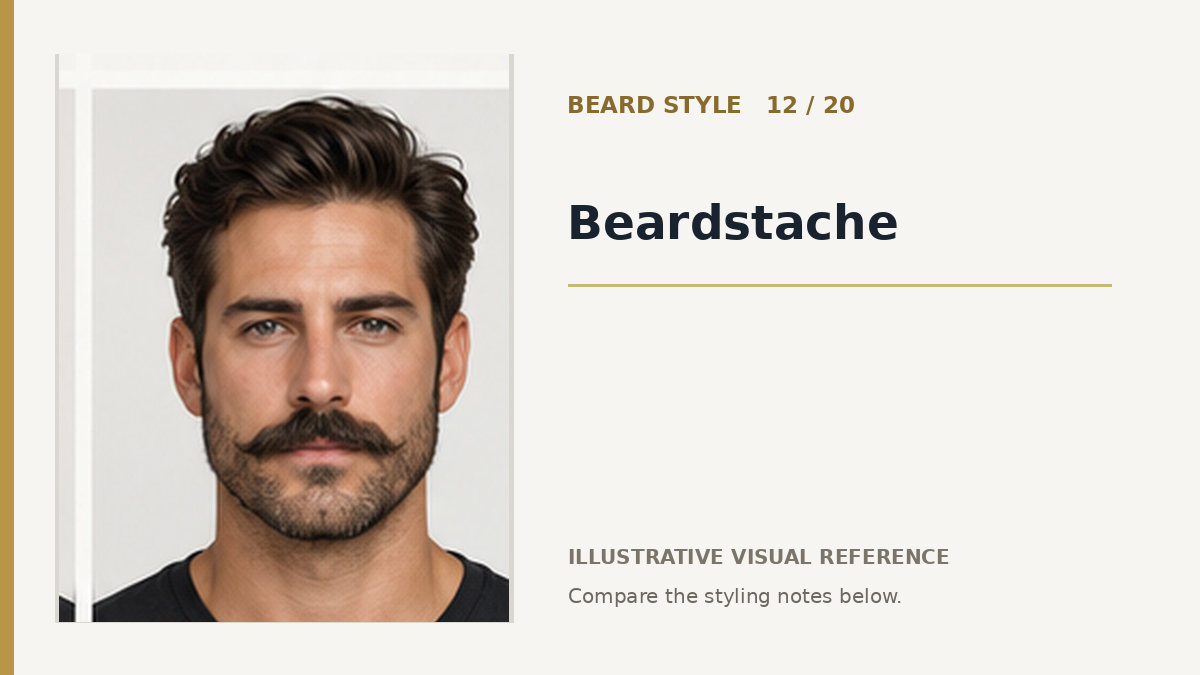
The beardstache keeps the moustache deliberately fuller than the short beard or heavy stubble underneath. That contrast is the point. A strong moustache can give the face character even when cheek growth is patchy, but it should not hang over the mouth or become awkward to eat with. Maintain the moustache separately and use a shorter guard for the beard. If you have never worn facial hair, begin with a subtler contrast before committing to a very pronounced upper lip.
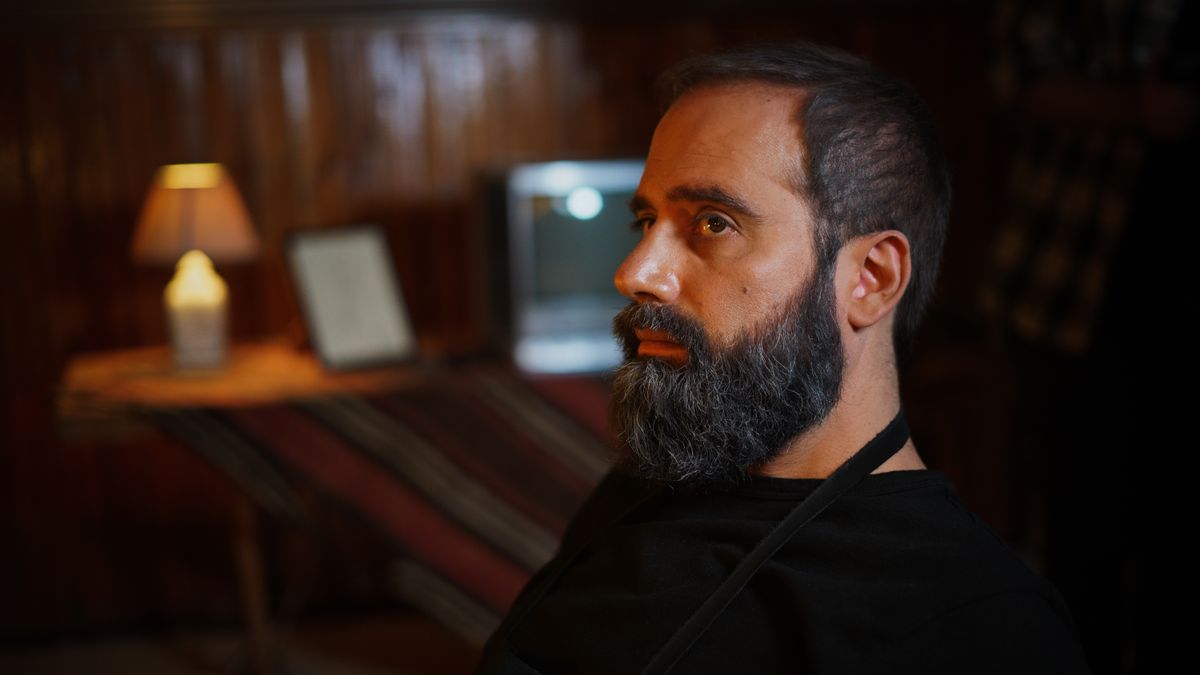
Medium and full beard shapes
13. Natural medium beard
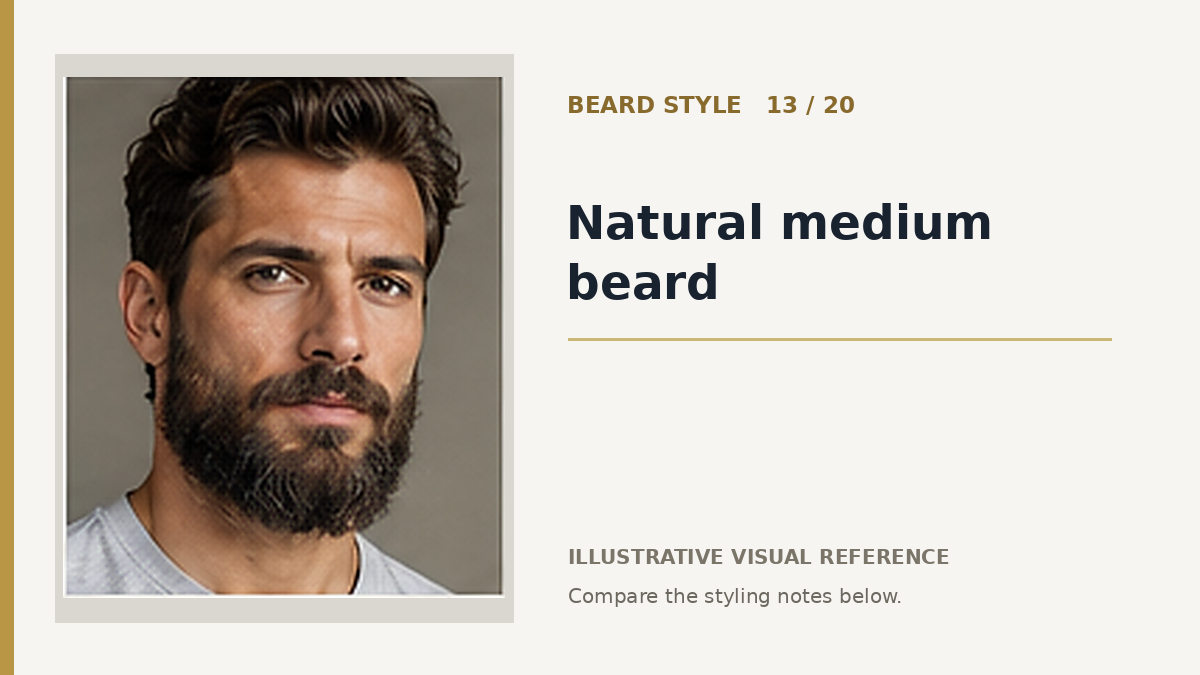
A medium beard gives the growth pattern room to become visible without turning the outline into a strict geometric shape. It is a good option for dense or wavy facial hair when you want a substantial beard without a sculpted finish. Keep the neck clean enough that the beard has a bottom edge, then tidy obvious strays rather than trimming every hair to the same length. A brush helps reveal its direction. Medium does not mean neglected; it means the maintenance is selective.
14. Tapered beard
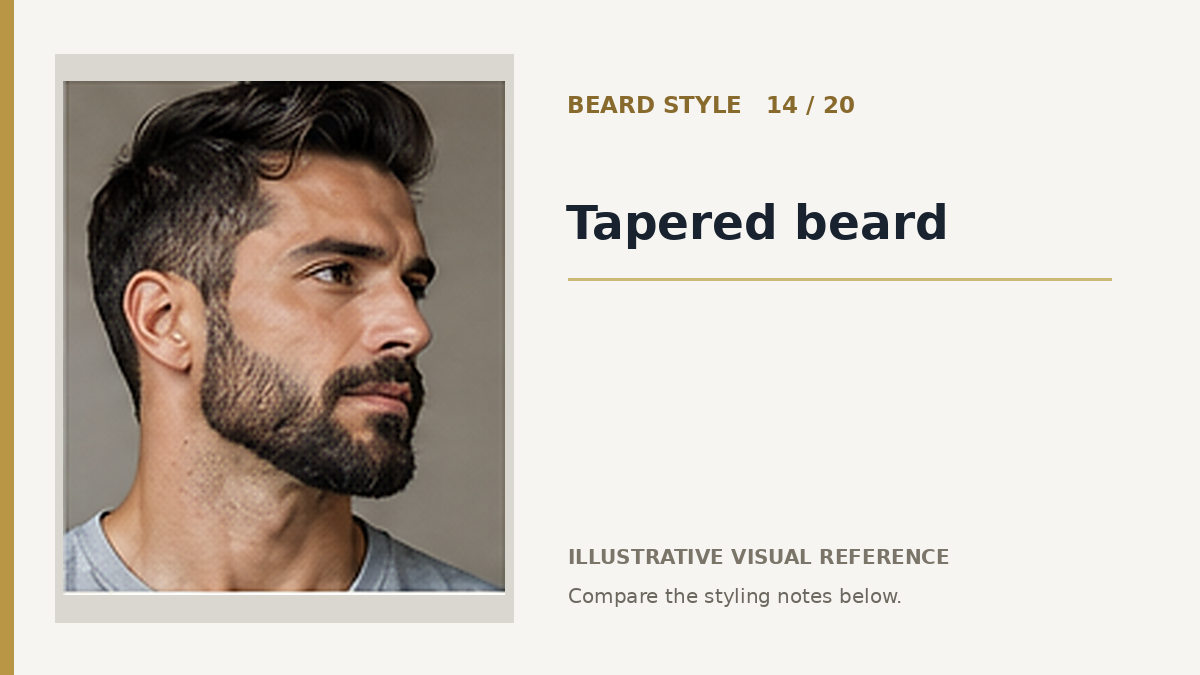
A tapered beard carries less bulk near the sideburns and cheeks and gradually builds length toward the chin. The effect can make the lower face look more structured without a dramatic point. It is useful when the cheeks are dense enough to blend cleanly and the chin can support some length. Ask for a taper that follows the beard’s growth rather than a sudden jump in guard sizes. The shape tends to work best when the moustache stays in scale with the chin.
15. Rounded full beard
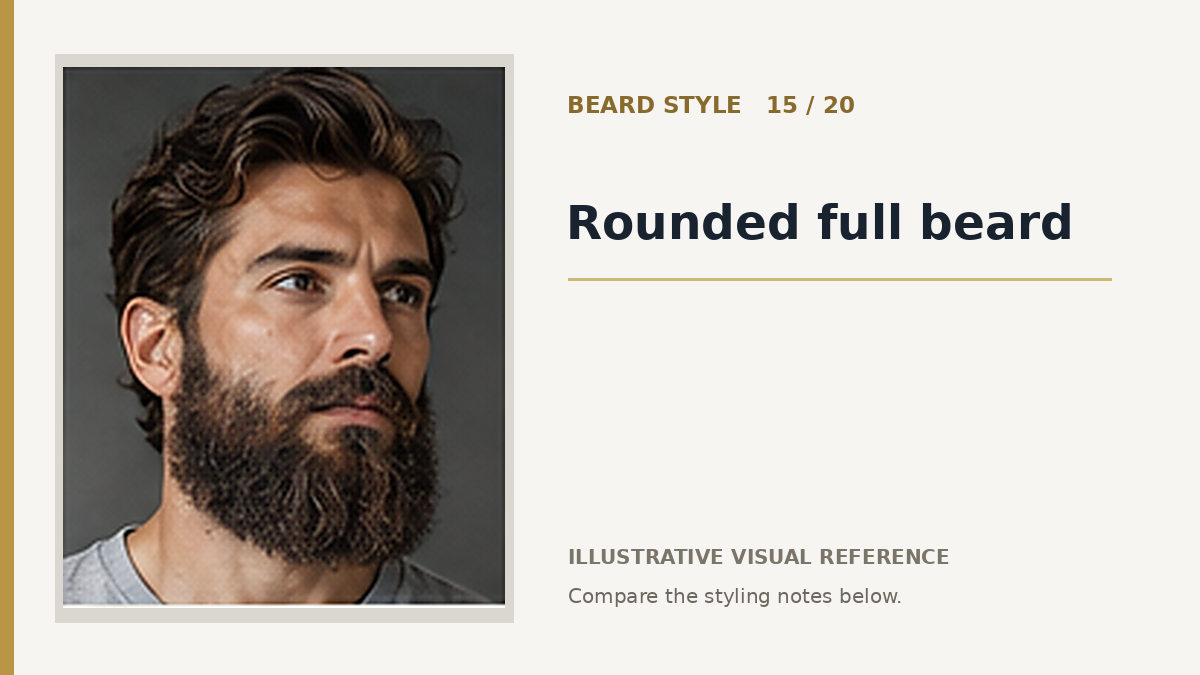
A rounded full beard has generous coverage with the lower edge softened into a natural curve. This is often more wearable than a hard rectangular shape, especially when the beard is curly or wavy. The curve should follow the jaw and chin instead of forming a separate bulb below the face. Focus on controlling stray ends at the sides and maintaining a clean outline beneath. For many men, the most flattering round beard is shorter than the version they first imagine.
16. Square full beard
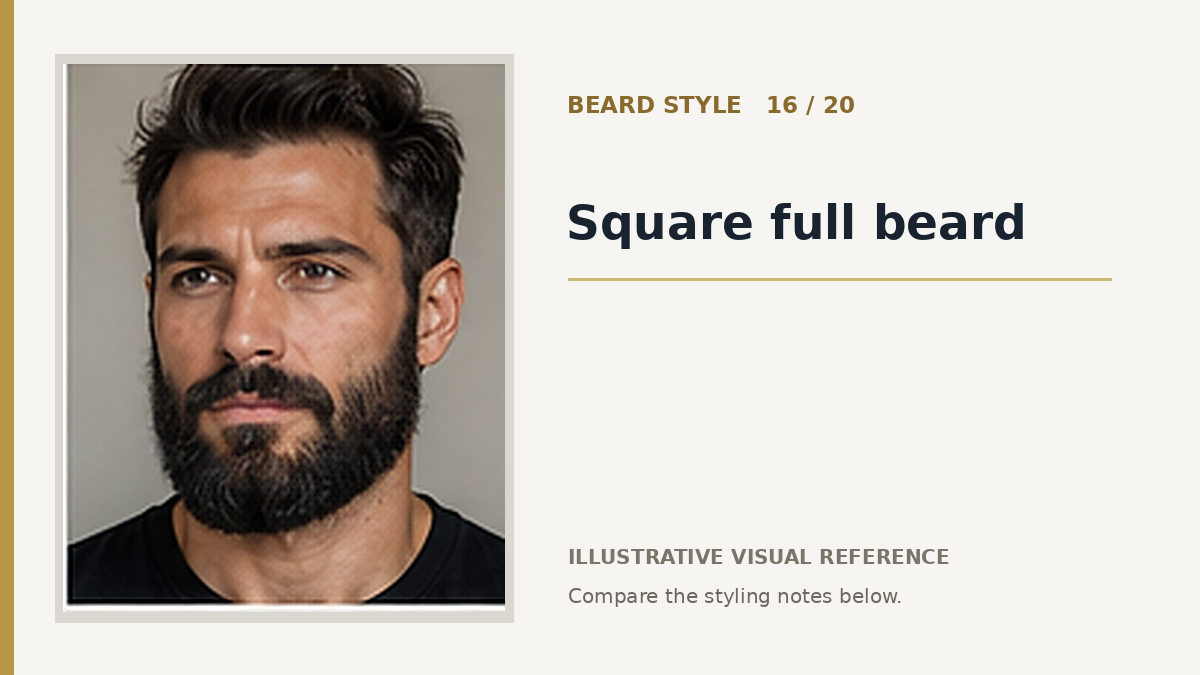
A square full beard is fuller along the lower jaw and has a more angular bottom outline. It can lend definition to a softer lower face, but the corners need to stay believable. Overbuilding the sides makes the beard look like a block placed over the face rather than hair growing from it. Keep the cheek area proportional and check the width in profile. This style needs enough jaw coverage to hold the silhouette, and it requires periodic shaping as the corners grow out.
17. Ducktail beard
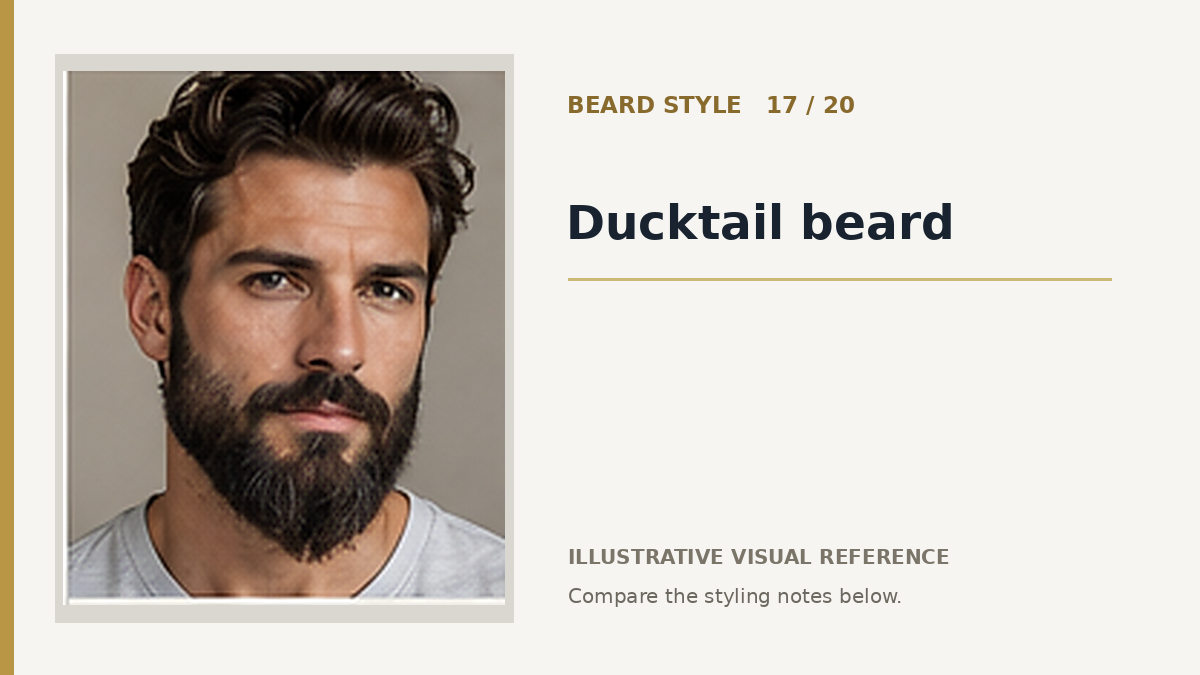
The ducktail keeps the cheeks and sides comparatively neat while building length toward a controlled point at the chin. It draws the eye downward, which can work for a man who wants a longer shape without very wide sides. The point should be gradual and supported by real chin growth, not a thin strand. Brush it into position before trimming and take off less length than you think. The most common mistake is chasing symmetry until the point becomes narrow and artificial.
18. Garibaldi beard

The Garibaldi is a broad, full beard with a rounded bottom and a relatively natural finish. It rewards dense growth and patience more than frequent line carving. Let the beard establish its volume, then remove strays that disturb the overall outline rather than sculpting every layer. The moustache can remain full but should stay manageable around the mouth. If your beard has sparse cheeks, this style may emphasize the contrast rather than hide it. A full outline needs genuinely full growth.
19. Long natural beard
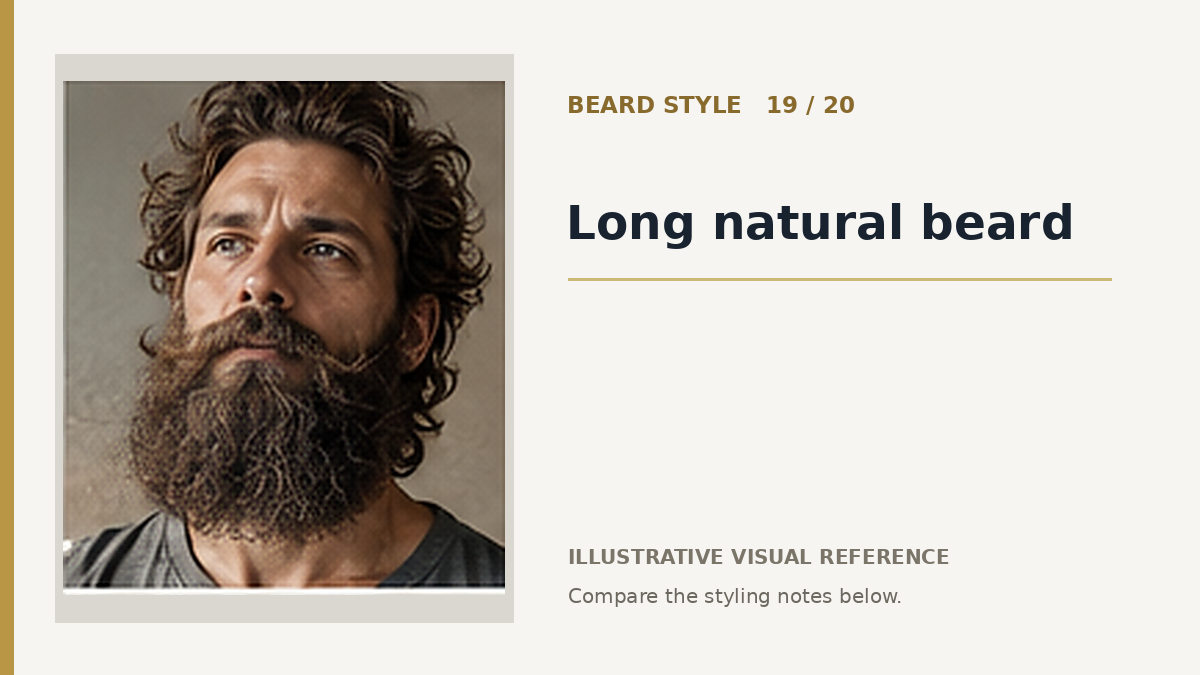
A long natural beard makes texture and individual growth direction part of the style. It can suit men who have enough density through the jaw and chin and are comfortable with the commitment. Washing, drying and detangling matter more as length increases, especially if the hair curls back on itself. Do not assume that growing it longer will automatically fill gaps near the cheeks. Trim split or unruly ends, leave the line beneath the jaw natural and give the beard time to settle.
20. Verdi beard
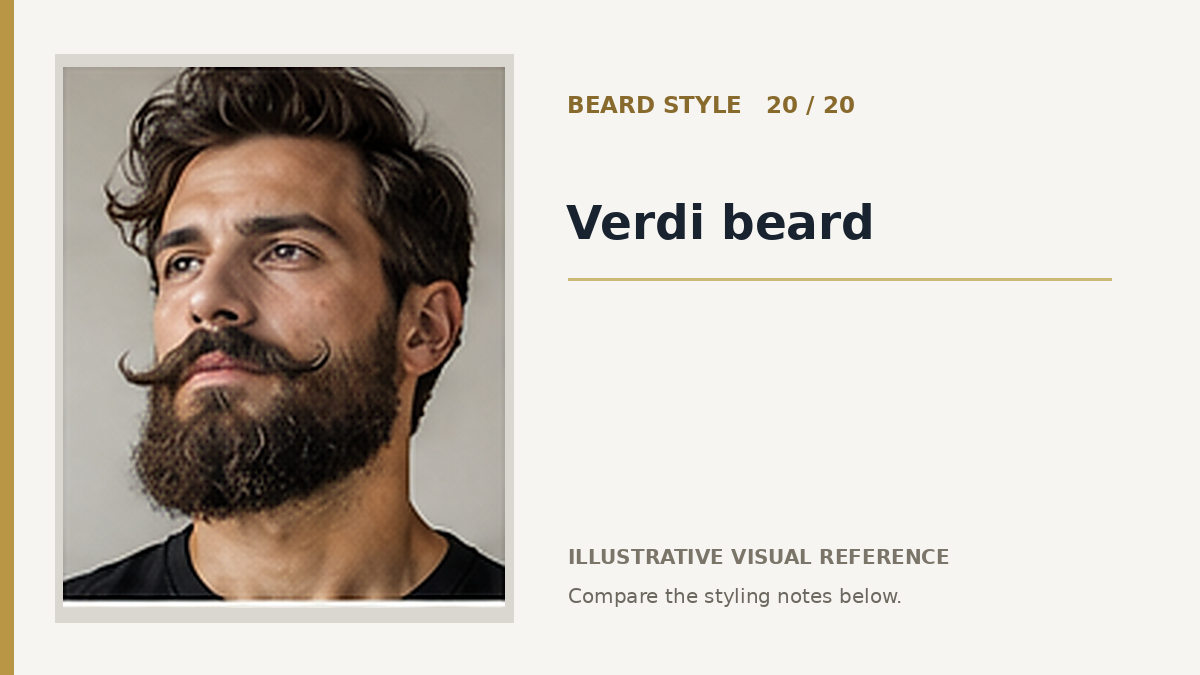
A Verdi typically pairs a short, rounded full beard with a more prominent, styled moustache. It is a deliberately old fashioned look that depends on the distinction between the two shapes. The beard itself can remain fairly compact, while the moustache is shaped with care so it looks expressive rather than untidy. It is less forgiving than a simple boxed beard because the upper lip attracts attention. Choose it if you enjoy grooming as part of your routine, not because it promises effortless polish.
What beard style works for a patchy beard?
Start with the areas that are already dense. If your moustache and chin grow well but the cheeks do not, a goatee, circle beard or beardstache may offer a cleaner result than a sparse full beard. Light stubble can also make uneven coverage feel less noticeable because the shape stays close to the skin. Do not shave more aggressively in the hope that it will make missing areas grow. Pick a style the existing growth can support.
Which beard style is easiest to maintain?
Light or heavy stubble is often simpler than precise facial hair with multiple sharp boundaries, provided you own a trimmer and maintain it. A compact short boxed beard is another practical option if your growth is even. High precision styles such as the Balbo, anchor and detailed fades can look excellent, but they require more regular edge work. Our beard trimmer buying guide explains which features matter before buying another grooming device.
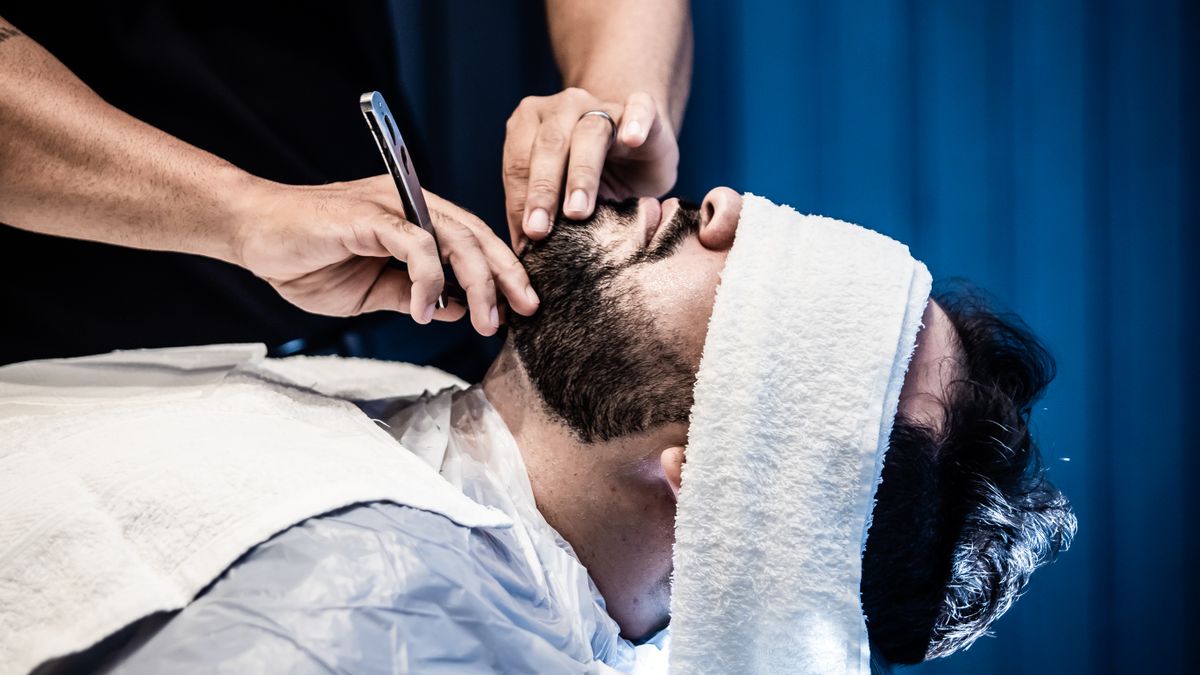
How do you keep the neckline from ruining the beard?
Stand upright, look straight ahead and locate the line beneath the jaw rather than shaving along the jaw itself. The lower beard should remain visible in profile. If you trim the neckline too high, the beard loses its support and may look smaller than intended. Keep a little more hair on the first pass and refine it slowly. For detailed placement and symmetry, see how to trim a beard neckline.
Does beard oil change the style?
Oil can make facial hair and the underlying skin feel more comfortable, but it does not create new growth or solve a patchy outline. Balm can offer a little more shaping control in longer beards. Neither is required to make light stubble look clean. Choose grooming products for an actual need, not because the style has a fashionable name. Compare both in our beard oil versus beard balm guide.
How often should you trim a beard?
Trim when the outline stops looking deliberate, rather than following a universal calendar. Stubble and sharp lines may need checking every few days; longer natural beards often need less frequent shaping but more attention to tangles and cleanliness. Keeping the beard clean matters more than constantly cutting it shorter. We explain how to adapt washing to your growth and skin in how often men should wash a beard.
What should you tell your barber?
Bring one front view and one profile image of a style that resembles your current density and texture. Explain which parts of your beard grow strongly, how often you want to maintain the line and how much length you are prepared to keep. Ask the barber to work with the growth rather than copy the reference literally. Before leaving, find out which guard or length was used and where the neckline was placed so you can maintain the shape at home.
Frequently Asked Questions
Which beard style works best with patchy cheeks?
Light stubble, a goatee or an extended goatee can work if your chin and moustache grow more densely than your upper cheeks. Choose a shape based on where the hair actually grows rather than trying to draw coverage into a sparse area.
Does a beard need to match your face shape?
Proportion matters, but face shape charts are not strict rules. Start with the length and density of your growth, then decide whether you want to add width near the jaw or visually lengthen the chin.
Should you shave the neckline at the jaw?
Usually no. Cutting directly against the jaw can make a full beard look too small from the side. Establish a lower edge underneath the jaw and adjust it gradually rather than shaving high on the first pass.
How often should you trim short stubble?
Check it every few days and trim when the overall length starts to look uneven. Growth rate varies, so aim for a consistent appearance rather than one universal schedule.
Can beard oil make a beard grow thicker?
Beard oil may soften facial hair and help skin comfort, but it does not establish new follicles or guarantee denser growth. Use it for conditioning rather than expecting it to fill gaps.
The best beard style is the one your growth can support
A beard should make your face look more considered, not turn basic grooming into a daily correction exercise. Start with the growth you have, choose a realistic maintenance standard and let the line and proportion do the work. If you still cannot decide whether facial hair suits your routine, our beard versus clean shaven comparison walks through the tradeoffs without assuming that one option is always better.