Deodorant and antiperspirant are not the same product.
Deodorant helps control odor. Antiperspirant helps reduce sweat. Many products combine both, which is why the difference can be easy to miss.
If your main problem is smell, deodorant may be enough. If your shirt gets wet under the arms, antiperspirant is the tool built for that job.
Deodorant versus antiperspirant: what is the difference?
Deodorant targets body odor. Antiperspirant reduces the amount of sweat that reaches the skin.
The American Academy of Dermatology explains that deodorants do not reduce sweating unless the product also contains an antiperspirant ingredient. Antiperspirants commonly use aluminum compounds that temporarily block sweat ducts.
This means a product can control odor well and still leave you sweating. It also means a product can reduce sweat while adding little fragrance.
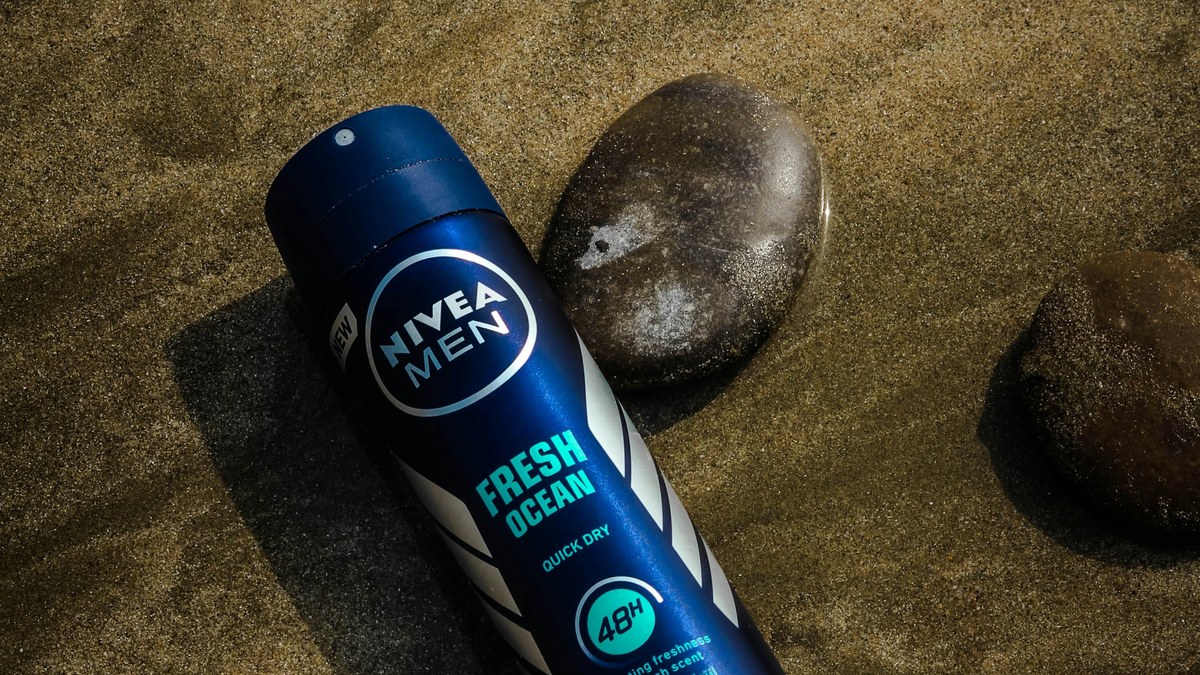
Why does sweat smell?
Sweat itself is not always strongly scented.
Odor appears when sweat and skin bacteria interact in areas such as the armpits. Deodorant helps manage that smell through fragrance, ingredients that affect bacteria, or both.
If you sweat a lot but do not smell much, deodorant may not solve the problem you actually care about.
How does antiperspirant reduce sweat?
Antiperspirant uses active ingredients that form a temporary plug inside sweat ducts.
This reduces how much sweat reaches the surface.
The effect is temporary. Your body does not permanently stop sweating.
The AAD notes that antiperspirant is also one of the first treatments dermatologists use for mild excessive sweating.
Is aluminum in antiperspirant dangerous?
Current evidence does not support the common claim that normal antiperspirant use causes breast cancer.
The National Cancer Institute states that no scientific evidence links the use of underarm antiperspirants or deodorants with the development of breast cancer.
The AAD also notes that research has not found everyday aluminum exposure from antiperspirants to cause breast cancer or Alzheimer’s disease.
This does not mean every formula suits every skin type. Irritation is still possible.
Should men use deodorant or antiperspirant?
Use deodorant if odor is the main issue.
Use antiperspirant if wetness is the main issue.
Use a combined product if you want help with both.
There is no reason to choose a stronger product than you need.
When should you apply antiperspirant?
Many antiperspirants work best when applied to clean, dry skin before bed.
The AAD recommends nighttime use for many people with excessive sweating because the product can work while sweat production is lower.
Let the product dry before putting on clothing or going to bed.
If the product instructions say something different, follow the label.
Can you apply deodorant in the morning too?
Yes.
If you use antiperspirant at night, you can still use deodorant in the morning for odor or fragrance.
Some combined products are used once a day. Others can be reapplied as needed.
Should antiperspirant go on wet skin?
No. Dry skin is usually better.
Applying strong antiperspirant to damp skin can increase irritation and may reduce how well it works.
If you shower at night, dry your underarms fully first.
Can you use antiperspirant right after shaving?
You can, but irritated skin may sting.
Fresh shaving can create tiny cuts and make the area more sensitive.
If your product burns after shaving, wait until the skin calms or use a gentler formula.
Our guide to preventing razor bumps covers how shaving pressure, blade sharpness, and repeated passes affect irritation.
What if deodorant makes your armpits itch?
Stop using it and check the formula.
Fragrance is a common cause of contact dermatitis. The AAD recommends fragrance free products for people who react to scented skin care.
Unscented does not always mean fragrance free. Some products use fragrance to cover another smell.
What if antiperspirant causes irritation?
Use less often, make sure the skin is dry, and consider a different formula.
The AAD notes that some people with prescription antiperspirants reduce irritation by spacing applications or switching formulations.
If the skin stays red, painful, or cracked, stop guessing and speak with a dermatologist.
Do natural deodorants work?
Some can control odor well.
They usually do not reduce sweat unless they contain an approved antiperspirant active ingredient.
If your goal is odor control, a natural deodorant may suit you. If your goal is dry underarms, the word natural does not change the basic difference between deodorant and antiperspirant.
Is baking soda deodorant good for sensitive skin?
Not always.
Baking soda can irritate some skin, especially with frequent use.
If a product creates burning, redness, or a rash, stop using it. A product can be marketed as simple and still be wrong for your skin.
Should you use whole body deodorant?
Only where you actually have odor.
The AAD warns that whole body deodorant does not need to go everywhere. Sensitive areas can become irritated, especially with fragrance.
Do not treat the entire body like an armpit.
Can antiperspirant stop all sweating?
No.
It reduces sweat where you apply it.
Your body still has sweat glands across many other areas.
Sweating is a normal cooling process.
What if you sweat through antiperspirant anyway?
You may have a stronger sweating problem than an ordinary product can manage.
Hyperhidrosis is a medical condition that causes more sweating than the body needs for cooling.
A dermatologist can offer stronger antiperspirants and other treatments.
Does deodorant need to smell strong?
No.
A strong scent is not proof that a product controls odor better.
If you also wear cologne, a quiet deodorant can prevent the scents from fighting each other.
Our guide to applying cologne properly explains why controlled scent usually works better than more scent.
Can deodorant stain shirts?
Some formulas can contribute to marks or residue.
Let the product dry before dressing. Use only enough to cover the skin.
More product does not always create better control.
Should you reapply after exercise?
You can if odor becomes a problem, but clean skin works best.
Putting more deodorant over heavy sweat may only cover the smell for a short time.
If possible, wash and dry the area first.
What if body odor suddenly changes?
A sudden, strong, or unusual change can have several causes.
Diet, medication, infection, skin conditions, and other health changes can affect odor.
If the change is persistent or comes with other symptoms, speak with a qualified clinician.
How do you choose between deodorant and antiperspirant?
Ask one question first: is the problem odor, sweat, or both?
For odor, start with deodorant.
For wetness, use antiperspirant.
For both, use a combined product.
Then choose the simplest formula your skin tolerates well.
The right product solves the actual problem
Deodorant and antiperspirant are tools, not status products.
You do not need the strongest clinical formula if ordinary deodorant handles your day. You also do not need to pretend deodorant will stop sweat if wetness is the problem.
Choose by function. Use it correctly. Change the formula if your skin objects.
Sources
This article was checked against American Academy of Dermatology guidance on antiperspirants and excessive sweating, AAD guidance on whole body deodorant, and the National Cancer Institute fact sheet on antiperspirants and deodorants.
What if you sweat mostly because of heat or exercise?
That is normal sweating.
Antiperspirant can reduce underarm wetness, but the body still needs to cool itself. Do not use stronger and stronger products across large areas simply because exercise makes you sweat.
Shower, change damp clothing, and let normal cooling do its job.
Can you put antiperspirant on other parts of the body?
Some products are made for areas beyond the underarms, but skin sensitivity and product directions matter.
Do not apply ordinary underarm products to the groin, face, or broken skin without checking that the product is intended for that area.
If sweating in the hands, feet, face, or other areas is excessive enough to disrupt daily life, a dermatologist can help assess hyperhidrosis.
What if your shirts develop yellow underarm stains?
Stains can come from a mix of sweat, skin oils, product residue, and fabric chemistry.
Let antiperspirant dry before dressing. Use the amount directed rather than building a thick layer.
Wash shirts before residue sits for days. If one formula repeatedly marks clothing, test another.
Should teenagers and adult men use different products?
The basic functions are the same.
Choose by sweat, odor, skin tolerance, and product directions rather than age based marketing.
What if normal body odor control suddenly stops working?
Look at changes in activity, clothing, diet, medication, stress, and skin health.
Persistent strong odor with no clear reason deserves medical attention, especially when it comes with other symptoms.
What is the simplest routine for most men?
Use deodorant or antiperspirant on clean dry skin based on the problem you actually have. If sweat is the issue, apply antiperspirant consistently and give it time to work. If odor is the issue, use a deodorant your skin tolerates. If both matter, a combined product is reasonable.
Do not add several scented layers because one product failed once. Change one variable at a time so you know what helped. For the wider daily system, see the Modern Men HQ grooming routine.