An electric razor works best when hair, skin oil, shaving product, and moisture are not left building up inside the cutting system.
The maintenance routine is simple, but one rule comes first: check your model instructions before putting any part under water.
Some shavers are fully washable. Some have washable heads but different body restrictions. Some use cleaning stations. Rotary and foil systems also come apart differently.
Use the manufacturer’s instructions for the hardware. Use the framework below for the maintenance habit.
Step 1: Know What Type of Shaver You Own

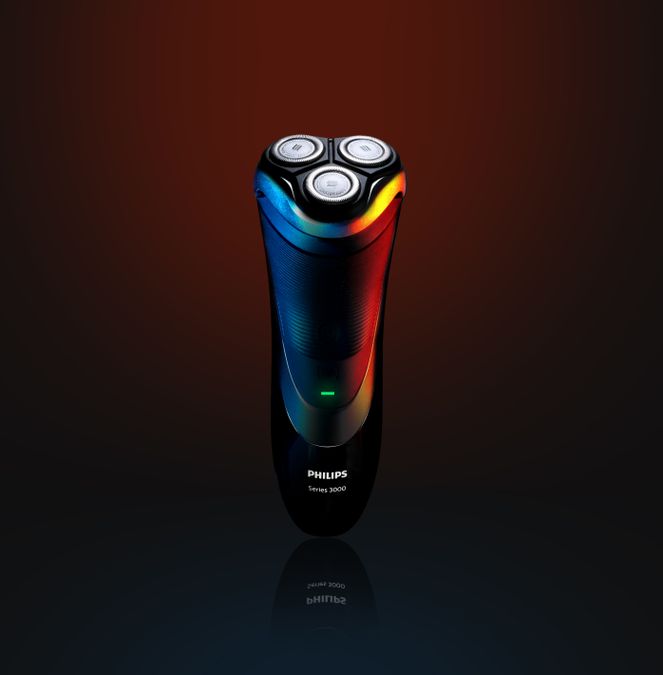
Foil shavers use a thin perforated foil over moving cutters. Rotary shavers usually use several circular heads with cutters beneath them.
That difference matters during cleaning.
A foil can be delicate and should not be crushed or aggressively brushed. Rotary head sets may contain paired cutter and guard components that should stay matched.
Philips specifically warns that on many rotary systems, cutters and guards wear together and should not be mixed during deep cleaning.
Step 2: Check Whether It Is Washable
Look for the model manual, support page, or the symbols on the shaver.
Do not assume an electric grooming tool is waterproof because a similar model is.
Official Philips and Braun support both make cleaning instructions conditional on the specific model.
If the manufacturer allows rinsing, water can make routine cleaning fast. If not, use the supplied brush or the dry-cleaning method described in the manual.
Clean It After Each Use
The easiest maintenance is frequent light cleaning.
Turn the shaver off and disconnect it from power unless the manufacturer specifically instructs otherwise. Remove the head or open the cutting unit as designed. Empty loose hair. Rinse washable components or brush dry components according to the manual.
This prevents several days of stubble and skin oil from compacting inside the head.
A thirty second habit is easier than a neglected shaver that needs a major rescue once a month.
How to Rinse a Washable Shaver
Follow the model’s instructions, but the general pattern is straightforward.
Open or remove the shaving head. Rinse away loose hair. Some manufacturers allow running the shaver briefly under water or using a small amount of liquid soap for a deeper wash.
Rinse soap completely.
Do not use very hot water simply because it feels more hygienic. Use the temperature range the manufacturer permits.
Let the Shaver Air Dry
Do not seal a wet cutting head immediately inside a travel case or closed cabinet.
Shake off excess water and leave the unit open or disassembled as instructed until the components are dry.
Philips support specifically advises letting cleaned parts air dry.
Drying matters because trapped moisture and residue can create odor, buildup, and unnecessary wear.
Do Not Wipe Delicate Foils Aggressively
A foil is a precision component.
Do not press, bend, scrape, or scrub it as if it were a metal kitchen screen.
Braun care guidance warns against brushing the foil itself on systems where a brush is used for other parts.
If the foil is damaged or deformed, replacement is safer than trying to bend it back into shape.
Clean Rotary Heads in the Correct Order
Rotary systems may allow each head assembly to be removed for periodic deeper cleaning.
If you take apart several cutter and guard pairs, keep each pair together unless your model instructions explicitly say otherwise.
Philips notes that matched pairs adapt to one another through use, so mixing them can temporarily reduce performance.
Work on one head at a time if that makes the pairing easier to preserve.
How Often Should You Deep Clean?
There is no universal interval because designs differ.
A useful pattern is light cleaning after each use and a more detailed inspection or cleaning periodically, especially if you use shaving cream, have dense facial hair, or notice buildup.
Philips current support recommends regular cleaning after use and periodic more thorough cleaning for many models.
The manual wins if it gives a specific interval.
What If Your Shaver Has a Cleaning Station?
Use it as intended rather than assuming the station makes manual inspection unnecessary forever.
Cleaning stations can clean, lubricate, dry, or charge depending on the model.
Replace cleaning fluid or cartridges on the manufacturer’s schedule and keep the station itself reasonably clean.
If cutting performance drops, inspect the head rather than assuming a completed cleaning cycle guarantees everything is fine.
Does an Electric Shaver Need Lubrication?
Many cutting systems benefit from lubrication, but the method varies.
Some cleaning stations lubricate automatically. Some manufacturers recommend a small amount of clipper or shaver oil on the cutting system after washing. Other models have different instructions.
Braun notes that a drop of light machine oil can be used on some cutter blocks when the shaver is regularly cleaned with water.
Follow the product manual rather than pouring oil into the head by habit.
Why Lubrication Matters
Cutting parts move rapidly against one another.
Proper lubrication can reduce friction and help maintain smooth movement.
Too much oil can attract debris, so more is not better.
Use the amount and location the manufacturer recommends.
Know When the Cutter Is Worn
Cleaning cannot fix worn cutting components.
Warning signs include increasing tugging, more passes needed for the same closeness, uneven cutting despite a clean head, visible damage, or a major drop in comfort.
Replacement timing varies by system and usage.
Do not copy one brand’s eighteen month or twelve month recommendation onto every electric razor. Check the model’s replacement part guidance.
Clean Before Assuming the Razor Is Dull
Hair packed under the cutter can mimic a worn blade.
If performance suddenly drops, clean and dry the system correctly first.
If performance remains poor and the cutting components are old or visibly damaged, replacement becomes more likely.
Store It Dry
A clean electric razor should be stored where it can remain dry and protected.
Do not leave loose foil or head components crushed under other items.
Use a cap or case once the shaver is dry.
For travel, use the lock function if your model has one so the motor does not turn on inside the bag.
Do Not Share Shavers Casually
An electric shaver is a personal grooming tool that contacts skin, oil, and sometimes small nicks.
Sharing without proper sanitation is unnecessary.
If a tool must be shared in a professional setting, use the hygiene and disinfection procedures appropriate to that environment and product.
How to Clean After Wet Shaving With Cream
Shaving cream leaves more residue than dry stubble.
If your model is approved for wet use, rinse the head thoroughly after the shave so product does not dry inside the cutting system.
Open the head as directed and let it dry fully.
If the model is not washable, use only the manufacturer’s approved method.
How to Clean After Dry Shaving
Dry shaving usually creates loose hair dust and small clippings.
Empty the head after each use. Brush or rinse the permitted components. Pay attention to buildup around hinges, head frames, and cutter areas.
Routine dry cleaning is fast when done before debris compacts.
What Not to Use
Do not reach for household bleach, abrasive cleaner, random solvents, or aggressive disinfectants unless the manufacturer specifically approves them.
Those products can damage plastics, seals, lubricants, coatings, or cutting parts.
The shaver manual is more useful than improvising a stronger chemical.
Battery Maintenance
Modern rechargeable shavers use different battery systems and charging electronics.
Follow the model’s charging instructions rather than trying to apply old battery myths universally.
Do not use damaged chargers or expose charging equipment to water in ways the manufacturer does not permit.
If battery runtime drops sharply, support or battery service may be the real maintenance issue rather than the cutting head.
A Simple Maintenance Schedule
After each shave: empty hair and perform the approved quick clean.
Weekly: inspect the head, foil, cutters, hinges, and buildup.
Periodically: perform the deeper cleaning method in the manual, lubricate if required, clean the station if you use one, and check the condition of the cutters.
When performance drops: clean first, then inspect for worn replacement parts.
Common Electric Razor Maintenance Mistakes
Rinsing a Model That Is Not Washable
Water resistance is model specific.
Closing the Shaver While Wet
Air dry it before storage.
Brushing or Pressing Delicate Foil
Treat the foil as a precision part.
Mixing Rotary Cutter Pairs
Keep matched cutter and guard sets together when the manufacturer requires it.
Replacing Parts on a Generic Schedule
Use model guidance and actual performance signs.
Frequently Asked Questions
Should I clean my electric razor after every use?
Frequent light cleaning is the best default. Official support from major manufacturers recommends cleaning after use for many current models.
Can I wash an electric razor with soap?
Only if the manufacturer allows it. Some washable models permit a small amount of liquid soap; others use different methods.
How often should I lubricate an electric shaver?
Follow the model instructions. Some cleaning stations handle lubrication, while other systems may need occasional manual oiling.
How do I know when to replace the foil or cutters?
Look for model guidance plus declining performance, tugging, uneven cutting, or visible damage after proper cleaning.
Can I use alcohol to clean my electric razor?
Use only methods approved for your model. Cleaning stations may use alcohol based fluid, but that does not mean pouring alcohol onto every shaver is appropriate.
Final Take
Electric razor maintenance works best when it stays boring.
Know whether the model is washable. Clean it lightly after each use. Let wet components dry. Handle foils and rotary heads carefully. Lubricate and replace parts according to the manufacturer.
Most performance problems become easier to diagnose when the shaver is actually clean.