Use a sharp blade, soften the beard with warm water, build a slick lather, keep the safety razor at a shallow effective angle, use almost no added pressure, and make short strokes with the grain before deciding whether a second pass is worth it. That is the short answer. The more useful answer is to judge the result by a handful of practical checkpoints instead of one rigid rule.
A safety razor works best when the blade cuts hair cleanly instead of scraping skin. Angle, pressure, blade condition, and repeated passes matter more than trying to chase perfect smoothness in one stroke. Modern Men HQ’s approach is simple: use rules as a starting point, then test whether the result works on a real body, in a real schedule, or in the real situation the advice is meant to solve.
Quick answer
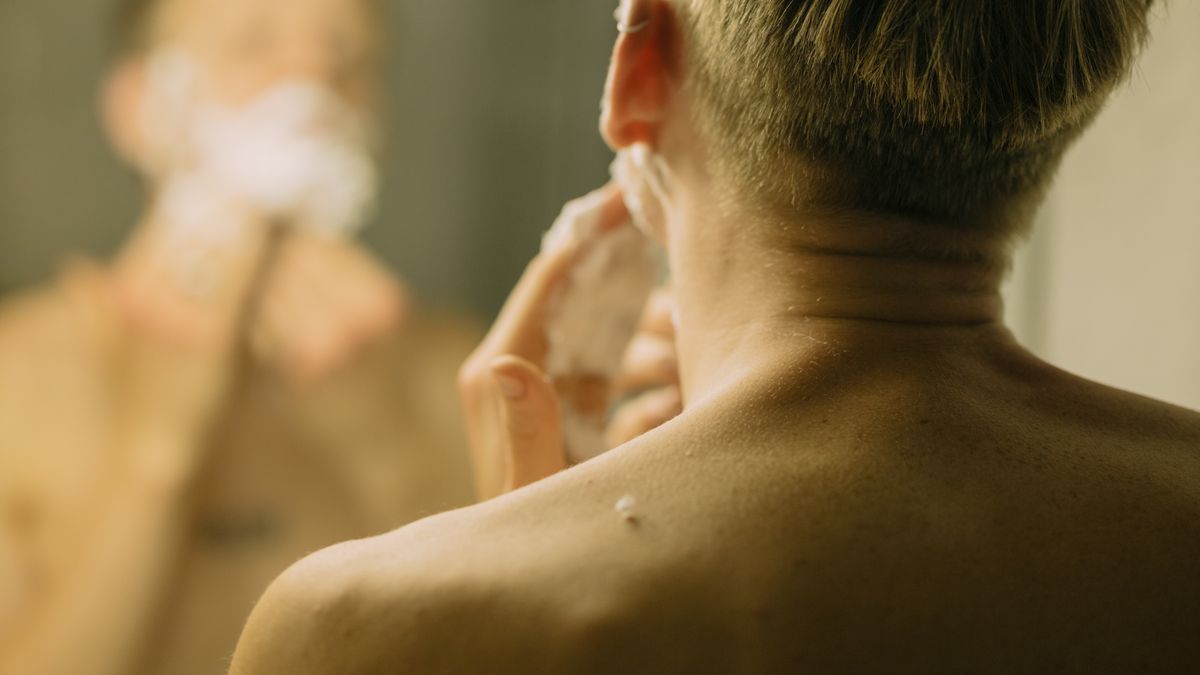
Use a sharp blade, soften the beard with warm water, build a slick lather, keep the safety razor at a shallow effective angle, use almost no added pressure, and make short strokes with the grain before deciding whether a second pass is worth it.
What should you actually look for?
Pay attention to blade. The edge is clean, undamaged, and still cuts without tugging. A dull blade encourages pressure and repeat passes. If this one check looks wrong, compare it with the neighboring checks before changing size, technique, or routine. Several weak signals together are more useful than one imperfect landmark.
Use prep as a practical checkpoint. Beard hair is hydrated and the lather remains slick. Dry lather increases drag. This is also where real-world use matters. A result that looks acceptable while standing still may fail once you walk, sit, move, sweat, or wear the item for several hours.
Start with angle. The cap and guard guide the blade so it meets hair without excessive scraping. A steep angle can feel harsh and expose more blade. Do not overcorrect one detail in isolation. The point is to see whether it supports the overall function and proportion of the item or routine.
The next check is pressure. The razor’s weight does most of the work. Pressing like a cartridge razor is a common irritation trigger. Treat that as a signal rather than an absolute law. Build, materials, body proportions, and the intended use can change where the ideal point sits.
Pay attention to passes. The first pass follows the grain and reduces growth before closer passes. Repeatedly buffing one patch is an easy way to create razor burn. If this one check looks wrong, compare it with the neighboring checks before changing size, technique, or routine. Several weak signals together are more useful than one imperfect landmark.
| Check | What good looks like | What should make you pause |
|---|---|---|
| Blade | The edge is clean, undamaged, and still cuts without tugging. | A dull blade encourages pressure and repeat passes. |
| Prep | Beard hair is hydrated and the lather remains slick. | Dry lather increases drag. |
| Angle | The cap and guard guide the blade so it meets hair without excessive scraping. | A steep angle can feel harsh and expose more blade. |
| Pressure | The razor’s weight does most of the work. | Pressing like a cartridge razor is a common irritation trigger. |
| Passes | The first pass follows the grain and reduces growth before closer passes. | Repeatedly buffing one patch is an easy way to create razor burn. |
A practical way to get it right
You do not need a complicated system. Work from the highest-leverage check to the smallest detail, then test the result under normal conditions. That keeps you from fixing a minor detail while missing the bigger problem.
- Map your beard direction
Neck hair rarely grows in one neat downward direction. Give this step enough attention to tell you something useful, then move on. The goal is a repeatable decision process, not perfectionism. - Hydrate the beard
Shave after a warm shower or hold warm water on the area long enough to soften hair. Give this step enough attention to tell you something useful, then move on. The goal is a repeatable decision process, not perfectionism. - Build a protective slick lather
You want glide, not a dry foam sitting on top of the beard. Give this step enough attention to tell you something useful, then move on. The goal is a repeatable decision process, not perfectionism. - Find the working angle gently
Start with the cap against the skin and rotate until the blade begins cutting cleanly. Give this step enough attention to tell you something useful, then move on. The goal is a repeatable decision process, not perfectionism. - Use short strokes and rinse often
This keeps the edge clear and reduces the temptation to drag through long sections. Give this step enough attention to tell you something useful, then move on. The goal is a repeatable decision process, not perfectionism. - Stop after the first pass and reassess
If the skin already feels tender, closer shaving is not worth another aggressive pass. Give this step enough attention to tell you something useful, then move on. The goal is a repeatable decision process, not perfectionism. - Rinse cool and use a simple aftercare product
Avoid piling fragrance and alcohol onto skin that is already irritated. Give this step enough attention to tell you something useful, then move on. The goal is a repeatable decision process, not perfectionism.

Common mistakes that make the result worse
Most problems come from overcorrecting. Men often learn one rule, push it too far, then create a new problem somewhere else. These are the mistakes worth watching because they change the outcome rather than merely breaking a style preference.
Using cartridge pressure
A safety razor generally needs far less pressure. A better approach is to return to the main purpose of the advice and adjust only as much as that purpose requires.
Going against the grain immediately
That can produce a closer result but increases irritation and ingrown-hair risk for many men. A better approach is to return to the main purpose of the advice and adjust only as much as that purpose requires.
Stretching the skin aggressively
Overstretching can let cut hairs retract below the surface. A better approach is to return to the main purpose of the advice and adjust only as much as that purpose requires.
Keeping the same blade too long
Blade life varies, but tugging is a clear sign to replace it. A better approach is to return to the main purpose of the advice and adjust only as much as that purpose requires.
Shaving over dry spots
Relather before touching an area again. A better approach is to return to the main purpose of the advice and adjust only as much as that purpose requires.

How should you adjust for different situations?
A useful rule should survive context. That does not mean the answer is identical in every situation; it means the reason for changing it is clear. Use these adjustments instead of treating the default as a commandment.
| Situation | Adjustment |
|---|---|
| Sensitive neck | Use fewer passes and follow the actual growth map rather than shaving by habit. Keep the core principle intact and change only what the context genuinely demands. |
| Coarse beard | Longer hydration and a sharp blade usually matter more than adding pressure. Keep the core principle intact and change only what the context genuinely demands. |
| Acne-prone skin | Avoid shaving directly over inflamed lesions where possible and keep equipment clean. Keep the core principle intact and change only what the context genuinely demands. |
| Travel | Protect the blade edge and let the razor dry rather than trapping it wet in a case. Keep the core principle intact and change only what the context genuinely demands. |
The decision rule
A safety razor works best when the blade cuts hair cleanly instead of scraping skin. Angle, pressure, blade condition, and repeated passes matter more than trying to chase perfect smoothness in one stroke.
What should you do next?
Use the checklist once, make the smallest change that fixes the real problem, and then stop tinkering long enough to evaluate the result. Good decisions get easier when you compare against a stable baseline instead of changing three variables at once.
If the issue keeps returning, treat that as information. The fit, product, routine, schedule, or technique may be mismatched at a more basic level. Revisit the first two checkpoints before buying more, adding more steps, or blaming yourself for not forcing the current approach to work.
Continue with our electric razor versus blade razor guide, razor bump prevention guide, and guide to shaving your neck without razor burn.

Frequently Asked Questions
What angle should a safety razor be?
There is no need to measure an exact number. Start with the cap touching the skin and rotate slightly until the blade cuts cleanly without scraping.
Should you press down with a safety razor?
Use very light pressure. The razor should glide rather than being forced into the skin.
How many passes should I do?
One with-the-grain pass may be enough for comfort. Add a second pass only if your skin tolerates it and you need a closer result.
Why do I get razor burn with a safety razor?
Common causes include too much pressure, poor angle, a dull blade, dry lather, and repeated passes over the same area.
How often should I change the blade?
There is no universal shave count. Replace it when it starts tugging, feels rough, shows damage, or no longer gives a clean comfortable cut.
Bottom line
Use a sharp blade, soften the beard with warm water, build a slick lather, keep the safety razor at a shallow effective angle, use almost no added pressure, and make short strokes with the grain before deciding whether a second pass is worth it. Use that as the baseline, then let comfort, proportion, performance, and the actual context decide the final adjustment. The point is not to obey a rule perfectly. It is to make a better decision with less guesswork.