Modern Men HQ may earn a commission if you purchase through links in this article. This does not affect what you pay or how we evaluate the product.
A man who feels more tired than he used to may start thinking about testosterone. That is understandable. Energy, sleep, training, mood, and sexual health can all change over time, and online marketing is quick to connect those changes to one hormone. The risk is turning a guess into a purchase before establishing what is actually going on.
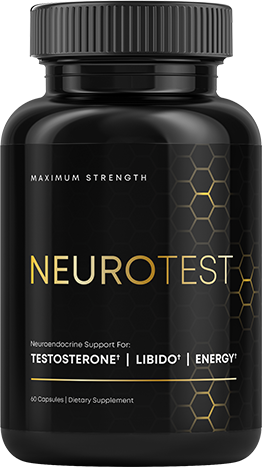
NeuroTest is sold as a botanical supplement intended to support the body’s hormone signaling. Its seller presents four highlighted extracts and uses language about the brain’s ability to stimulate healthy hormone production. The formula includes some familiar names from the men’s wellness market, but recognition is not proof that the finished blend produces meaningful results.
Our assessment is cautious. The company identifies ingredients and offers clear bottle prices, which gives buyers a starting point. Yet the promotional material does not establish that NeuroTest treats testosterone deficiency or produces predictable, clinically meaningful changes in an individual man. One ingredient also contains a levodopa-related constituent that makes medication and health-context questions especially important.
Before spending money, distinguish a lifestyle concern from a diagnosed medical issue. For the latter, a relevant clinician and appropriate testing are more useful than promises about a natural hormone reset.

NeuroTest at a glance
| Buying question | Our reading |
|---|---|
| What is it? | A botanical dietary supplement promoted for hormone support |
| Identified extracts | Tongkat ali LJ100, black ginger, ashwagandha, Mucuna pruriens |
| Best reason to investigate | Ingredient transparency and an explicit personal health question |
| Biggest limitation | No product-specific clinical outcome established in reviewed material |
| 1 bottle | $79 plus $9.95 shipping |
| 3 bottles | $207 advertised total |
| 6 bottles | $294 advertised total |
| Recommended next step | Verify full Supplement Facts and discuss safety before buying |
Check the Official Product Details
What does NeuroTest claim to do?
The current product page says its formula supports the brain’s ability to signal healthy hormone production. It references the hypothalamus and uses that physiology to explain why the product might matter. The hypothalamus does play a role in hormone regulation, but describing a real biological pathway is not evidence that a commercial supplement can alter it in a useful way.
A complete claim would need much more. What specific outcome was measured? Was it total testosterone, free testosterone, symptoms, strength, sexual function, or something else? What dose was given, for how long, to which men, and compared with what control? Was the finished NeuroTest formula studied, or merely one of its ingredients under different conditions?
Without answers, it is unreasonable to convert “supports” into “raises testosterone” or “fixes low T.” The product might be marketed to healthy adult men, but that does not mean it is an evidence-based treatment for hypogonadism. It also does not tell you whether the formula is appropriate for your medications, medical history, or training goals.
The strongest marketing often makes science sound like a shortcut. A more disciplined approach begins with the actual health problem and works forward to an intervention, not the other way around.
A closer look at the four listed ingredients
The merchant identifies four extracts prominently. They have different histories and possible effects, and they should not be treated as interchangeable testosterone boosters.
LJ100® Eurycoma longifolia, often called tongkat ali. This is an identifiable standardized extract from a botanical commonly promoted for male vitality. Some research has examined related extracts, but a trademarked ingredient name by itself tells you neither the supplied amount nor whether the full NeuroTest combination has been tested in a relevant population.
Kaempferia parviflora, often called black ginger. This plant appears in supplements promoted around physical performance and vitality. Research on particular extracts or outcomes cannot be generalized to every product including it. Ask what amount is in the serving and what study supports that amount for the outcome being advertised.
Withania somnifera, or ashwagandha. The seller states that its extract is standardized to 2.5% withanolides. The percentage describes one aspect of the ingredient, not how many milligrams a buyer receives. The National Center for Complementary and Integrative Health says there is limited evidence that some preparations may affect testosterone over two to four months, while warning about possible side effects, medication interactions, and rare liver injuries. That is far from proof of a finished multicomponent formula.
Mucuna pruriens, standardized to 15% L-DOPA. This label detail should make an informed buyer more cautious, not more excited. L-DOPA is pharmacologically active; the plant source and standardized content warrant a careful dose and interaction review. We should not infer how much L-DOPA a daily serving delivers merely from the percentage. Anyone taking neurological, psychiatric, blood-pressure, or other medicines should have a qualified clinician or pharmacist review the exact label before use.
| Ingredient | What the seller discloses | What is still needed |
|---|---|---|
| LJ100 tongkat ali | Named branded extract | Quantity per dose, finished-formula evidence |
| Black ginger | Botanical extract | Serving quantity and outcome-specific studies |
| Ashwagandha | Extract standardized to 2.5% withanolides | Milligrams, safety and individual health suitability |
| Mucuna pruriens | Extract standardized to 15% L-DOPA | Actual L-DOPA quantity and clinician-reviewed interaction risk |
The presence of these ingredients is a fact about the seller’s description. Their combined effectiveness is a different question. The table deliberately keeps those categories separate.

Do testosterone supplements work like testosterone treatment?
No buyer should assume so. Treatment for clinically diagnosed low testosterone is a medical process, and its risks and benefits depend on the patient’s specific condition. The Endocrine Society guidance on hypogonadism explains why diagnosis requires consistent symptoms alongside repeated appropriately timed blood tests rather than relying on symptoms or advertising alone.
For a separate discussion of strength as men age, see Strength Training After 40. The article concerns training decisions, not a substitute for endocrine evaluation.
A man may feel exhausted for reasons unrelated to testosterone. Inadequate sleep, stress, irregular shifts, energy intake, medication side effects, and other health problems can all enter the picture. It is tempting to seek a neat explanation because it suggests a neat purchase. But a supplement can be expensive even when it fails to answer the underlying question.
That does not mean symptoms should be dismissed. It means they deserve the right process. If you suspect a hormone problem, bring the symptoms, medical history, and relevant measurements to a qualified professional. An advertisement cannot diagnose you. A number on a home screening kit, interpreted without context, may not answer the question either.

What would convincing product evidence look like?
The most persuasive evidence would involve the finished commercial formula being tested in appropriate men, with credible controls, relevant outcomes, transparent methods, and meaningful safety reporting. Marketing that links to an isolated extract study is not equivalent. Neither is a satisfaction testimonial from a customer who has not had the same evaluation you would receive in a clinical study.
Imagine a man taking a bottle while also sleeping more, training consistently, reducing alcohol, and losing weight. If his energy improves, he may genuinely feel better. What remains unclear is which change contributed, whether his testosterone changed, and what would have happened without the bottle. Those questions are exactly why controlled evidence matters.
Another useful distinction is between a laboratory result and a life outcome. Small shifts in a number, if observed, may not produce noticeable improvements in strength, mood, or sexual health. An honest review should explain what was measured instead of letting the phrase “boosts T” stand in for evidence of a meaningful benefit.
Until NeuroTest publishes convincing finished-formula data with clear dosing, our confidence in the advertised broad outcome remains limited.
How much does NeuroTest cost?
Verified ClickBank checkout: Seller-linked ClickBank checkouts displayed $79 for one bottle ($88.95 tested including shipping), $207 for three, and $294 for six, with $0 tax in our test context. The seller describes a 60-day return period and asks buyers to contact support and return unused bottles.
The official page we reviewed offers a one-bottle order and larger bundles. Buying more bottles lowers the quoted price per bottle but increases the amount at risk if the product is not appropriate or fails to meet expectations.
| Package | Advertised total | Per bottle | Shipping |
|---|---|---|---|
| 1 bottle | $79 | $79 | Additional $9.95 |
| 3 bottles | $207 | $69 | Verify current checkout |
| 6 bottles | $294 | $49 | Verify current checkout |
The page also promotes digital meal, workout, and hormone-related guides as bonuses for certain packages. Those materials may contain ideas a buyer finds useful, but their assigned retail values are seller claims rather than cash returned to the customer. A bonus does not establish the medical effectiveness of a capsule.
Suppose a man buys six bottles because the per-bottle figure is the lowest. He is committing $294 before knowing whether the formula suits his needs. That commitment is harder to justify when the dose and product-specific efficacy information have not been fully established. A discount is meaningful only when the underlying product is worth buying.
Review shipping, any order extras, payment timing, and return terms on the final checkout screen. Do not calculate your savings against a crossed-out price without checking whether that price was a realistic alternative.
View NeuroTest’s Current Supplement Label
What about the guarantee?
The seller’s actual FAQ specifies a 60-day guarantee starting when you order and asks buyers to contact the seller and return unused bottles. Those are merchant terms, not a promise about clinical benefit. Confirm they remain unchanged at checkout.
Before payment, confirm when the refund clock begins, what qualifies for return, what to do if all bottles have been used, and who pays postage. Save the policy and receipt. If the details are not clear, contact seller support rather than assuming that a checkout badge covers everything.
A refund policy is also separate from product safety. It does not eliminate the importance of checking ingredients with a clinician, particularly when a supplement includes standardized compounds that may interact with medication.
A better decision path for men worried about low testosterone
Step 1: Describe the change. Is your issue fatigue, reduced libido, fewer morning erections, low mood, difficulty recovering from training, or something else? Note the timeline, relevant medication changes, sleep habits, and whether the change affects normal life.
For additional context, our guides on improving morning energy without more caffeine and health markers men should track discuss realistic observations to bring to a health conversation.
Step 2: Identify ordinary contributors. Poor sleep, excessive training with inadequate recovery, heavy alcohol use, poor nutrition, and ongoing stress can affect how you feel. You need not guess which explanation is correct; simply document the context.
Step 3: Seek appropriate medical assessment when indicated. Ask whether testosterone testing or other evaluation fits your symptoms. If testing is used, the timing and confirmation matter. Do not label yourself low T solely because an advertisement lists symptoms you recognize.
Step 4: Evaluate a supplement only after those questions. Bring the full ingredient label to a healthcare professional if you are considering NeuroTest. Confirm the L-DOPA amount, total doses, current medications, and refund logistics. Treat lack of transparency as a reason to stop.
Step 5: Measure realistic outcomes. If a clinician advises that a product is suitable, avoid attributing every daily fluctuation to the supplement. Defined measurements and a sensible review interval are better than chasing dramatic testimonials.
This process is less exciting than a promise of rapid hormonal improvement. It is also more likely to protect you from making a purchasing decision that does not address the original problem.
The appeal and limits of natural ingredients
The word “natural” can describe an ingredient’s origin. It is not a universal safety rating. A plant can contain biologically active compounds, and botanical preparations differ in concentration, extraction method, contamination risk, and quality testing. What matters is the actual product a person swallows and the context in which he takes it.
Ashwagandha illustrates the issue. Some studies suggest limited benefits in specific settings, while official safety guidance raises concerns for people with thyroid disorders, certain medications, and possible liver-related effects. Mucuna pruriens brings another set of questions because of its L-DOPA standardization. These are reasons to demand clarity, not reasons to assume harm in every user.
The FDA does not approve dietary supplements for safety or effectiveness before marketing. A page saying the ingredients are researched or that a facility follows quality practices does not convert the formula into an approved treatment. A man should be skeptical of any product that relies on this confusion.

Who should consider it, and who should skip it?
NeuroTest may attract adults curious about supplements marketed for male vitality. But curiosity does not create a medical need. For a healthy man with no clear problem, we see little justification for paying a premium without knowing the exact dose and likely benefit. For a man with suspected hypogonadism, this is not a credible substitute for diagnosis.
Skip it if your medications or health conditions have not been checked against the ingredients. Particular caution is warranted with thyroid conditions and therapies that may interact with ashwagandha, and for anyone considering L-DOPA-containing botanical extracts. Skip it if a seller cannot provide the full panel or a clear written refund policy.
If you are training to build more muscle, spend attention on progressive resistance exercise, adequate food intake, and enough sleep. None of those habits is an instant fix, but they are relevant to the goal in a way that can be understood without accepting unverified hormonal promises.
Our verdict
NeuroTest provides a more identifiable ingredient story than many generic male-vitality offers. That is an advantage for scrutiny, not sufficient reason to buy. The promised path from ingredient names to healthier hormone signaling still lacks the product-specific outcome evidence necessary for a strong recommendation.
Before buying, establish what problem you have, whether it needs clinical evaluation, and whether the full label is appropriate for your health. An informed purchase can wait. Treating every slump in energy as a testosterone problem cannot replace a serious look at the causes.
Frequently Asked Questions
Is NeuroTest a testosterone medication?
No. It is marketed as a dietary supplement with botanical extracts. Do not use it as a replacement for medical assessment or prescribed treatment of diagnosed hormone deficiency.
Which ingredients does NeuroTest advertise?
The reviewed page lists LJ100 tongkat ali, black ginger, ashwagandha standardized to 2.5% withanolides, and Mucuna pruriens standardized to 15% L-DOPA. Confirm the current complete label and doses.
Can I tell how much L-DOPA I would get from the percentage alone?
No. A standardization percentage does not tell you the daily amount without the dose of the corresponding extract. Check the full panel with a healthcare professional.
What is the cost of one bottle?
The reviewed official page lists $79 plus $9.95 shipping for a one-bottle order. The current checkout may differ.
Does NeuroTest offer a 60-day guarantee?
Yes. The seller FAQ advertises 60 days from order and asks buyers to return unused bottles after contacting the seller. Verify the current written conditions at checkout.