Disclosure: Modern Men HQ may earn a commission if you purchase Photography Masterclass through links in this article, at no additional cost to you.
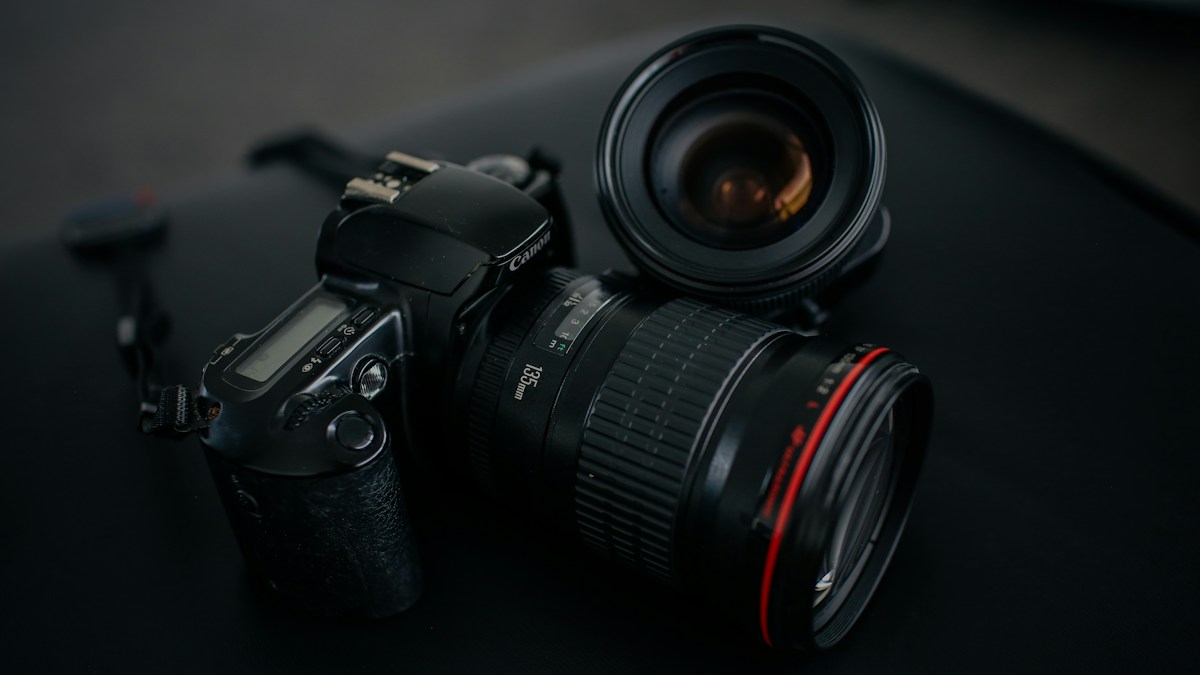
Photography Masterclass is a structured DSLR photography course from Evan Sharboneau built around camera controls, equipment, composition, lighting, and post production.
The useful question is straightforward: does its curriculum give a beginner enough practical structure to justify the current $59 price?
This review looks at what the course teaches, who it fits, where its approach is strongest, and what you should verify before buying.
Evan Sharboneau’s course is still being sold for $59, and the current official page still lists 29 videos with a total runtime of 11 hours and 26 minutes.
The curriculum covers camera controls, equipment, composition, lighting, and post production.
Those are real photography fundamentals.
But the course is built around DSLR language, older equipment assumptions, and software demonstrations that may no longer match the current Lightroom and Photoshop interfaces.
So the buying decision is not simply “Is the information good?”
It is “Is this the right structured course for the camera and skill level you have now?”
Quick Verdict
Photography Masterclass is still a reasonable low cost option for a true DSLR beginner who wants one organized curriculum and does not need current camera specific instruction.
It is harder to recommend to a mirrorless owner who wants detailed autofocus, menu, video, computational, or current editing workflow training.
The fundamentals transfer.
The equipment specific details do not always.
Modern Men HQ did not purchase or complete the course for this review. This assessment is based on the current official sales material, support pages, curriculum details, and the practical relevance of the topics in 2026.
What You Actually Get
The official page currently lists 29 videos across four modules.
Total runtime is 11 hours and 26 minutes.
The current price is $59.
Lifetime online access is advertised.
A 60 day satisfaction guarantee is advertised.
ClickBank handles the checkout.
The four modules cover:
Camera operation and exposure.
Equipment.
Composition and planning.
Lighting and post production.
That is a legitimate beginner curriculum.
The value question depends on whether you need those topics organized for you.
Module One: Camera Controls and Exposure
This is the most durable part of the course.
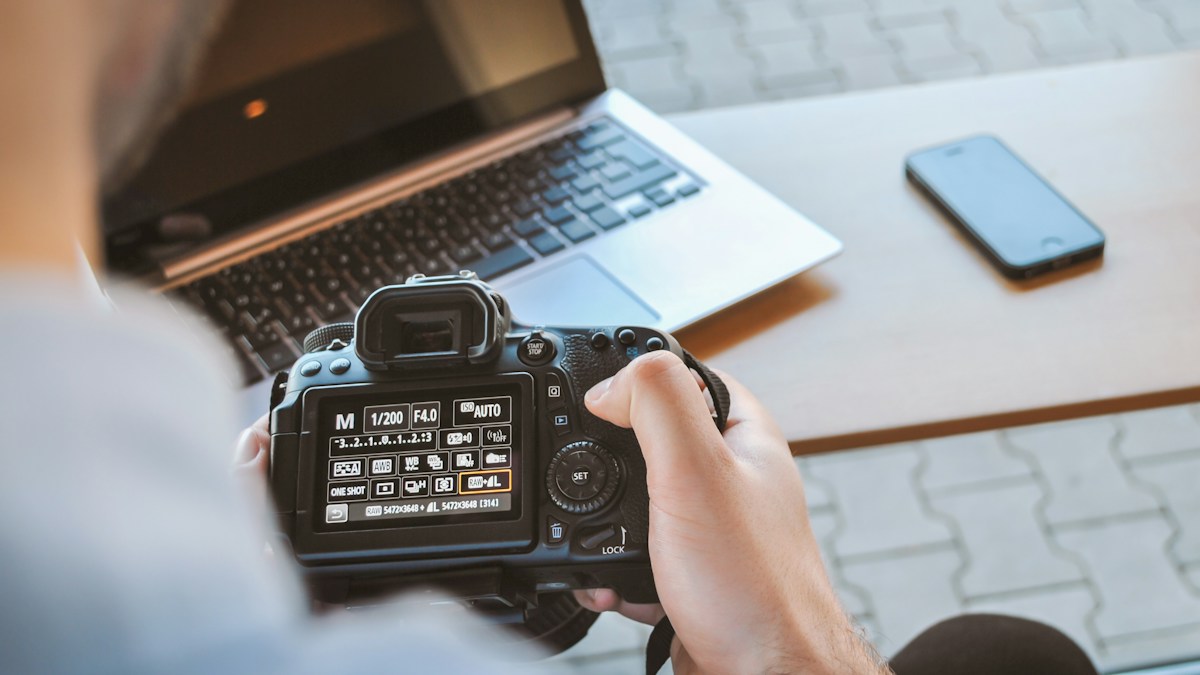
Manual exposure still means understanding aperture, shutter speed, and ISO.
White balance still matters.
Metering still matters.
Histograms still matter.
RAW capture still matters.
Focus still matters.
The exact button used to change those settings varies by camera.
The photographic decisions do not.
A beginner who cannot explain what happens when shutter speed becomes slower, why a wider aperture changes depth of field, or why high ISO is a compromise still has important fundamentals to learn.
That is where an older course can remain useful.
The risk is confusing principle with interface.
A demonstration on an older DSLR may not resemble the menus on a current Sony, Canon, Nikon, Fujifilm, Panasonic, or OM System mirrorless body.
Learn the concept.
Use your current camera manual for the exact control.
Module Two: Equipment
Equipment lessons age faster.
Camera bodies change.
Autofocus systems improve.
Lens ecosystems expand.
Flash systems change.
Adapters become common.
Mirrorless designs replace older DSLR assumptions.
The Photography Masterclass support page still recommends a Nikon D90 as an example DSLR for someone who does not own one.
That camera was important in its time.
It is also a strong signal that the buying guidance should not be treated as current 2026 gear advice.
The more durable equipment questions are:
What focal length changes the composition?
What does a faster lens allow?
When is a tripod useful?
What does a filter actually do?
What type of light do you need?
Those principles transfer.
Specific purchase recommendations need fresh research.
Module Three: Composition
Composition ages slowly.
Where you place the subject.
How you use the edge of the frame.
How background clutter changes the photograph.
How lines guide attention.
How perspective changes the relationship between objects.
How light and color affect emphasis.
These are not DSLR concepts.
They are photography concepts.
That makes composition one of the strongest reasons an older course can still have educational value.
A current camera with excellent autofocus cannot decide what deserves to be inside the frame.
Module Four: Lighting and Post Production
Lighting fundamentals remain valuable.
Direction.
Size of the source.
Distance.
Hard versus soft light.
Contrast.
Shadow placement.
Subject separation.
Those decisions matter whether you use a DSLR, mirrorless camera, or even a phone.
The post production section needs more caution.
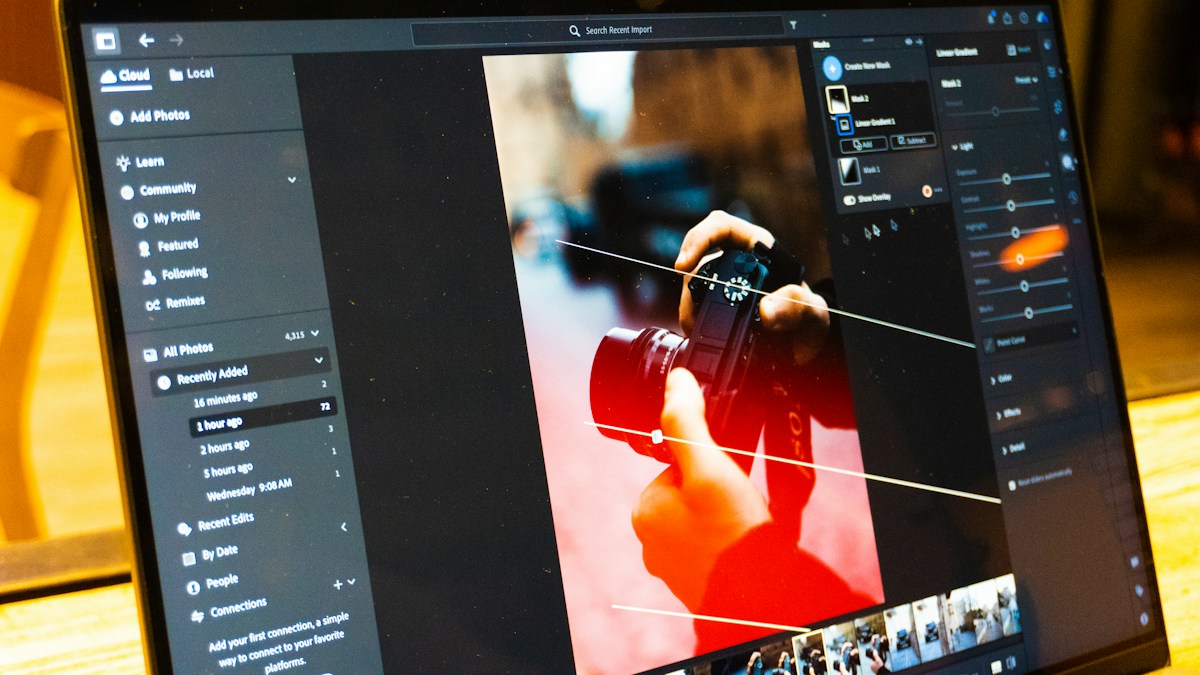
The current sales page references Adobe Lightroom and Photoshop.
The principles of exposure correction, color, local adjustment, RAW processing, and finishing can transfer.
The interface does not stand still.
If your main goal is to learn the current Lightroom ecosystem, masking tools, AI features, cloud workflow, or the latest Photoshop interface, a recently updated course or Adobe’s current documentation is a better fit.
The DSLR Problem in 2026
DSLR does not mean bad.
Many excellent cameras are DSLRs.
A used DSLR can still be an inexpensive way to learn photography.
The issue is expectation.
A buyer with a current mirrorless camera may encounter lessons that explain photography correctly while showing controls that look unfamiliar.
Modern mirrorless systems can also add features the course was not built around.
Advanced subject detection.
Eye autofocus.
Electronic viewfinder behavior.
Silent shooting.
Computational aids.
Video specific tools.
Modern stabilization.
Current wireless workflows.
If those are the reason you bought your camera, Photography Masterclass is not the obvious course.
If your problem is that you still do not understand exposure, light, and composition, the age matters less.
Photography Masterclass Versus Free YouTube
YouTube has more photography education than any beginner could finish.
That is both the advantage and the problem.
You can find excellent current tutorials for almost any camera, lens, lighting technique, or editing tool.
You can also spend an hour comparing thumbnails and finish with no sequence.
A paid course buys organization.
That is the real competition.
Do you want the best current video on every topic?
Use free search and build your own curriculum.
Do you want one instructor to take you through a defined beginner sequence?
A course can justify a modest fee.
Photography Masterclass Versus a Current Course Platform
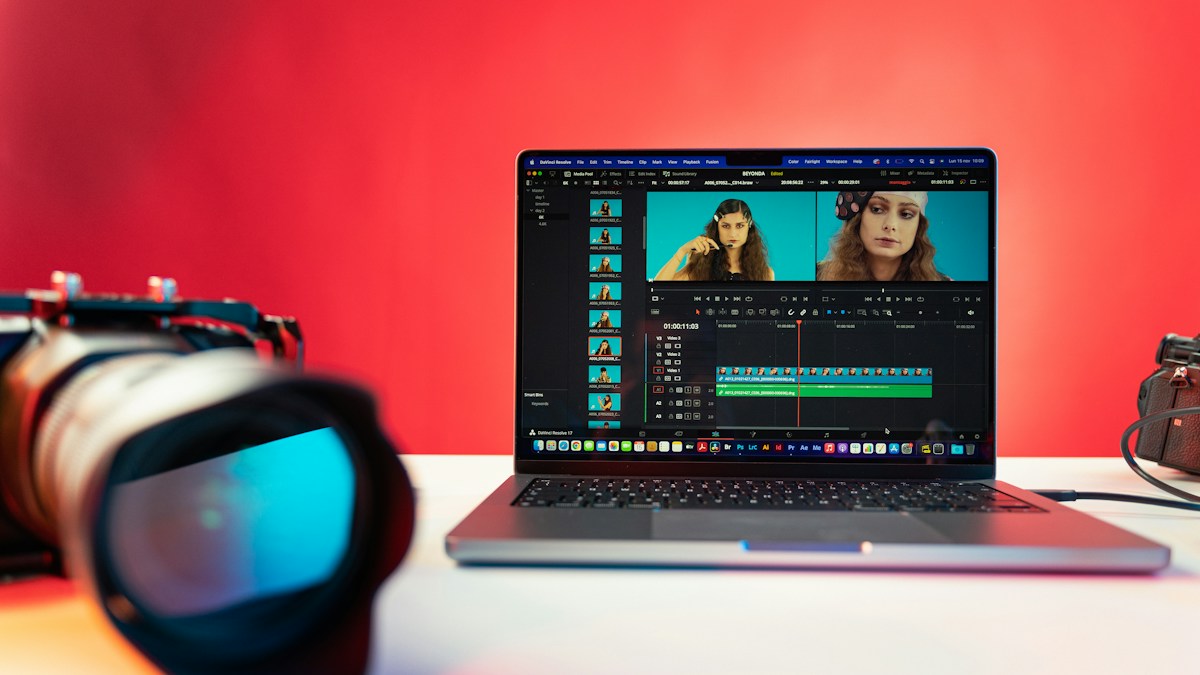
A modern course platform can offer:
Recently updated camera examples.
Current mirrorless instruction.
New Lightroom and Photoshop workflows.
Community feedback.
Assignments.
Mobile apps.
Instructor updates.
Photography Masterclass has a simpler value proposition.
One relatively inexpensive purchase.
A fixed curriculum.
Lifetime access.
That simplicity can be attractive.
It can also mean less updating.
Photography Masterclass Versus an In Person Class
An in person class is more expensive in many markets.
It can also give you something a video cannot.
Feedback on your photographs.
Correction of your handling.
Live questions.
Assignments.
A reason to go shooting.
Peer critique.
If your main problem is knowledge, a video course can work.
If your main problem is seeing what is wrong with your own pictures, feedback may be more valuable than more instruction.
Who Is the Course Best For?
A DSLR beginner.
Someone who owns a camera but stays in automatic mode.
A hobbyist who wants one curriculum instead of scattered videos.
Someone who prefers paying once rather than maintaining a subscription.
A learner who understands that older equipment examples do not invalidate every underlying concept.
A learner who will actually take the camera outside and practice.
Who Should Skip It?
A photographer who already understands exposure, composition, lenses, and basic lighting.
A buyer who wants detailed instruction for a specific current mirrorless body.
Someone focused on modern video production.
Someone who mainly wants current Lightroom or Photoshop features.
A person who needs portfolio feedback.
A learner who expects the course to create professional level work without extensive practice.
The Sales Page Uses Too Much Transformation Language
The current page uses aggressive language about mastering a DSLR, becoming a better photographer quickly, creating attention grabbing work, and potentially selling photographs.
Treat that as marketing.
The course can teach concepts.
Skill comes from practice.
Good photography also depends on subject choice, timing, observation, editing judgment, taste, and feedback.
No 11 hour course can guarantee that your work becomes professional.
That is not an argument against buying the course.
It is an argument for buying it for the curriculum rather than the promise.
Is $59 Reasonable?
For the verified 29 video package, $59 is not an extreme price.
The question is opportunity cost.
If you own a DSLR and need fundamentals, the structured sequence may save enough time to justify the fee.
If you own a current mirrorless camera and mainly need menu or autofocus instruction, spend the money elsewhere.
If your editing skills are the main gap, choose a current editing course.
If you already understand the material, buy a book, a workshop, a critique, or simply go make more photographs.
A cheap course is still expensive if you do not need it.
A Practical Way to Use the Course
Do not binge eleven hours.
Watch one section.
Shoot.
Review the photographs.
Identify what failed.
Return to the relevant lesson.
For exposure:
Pick one subject and change shutter speed.
Change aperture.
Change ISO.
Compare the result.
For composition:
Photograph the same scene from several positions.
Change focal length.
Remove background clutter.
Try different framing.
For light:
Move the subject.
Move the light.
Change the distance.
Observe the shadows.
The course becomes more valuable when every lesson produces photographs. To build that regular practice, see goals versus systems.
Who gets the most value from the course?
The strongest fit is a beginner who owns a DSLR, wants a defined sequence, and needs to understand exposure, composition, equipment, lighting, and basic post production without assembling a curriculum from dozens of separate sources.
If that describes you, the course gives those fundamentals one place to live. If your priority is a specific modern camera body, advanced autofocus, video production, or the latest editing interface, choose training built specifically around that need.
Frequently asked questions
Is Photography Masterclass suitable for a complete beginner?
Its broad DSLR fundamentals can suit a beginner who wants one structured path through exposure, composition, lenses, lighting, and post processing. The value depends on whether the current course delivery and material match how you prefer to learn.
Do you need an expensive camera to learn photography?
No. A camera that gives you enough manual control to practice exposure, focus, and composition is more useful at the beginning than buying premium equipment before you understand what limitation you are solving.
Can an online photography course replace practice?
No. Photography is learned by making images, reviewing failures, changing one variable, and shooting again. A course can organize the concepts, but the camera work has to happen outside the lessons.
Should beginners learn editing too?
Yes, but editing should complement capture rather than hide weak fundamentals. Learn basic exposure, color, cropping, and file workflow while continuing to improve what happens in camera.
What should you check before buying this course?
Verify the current sales page, price, access terms, refund policy, lesson delivery, software assumptions, and whether the examples are still relevant to the camera and editing workflow you use.
Did MMHQ test the course?
No. This is a research based review of the current offer and curriculum, not a hands on course review.
Final Assessment
Photography Masterclass makes the most sense as a structured fundamentals course for a DSLR beginner. Its strongest material covers the decisions that actually improve photographs: exposure, composition, light, equipment choices, and deliberate practice.
The $59 price is reasonable when that structure solves your problem. If you already understand those fundamentals or need instruction tied to a specific current camera or editing workflow, your money is better spent on training aimed at that narrower gap.
Judge the course by what you need to learn next, not by how many lessons it contains.
The durable parts are photography fundamentals; the dated parts are gear assumptions, DSLR centric positioning, and software interface instruction. That is a reasonable trade if you know it before buying, but a poor surprise if you expected a modern mirrorless masterclass.