Hearing loss rarely announces itself with one dramatic moment.
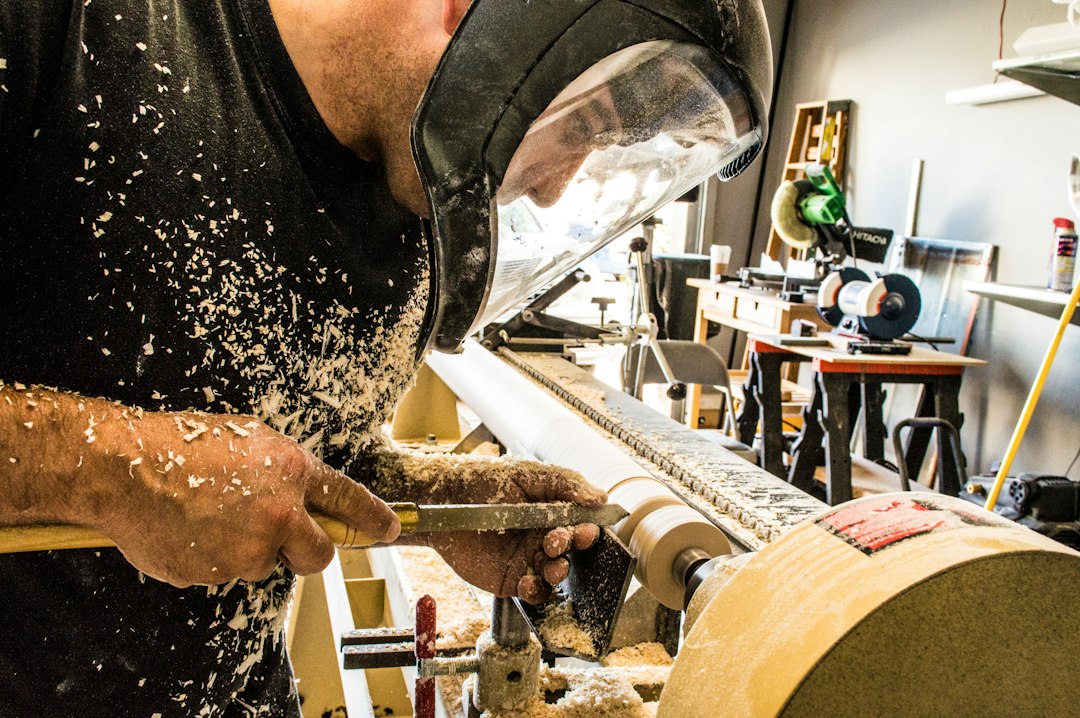
More often, the warning signs are small. You turn the television up a little higher. Restaurants become harder to follow. You ask people to repeat themselves more often. Conversations in noisy rooms start taking more effort. By the time hearing loss becomes obvious, some damage may already be permanent. That is why hearing protection works best before you think you need it.
How Loud Noise Damages Hearing
The NIDCD explains how noise-induced hearing loss develops.
Inside the inner ear are delicate sensory cells that help convert sound vibrations into signals the brain can interpret. Very loud noise can damage those cells. So can repeated exposure to moderately loud noise over time.
The problem is that noise induced hearing loss can be permanent. Your ears do not get stronger because you “tough it out.” That makes prevention unusually valuable.
The Two Things That Matter Most: Volume and Time
Hearing risk is not only about how loud a sound is. Duration matters too. A very loud sound can cause damage quickly.
A lower but still hazardous sound may become a problem after longer exposure. That is why a full workday around machinery matters differently from walking past a loud truck for a few seconds. You do not need to measure every sound in your life.
But you should recognize repeated situations where you have to raise your voice to speak to someone nearby. That is a practical sign the environment may be loud enough to deserve protection.
Use Earplugs Before the Noise Starts
The CDC hearing-loss prevention guidance covers practical protection.
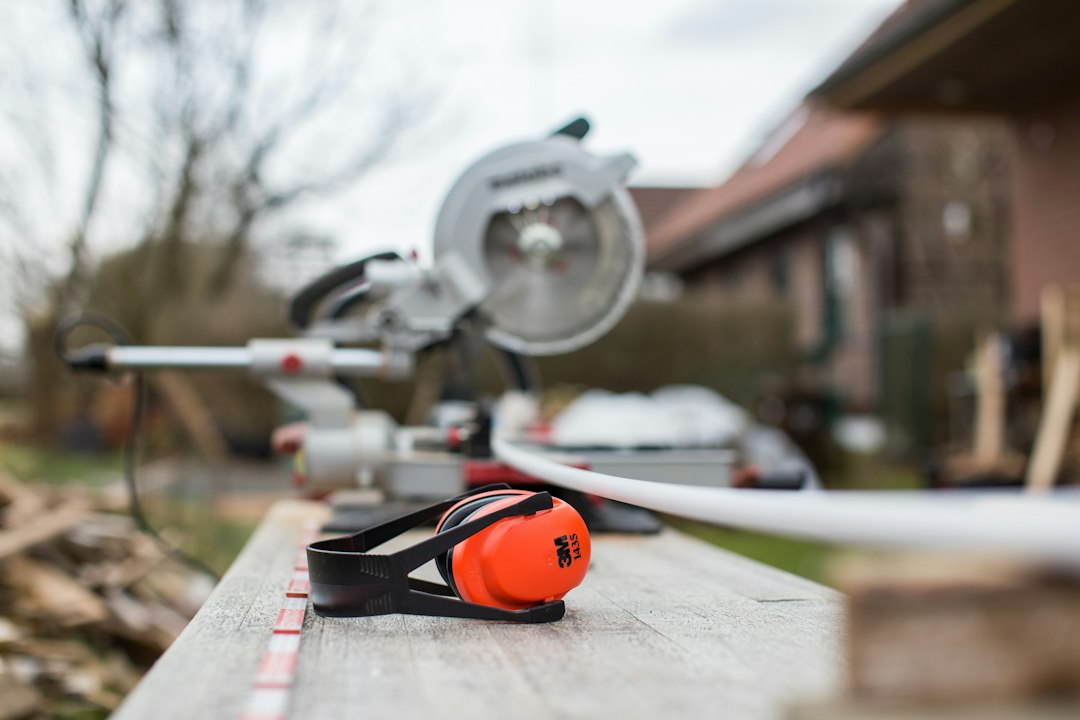
Hearing protection works best when you put it on before exposure. Do not wait until your ears are ringing. Foam earplugs are inexpensive and effective when inserted correctly.
Roll the plug into a narrow cylinder, reach over your head to gently pull the ear upward and back, insert the plug, and hold it in place while it expands. A poorly inserted earplug may provide far less protection than the package suggests. Reusable plugs and earmuffs are other options.
The best protector is the one that fits, is comfortable enough to wear, and stays on for the entire exposure.
When Earmuffs Make More Sense
Earmuffs are easy to put on and take off. They are useful around tools, lawn equipment, shooting ranges, workshops, and other situations where exposure starts and stops. They can also be easier for people who dislike inserting plugs into the ear canal.
For very loud environments, combining plugs and earmuffs may be appropriate. Workplace safety guidance sometimes recommends dual protection at very high noise levels. If the environment is occupational, follow the site’s hearing conservation rules rather than guessing.
Protect Your Hearing at Concerts
You do not need to stop going to concerts. You do need to stop treating ringing ears afterward as proof that the night was good. High fidelity musician earplugs reduce sound level while preserving more of the music than basic foam plugs.
They are a practical option for concerts, clubs, festivals, and rehearsals. Distance matters too. Standing directly beside a speaker creates a different exposure from standing farther away.
Take breaks from the loudest areas when you can. Give your ears quiet time afterward.
Headphones: Turn the Volume Down Before It Feels Necessary
Personal audio is one of the easiest exposures to control. If you regularly listen at high volume for long periods, reduce it. Noise canceling headphones can help in loud environments because they reduce the temptation to overpower background noise with more volume.
Set a comfortable listening level before your ears adapt to something louder. If people near you can clearly hear what is playing through your headphones, the volume may be unnecessarily high. Avoid sleeping with loud audio playing for hours.
Your ears do not care that you were unconscious during the exposure.
What About Earbuds?
Earbuds are not inherently dangerous. The issue is sound level and exposure time. Because they sit close to the ear canal, it can be easy to listen loudly without realizing how much exposure has accumulated.
Use built in phone warnings and volume monitoring features when available. Treat them as useful feedback rather than something to dismiss.
Protect Your Ears Around Tools and Equipment

Common sources of damaging noise include power tools, lawn mowers, leaf blowers, motorcycles, construction equipment, firearms, and some industrial environments. The sound does not have to be painful to matter. Keep hearing protection where the noise happens.
Put earmuffs beside the mower. Keep earplugs in your tool bag. Store spare plugs in the car if you attend events or use equipment away from home.
Convenience improves compliance.
Firearms Deserve Special Attention
Gunfire produces extremely high peak sound levels. Hearing protection should be considered mandatory around shooting. Many shooters use both properly fitted earplugs and earmuffs, especially at indoor ranges where sound reflects from hard surfaces.
Electronic earmuffs can make conversation easier while still reducing dangerous impulse noise. Hearing damage from one unprotected shot is not worth testing.
Do Not Put Objects Into Your Ear Canal
Cotton swabs do not belong deep inside the ear. They can push wax farther inward and may injure the canal or eardrum. Earwax normally moves outward naturally.
If you have a blocked sensation, reduced hearing, pain, drainage, or repeated wax problems, proper assessment is safer than digging around. Some people produce more wax than others. That is not a hygiene failure.
It is simply something that may need occasional professional management.
Watch for Medications That Can Affect Hearing
Some medications can affect hearing or balance. These are often called ototoxic medications. That does not mean you should stop a prescription because you read a list online.
The risks depend on the drug, dose, duration, health condition, and alternatives. If you develop new ringing, hearing changes, or balance symptoms after starting a medication, contact the prescribing clinician. They can assess whether the symptom is relevant and what to do next.
Tinnitus Is a Signal Worth Taking Seriously
Tinnitus is the perception of ringing, buzzing, hissing, or another sound without an external source. It can occur temporarily after loud noise. It can also be persistent.
If your ears ring after concerts, power tools, or headphone sessions, treat that as feedback that the exposure was too much. Persistent tinnitus deserves evaluation, especially when it appears suddenly, affects only one ear, is accompanied by hearing loss, or comes with dizziness or other neurological symptoms. Do not rely on a supplement to tell you why the ringing started.
Get a Baseline Hearing Test
If you want to understand the result, see what an audiogram actually shows.
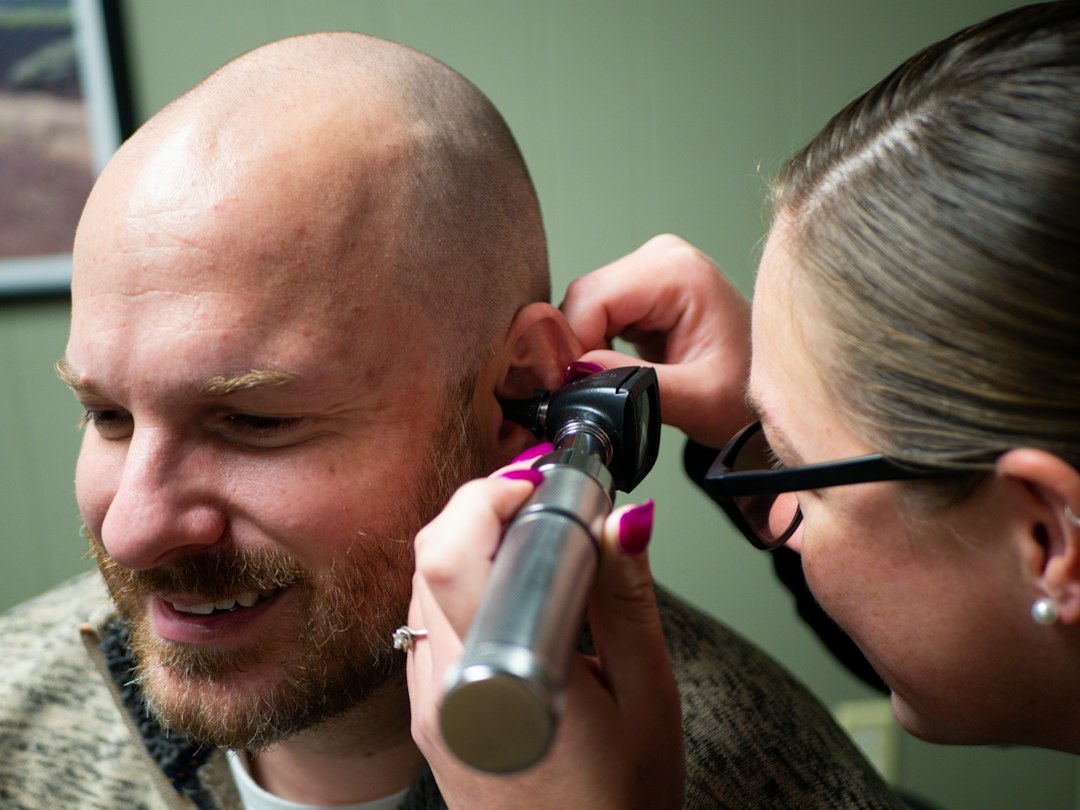
A hearing test is not only for people who already struggle to hear. A baseline gives you something to compare against later. This is especially useful if you work around noise, play music, shoot recreationally, ride motorcycles, or have another regular exposure.
Audiologists can identify patterns that you may not notice in daily life. Hearing tests are straightforward and can catch change earlier than waiting for obvious communication problems.
What About Age Related Hearing Loss?
If you are also comparing hearing supplements, our EchoXen review keeps those claims separate from actual hearing-loss prevention.
Hearing can change with age. That does not make noise protection pointless. Age related changes and noise exposure can add together.
Protecting your hearing now may help preserve more usable hearing later. The fact that some decline can occur with age is not a reason to accelerate it.
Frequently Asked Questions
How loud is too loud?
Noise around 85 decibels and above can become hazardous depending on exposure time. Louder sounds require less time to create risk.
Are expensive earplugs better?
Not automatically. Correct fit and consistent use matter more than price.
Can noise canceling headphones protect hearing?
They can reduce the need to raise music volume in noisy settings, but they are not a replacement for certified hearing protection in hazardous workplaces or around extreme noise.
Should I worry if my ears ring after a concert?
Temporary ringing is a sign your ears were stressed by the exposure. Repeated episodes should not be treated as normal.
Can hearing loss be reversed?
Some causes of reduced hearing, such as wax blockage, may be reversible. Noise induced sensorineural hearing loss is often permanent.
How often should I get my hearing checked?
Frequency depends on age, symptoms, and noise exposure. People with occupational noise exposure may already have required testing schedules.
A Simple Hearing Protection Kit
Make protection easier by keeping the right gear where the noise happens. At home, keep a pair of earmuffs near power tools or lawn equipment. Put disposable foam plugs in your car, travel bag, or jacket so concerts and unexpected loud environments do not catch you without protection.
If you attend live music often, consider reusable high fidelity plugs that are more comfortable for longer wear. For workshops or ranges, inspect earmuff cushions and headbands periodically because worn seals can reduce performance. Replace disposable plugs after use when they are dirty or no longer expand properly.
The point of a hearing kit is not owning more equipment. It is reducing the gap between knowing you should protect your ears and actually doing it. If protection is stored in another room while the mower is already running, you are more likely to skip it.
Put the barrier where the behavior happens.The Bottom Line Hearing protection is simple, cheap, and easy to ignore. That is exactly why many men wait too long.
Keep earplugs where you need them. Wear earmuffs around loud equipment. Control headphone volume. Step away from speakers. Treat ringing as a warning, not a souvenir. You cannot protect hearing you have already lost. Sources reviewed for this article: CDC and NIOSH information on noise and hearing loss; National Institute on Deafness and Other Communication Disorders guidance on noise induced hearing loss.