Affiliate disclosure: Modern Men HQ may earn a commission if you purchase TedsWoodworking through links in this article.
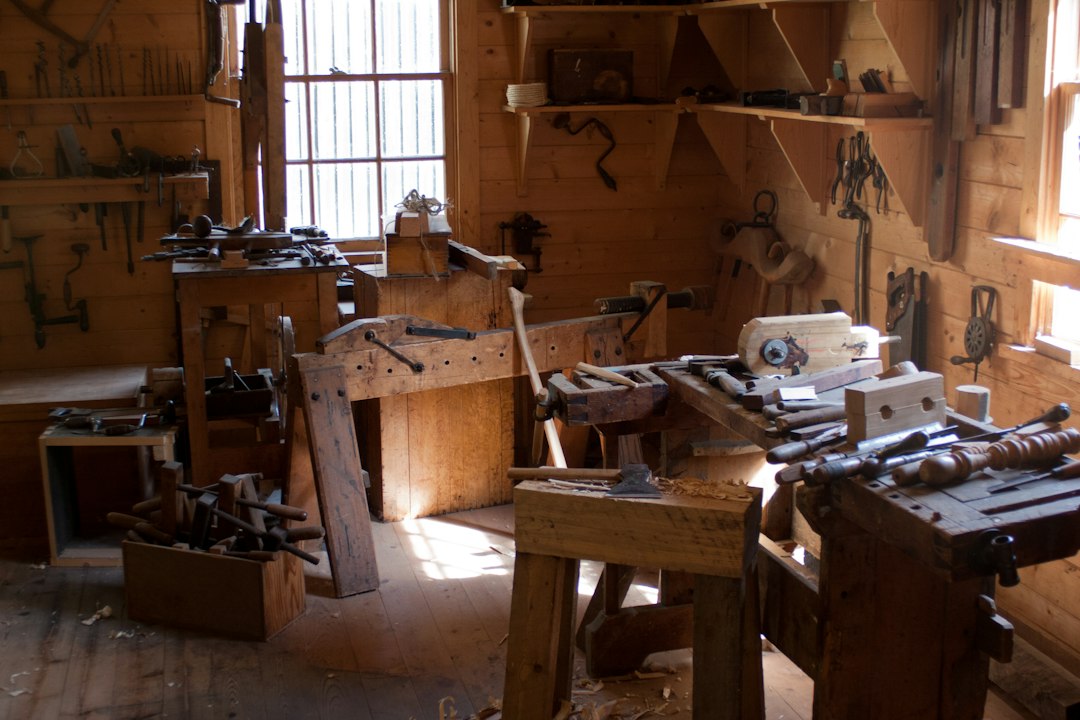
Woodworking can cost $100 or $10,000.
Both numbers can be honest.
The difference is what you are trying to build and what you already own.
The smartest beginner budget starts with one project.
Not a complete workshop.
The minimum version
Simple shelf.
Planter.
Box.
Small bench.
If you already own a drill and can borrow or rent a saw, the project may require only material, fasteners, sandpaper, finish, and a few measuring tools.
That is a perfectly legitimate start.
The practical beginner version
Add:
Reliable measuring tools.
Square.
Drill or driver.
Saw appropriate to the work.
Clamps.
Sander.
Workbench or stable work surface.
Safety equipment.
The exact cost depends on brands and whether you buy new or used.
The goal is enough capability to complete several projects.
Not enough tools to copy a YouTube shop.
The machine-heavy version
Table saw.
Planer.
Jointer.
Router table.
Dust collection.
Miter saw.
Drill press.
Band saw.
Specialized storage.
Electrical upgrades.
Now the budget grows quickly.
That setup makes sense when projects justify it.
It makes very little sense before you know whether you enjoy the hobby.
Plans cost money too
Good plans can reduce waste and confusion.
Free plans can be excellent.
TedsWoodworking is one paid library option if you expect to build repeatedly.
Current product positioning includes more than 16,000 plans.
You do not need a giant archive for your first project.
Buy access only when you expect to use the breadth.
Space has a cost
A workshop may require:
Shelving.
Lighting.
Extension or electrical work.
Dust management.
Mobile bases.
Storage cabinets.
Bench.
Heating or cooling depending on climate.
Do not spend the entire budget on cutting tools and leave nothing for the room that makes them usable.
Ultimate Small Shop is one planning resource focused on small-space tool and layout decisions.
Material cost matters
Wood is not free.
Large projects can consume more money in lumber and sheet goods than beginners expect.
Add waste.
Hardware.
Glue.
Finish.
Delivery.
Mistakes.
Build a project budget before starting.
The material cost can change whether DIY makes economic sense.
Should you buy used tools?
Often, yes.
Research the model.
Inspect condition.
Check safety components.
Check replacement parts.
See it run when appropriate.
Heavy older tools can offer excellent value.
They can also create transport and repair problems.
Buy the tool.
Not the discount.
A sensible first-year budget
Instead of choosing one universal dollar amount, divide spending into stages.
Stage one: tools and materials for project one.
Stage two: fix repeated bottlenecks.
Stage three: upgrade only after the hobby proves itself.
This keeps the financial commitment proportional to actual use.
The Modern Men HQ standard
Do not buy a workshop to become a woodworker.
Build something.
Let the work tell you what the workshop needs.
V1.3 Practical Fit Check
Define the smallest realistic goal before buying TedsWoodworking + Ultimate Small Shop. For learning, choose a practice outcome you can measure. For a workshop, choose the projects you actually intend to build and the tool, space, power, dust, and safety requirements those projects create. Buy structure only when structure is the bottleneck.