You do not need a wall of shoes to dress well. For most men, five to seven well chosen pairs cover work, weekends, exercise, bad weather, and smarter occasions without turning the wardrobe into storage.
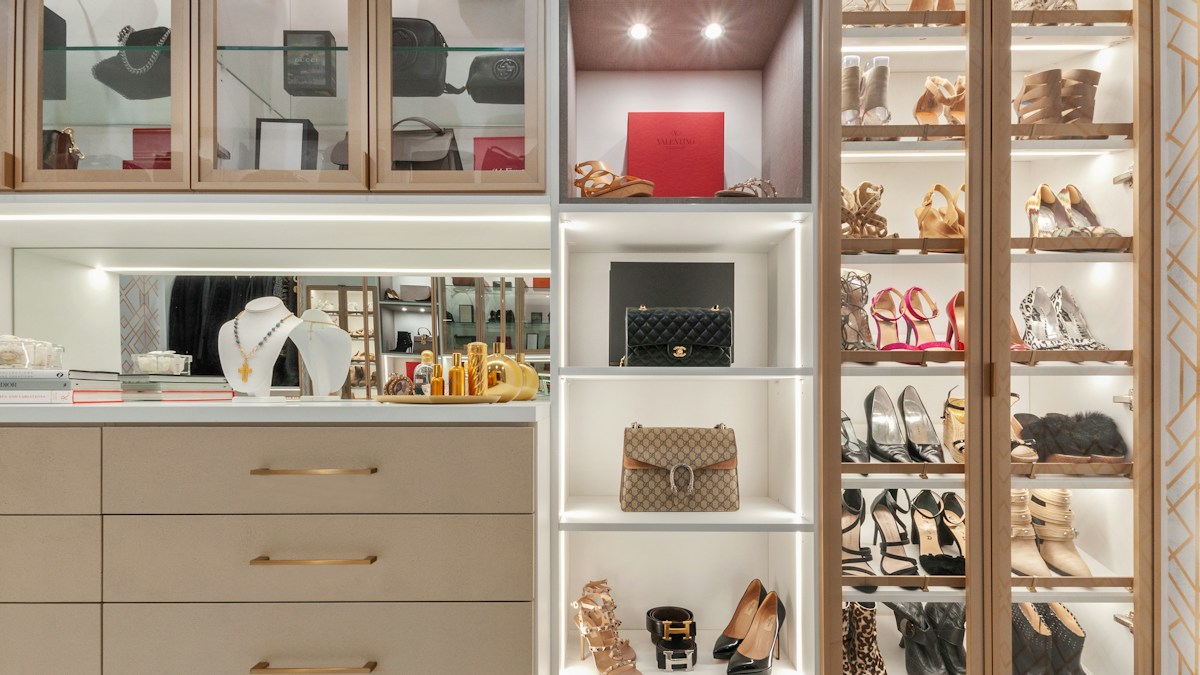
The exact number matters less than the jobs your shoes can handle. A man who works from home, trains four days a week, and rarely wears tailoring needs a different rotation from someone who spends most weekdays in an office. The useful question is not how many shoes a man should own in theory. It is how few pairs can cover your actual life without forcing one shoe to do everything.
How many pairs of shoes does a man actually need?
Five to seven pairs is a practical range for most men. That usually gives you enough coverage to separate daily casual wear, smarter outfits, training, formal situations, and weather specific needs while still keeping the collection easy to maintain.
You can live with fewer. Three or four pairs can work if your lifestyle is casual and your climate is predictable. You may need eight or more if your work, hobbies, travel, or weather create genuinely different requirements. The goal is coverage, not a target number.
A useful shoe collection should solve three problems. First, you should have something appropriate for the occasion. Second, you should not be wearing the same pair hard every day. Third, each new pair should add a function rather than simply duplicate something you already own.
The five pair foundation
If you want the leanest useful wardrobe, start with five roles rather than five fashionable models.
1. A clean everyday sneaker
This is the pair you can wear with jeans, chinos, casual trousers, and most relaxed weekend outfits. Keep the design simple enough that it does not dictate the rest of what you wear. White, off white, grey, navy, or another restrained neutral usually gives you more combinations than a highly branded or brightly colored shoe.
The point is not that every man needs white leather sneakers. The point is that you need one casual shoe that looks intentional rather than purely athletic. If you already own a versatile canvas sneaker or minimal trainer that fills that role, you have it covered.
2. A proper training shoe
Your gym shoe should be selected for what you actually do. Running, lifting, court sports, and general training place different demands on footwear. A lifestyle sneaker may look athletic while offering little of what you need for repeated training.
Keeping training shoes separate also protects your everyday pair from sweat, heavy wear, and gym floors. This is one of the few places where function should comfortably outrank versatility.
3. A smart casual leather shoe
This is the bridge between sneakers and formal shoes. Depending on your style, it could be a loafer, derby, brogue, or another understated leather shoe. It should work with chinos and tailored trousers and ideally with dark denim when the setting allows it.
If your wardrobe leans relaxed, loafers can cover a surprising amount of ground. If you work in a more traditional office, a simple derby may earn more wear. Buy for your calendar, not for a generic list of menswear essentials.
4. A dress shoe
A restrained black or dark brown dress shoe gives you an answer for weddings, interviews, formal dinners, ceremonies, and tailoring. Men who wear suits regularly may need several options. Men who wear one twice a year probably do not.
Your dress shoe should complement the suits and trousers you already own. If you are still building that part of the wardrobe, our guide to how many suits a man should own uses the same principle: build around real occasions before adding variety.
5. A weather or utility shoe
This category depends heavily on where you live. It could be a waterproof boot, sturdy leather boot, rain friendly shoe, trail shoe, or another pair that can take conditions your nicer footwear should not.
A utility pair earns its space by protecting the rest of the rotation. You should be able to wear it when the pavement is wet, the trip is rougher, or the day involves more walking than your smarter shoes were designed to handle.
When should you add a sixth or seventh pair?
Add another pair when you can name the specific gap it fills. A second everyday sneaker may make sense because you wear sneakers constantly and want to rotate them. A second smart shoe may make sense because your office wardrobe moves between brown and black leather. A dedicated boot may make sense because your climate gives it months of use.
This is where many wardrobes become inefficient. The first five pairs solve different problems. Pairs six through ten often start solving the same problem in slightly different colors.
Before buying, ask: What can I wear this with that I cannot already wear comfortably and appropriately with something I own? If the answer is unclear, the purchase is probably variety rather than coverage. Variety is fine when you deliberately want it, but it should not be confused with necessity.
Should you own more than one pair of everyday shoes?
Yes, if you wear the category frequently. Rotation is useful because shoes need time to dry and recover between wears, particularly leather footwear and pairs worn for long days. It also prevents one pair from becoming the visual default for every outfit.
Two casual pairs can be more useful than owning one casual pair plus three formal pairs you rarely touch. Your collection should reflect frequency. If casual shoes dominate your week, they deserve more of your shoe budget and wardrobe space.
The same logic applies to work. Someone in tailored clothing five days a week may get real value from rotating two or three leather shoes while owning only one casual sneaker.
How many dress shoes should a man own?
One good pair is enough for a man who rarely dresses formally. Two or three becomes reasonable when tailored clothing is part of your normal week.
Start with the occasions you attend and the colors already in your wardrobe. A shoe collection should support your clothes rather than create a new set of matching problems. If you regularly struggle to coordinate footwear with trousers, use our guide on matching shoes with trousers before buying another pair.
For many men, a dark brown leather shoe is flexible across navy, grey, and earth toned tailoring. Black becomes more important when your workplace or formal events call for a stricter look. Neither color is universally the correct first purchase. Context decides.
What about boots?
Boots deserve a place when they solve a real weather, work, or style requirement. A versatile leather boot can overlap with smart casual shoes while handling colder or rougher conditions. A rugged waterproof boot can serve an entirely different purpose.
Do not buy boots simply because a wardrobe checklist says every man needs them. In a hot climate, they may spend most of the year untouched. In a cold or wet climate, they can become one of the highest use pairs you own.
This is why fixed lists fail. A useful wardrobe in a tropical climate will not be identical to one built for a cold, wet winter.
How to know when your shoe collection is too large
The number itself is not the problem. A collection is too large when it becomes difficult to wear, maintain, store, or justify.
Look for obvious signals. You have several pairs that serve nearly identical roles. You regularly forget what you own. Shoes deteriorate in storage before you wear them out. New purchases require outfits you do not otherwise want. Or you keep reaching for the same three pairs while fifteen others remain untouched.
At that point, adding another shoe rarely improves your wardrobe. Better selection does.
The same principle applies across menswear. If clothes are accumulating without making dressing easier, our guide on dressing better without buying more clothes is a better next move than another shopping list.
How much should you spend on shoes?
Set the budget according to frequency, construction, comfort, and the cost of replacing a poor purchase. The pair you wear several times each week deserves more attention than a highly specialized pair used twice a year.
Price alone is a weak quality test. Look at whether the shoe is comfortable for its intended use, whether the materials and construction suit the conditions, whether the sole can handle your routine, and whether the design works with enough of your wardrobe to earn regular wear.
A cheaper shoe worn constantly can be better value than an expensive shoe that never leaves the box. Conversely, repeatedly replacing uncomfortable or poorly made daily footwear is not particularly economical.
A simple way to audit the shoes you already own
Before buying anything, put your current pairs into functional groups: everyday casual, training, smart casual, formal, and weather or utility. Then note how often each pair was worn during the last month.
You will usually see the gaps quickly. Maybe you own four sneakers but nothing appropriate for a wedding. Maybe you own several leather shoes from an old office job but now live in trainers. Maybe your only rain friendly pair is uncomfortable enough that you avoid walking in it.
Fix the weakest functional gap first. Then replace worn out essentials. Only after those jobs are covered does adding variety make much sense.
What should you buy first if you are starting from zero?
Start with the pair you will wear most, not the pair that menswear tradition says is most important. For many men today, that means an everyday sneaker. Next cover training if you exercise regularly, then smart casual, formal, and weather needs in the order your life demands.
This approach produces a wardrobe you can actually use while it is being built. Buying a formal shoe first because it seems like a classic essential does little for you if the next formal event is six months away and you need shoes for work tomorrow.
Choose versatility within each role. Neutral colors, restrained shapes, and designs that work with several outfits make a smaller rotation feel larger.
The Modern Men HQ Standard
A strong shoe collection is not impressive because it is large. It is effective because every pair has a reason to be there.
For most men, five to seven pairs is enough to cover the major demands of adult life. Start with everyday casual, training, smart casual, formal, and weather needs. Add more only when your actual routine exposes a gap or when you consciously decide that footwear is a category you enjoy collecting.
Standards matter more than volume. Own fewer pairs if they work. Own more if you genuinely use them. The mistake is letting accumulation pretend to be refinement.