Linen is often described as difficult because it creases easily, but normal creasing is different from fabric damage. A well-made linen shirt can be an excellent warm-weather piece. The real risks are washing beyond its care limits, excessive agitation, avoidable shrinkage and drying in a way that distorts the shape. For travel or a missing iron, our guide to removing wrinkles without ironing covers other garment-safe finishing options.
Before washing, inspect the care label, empty the pockets and close buttons according to the maker’s directions. Treat conspicuous stains separately, avoid crowding the wash and plan how you will dry the shirt before beginning. If the label includes unfamiliar symbols, our laundry care symbols guide can help interpret its washing and drying limits.
Do not assume every linen shirt is machine washable; linings, blends, dyes and finishes can change the care instructions.
What to Check Before You Begin
- Why linen changes after washing
- When a linen shirt needs washing
- Pretreating spots safely
Before washing, study the linen shirt as a finished garment. Check whether the collar and cuffs contain lining, whether the placket is reinforced and what the care tag allows. That information is more useful than following a universal rule about flax fiber, since the finish and construction may set tighter limits.
Why linen changes after washing
| What to check | Practical detail |
|---|---|
| Why linen changes after washing | Linen is a flax fiber and garments may relax or change dimensions during early laundering. |
| When a linen shirt needs washing | Air a lightly worn shirt when practical, but wash it if sweat, dirt or odor has accumulated. |
| Pretreating spots safely | Check whether the fabric is colorfast and the treatment is compatible with the label. |
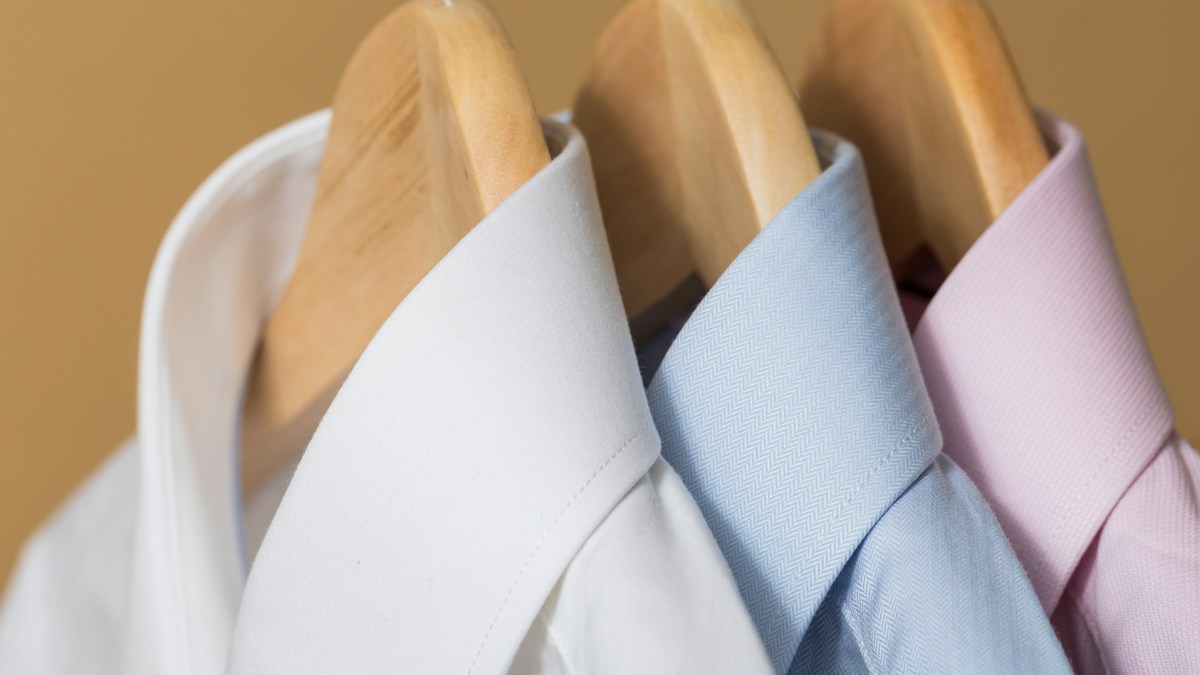
Linen is a flax fiber and garments may relax or change dimensions during early laundering. Some shirts are prewashed or finished to reduce those changes, while others need more conservative handling.
Look for the garment’s stated care method instead of using a fixed temperature from an online chart. A shirt may be linen on the outside but have a more sensitive collar or trim.
Before the first wash, compare the fit of the collar, shoulder seam and sleeve length to how the shirt is supposed to sit. These points are easier to check than vague impressions that linen feels tighter. If the shirt has a cotton lining or blended components, do not assume all parts respond to water equally.
When a linen shirt needs washing
Air a lightly worn shirt when practical, but wash it if sweat, dirt or odor has accumulated. Letting a stained garment sit for long periods can make later cleaning harder.
Linen is comfortable in warm weather, which can mean frequent contact with sweat. Judge by actual wear rather than a rule that linen always needs dry cleaning.
Hot weather usually means more perspiration, but not every shirt needs a full laundering after a few hours of wear. Check collar and underarm soil as well as scent. If a mark is visible, cleaning promptly may be preferable to leaving it in a hamper where the stain has time to settle.
Pretreating spots safely
Check whether the fabric is colorfast and the treatment is compatible with the label. A suitable liquid laundry detergent or fabric-safe stain remover can be useful on ordinary spots.
Do not scrub a lightweight linen weave hard. Fraying and abrasion can become a more visible problem than the original mark.
Linen’s visible texture can disguise early abrasion, so pretreat a mark gently rather than using a stiff brush. Keep the stained section supported and avoid pulling it against a hard sink edge. If the dye lightens during treatment, stop; stain removal should not produce a clean but conspicuously faded patch.
Hand washing versus machine washing
If the care label allows machine washing, a suitable gentle program may be convenient. If it calls for hand washing, follow that method and avoid vigorous twisting or wringing.
The aim is controlled motion. Pulling a wet shirt by its cuffs or collar can stretch particular seams and distort the fit.
A label that permits machine washing can save time, but cycle choice and loading still matter. Folded collars, plastic buttons and fine seams can be stressed during vigorous agitation. Give the linen enough space to move and rinse, and take the shirt out when the cycle ends rather than leaving it compacted in the drum.
How much detergent to use

Measure according to the detergent’s concentration, machine, load and soil. More detergent does not necessarily create cleaner linen, and residues may make fabric feel stiff.
Avoid treating softener as compulsory. Different linen finishes react differently to additives; follow the shirt maker’s instructions.
Residual detergent may stiffen a linen shirt and exaggerate creases, especially along the placket. Use the measured amount for the actual load and machine, then rinse appropriately. Do not add fabric softener simply because linen feels crisp; the finishing result depends on the fabric and your preference.
Drying without distortion
Air drying is often appropriate where the label permits. Smooth seams, collars and placket gently and arrange the shirt so the damp weight does not pull it out of shape.
Direct intense heat may affect color and dimensions. Do not leave a wet shirt crumpled at the bottom of a basket and expect it to dry without deep creases.
A wet linen shirt can become misshapen if it hangs heavily from a small shoulder point. Smooth the placket and sleeve seams while damp and use a suitable hanger or drying surface as the label permits. Correcting the shape early is simpler than trying to press a sharply twisted seam after it has dried.
Should linen be tumble dried?
Only if the care label permits the machine and the selected temperature. Even then, over-drying may produce stubborn wrinkles and avoidable dimensional changes.
A lower-stress option is to remove the shirt at the right point and finish drying as allowed, rather than letting it tumble until every other item in the load is dry. The related guide to preventing clothes from shrinking in the dryer explains when heat and drying choices introduce additional risk.
Overdrying linen in a machine may leave hard creases and cause avoidable size changes. Even where tumble drying is allowed, inspect the heat setting and remove the shirt according to care instructions. Never use more heat as the default answer to a shirt that already feels smaller than before washing.
Removing creases after drying
Natural linen creases are part of its texture. If you need a cleaner appearance, use pressing or steaming only within the garment’s care limits and with the equipment’s safety instructions.
Collars and cuffs may need careful pressing even when the body of the shirt can remain relaxed. A simple, consistent finish often looks better than excessive heat.
If you want a dressier finish, focus on the collar and front placket rather than flattening every natural crease. Press only when the label allows it and protect the fabric from excessive heat. For relaxed summer wear, a little texture looks intentional as long as the shirt remains clean and properly fitted.
What to do if the shirt feels smaller
Compare the fit after the fabric has cooled and dried. Minor changes may relax with wear, but severe shrinkage cannot reliably be reversed by soaking in household products.
Stretching hard while wet can distort seams. If the shirt was improperly cared for, learn from the process and avoid repeated damaging cycles.
A linen shirt that has changed size cannot always be stretched back without damage. Compare the shoulder position, cuff placement and button spacing against the garment before the wash. Aggressive wet stretching can distort the seams or buttons. If the shirt was accidentally exposed to excessive heat, further heat is unlikely to improve it.
A low-maintenance linen routine
Separate by color and care requirements, use compatible washing, remove promptly, reshape gently and dry fully before storage. Fold or hang according to garment construction.
The objective is not perfect smoothness. It is clean, comfortable linen that retains its fit and has enough visual structure for how you wear it.
Store a fully dry shirt so moisture does not settle into its folds. Keep hangers wide enough to support shoulders when hanging is permitted, or fold neatly without compressing it beneath heavy clothing. Linen is easier to wear regularly when upkeep is consistent and does not demand perfect wrinkle-free results.
How to Tell Natural Linen Creasing From Damage
Linen often forms soft wrinkles at elbows, the waist and along the button placket during ordinary wear. Those lines are not necessarily evidence of a bad wash. Compare them with actual warning signs such as a noticeably shorter hem, twisting seams or a collar that no longer sits flat. If the shirt has changed size, review the wash and drying steps before trying any reshaping method. A relaxed linen texture can still look deliberate when the collar, shoulders and sleeve lengths retain their intended proportions.
A Practical Final Check
Once the shirt dries, inspect shoulder position, sleeve length and button spacing before assuming it has shrunk. Linen creases easily and can feel different after laundering without permanent size change. Gently smooth the garment as permitted and compare it with the original fit rather than trying to stretch it aggressively.
If a valuable linen shirt develops strong twisting or uneven shrinkage, professional cleaning advice may be wiser than another wash. A cleaner can consider the fabric, dye and internal parts together. Repeatedly soaking it in home mixtures to chase one measurement can create a more obvious defect.
Frequently Asked Questions
Can a linen shirt go in the washing machine?
Yes when the garment label permits it and the selected cycle meets its conditions.
Will linen shrink every time?
Not necessarily. Amounts vary with fabric finishing and care; do not assume permanent ongoing shrinkage.
Should you wash linen in hot water?
Only if the garment’s instructions allow that temperature and it serves a real cleaning purpose.
Does linen need fabric softener?
Not automatically. Check the maker’s guidance and the finish you want.
How do you reduce linen wrinkles?
Remove promptly, smooth while damp and use care-label-compatible pressing or steaming.
The Bottom Line
Linen is often described as difficult because it creases easily, but normal creasing is different from fabric damage. A restrained process grounded in the actual garment instructions, careful inspection and a suitable first step is more reliable than a universal shortcut. The aim is to keep what you own functional and presentable without unnecessary purchases or accidental damage.