How often should you replace running shoes? The familiar 300 to 500 mile range is a useful checkpoint for many performance running shoes, but it is not an automatic expiration date. Your mileage, running surface, shoe construction, fit, and the condition of the foam and outsole all matter. A pair that still performs well at the beginning of that range may be very different from one that has lost traction or structure.
Brooks and ASICS both describe approximately 300 to 500 miles as a typical lifespan. Use that guidance to know when to inspect a pair more carefully. Your actual decision should combine the distance you have covered with what the shoes look and feel like.
Why 300 to 500 miles is a checkpoint, not a deadline
Running shoes contain several components that age in different ways. The outsole faces friction with the ground. The midsole compresses during each landing. The upper and heel lining experience repeated movement. These materials do not all wear at the same rate, and two runners can get different lifespans from the same model.
Starting around 300 miles, look more closely at the pair instead of waiting for it to fall apart. Inspect the outsole, compare the midsole with an earlier photograph if you have one, and notice whether the shoe still feels stable and comfortable during familiar runs. Replace it when meaningful signs of wear appear rather than simply waiting for the next round number.
Watch the outsole before the tread disappears
Turn the shoes over and examine the rubber that contacts the ground. Look for areas that have become unusually smooth, places where the rubber has worn through, or a substantial difference between the left and right shoes. Traction matters when you corner, descend, or run on wet surfaces.
Some wear is normal. A shoe does not need to look untouched to remain useful. The question is whether the tread still does its job and whether the wear is becoming excessive in the areas where you land. ASICS identifies worn outsole rubber and exposed midsole foam as clear signs that a replacement may be due.
What does a worn midsole feel like?
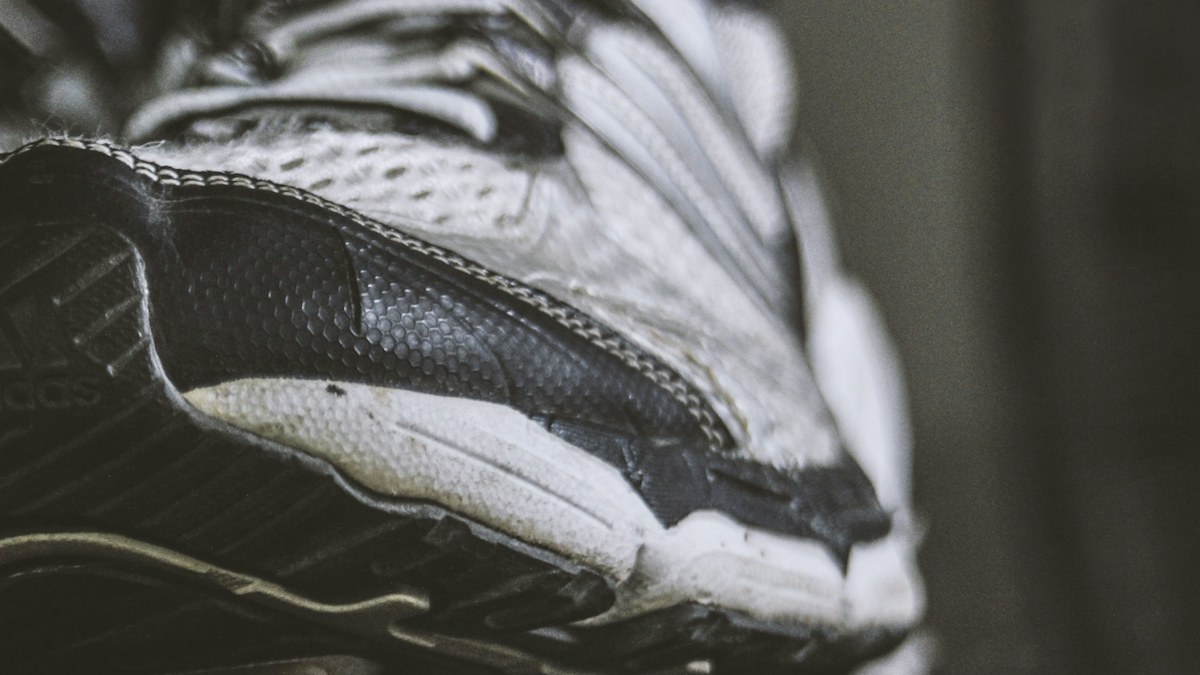
The midsole is the cushioning layer between your foot and the ground. Over time it can lose some of the response and consistency you noticed when the shoes were newer. Visible creases, uneven compression, or a sidewall that collapses unusually easily can be useful clues, although cosmetic creasing alone does not prove the shoe is finished.
Compare the pair during a route and pace you know well. Does one shoe feel flatter than the other? Has the ride changed in a way you can notice repeatedly, rather than during one unusually difficult run? Consider the condition of the outsole and upper alongside that impression. Replacing shoes solely because the foam looks a little different can waste a pair that still works.
Do not ignore the upper, heel lining, and toe box
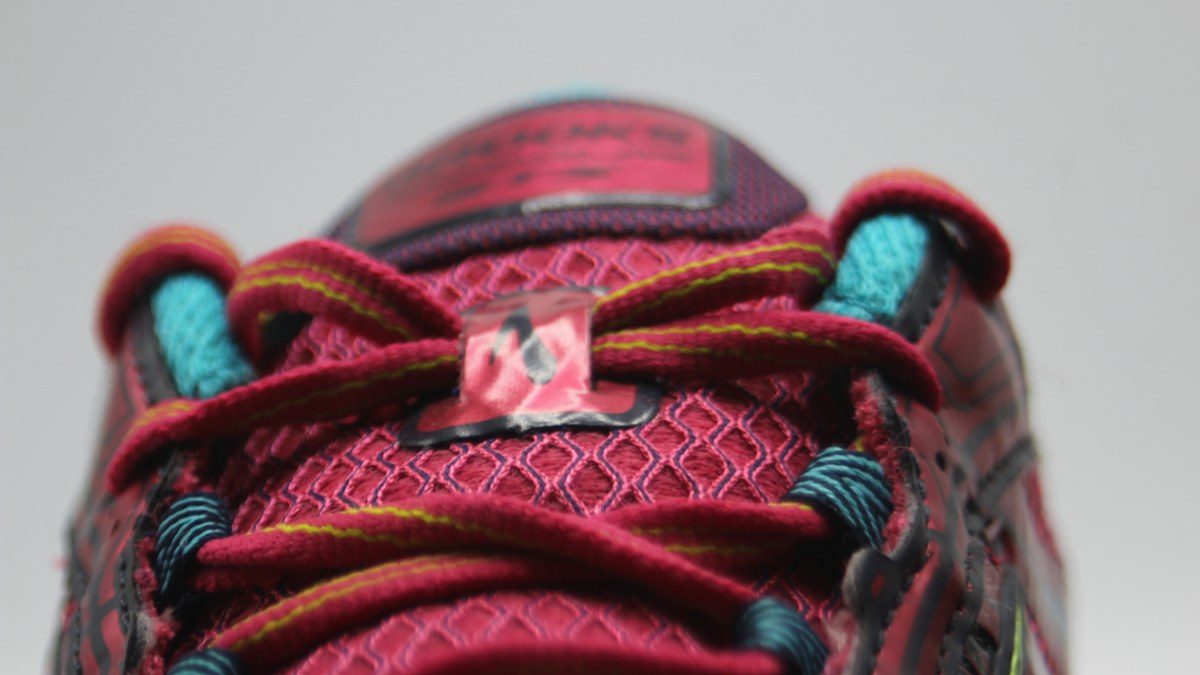
The fabric and structure above the sole help keep your foot in place. Inspect the toe box for holes, check the heel lining for heavy abrasion, and see whether the upper still holds its intended shape. Frayed fabric is not always a reason to discard shoes immediately, but a torn upper that no longer secures the foot is different from a small cosmetic mark.
Examine the heel counter as well. If the rear of the shoe has lost its structure or the heel slips in a pair that previously fit correctly, do not treat the problem as an inconvenience you must run through. You may need a replacement or a different fit, depending on what has changed.
Why your running surface changes shoe lifespan
Running on pavement, a treadmill, gravel, or trails places different demands on traction and materials. Rough ground can wear exposed rubber and uppers. Wet and gritty conditions can leave debris in the shoe. A runner who frequently changes surfaces may notice uneven wear or changes that do not match a standard mileage estimate.
Inspect the surfaces that take the most abuse rather than assuming mileage tells the whole story. Trail shoes need suitable grip for their intended terrain, while road shoes should still feel stable on the surfaces where you normally run. A pair can remain comfortable on an easy dry route yet be a poor choice once its traction is too worn for wet conditions.
How running frequency affects replacement timing
A runner covering a few miles each week will usually accumulate mileage more slowly than someone training for a long race. That is why a fixed calendar replacement date is less useful than an actual record of use. Several months might represent light recreational use for one man and an intense training block for another.
Walking, commuting, and wearing your running shoes throughout the workday also add use that a running app will not record. Brooks notes that daily walking and work use place sustained pressure on shoe materials. If you wear your trainers everywhere, the distance recorded on your runs may understate how much wear they have received.
Comfort is information, but it is not a diagnosis
A shoe that once felt comfortable may start to feel flat or unstable. If that change appears consistently with one older pair and not with another familiar pair, inspect the shoe and consider whether it has reached the end of its useful running life.
Do not assume that every new ache comes from worn shoes. Training load, terrain, recovery, changes in technique, and other physical issues may be involved. A new purchase will not correct a training plan that has become too aggressive. If pain persists, worsens, comes with swelling, or changes your gait, seek an appropriate medical assessment instead of repeatedly changing footwear.
How to compare an old pair with a newer one
If you own two suitable pairs, wear them on separate easy runs under reasonably similar conditions. Notice the fit, stability, traction, and overall ride without forcing yourself to search for a problem. The comparison should help you identify a consistent difference, not convince you that the older shoes are bad simply because they are older.
A newer pair may feel unfamiliar during its first outings, so allow for normal adaptation. If the old pair still feels good and passes a physical inspection, it may have more life left. If the same old pair repeatedly feels harsh or unstable and shows substantial structural wear, the combined evidence is more useful than mileage alone.
When a change in fit means the shoes need attention
Running shoes should hold the heel securely and leave enough room for your toes to move without being crushed. If the upper has stretched badly, the heel lining has worn through, or the shoe slips during normal movement, do not try to solve everything by pulling the laces tighter.
Sometimes the problem is not age at all. A shoe may have been the wrong size or shape from the beginning. Our guide to buying running shoes that fit your stride
Do you need to replace both shoes at the same time?
In ordinary use, yes. Running shoes are designed and worn as a pair, and one foot may place different demands on its shoe than the other. Even if only one outsole looks badly worn, keeping an old shoe on one foot and introducing a new one on the other can create an inconsistent feel underfoot.
If wear is heavily uneven, consider what it tells you before buying another identical pair. A trained footwear specialist may help assess fit and the wear pattern. Do not turn sole wear into a self diagnosis about your gait, posture, or a supposed injury risk.
Do expensive running shoes last longer?
Price alone is not a reliable estimate of lifespan. Different models prioritize different combinations of cushioning, weight, grip, responsiveness, and stability. A lighter shoe built for a particular purpose is not automatically more durable because it costs more, and an everyday trainer is not necessarily inferior because it is less expensive.
Buy for fit and intended use first. Consider the manufacturer’s care guidance and the kinds of surfaces you run on. The useful measure of value is whether a pair supports your running comfortably for its intended lifespan, not whether its price creates an expectation that it should last indefinitely.
Can rotating two pairs make them last longer?
Rotation can distribute your use between two pairs, giving each one time to dry between runs and reducing the rate at which mileage accumulates on either individual pair. It is especially practical if you run frequently or regularly get your shoes wet.
Rotation does not erase wear or double the combined lifespan by magic. You still need to track or estimate the miles on each pair and inspect them independently. A second pair is worthwhile when it has a real use, not because you feel obliged to own every shoe category. Our guide to a sensible shoe rotation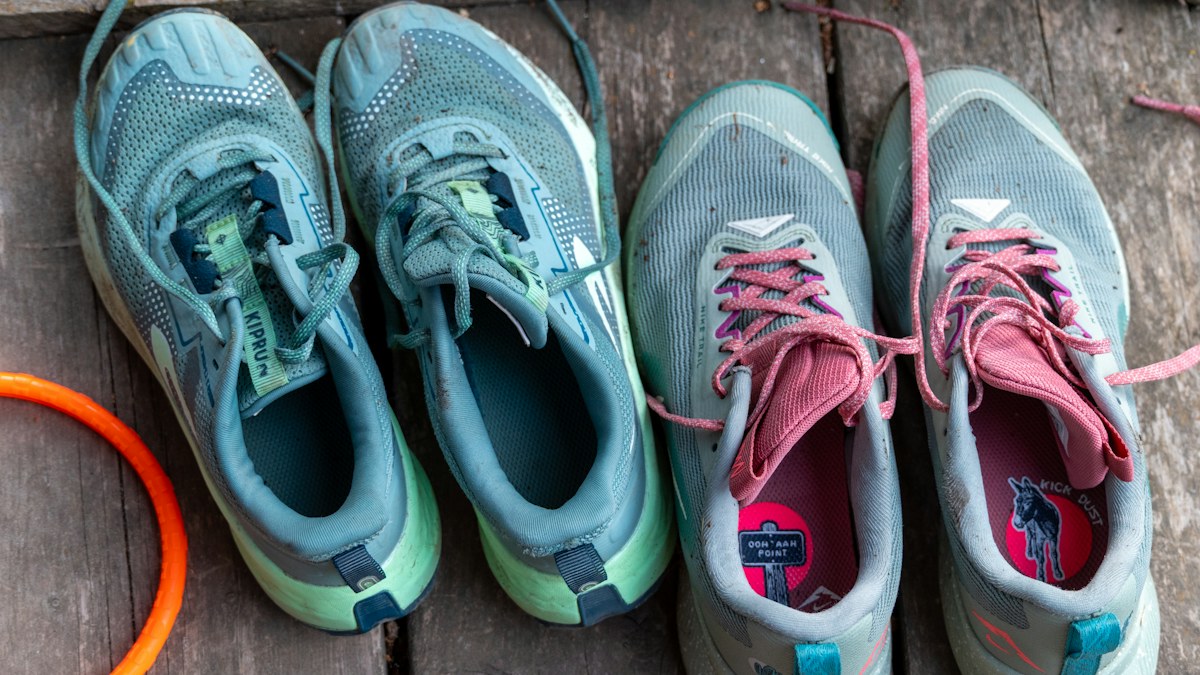
How to track mileage without turning it into another chore
Record the date you start running in a new pair and assign the shoe to your normal running app if the feature is available. If not, a simple note with your approximate weekly distance is enough. Precision is useful, but there is little benefit in spending more time maintaining a shoe spreadsheet than actually checking your shoes.
Make a quick physical inspection part of your routine every few weeks. If you run different routes or train for races, note which pair you use most often. Approaching the manufacturer’s typical mileage range is a reason to pay closer attention and plan ahead, not an instruction to throw out a shoe that remains sound.
Can you keep using old running shoes for walking?
Possibly, if the pair is still comfortable, structurally intact, and has suitable traction for the intended use. Shoes that are no longer your preferred option for regular running may still work for light everyday activities. That decision depends on why you retired them.
A pair with a separating sole, poor grip, or a badly damaged upper is not made safe by changing the activity. Do not keep unsafe shoes for walking just to avoid discarding them. If they are no longer serviceable, investigate appropriate local textile or footwear recycling options rather than passing the problem on to someone else.
How to care for running shoes between runs
Remove loose dirt using a gentle method appropriate for the materials. Let shoes dry in a ventilated area after a wet run and avoid strong direct heat. Do not assume that a washing machine is suitable for every model. ASICS recommends following the shoes’ care instructions and spot cleaning rather than machine washing its running shoes.
Give wet shoes enough time to dry before storing them. Inspect laces, insoles, and the inside of the heel as well as the visible outer surface. Cleaning cannot reverse compressed cushioning, but sensible care helps you see the actual condition of a pair instead of mistaking a layer of dirt for wear.
When to replace the shoes before the mileage target
Do not wait for 300 miles if the shoe is already losing grip, the upper is torn enough to affect fit, or the midsole and sole are visibly compromised. A defective or poorly fitting pair does not become suitable simply because its mileage is low.
Likewise, a shoe that has been stored for a long time deserves inspection before it returns to regular use. Adhesives and other materials can deteriorate even when the tread has not worn down through running. Assess its structure rather than assuming an unused pair is automatically as sound as it was when purchased.
A practical replacement checklist
Look at four things together before deciding a pair is finished:
- How many miles the pair has covered
- Whether the outsole still has suitable grip
- Whether the cushioning and structure still feel consistent
- Whether the upper still holds your foot securely
If several of those signs point in the same direction, start choosing a replacement before the shoes fail during a run.
A sensible replacement decision is made from repeated evidence, not anxiety about a number. If the shoes are in good condition and perform as intended, keep monitoring them. If they show meaningful wear, replace them even when the tracking app says they should have more miles left.
The Modern Men HQ standard
Use 300 to 500 miles as a planning range and a reason to inspect your shoes more carefully. Let outsole wear, midsole condition, fit, and consistent changes in ride quality determine the actual replacement point. Keep the focus on comfort, traction, and reliable performance rather than an arbitrary date.
Good equipment supports a sustainable running routine, but it does not replace sensible training and recovery. If you are reconsidering your weekly training load, our guide to rest days and active recovery
Frequently Asked Questions
Can replacing the insoles extend the life of running shoes?
New insoles may improve how the inside of a suitable shoe feels, but they cannot restore a compressed midsole, worn outsole, or damaged upper. Inspect the entire shoe before treating an insole change as a replacement for new footwear.
Do treadmill miles count toward running shoe wear?
Yes. The shoe still cushions and supports your foot during treadmill running, even though wear patterns may differ from outdoor routes. Include those runs when estimating mileage and continue to inspect the actual shoe.
Should you switch to brand new shoes on race day?
Ideally, try a new pair during training first so you know how it fits and performs at your intended pace. If your current pair is worn, replace it early enough to test the new shoes before an important event.
Do carbon plated racing shoes last as long as daily trainers?
Not necessarily. Their materials, construction, and intended use differ by model. Follow the specific manufacturer’s guidance and assess cushioning, grip, and structural wear rather than assuming the usual training shoe range applies.
Sources and further reading
Brooks Running: When is it time to replace my shoes? provides the manufacturer’s mileage guidance and wear indicators. ASICS: How often do you need to replace running shoes? and ASICS: How running shoes wear over time provide additional guidance on tread, fit, cushioning, and maintenance.