Home blood pressure readings can be useful. They can also be misleading if you take them in a rush, use the wrong cuff, sit badly, talk during the measurement, or judge your health from one unusually high number.
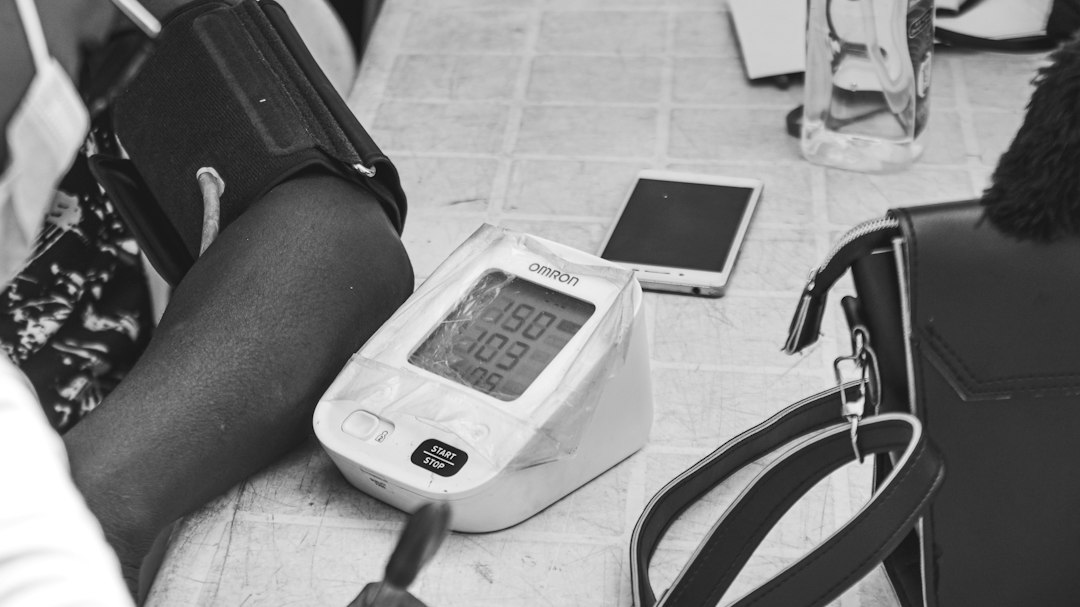
That is why technique matters. The goal is not to produce the lowest possible reading. It is to collect numbers that reflect what your blood pressure is actually doing under consistent conditions.
Why Home Blood Pressure Monitoring Can Be Useful
Blood pressure changes throughout the day. Stress, exercise, caffeine, nicotine, pain, sleep, medication timing, and even a full bladder can affect it. A reading in a clinic is useful, but it is still one moment.
Home monitoring can provide a broader pattern. That is particularly helpful when a clinician wants to know whether readings are consistently elevated or whether the office environment may be influencing them. It can also help people who are already being treated understand how their readings respond over time.
But home monitoring only becomes useful when the measurements are reasonably consistent.
Use a Validated Upper Arm Cuff
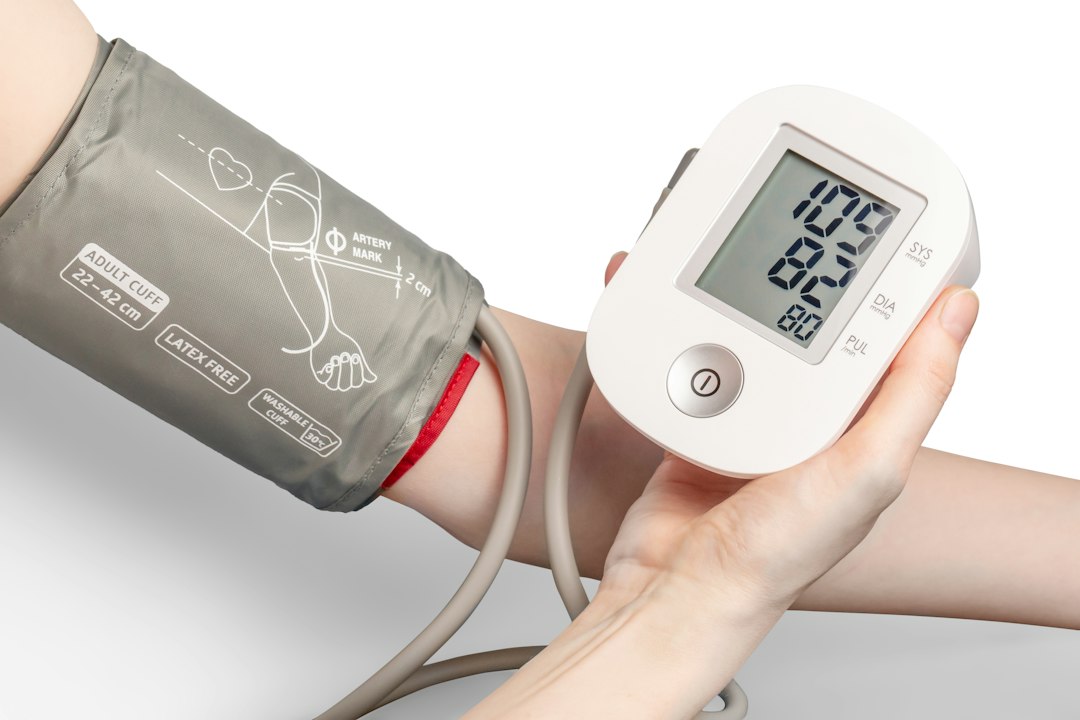
An automatic upper arm monitor is usually the practical choice for home use. The cuff goes around the upper arm, not the wrist or finger. Wrist monitors can be useful in some circumstances, but they are more sensitive to positioning.
Whatever device you choose, check that it has been validated for accuracy. The cuff size matters too. A cuff that is too small can give inaccurate readings.
A cuff that is too large can also create problems. Measure the circumference of your upper arm and follow the manufacturer’s sizing instructions. Do not assume the cuff included in the box fits everyone.
Sit Quietly Before You Measure
Do not walk in from the parking lot, sit down, press the button, and treat the number as your baseline. Give yourself at least a few quiet minutes. Sit in a chair with back support.
Keep both feet flat on the floor. Do not cross your legs. Rest the arm comfortably.
Avoid talking. You are trying to reduce temporary factors that can push the reading away from your usual resting level.
Put the Cuff on Bare Skin
Do not put the cuff over a thick sleeve. Roll the sleeve up or remove the garment if necessary. The lower edge of the cuff should sit above the elbow according to the device instructions.
The tubing should be positioned as directed by the manufacturer. The arm should be supported roughly at heart level. If the arm hangs down, the reading can shift.
If you hold the arm up using muscle tension, that also changes the conditions. Use a table, armrest, or pillow so the arm can relax.
Avoid Common Triggers Before the Reading
Exercise can temporarily affect blood pressure. So can caffeine and nicotine. If you are collecting routine resting readings, avoid measuring immediately after a workout, coffee, cigarette, or stressful argument.
Give your body time to settle. You should also empty your bladder first. A surprisingly simple factor like needing to urinate can affect a reading.
The more consistent the setup, the more useful the trend becomes.
Take More Than One Reading
One number is not a trend. Take two readings separated by about a minute when you are monitoring at home. If they are very different, a third may help.
Record the readings rather than relying on memory. Some monitors automatically store them. You can also use a notebook or phone note.
The purpose is to see the pattern over days, not to obsess over every individual change.
Measure at Similar Times
Morning and evening readings are commonly used because they give a repeatable structure. If your clinician gave you specific timing instructions, follow those. Medication timing may also matter.
For example, a clinician may want to see readings before a dose, after a dose, or at another consistent point. Do not randomly measure ten times a day because one number made you anxious. That often creates more noise than useful information.
Do Not Chase a Better Number
This is one of the most common mistakes. You see a high reading. You immediately retake it.
Then again. Then again. Eventually one number is lower, and that is the one you decide “counts.”
That defeats the point. If a reading is unexpectedly high, sit quietly and repeat it correctly. Record what happened.
If you were stressed, in pain, or had just consumed caffeine, note that too. Do not selectively keep the most reassuring result. Your log should describe reality, not win an argument with the machine.
Understand Systolic and Diastolic Pressure
A blood pressure reading contains two numbers. The top number is systolic pressure. It reflects pressure in the arteries when the heart contracts.
The bottom number is diastolic pressure. It reflects pressure when the heart relaxes between beats. Both matter.
Do not focus on only one number because it happens to look better. Your clinician will interpret the pattern using both values and your overall health context.
Why One High Reading Does Not Diagnose Hypertension
Blood pressure is variable. Anxiety, lack of sleep, illness, pain, exercise, and other factors can temporarily raise it. Hypertension is generally diagnosed from a pattern, not one isolated home reading.
That is why repeated measurements under proper conditions matter. A single high reading should get your attention. It should not automatically make you assume the worst.
At the same time, repeatedly high readings should not be dismissed because you “feel fine.” High blood pressure often causes no obvious symptoms.
Know When a Reading Needs Urgent Attention

Very high blood pressure readings can require urgent medical attention, especially when they occur with symptoms such as chest pain, severe headache, shortness of breath, neurological symptoms, confusion, weakness, vision changes, or other acute problems. If you get a severely elevated reading, follow your clinician’s instructions or appropriate emergency guidance rather than trying to solve the number with supplements, breathing tricks, or repeated measurements for hours.
Home monitoring is a measurement tool. It is not emergency treatment.
What About White Coat Hypertension?
Some people have higher readings in a medical setting than they do at home. This is often called white coat hypertension. Home measurements or ambulatory blood pressure monitoring can help identify that pattern.
The opposite can happen too. Some people have normal readings in the clinic but higher readings outside it. That is one reason home data can be valuable when collected properly.
Do not use “white coat” as a self diagnosis every time an office reading is high. Let the pattern show it.
How to Create a Seven Day Blood Pressure Log

Choose a consistent morning and evening window. Sit quietly for five minutes. Take two readings about one minute apart.
Record both. Repeat for seven days unless your clinician gave you a different plan. Also note anything unusual.
Poor sleep. Illness. Pain.
Heavy alcohol use the night before. A missed medication. A stressful event.
Those details help explain outliers without giving you an excuse to delete them. At the end of the week, look at the overall pattern. Do not stare at the single highest number.
Do not stare at the single lowest number. Bring the log to your clinician if you are monitoring because of a health concern.
Should You Average Your Readings?
Averages can be useful because they reduce the importance of one unusual result. Some clinicians calculate a home blood pressure average over several days. Your monitor or health app may do this automatically.
The exact interpretation should still happen in context. Age, medications, kidney health, cardiovascular history, diabetes, and other factors can influence treatment decisions. A home average gives useful information.
It does not replace clinical judgment.
What If the Two Arms Give Different Readings?
A small difference can occur. When you first start monitoring, it can be useful to compare both arms under similar conditions. If one arm is consistently higher, a clinician may advise using that arm for future measurements.
A large persistent difference deserves discussion with a healthcare professional. Do not keep switching arms randomly every day if your goal is tracking a trend. Consistency matters.
Can a Smartwatch Measure Blood Pressure Accurately?
Some wearable devices estimate blood pressure or offer related features. Technology is improving, but not every wearable is validated as a replacement for a standard upper arm monitor. If blood pressure monitoring affects medical decisions, use a validated device and follow professional guidance.
Convenience is useful. Accuracy matters more.
Do Supplements Lower Blood Pressure?
If you are looking at commercial blood-pressure programs, our Blood Pressure Exercises review shows why relaxation support should not be confused with hypertension treatment.
Some ingredients have been studied for cardiovascular support, but supplements should not replace prescribed treatment or lifestyle changes when someone has hypertension. The evidence varies by ingredient and dose. Supplements can also interact with medication.
If you are taking something marketed for blood pressure, tell your clinician. The useful question is not whether a product sounds natural. It is whether it is appropriate for your specific health situation.
Lifestyle Still Matters
Regular activity is one part of that picture. Our Cardio Fitness After 40 guide gives you several lower-impact ways to build it.
Home monitoring is information. It is not the intervention itself. Regular physical activity, a balanced diet, healthy body weight, lower sodium intake when appropriate, moderated alcohol use, not smoking, good sleep, and medication adherence can all matter for blood pressure.
If your readings are consistently high, improving the underlying factors matters more than becoming better at measuring them.
Frequently Asked Questions
How often should I check blood pressure at home?
It depends on why you are monitoring. Some people only need occasional checks, while others may be asked to record morning and evening readings for several days.
Should I take my blood pressure immediately after waking?
You can measure in the morning, but sit quietly first and follow any medication timing instructions from your clinician.
Which arm should I use?
Use the arm recommended by your clinician. If you are starting from scratch, comparing both arms initially can help identify whether one consistently reads higher.
Why does my second reading usually look lower?
The body may relax after the first measurement. That is one reason taking two readings can be useful.
Can anxiety raise blood pressure?
Yes. Stress and anxiety can temporarily affect readings.
Should I stop my medication if home readings look normal?
No. Normal readings may mean the medication is working. Never stop prescribed blood pressure treatment without discussing it with your clinician.
The Bottom Line
Home blood pressure monitoring is useful when the technique is boringly consistent. Use a validated upper arm cuff. Sit quietly.
Support your back and arm. Keep both feet on the floor. Avoid measuring immediately after caffeine, nicotine, or exercise.
Take two readings. Record the pattern. Most importantly, do not manipulate the process until you get the number you wanted.
The point is to learn what your blood pressure is doing, not to beat the monitor. Sources reviewed for this article: American Heart Association home blood pressure monitoring guidance and CDC blood pressure information.