Running is useful. It is also not mandatory.

If you are over 40 and want better cardiovascular fitness, you can build it with walking, cycling, swimming, rowing, incline treadmill work, hiking, and other forms of steady movement. The bigger goal is not becoming a runner. It is building a heart and lungs that can support the life you want to live.
Why Cardio Matters More After 40
Cardio helps maintain work capacity. That means you can walk farther, climb stairs more comfortably, recover between strength sets, travel without feeling exhausted, and handle longer days without your body becoming the limiting factor. It also supports cardiovascular health and complements strength training.
A good program does not need to dominate your week. Two or three deliberate cardio sessions plus regular walking can make a meaningful difference.
Start With the Activity You Will Actually Repeat
The best cardio mode is not the one that burns the most calories in a chart. It is the one you can do consistently. Walking is the easiest starting point for most men because it requires no special equipment.
Cycling works well if you want more intensity without much impact. Swimming is useful if you enjoy the water. Rowing can challenge the whole body.
Incline treadmill walking can raise heart rate quickly without requiring running speed. Pick one primary mode for the first month. You can add variety later.
Use Walking as the Base
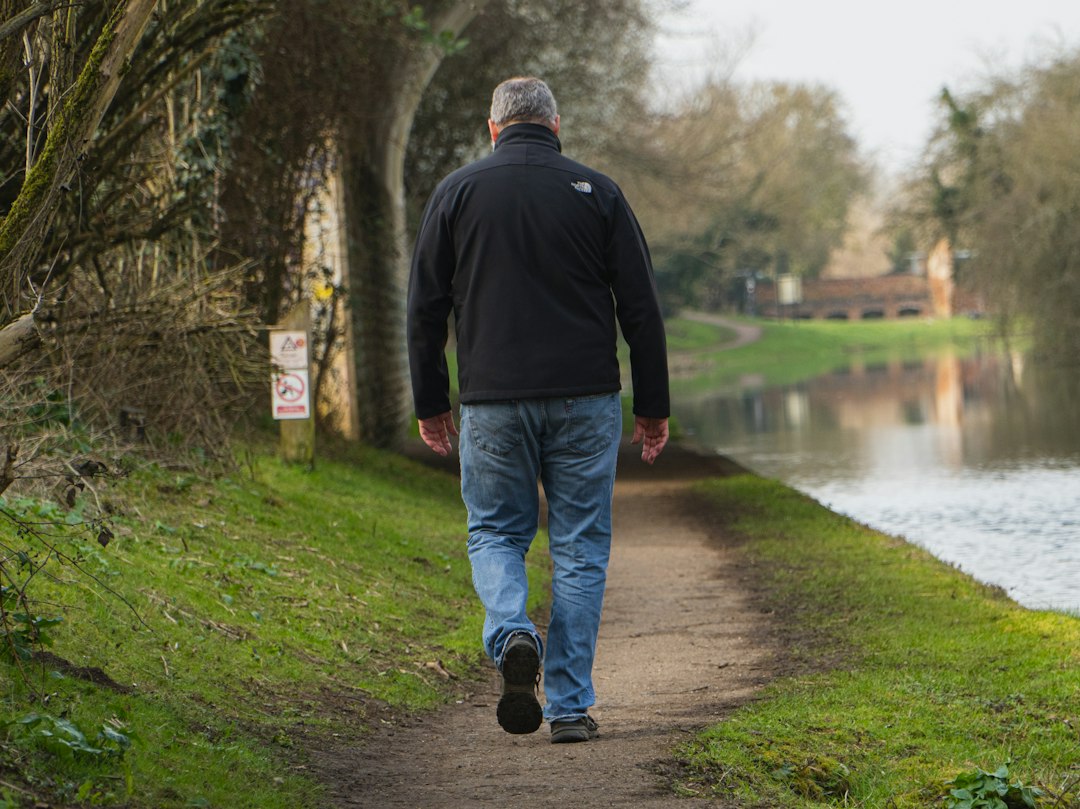
Walking is underrated because it feels too simple. That is exactly why it works. You can recover from it quickly.
You can do it almost anywhere. You can add time without creating the same soreness that harder training can produce. Start with 20 to 30 minutes at a purposeful pace.
You should feel like you are exercising, not wandering through a store. If that feels easy after two weeks, increase the duration or add hills.
Zone 2 Does Not Need to Become Complicated
If you want the direct comparison, see Zone 2 Versus HIIT: Which Cardio Actually Fits Your Week?.
You may hear the term Zone 2 used in fitness conversations. The exact definition varies by testing method. For practical training, think of it as steady aerobic work where breathing is elevated but controlled.
You can still speak in short sentences. You are working, but you are not fighting to maintain the pace. This level of effort is useful because you can accumulate enough time to improve aerobic capacity without turning every session into a recovery problem.
You do not need a lactate meter. Use heart rate data if you enjoy it, but do not let the device become the workout.
How Long Should Cardio Sessions Be?
Thirty minutes is a useful target. That does not mean shorter sessions are worthless. Ten to twenty minutes can still be useful when you are rebuilding the habit.
Longer sessions can be added once your base improves. A simple progression might look like this: Week 1: Two 20 minute sessions.
Week 2: Two 25 minute sessions. Week 3: Three 25 minute sessions. Week 4: Two 30 minute sessions plus one 20 minute easy session.
That is enough to create momentum without turning your schedule upside down.
When to Add Intervals
Intervals are useful after you have a basic aerobic base. They teach you to tolerate higher intensity and recover from it. You do not need to sprint.
On a bike, rower, or incline treadmill, try one minute hard followed by two minutes easy. Repeat four to six times. The hard interval should feel challenging but controlled.
You should finish feeling like you trained, not like you survived something. One interval session per week is enough for many men.
Cycling Is Excellent for Men Who Hate Running
Cycling lets you control intensity precisely. You can use a stationary bike at home or in the gym. Outdoor cycling adds variety but also brings traffic, weather, and handling into the equation.
Start easy. Use a cadence that feels natural. Avoid grinding a huge gear simply because you want the workout to feel hard.
Increase resistance gradually. The goal is building capacity, not proving your knees can tolerate bad bike setup.
Swimming Works When You Like the Skill Side

Swimming is different because technique affects how hard it feels. A strong swimmer can cover distance efficiently. A beginner may feel exhausted after one length because breathing and coordination are unfamiliar.
That is normal. Use short repeats. Swim one or two lengths, rest, then repeat.
Pool walking is another option if lap swimming does not appeal to you. You can build an aerobic session without needing perfect stroke mechanics.
Rowing Gives You a Full Body Option
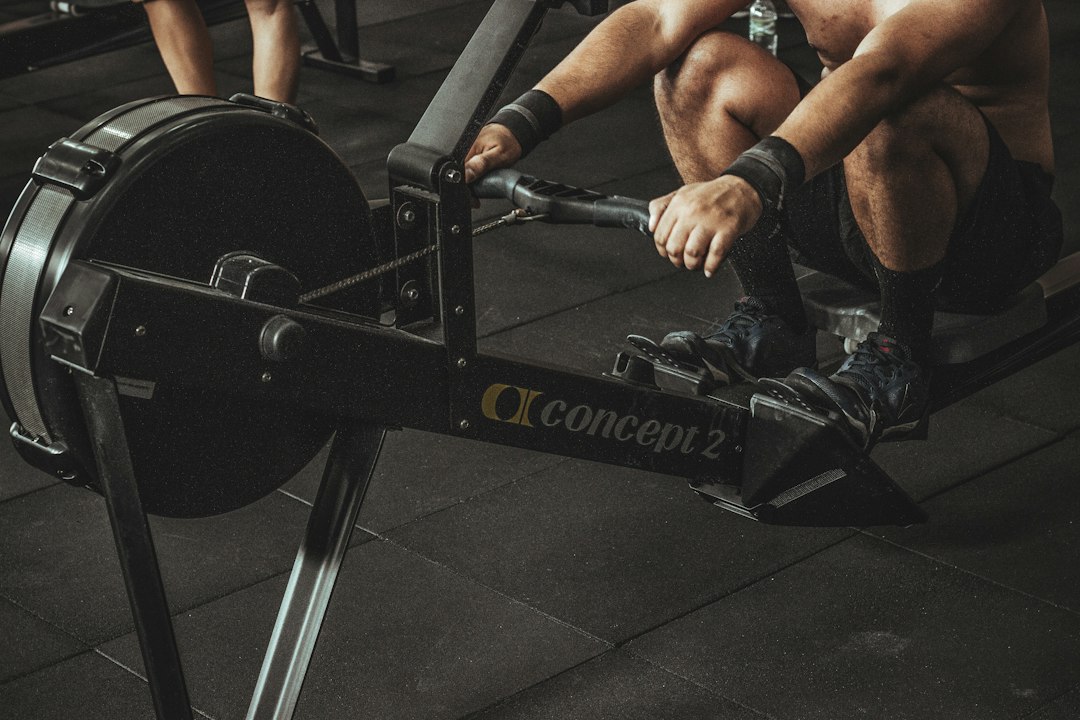
The rowing machine is effective because it uses both the upper and lower body. The problem is that many people row with poor technique and turn every stroke into a lower back exercise. Learn the sequence.
Push with the legs. Open the hips. Finish with the arms.
Reverse the order on the way back. Keep the resistance moderate while learning. Good technique lets you work harder later.
Cardio Should Support Strength Training, Not Compete With It
Recovery still matters when you combine both. Our Rest Day vs Active Recovery guide covers the days between harder sessions.
If strength is a priority, place hard cardio intelligently. Do not do a brutal interval session the night before heavy leg training and then wonder why the squats feel terrible. Easy cardio can fit almost anywhere.
Harder sessions need more thought. A practical week could look like this: Monday: Strength.
Tuesday: 30 minute brisk walk or bike. Wednesday: Strength. Thursday: Easy walk.
Friday: Strength. Saturday: Longer aerobic session or intervals. Sunday: Easy movement.
You can adjust the days. The principle is separating the hardest leg demands enough that quality stays high.
Use the Talk Test
You do not need perfect heart rate zones. Use breathing. Easy effort: conversation feels normal.
Moderate effort: you can speak in sentences but know you are exercising. Hard effort: you can only speak a few words at a time. Most weekly cardio should not feel hard.
That is the mistake many men make. They only count cardio when it hurts. Then they avoid it because every session feels miserable.
Build the base with controlled work. Save high intensity for a smaller part of the week.
Progress One Variable at a Time
Do not increase duration, frequency, and intensity in the same week. Add time first. Then add a third session.
Then add a small amount of intensity. This keeps the program easier to recover from. For example, if you currently cycle twice per week for 20 minutes, move to 25 minutes before adding hard intervals.
A boring progression works because your body has time to adapt.
How to Know Your Cardio Is Improving
Use real world signs. The same route feels easier. You recover faster after a hill.
Your heart rate at a familiar pace trends lower. You can cycle longer at the same resistance. You recover between strength sets more quickly.
Stairs no longer feel like an event. Those are useful improvements. Do not reduce cardio progress to calories burned.
That number is one of the least interesting things about getting fitter.
What About Weight Loss?
If the scale has stopped moving, use the weight loss plateau checklist before piling on more cardio.
Cardio can help increase energy expenditure. But it does not automatically create weight loss. Food intake still matters.
If you add exercise and become hungrier, you can easily eat back the extra energy without realizing it. That is not a reason to skip cardio. It is a reason to keep nutrition and training as separate pieces of the same system.
Use cardio to improve fitness. Use diet to manage calorie intake. Let the overlap help rather than expecting one to do everything.
How to Keep Cardio From Becoming Boring
Rotate the environment before you rotate the entire program. Walk a different route. Use the bike outside on weekends.
Switch one treadmill session for a rower. Listen to a podcast during easy work. Keep the training purpose the same while changing the setting.
That gives you enough variety to stay engaged without constantly resetting the progression.
Frequently Asked Questions
Do I need to run to improve cardiovascular fitness?
No. Walking, cycling, swimming, rowing, hiking, and other activities can all improve aerobic fitness.
How often should I do cardio?
Two to four sessions per week works well for many people, depending on duration, intensity, and other training.
Is walking enough?
Walking can build a strong base, especially when the pace and duration are progressed.
Should I do cardio before or after lifting?
If strength is the priority, lift first. Easy cardio after lifting is usually fine.
Are intervals necessary?
No. They are useful, but steady aerobic work can still improve fitness.
How hard should cardio feel?
Most sessions should feel controlled rather than maximal.
The Bottom Line
You do not need to become a runner after 40. You need a repeatable aerobic plan. Walk briskly.
Cycle. Swim. Row.
Use hills. Add intervals when your base is ready. Keep most sessions controlled and progress gradually.
Cardio works best when it supports the rest of your life instead of becoming another activity you dread.