A weight loss plateau does not automatically mean your diet has stopped working. It usually means the relationship between your current calorie intake and your current energy needs has changed, your adherence has changed, or short term water fluctuations are hiding progress.
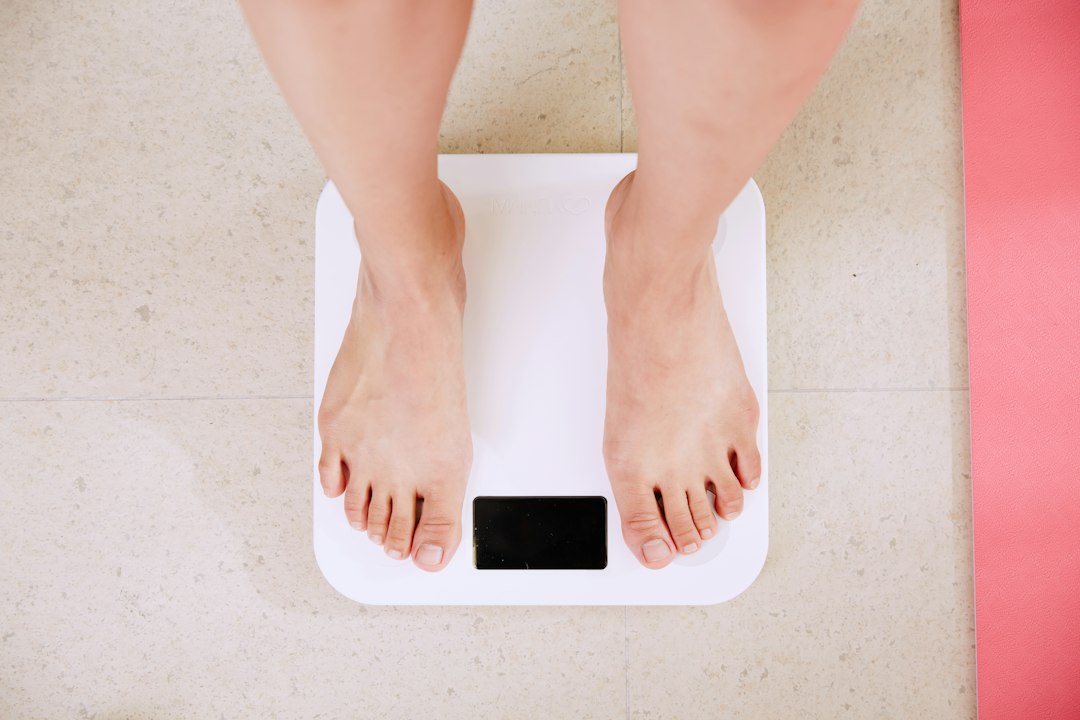
The worst response is often immediate panic. You cut food aggressively, add exhausting cardio, and create a plan that is harder to follow than the one that got you this far. Before reducing calories again, check the system.
Make Sure It Is Actually a Plateau
Body weight is noisy. Water changes with sodium intake, carbohydrate intake, hard training, stress, digestion, alcohol, travel, and sleep. A few flat days are not a plateau.
Neither is one heavier morning. Use a rolling trend. Weigh under similar conditions when possible, such as in the morning after using the bathroom and before eating.
Then compare weekly averages. If the average has not moved for two to four weeks despite consistent adherence, you have more useful evidence that progress has slowed. The exact timeline depends on how quickly you were losing before and how much day to day fluctuation you have.
Why Weight Loss Naturally Slows
A smaller body generally requires less energy than a larger one. As you lose weight, total calorie needs can decline. The National Institute of Diabetes and Digestive and Kidney Diseases notes that metabolism slows during weight loss and that the body needs fewer calories at the new lower weight.
That does not mean your metabolism is “broken.” It means a calorie intake that created a deficit at a higher body weight may create a smaller deficit later. There can also be changes in appetite and spontaneous movement that make continued loss harder.
This is normal physiology, not proof that the laws of energy balance stopped applying.
Check Adherence Before Cutting Food

The first question is uncomfortable but useful: Are you still eating what you think you are eating? Portions can creep.
A tablespoon becomes two. Weekend meals get looser. Drinks stop being counted.
Snacks become bites. Restaurant meals become more frequent. None of this makes you dishonest.
Humans are simply poor at estimating intake. Spend one week tracking more carefully before changing the target. Use the same scale or measuring approach you used earlier.
Do not turn it into permanent obsession. Use it as an audit.
Look at Weekends Separately
Five controlled weekdays can be undone by two unstructured days. For example, a modest daily calorie deficit Monday through Friday can disappear after large restaurant meals, alcohol, desserts, and grazing on Saturday and Sunday. That does not mean you need a joyless weekend.
It means the week is one energy budget. If the scale trend is flat, calculate whether weekend intake has changed. You may find the plateau without touching weekday food.
Check Liquid Calories
Calories from drinks are easy to forget because they do not always create much fullness. Alcohol. Sweetened coffee.
Juice. Smoothies. Milk based drinks.
Regular soda. Energy drinks. A few hundred liquid calories can erase a modest deficit.
Again, the point is not banning every drink. It is knowing whether the intake changed. The easiest plateau fix may be changing one routine beverage rather than removing another full meal.
Are You Moving Less Without Noticing?
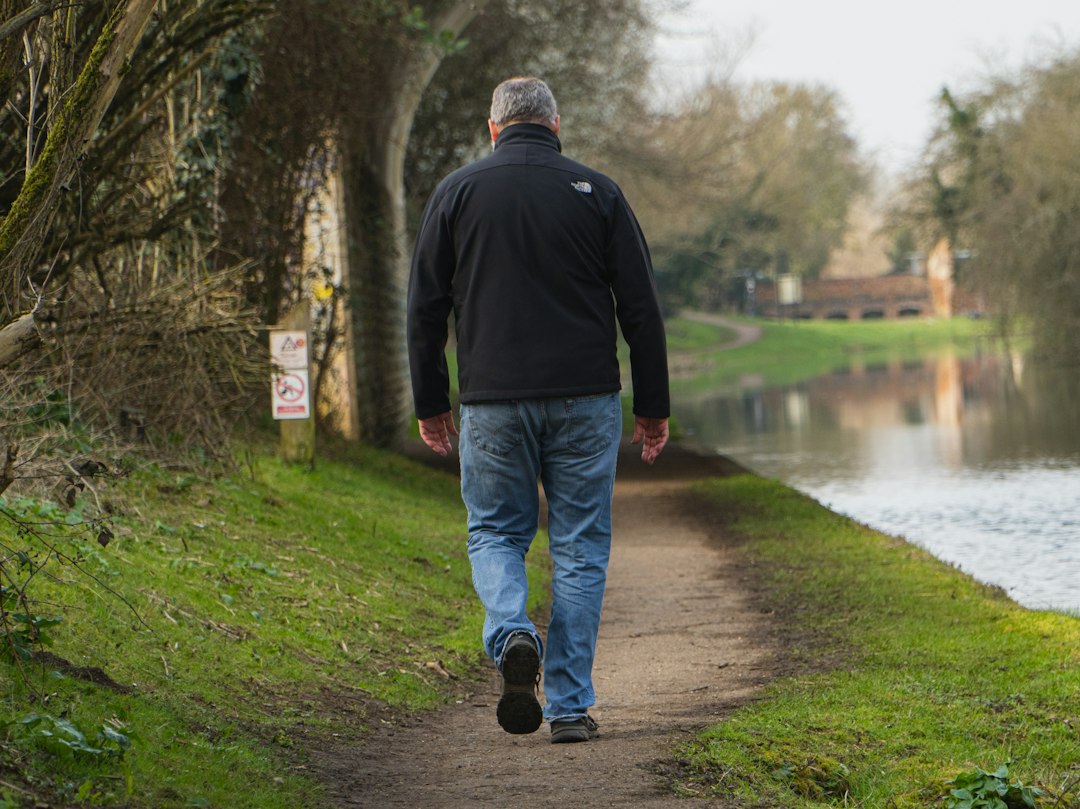
This is common. During a calorie deficit, some people naturally move less. You sit longer.
You take fewer spontaneous trips. You stop pacing. You feel less energetic.
Your formal gym sessions may be unchanged while total daily movement falls. Step count can be useful here. Not because 10,000 steps is magical.
Because it gives you a rough signal of whether daily activity has changed. If you averaged 8,500 steps early in the diet and now average 5,500, there is a meaningful difference. Restore movement before assuming food must drop again.
Keep Strength Training

A weight loss phase should not become endless cardio. Resistance training helps give your body a reason to retain muscle. You may not set personal records every week in a calorie deficit.
The goal is maintaining as much strength and training quality as practical. If your training has collapsed because food is too low, reducing calories further may make the system worse. Prioritize major movement patterns.
Keep enough intensity. Control volume. Recover.
Muscle preservation matters because scale weight is not the only outcome you care about.
Check Protein Intake
For the protein side of the equation, see How Much Protein Do Men Actually Need?.
Protein supports muscle retention and satiety. If your diet has gradually shifted toward lower protein convenience food, hunger may increase and training may suffer. Build meals around a meaningful protein source.
Lean meat. Fish. Eggs.
Greek yogurt. Cottage cheese. Beans.
Lentils. Tofu. Protein powder when convenient.
You do not need to eat nothing but protein. You do want enough across the day that the diet is easier to sustain.
Look at Sleep Before You Cut Another Meal
Poor sleep can make appetite and food decisions harder. It can also reduce training quality and daily movement. One bad night is not the cause of a month long plateau.
Chronic short sleep can make the entire process more difficult. If your diet has become stricter while bedtime has become later, fix the obvious contradiction. An extra hour of sleep may support adherence more effectively than removing another 200 calories.
Do Not Confuse a Training Water Increase With Fat Gain
Hard resistance training can increase temporary water retention. A new program. More leg volume.
Long hikes. High soreness. These can all change scale weight.
If waist measurements are improving and the training recently changed, give the trend time. This is one reason scale weight should not be the only metric. Use waist circumference, photos, clothing fit, and training performance as additional context.
Should You Take a Diet Break?
Sometimes a maintenance phase is useful. A diet break means temporarily eating around estimated maintenance rather than continuing the deficit. It can provide psychological relief and may improve training and adherence.
It is not a magical metabolic reset. You may see the scale rise temporarily because more carbohydrate and food volume increase glycogen, water, and digestive contents. That is not necessarily fat regain.
A maintenance phase can be especially useful after a long period of dieting, when motivation is low and the alternative is repeated binge and restrict cycles.
Do You Need More Cardio?
If you want to increase aerobic work without defaulting to running, our Cardio Fitness After 40 guide lays out a simple progression.
Maybe, but add it deliberately. If you currently do almost no aerobic activity, adding walking is the easiest starting point. If you already walk regularly, one or two moderate cardio sessions can increase weekly expenditure and fitness.
Do not respond to a plateau by adding daily high intensity intervals while also reducing calories sharply. That makes recovery harder. The best adjustment is usually the smallest one that restores progress.
When Should You Actually Reduce Calories?
After you have confirmed: The plateau is real. Tracking is reasonably accurate.
Weekend intake is accounted for. Daily movement is not falling. Protein and training are in place.
Sleep is not obviously collapsing. Then a modest calorie adjustment can make sense. You do not need a huge cut.
Removing around 100 to 250 calories per day may be enough depending on body size and the previous deficit. The exact change should fit the person. Larger aggressive cuts often create more hunger and reduce adherence.
What Should You Cut First?
Remove the calories that add the least value to your day. Liquid calories you do not care about. A snack you eat automatically.
Large amounts of cooking oil. A second serving you do not need. A high calorie condiment.
A routine dessert you barely enjoy. Keep protein and nutrient dense food intact where possible. The goal is not punishment.
It is creating the smallest useful adjustment.
What If You Are Already Eating Very Little?
Do not keep cutting indefinitely. If intake is already very low, energy is poor, training is deteriorating, hunger is extreme, or food obsession is increasing, get professional help before making the diet more restrictive. Men can develop disordered eating too.
A diet that technically creates weight loss but damages your relationship with food and training is not automatically successful. People with diabetes, eating disorder history, significant medical conditions, or weight affecting medications may need individualized guidance.
Plateau Troubleshooting Checklist
Has the weekly average been flat for at least two weeks? Are portions still accurate? Have weekends changed?
Are drinks accounted for? Has step count fallen? Are you still strength training?
Is protein consistent? Has sleep worsened? Did training volume increase recently?
Are waist measurements also flat? Answer those before changing calories.
Frequently Asked Questions
How long should a plateau last before I adjust?
A few days is too short. Two to four weeks of a genuinely flat average gives you more useful evidence.
Does starvation mode stop weight loss completely?
Metabolic adaptation and reduced energy needs are real, but they do not make energy balance irrelevant. The body can require fewer calories as weight decreases.
Should I eat more to break a plateau?
A maintenance period can help adherence and training, but simply adding calories is not a guaranteed way to restart fat loss.
Should I add more cardio or eat less?
Either can increase the energy deficit. Often the best first move is restoring daily walking and checking intake accuracy before making a large change.
Can muscle gain hide fat loss?
Yes, especially in newer lifters or people returning to training, although the size of the effect varies. Waist measurement and photos can add context.
Why did my weight jump after a high carbohydrate meal?
Carbohydrate storage increases glycogen and associated water, and more food in the digestive system also weighs something. One jump is not the same as immediate fat gain.
The Bottom Line
A plateau is a signal to audit the plan, not punish yourself. Confirm the trend. Check portions.
Look at weekends and drinks. Restore daily movement. Keep lifting.
Eat enough protein. Protect sleep. Then make the smallest calorie or activity adjustment that is likely to work.
Weight loss slows as your body changes. Your plan should adapt without becoming extreme. Sources reviewed for this article: National Institute of Diabetes and Digestive and Kidney Diseases guidance on weight loss, maintenance, eating, and physical activity.