Fiber is one of the least glamorous parts of a good diet. It does not have the status of protein, the marketing power of supplements, or the immediate appeal of caffeine.
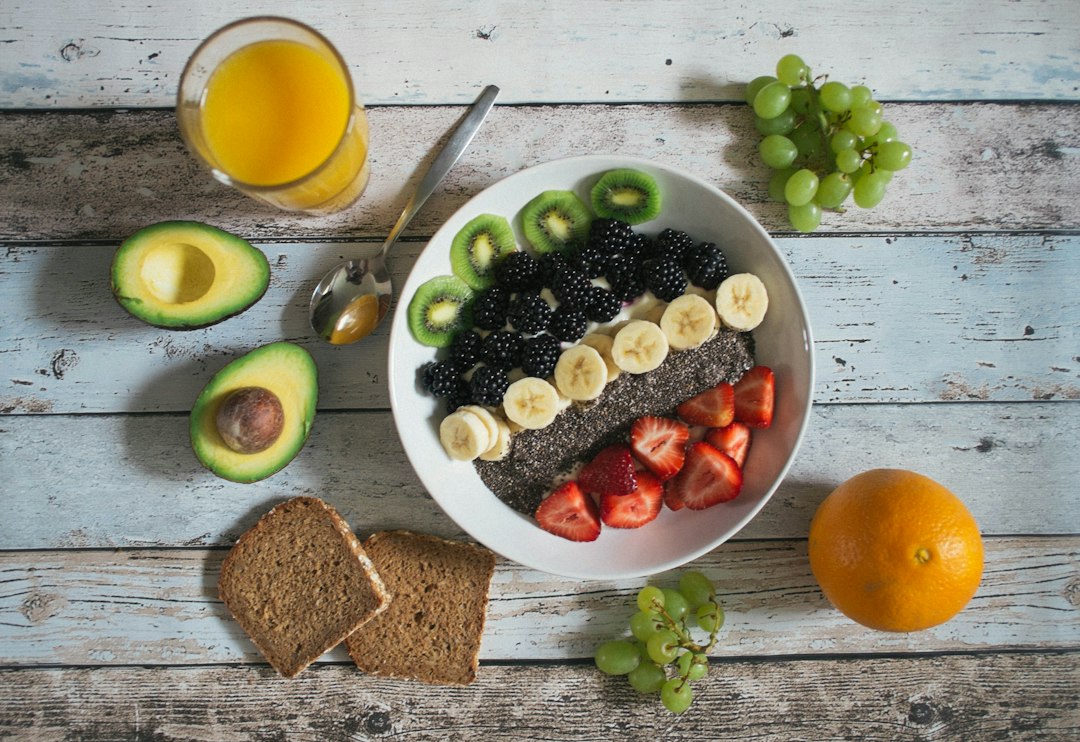
But fiber matters for digestion, fullness, cholesterol, blood sugar control, and the quality of the diet as a whole. Most men do not need a complicated fiber strategy. They need more plants on the plate, more whole foods in place of refined ones, and a gradual increase that does not turn every meal into a digestive experiment.
How Much Fiber Do Men Need?
Fiber is only one part of the nutrition picture. For the other major target men tend to track, see How Much Protein Do Men Actually Need?.
Fiber needs vary by age and total calorie intake. A common reference point is about 38 grams per day for men age 50 and younger and about 30 grams per day for men over 50. Those are useful targets, not numbers you need to hit perfectly every day.
If you are currently eating 12 grams, jumping straight to 38 grams overnight is not smart. Increase intake gradually. Your digestive system needs time to adjust, and more fiber works better when fluid intake is also adequate.
What Counts as Fiber?
Dietary fiber is the part of plant foods your digestive system does not fully break down. Different fibers behave differently. Some dissolve in water and form a gel like substance.
Others add bulk and move through the digestive tract more directly. You do not need to memorize every fiber category. Eating a variety of fruits, vegetables, beans, whole grains, nuts, seeds, and legumes naturally gives you a mix.
That variety is more useful than trying to build your entire intake around one powder.
Why Fiber Helps With Fullness
High fiber foods often take longer to chew and can add volume to meals. Many are also naturally lower in calorie density than heavily processed foods. That combination can make meals feel more substantial.
Fiber does not make calories disappear. But a bowl built around beans, vegetables, whole grains, and lean protein will usually feel different from a meal built around refined carbohydrates and low fiber snacks. This is one reason fiber can be useful when you are trying to control appetite without feeling like you are constantly eating less.
Fiber and Blood Sugar
Fiber can slow digestion and the absorption of carbohydrates. That can help reduce how quickly blood glucose rises after a meal. This does not mean fiber is a treatment for diabetes or that one high fiber food cancels out the rest of the diet.
It means carbohydrate quality matters. Whole fruit behaves differently from fruit juice. Beans behave differently from refined bread.
Oats behave differently from sugary cereal. For men managing diabetes or prediabetes, the overall meal pattern and medical plan matter more than any single food.
Fiber and Cholesterol
Soluble fiber can help lower LDL cholesterol by affecting how bile acids and cholesterol are handled in the digestive system. Foods such as oats, barley, beans, lentils, apples, citrus fruit, and certain seeds contain useful amounts. Again, you do not need to build a diet around one “cholesterol lowering” ingredient.
Regularly eating more whole plant foods does more than adding a teaspoon of one trendy fiber to an otherwise low quality diet.
The Easiest High Fiber Foods to Add

Beans are one of the most efficient choices. A serving can contribute a meaningful amount of fiber while also adding protein and minerals. Lentils are similar and often cook faster.
Oats are easy at breakfast and work well with berries, chia seeds, or nuts. Berries are unusually fiber rich for fruit. Pears and apples are practical because they travel well.
Potatoes with the skin, sweet potatoes, broccoli, peas, carrots, and leafy vegetables all contribute. Nuts and seeds add smaller amounts but work well as toppings or snacks. Whole grain bread, brown rice, barley, and other intact grains can replace lower fiber refined options.
How to Get More Fiber at Breakfast

Breakfast is one of the easiest places to start. Use oats instead of a low fiber cereal. Add berries.
Add chia or ground flax. Choose whole grain toast. Include fruit on the side.
If you eat eggs, you do not have to replace them. Pair them with vegetables, beans, fruit, or whole grain toast. A higher fiber breakfast does not need to become a giant bowl of seeds. One or two deliberate additions are enough.
How to Get More Fiber at Lunch
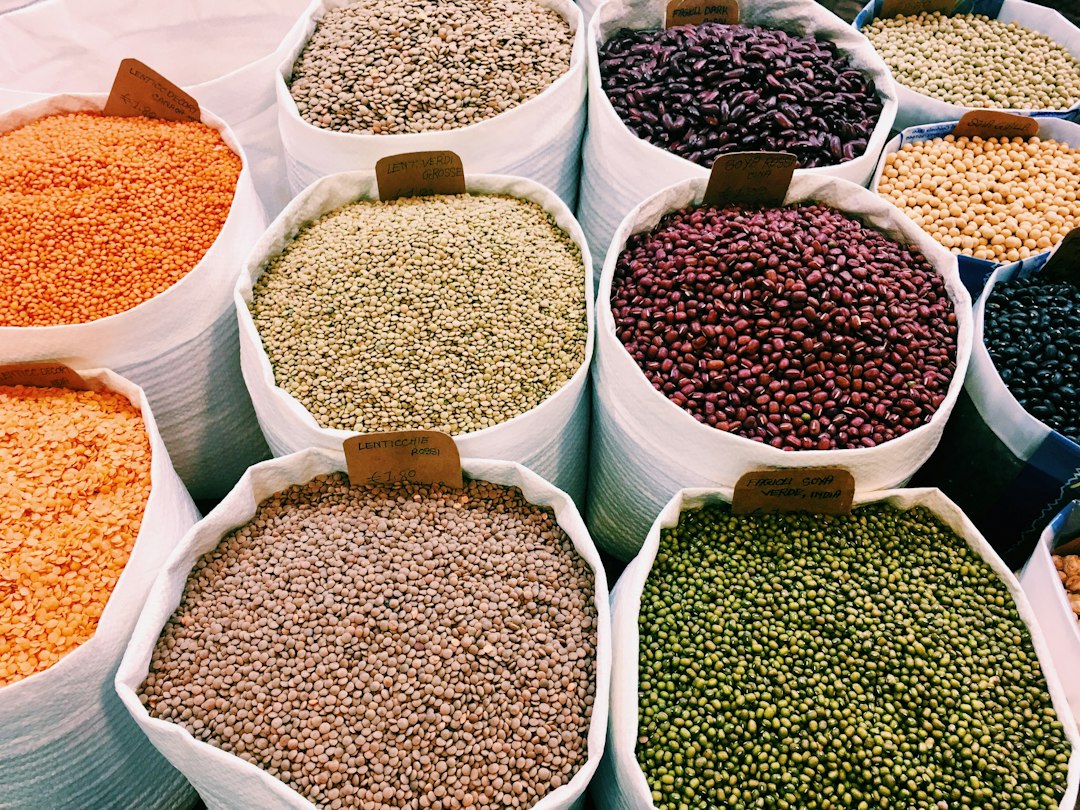
Use a simple formula. Protein, vegetables, a high fiber carbohydrate, and something for flavor. Chicken with a large salad and beans.
Tuna with whole grain bread and fruit. Rice with lean meat and vegetables, then add lentils or beans. A burrito bowl with black beans, vegetables, salsa, and a reasonable portion of rice.
The easiest improvement is often adding beans or doubling the vegetables rather than redesigning the whole meal.
How to Get More Fiber at Dinner
Dinner is where many men eat the largest meal. That gives you room to build fiber in without making the plate feel small. Use vegetables as a real part of the meal rather than decoration.
Add potatoes with the skin. Use whole grains. Include lentils in soups, stews, or sauces.
Choose beans as a side dish. If dinner is pasta, add vegetables and use a whole grain version when you like it. If dinner is steak, pair it with roasted vegetables and potatoes instead of assuming meat alone makes the meal complete.
Fiber Friendly Snacks
Fruit is the easiest. Apples, pears, oranges, berries, and bananas all work. Nuts are another option, although they are calorie dense.
Popcorn can be a high volume whole grain snack when it is not buried under large amounts of butter or sugar. Vegetables with hummus provide fiber from both sides of the snack. Greek yogurt itself has little or no fiber, but adding berries, chia, or high fiber cereal changes that.
What About Fiber Supplements?
Fiber supplements can be useful. Psyllium is one of the better studied options and can help increase soluble fiber intake. But supplements are not a replacement for a diet with vegetables, fruit, legumes, and whole grains.
Whole foods provide vitamins, minerals, phytochemicals, water, and other nutrients along with the fiber. Use a supplement when it solves a specific problem. Do not let it become an excuse to keep the rest of the diet low in plants.
Increase Fiber Slowly
This matters. A sudden jump in fiber can cause gas, bloating, cramping, and changes in bowel habits. Add one high fiber food at a time.
Give your body several days to adjust. Increase fluid intake as needed. If beans cause problems, start with smaller portions and increase gradually.
Rinsing canned beans can also make them easier for some people to tolerate.
Do You Need to Track Fiber?
Not forever. Tracking for a few days can be useful if you have no idea where you stand. Once you understand which meals are low, you can use habits instead of numbers.
Fruit at breakfast. Beans or lentils most days. Vegetables at lunch and dinner.
Whole grains regularly. Nuts or seeds in sensible portions. That pattern can get you close without turning every meal into a spreadsheet.
When More Fiber Is Not Automatically Better
Very high fiber intake can cause digestive discomfort. It can also interfere with how some medications or supplements are absorbed if timing is poor. People with certain gastrointestinal conditions may need individualized advice.
If you have inflammatory bowel disease, a history of bowel obstruction, severe digestive symptoms, or a clinician has recommended a low fiber diet for a specific reason, generic high fiber advice may not apply. Context matters.
A Simple One Day High Fiber Example
If your wider goal is fat loss, our weight loss plateau guide explains what to change before simply eating less.
Breakfast: oats with berries, chia seeds, and Greek yogurt. Lunch: chicken or tofu bowl with brown rice, black beans, vegetables, and salsa. Snack: apple with a small handful of nuts.
Dinner: salmon or lean meat with roasted potatoes, broccoli, and a side salad. Dessert or evening snack: berries or fruit. You can reach a strong fiber intake without eating anything unusual.
The foods are ordinary. The difference is how consistently you include them.
Frequently Asked Questions
Can fiber help with constipation?
Yes, adequate fiber can support regular bowel movements, but increasing fiber too quickly can temporarily worsen bloating or discomfort.
Is fruit too high in sugar?
Whole fruit contains sugar, but it also contains fiber, water, vitamins, and other nutrients. Whole fruit is not the same as drinking fruit juice.
Do potatoes have fiber?
Yes, especially when eaten with the skin.
Are beans a good source of protein too?
Yes. Beans and lentils provide both fiber and plant protein.
Does meat contain fiber?
No. Fiber comes from plant foods.
Should I take psyllium every day?
It can be useful for some people, but the need depends on your diet and health context. Follow label directions and discuss regular use with a healthcare professional if you take medications or have digestive conditions.
The Bottom Line
Fiber is not complicated. Eat more beans, vegetables, fruit, whole grains, nuts, and seeds. Increase slowly.
Drink enough fluid. Use supplements only when they solve a real gap. The best fiber strategy is the one you can repeat without thinking about fiber all day.
Sources reviewed for this article: National Academies dietary fiber intake guidance; USDA Dietary Guidelines; Harvard Nutrition Source overview of fiber.