Morning energy problems often get treated as a coffee problem.
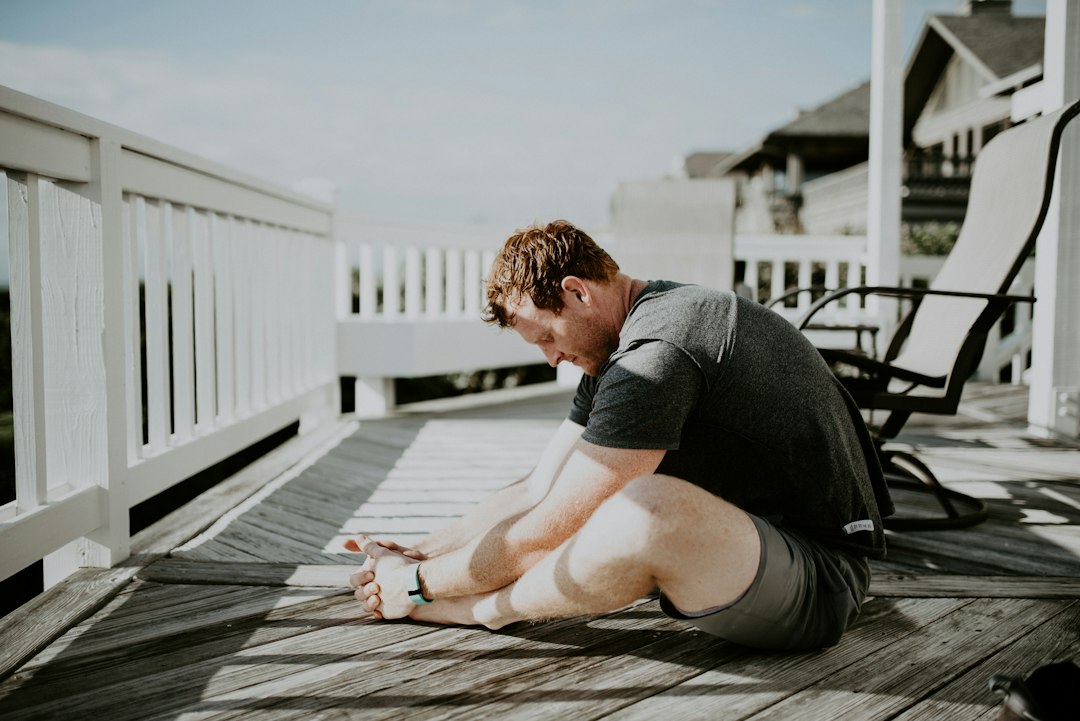
You wake up tired, so you drink more caffeine. Then you need another cup later because the first one did not fix the actual reason you were tired.
Caffeine can be useful. It is not the only lever.
If your mornings feel flat, the better question is what is happening with sleep, light exposure, movement, hydration, food, stress, and the timing of your caffeine.
The goal is not to quit coffee.
It is to stop asking coffee to do the work of an entire morning routine.
Start With the Previous Night
Morning energy starts before morning. If late weekends keep wrecking your mornings, our sleep schedule reset guide is the more specific fix.
If you sleep five hours and expect a cold shower, supplement, or stronger coffee to erase the difference, the system is already working against you.
Most adults need regular, sufficient sleep.
The exact amount varies, but consistency matters almost as much as the number.
Going to bed at radically different times throughout the week can make mornings feel unpredictable.
A more stable bedtime and wake time helps your body anticipate sleep and wakefulness.
That does not mean your schedule needs military precision.
It means avoiding the pattern of sleeping at midnight one night, 2:30 a.m. the next, and then expecting to feel sharp at 6:30.
Get Bright Light Early
Light is one of the strongest signals your brain uses to understand time of day.
When possible, get outside soon after waking.
Natural outdoor light is usually much brighter than normal indoor lighting even on a cloudy day.
A short walk gives you two benefits at once: light exposure and movement.
If you wake before sunrise, turn on enough indoor light to make the environment feel like morning, then get outside when daylight arrives.
You do not need to stare at the sun.
Just be in normal daylight.
Move Before You Decide You Are Exhausted
Your first physical state after waking is not necessarily your final state for the morning.
You have just spent hours lying down.
Give your body a few minutes to transition.
Walk around.
Do five to ten bodyweight squats.
Move your shoulders.
Take the stairs.
Stretch lightly if you enjoy it.
This is not about turning 6 a.m. into a full workout.
The point is getting circulation, joints, and attention moving before you judge how much energy you have.
A five minute walk can tell you more than lying in bed scrolling while deciding whether you are ready for the day.
Drink Water Because You Have Not Had Any for Hours
You do not need to believe every hydration myth to recognize the obvious.
You have gone several hours without drinking.
Having water after waking is simple.
It will not transform you into a different person, but it removes one basic variable.
Drink according to thirst and your normal needs.
If you train early, live in heat, or sweat heavily, you may need more.
There is no need to force a gallon before breakfast.
Start with a normal glass and move on.
Delay the Scroll
Your phone can make you feel mentally busy before you have done anything physically useful.
Messages, headlines, social media, work notifications, and short videos all compete for attention immediately.
That can create the feeling that your day has already started without you.
Try giving yourself the first 15 to 30 minutes without feeds or inboxes.
Use that time for light, water, washing, movement, breakfast, or setting the day’s first task.
You are not protecting your morning because phones are evil.
You are protecting it because reactive attention is a poor way to start a day you want to direct.
Eat Breakfast If Breakfast Helps You

Not everyone needs to eat immediately after waking.
Some men feel better with breakfast.
Others prefer eating later.
The useful question is what happens to your energy and appetite after your choice.
If skipping breakfast leads to a late morning crash, impulsive snacking, or an oversized lunch, a better breakfast may help.
Build it around protein and minimally processed food.
Eggs, Greek yogurt, cottage cheese, oats, fruit, whole grain toast, leftovers, or a simple protein smoothie can all work.
You do not need a special “energy breakfast.”
You need something that fits your appetite and does not leave you hungry 45 minutes later.
Use Caffeine Deliberately
Coffee is useful because caffeine increases alertness.
That is different from using it automatically every time your energy dips.
Know how much you are consuming.
Coffee strength varies.
Energy drinks can contain substantial caffeine.
Pre workout products can add another large dose.
The FDA has cited 400 milligrams of caffeine per day as an amount not generally associated with negative effects for most healthy adults, while individual sensitivity varies.
You do not need to aim for that number.
It is a ceiling reference, not a target.
If one normal coffee gets the job done, there is no prize for needing four.
Watch the Timing
Caffeine can remain active for hours.
A late afternoon coffee may feel harmless at the time and still make sleep shallower or bedtime harder later.
Then you wake tired and need more caffeine.
That is the cycle worth avoiding.
If morning energy is consistently poor, move your last caffeine earlier for a week and see whether sleep improves.
Many people notice that reducing late caffeine does more for morning alertness than adding another stimulant.
Do You Need to Wait 90 Minutes Before Coffee?
You may have seen strict rules saying everyone should delay caffeine for exactly 90 or 120 minutes after waking.
That is more rigid than the evidence supports.
If coffee first thing works for you and does not create problems, you do not need to manufacture a rule.
The larger principle is useful: do not use caffeine as the only thing standing between you and basic wakefulness.
Light, movement, sleep, and normal hydration matter too.
Consider a Short Morning Walk
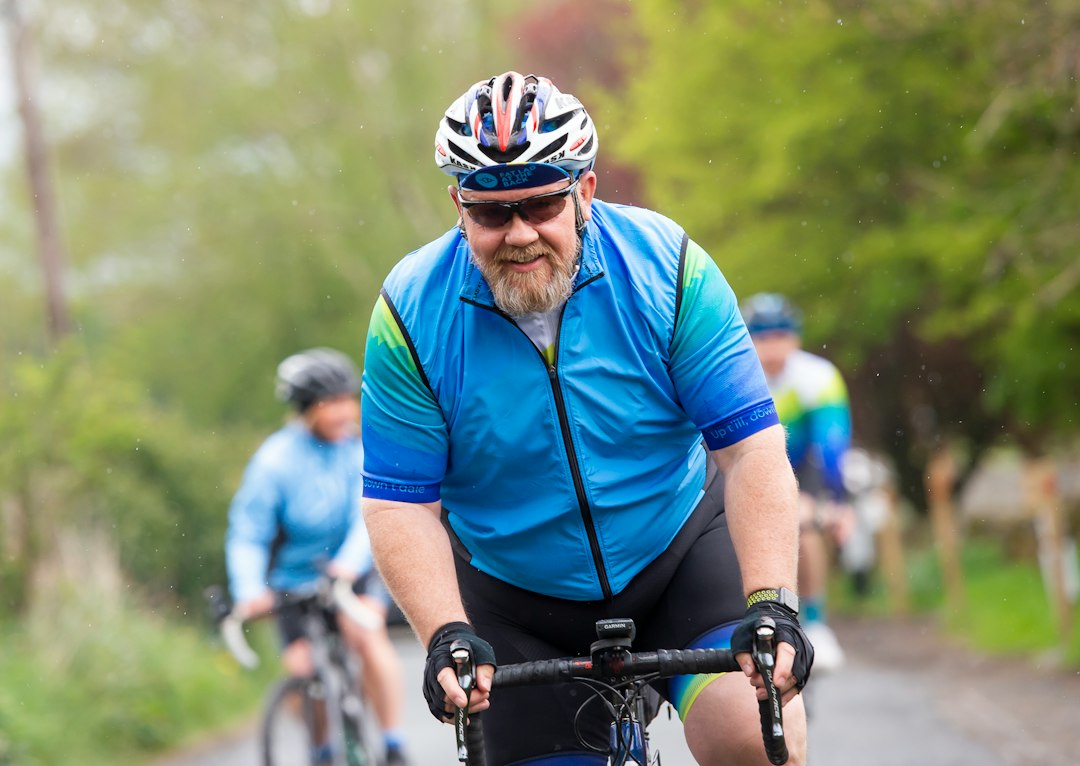
Walking is one of the most reliable low friction energy habits.
It does not require changing clothes if the weather is reasonable.
It can improve alertness without pushing stress higher.
Ten minutes is enough to change your state.
Walk after waking, after breakfast, or on the way to work.
If you work from home, make the walk your commute.
Leave the house for ten minutes and come back ready to start.
That transition can be surprisingly useful.
Train, but Do Not Turn Every Morning Into a Test
Some men feel best when they train early.
If that works for you, use it.
But morning training should not become another reason you feel exhausted.
Hard training, low calories, poor sleep, and aggressive caffeine intake can produce the exact energy problem you are trying to solve.
Keep most sessions appropriate to your recovery.
If you slept badly, you can still train, but adjusting volume or intensity may make sense.
One easier workout is better than turning one poor night into three poor days.
Check Whether Your Morning Is Too Complicated
A 12 step morning routine can create more stress than it solves.
You do not need journaling, meditation, stretching, supplements, cold exposure, reading, sunlight, a perfect breakfast, and a workout before you are allowed to start work.
Choose a small number of high value actions.
For example:
Wake at a consistent time.
Drink water.
Get outside for ten minutes.
Eat if hungry.
Have one coffee.
Start the first important task.
That is a complete morning.
Add more only when it genuinely helps.
When Persistent Fatigue Deserves Attention
There is a difference between feeling slow after a late night and feeling exhausted every morning for weeks. For a broader look at daily energy before hormone shortcuts, see How to Improve Daily Energy Without Chasing Testosterone Boosters.
Persistent fatigue can have many causes.
Sleep apnea, anemia, thyroid problems, depression, medication effects, chronic stress, infection, low calorie intake, and other conditions can all contribute.
Loud snoring, gasping during sleep, morning headaches, severe daytime sleepiness, or falling asleep unintentionally are especially worth discussing with a healthcare professional.
More caffeine can mask a symptom without explaining it.
Frequently Asked Questions
Is coffee bad in the morning?
No. Coffee can fit into a healthy routine. The issue is dose, timing, sensitivity, and whether caffeine is compensating for poor sleep.
Should I drink water before coffee?
You can. There is no need to create a complicated rule, but drinking water after several hours without fluids is reasonable.
Does a cold shower increase energy?
Cold water can feel stimulating, but it does not replace sleep. Use it if you enjoy it, not because your routine requires it.
Should I eat breakfast for more energy?
Some people feel better with breakfast, while others prefer eating later. Pay attention to your own energy, hunger, and training needs.
Can exercise make you less tired?
Regular physical activity generally supports energy and sleep quality, although excessive training without recovery can do the opposite.
Why am I still tired after eight hours of sleep?
Sleep duration is only one variable. Sleep quality, sleep disorders, medications, alcohol, illness, mental health, and other factors can affect how rested you feel.
A Better Morning in Six Steps
- Keep your sleep schedule reasonably consistent
- Get daylight early
- Move for a few minutes
- Drink some water
- Use caffeine intentionally
- Start the day before your phone starts running it for you
Keep the system simple.
Sleep on a reasonably consistent schedule.
Get daylight.
Move for a few minutes.
Drink some water.
Use caffeine intentionally.
Start the day before your phone starts running it for you.
You do not need more intensity.
You need fewer things working against your energy.
The Bottom Line
Morning energy is rarely fixed by finding a stronger stimulant.
Caffeine can help, but it works better when the basics are already doing their jobs.
Sleep enough.
Get outside.
Move.
Eat in a way that supports your morning.
Keep late caffeine from stealing from tomorrow.
Then enjoy your coffee for what it is: a useful tool, not life support.
Sources reviewed for this article: US Food and Drug Administration guidance on caffeine; CDC sleep guidance; current physical activity recommendations.