If your workout plan only works on days when you have an open hour, perfect energy, and enough motivation to drive to the gym, it is too fragile.
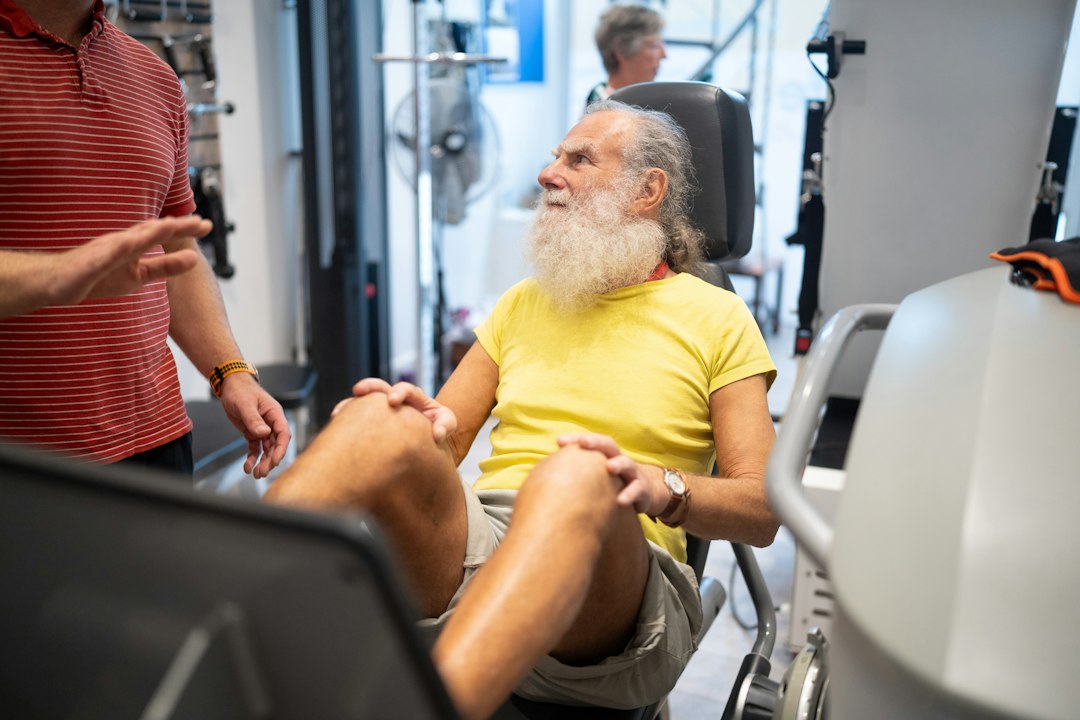
A ten minute home workout is not a replacement for every kind of training.
It is a way to remove the easiest excuse: “I do not have time.”
Ten minutes is enough to train the major movement patterns, raise your heart rate, and keep the habit alive. On busy days, that is valuable.
What This Workout Is Designed to Do
This routine is built around five things.
A squat pattern.
A push.
A hip hinge.
A pull substitute or upper back movement.
A trunk exercise.
That gives you a simple full body session without needing a rack, machine, or long setup.
The goal is not to destroy yourself.
The goal is to finish with the sense that you trained your body rather than skipped another day.
The 10 Minute Workout
- Bodyweight squats
- Push ups
- Hip hinge
- Backpack row
- Plank or dead bug
Move through the circuit at a controlled pace until the ten minutes are up.

Set a timer for ten minutes.
Move through the following exercises at a controlled pace.
Do not race the clock.
1. Bodyweight Squats
Do 10 to 15 repetitions.
Sit down and back as far as you can comfortably while keeping your whole foot in contact with the floor.
Stand tall at the top.
If regular squats are too easy, slow the lowering phase or hold a backpack at your chest.
2. Push Ups
Do 6 to 15 repetitions.
Use the floor if that is appropriate.
Use a countertop, bench, or sturdy table if you need an easier angle.
Keep your body controlled and avoid collapsing at the bottom.
3. Hip Hinge
Do 10 to 15 repetitions.
Place your hands on your hips, push the hips backward, keep the spine neutral, and stand back up.
Once the pattern feels natural, hold a backpack, dumbbell, or grocery bag for resistance.
4. Backpack Row
Do 8 to 15 repetitions per side.
Load a backpack with books or another stable object.
Support one hand on a chair or desk and row the backpack toward your side.
Control the lowering phase.
If you do not have a suitable load, use a towel isometric row around a sturdy post only when the setup is secure.
5. Plank or Dead Bug
Hold a plank for 20 to 40 seconds or perform 6 to 10 controlled dead bug repetitions per side.
Choose the version you can perform without losing position.
Then repeat the circuit until the ten minutes are over.
How Hard Should the Workout Feel?
Moderately hard is enough. For a joint friendlier strength framework, see Joint Friendly Strength Training for Men Over 50.
You should be breathing more heavily, but the session should not turn into sloppy repetitions.
Stop each set before form breaks down.
On a scale of one to ten, aim around seven or eight for most sets.
If the workout feels extremely easy, add resistance, slow the repetitions, or choose a harder variation.
If you are gasping after the first two minutes, reduce the pace.
The point is repeatability.
How to Progress a 10 Minute Workout
Short workouts still need progression.
The easiest method is to track total quality repetitions.
If you completed two full circuits this week, aim for slightly more next week.
You can also add load.
Use a heavier backpack.
Move from incline push ups to floor push ups.
Turn bodyweight squats into split squats.
Make the plank longer or choose a harder trunk exercise.
Eventually, you may reach the point where ten minutes no longer provides enough total work for your goals.
That is not failure.
It means the habit worked and you are ready to expand the session.
What If You Only Have Five Minutes?
Do one round.
Five minutes is still more useful than zero minutes when the alternative is skipping.
Choose three movements if needed: squat, push up, row.
On another day, do hinge, split squat, and trunk work.
The goal is not to pretend five minutes equals a full strength program.
It is to preserve momentum until you have more time.
Can Ten Minutes Build Muscle?

It can contribute, especially for beginners or people returning to training.
Muscle growth depends on sufficiently challenging resistance, enough total work over time, nutrition, and recovery.
A short session can provide a meaningful stimulus if the exercises are difficult enough.
But if building significant muscle is your primary goal, you will eventually benefit from longer sessions, more weekly volume, and resistance that can be progressed systematically.
Ten minutes is the minimum effective habit, not the ceiling forever.
Can Ten Minutes Improve Fitness?
Yes, especially if you have been inactive.
Short bouts of physical activity contribute to total weekly movement.
Current activity guidelines do not require aerobic exercise to happen in long uninterrupted blocks.
A brisk ten minute circuit can increase heart rate and build general work capacity.
You can also use separate ten minute walks to increase daily activity.
The combination adds up.
The Best Time to Do the Workout
The best time is the time you will actually repeat.
Morning works well if your day becomes unpredictable later.
Lunch can work if you are at home and need a break from sitting.
Evening works if training helps separate work from the rest of the day.
Do not waste energy searching for the metabolically perfect time.
Habit strength matters more.
What Equipment Do You Need?
Technically, none.
Bodyweight alone is enough to start.
But one adjustable dumbbell, a resistance band, or a backpack can make progression easier.
A pull up bar is useful if your shoulders tolerate hanging and pulling.
You do not need a complete home gym to make a ten minute workout harder.
You need resistance that is safe and easy to adjust.
How to Make This a Weekly Plan
Use the ten minute workout on days when the alternative would be nothing. If your schedule is the real problem, our better training week guide shows how to build a minimum week that survives interruptions.
If you already have two or three full gym sessions, this can be an optional maintenance session.
If you are starting from zero, do it three times per week.
Add walking on other days.
After two to four weeks, decide whether you want to extend one or two sessions to 20 or 30 minutes.
That creates a natural bridge from “I need to start” to a more complete program.
Common Mistakes
The first is turning a short workout into a punishment circuit.
Going as fast as possible makes technique worse and often makes the session harder to repeat.
The second is never progressing.
If the same 10 squats are easy for six months, the routine has stopped challenging you.
The third is treating home training as inferior.
A well designed home session can be effective.
The fourth is allowing the perfect workout to replace the actual workout.
Ten minutes done today beats the 60 minute session you keep planning for next week.
Frequently Asked Questions
Should I do this every day?
You can move every day, but hard strength work does not need to be repeated daily. Three sessions per week is a practical starting point.
Do I need to warm up?
For a short bodyweight routine, the first easy round can act as a warm up. If you have specific stiffness or an injury history, add a few minutes of preparation.
What if push ups hurt my wrists?
Use an elevated surface, push up handles, dumbbells as grips, or another pressing variation that keeps the wrist more comfortable.
Can I replace the row?
Yes. Use a resistance band row, table row if the setup is sturdy and safe, or another controlled pulling movement.
Is this enough for weight loss?
Exercise helps, but body weight is strongly influenced by total calorie intake. A ten minute workout supports the process; it does not override diet.
How to Turn Ten Minutes Into a 30 Day Habit
The easiest way to make a short workout useful is to remove the decision from the day.
Pick three fixed days. For example, Monday, Wednesday, and Friday.
Choose a trigger that already happens, such as finishing your morning coffee, closing your laptop after work, or getting home before you shower.
Then start the timer before you negotiate with yourself.
Keep the equipment visible if possible. A resistance band in a drawer and a backpack already loaded with books create less friction than a home gym that needs ten minutes of setup.
Track completion, not perfection.
A simple calendar mark is enough. The first goal is not a dramatic body transformation. It is proving that you can train three times per week without depending on motivation.
Once the habit feels normal, add one longer session on the weekend or extend one weekday workout to 20 minutes.
That is how a ten minute routine becomes useful beyond the first month.
It gives you a floor.
Busy week? Hit the floor.
More time and energy? Do more.
The mistake is having no minimum at all, because every difficult week then becomes a complete reset.
The Bottom Line
You do not need ten minutes because ten minutes is magical.
You need ten minutes because it is difficult to argue that you have no ten minutes at all.
Use the short session to protect the habit. Progress it when you can. Expand it when your schedule allows.
The workout you actually repeat is more useful than the perfect program you keep skipping.
Sources reviewed for this article: CDC adult physical activity recommendations and US Physical Activity Guidelines.