Low energy is easy to blame on testosterone. That does not mean testosterone is always the problem.

Sleep, stress, inactivity, poor diet, alcohol, medication effects, depression, sleep apnea, anemia, thyroid issues, and several medical conditions can all make a man feel flat. The useful approach is to fix the obvious energy drains first, then investigate persistent symptoms instead of buying another product built around the word “boost.”
Start With Sleep
If one bad night is the obvious cause, use our guide to recovering after poor sleep without wrecking your schedule.
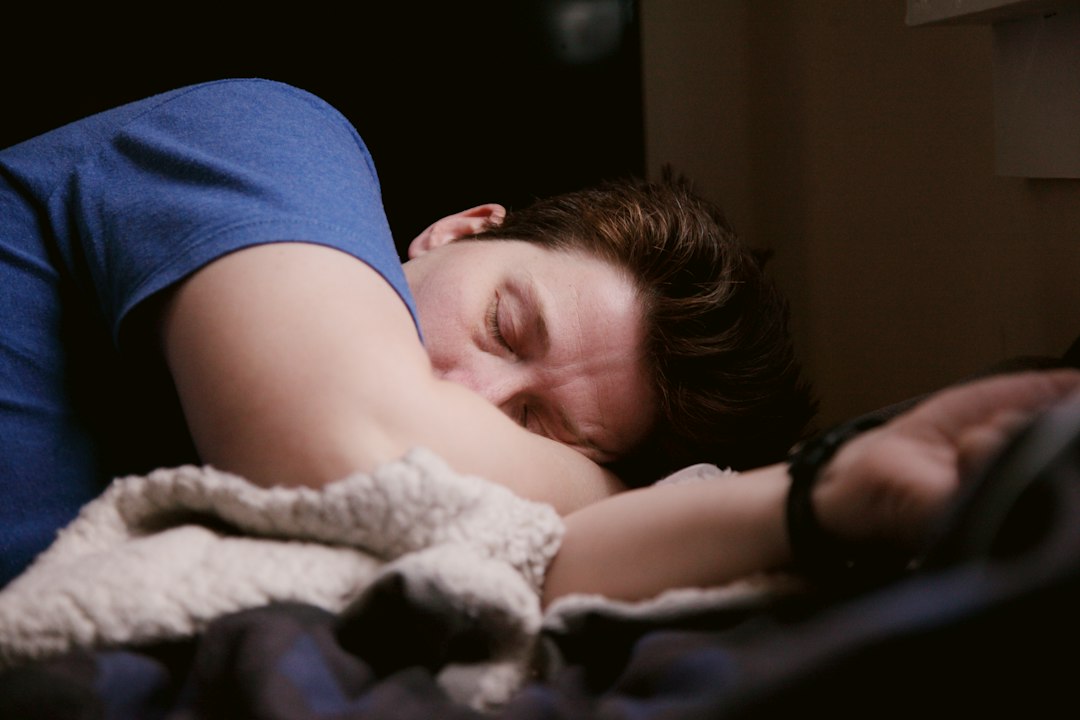
If you regularly sleep five or six hours, energy problems are not mysterious. Adults vary in how much sleep they need, but most function better with a consistent schedule and enough time in bed to recover. The problem is often not one terrible night.
It is chronic under sleeping. You wake early for work. You stay up late because evening is the only time that feels like yours.
Then caffeine carries the next day. That loop can feel normal because you have been doing it for years. It is still a loop.
Fix Wake Time First
A consistent wake time helps stabilize the sleep schedule. If you wake at 6:30 during the week and 10:30 on weekends, your body clock keeps shifting. You do not need military precision.
A reasonable range is enough. Then move bedtime earlier in small steps until the total sleep opportunity becomes realistic. Better sleep can improve energy without changing anything else.
Check for Sleep Apnea
Men with loud snoring, witnessed pauses in breathing, gasping during sleep, morning headaches, or severe daytime sleepiness should consider whether sleep apnea needs evaluation. Sleep apnea can leave you technically “in bed” for eight hours while sleep quality is poor. That makes it an easy problem to miss.
You can keep adding coffee and supplements without addressing the real issue. If the symptoms fit, talk to a healthcare professional.
Use Caffeine as a Tool, Not Life Support
Caffeine can improve alertness. It can also hide a sleep problem. If you need multiple large doses just to feel functional, the better question is why baseline energy is so low.
Keep caffeine earlier in the day when possible. Late intake can reduce sleep quality, which then increases the need for caffeine the next morning. That is another loop worth breaking.
A moderate dose used deliberately works better than drinking caffeine from morning until evening.
Move More During the Day
Low activity can make you feel more tired. That sounds backwards until you experience it. A short walk often increases alertness more reliably than sitting still and waiting for energy to appear.
You do not need a hard workout every time.
- Walk after lunch.
- Take a ten minute movement break.
- Use stairs.
- Get outside.
Movement increases circulation, breaks long periods of sitting, and can improve mood and attention. The goal is not calorie burning. It is making the body behave like it is awake.
Strength Train
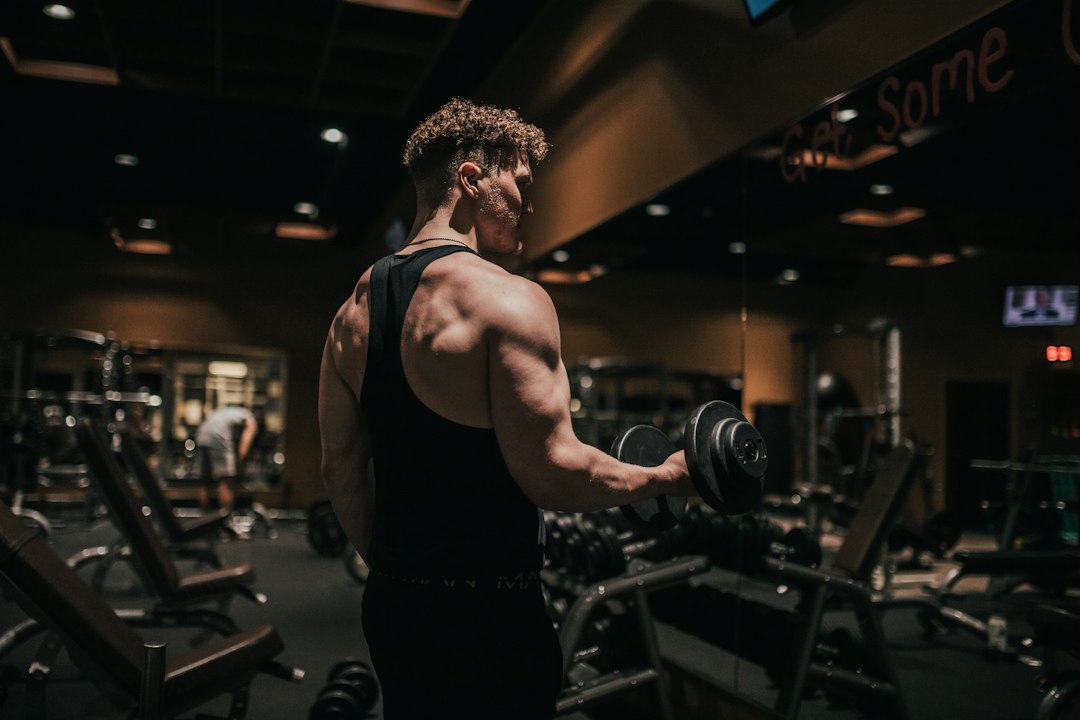
Strength training improves physical capacity. That matters because daily tasks feel easier when you are stronger. Two or three sessions per week can be enough for meaningful progress.
Train the major movement patterns.
- Squat.
- Hinge.
- Push.
- Pull.
- Carry.
You do not need a bodybuilding split. You need enough resistance to challenge the body consistently. Better strength can also improve confidence in a way that no “alpha” supplement can manufacture.
Build Aerobic Fitness
You do not need to become a runner. Cardio Fitness After 40 gives you a progression using walking, cycling, swimming, and rowing.
Poor aerobic fitness makes ordinary activity feel expensive. Stairs feel harder. Walking uphill feels harder.
Long days feel more draining. Improving cardiovascular fitness increases the amount of work you can do before fatigue becomes the limiting factor. Start with walking.
Then add cycling, swimming, jogging, rowing, or another activity you tolerate. Current physical activity guidance recommends at least 150 minutes of moderate aerobic activity per week for adults, plus strength work on at least two days. You do not need to reach the full target immediately.
Build toward it.
Eat Enough Protein
For a practical intake target, see How Much Protein Do Men Actually Need?.

Low protein intake can make it harder to maintain muscle. That matters more as you get older. Build meals around a meaningful protein source.
- Eggs.
- Greek yogurt.
- Fish.
- Chicken.
- Lean meat.
- Beans.
- Lentils.
- Tofu.
- Cottage cheese.
The exact food matters less than consistency. You do not need to turn every meal into a protein contest. You do need enough total intake to support recovery and muscle maintenance.
Do Not Confuse Under Eating With Discipline
Aggressive dieting can crush energy. If you dramatically cut calories, remove most carbohydrates, train hard, and sleep poorly, feeling exhausted is not surprising. Weight loss can improve health when appropriate.
It does not need to happen at maximum speed. A smaller calorie deficit is often easier to sustain. If every afternoon feels like a fight, look at the total plan.
You may simply be asking too much from too little fuel.
Carbohydrates Are Not Automatically the Enemy
Carbohydrates are a major energy source. Fruit, potatoes, rice, oats, beans, and whole grains can all fit into a healthy diet. The problem is not that carbohydrates exist.
The problem is total diet quality, portion size, and how much heavily processed food you eat. Men who train regularly often feel better with enough carbohydrate to support activity. You do not need to fear a bowl of rice because an online guru told you insulin destroys masculinity.
Hydration Matters, but Do Not Overcomplicate It
Mild dehydration can affect how you feel. Drink enough fluid across the day. Use thirst, urine color, climate, body size, and activity as practical guides.
If you train in heat or sweat heavily, you may need more. You do not need to carry a gallon jug everywhere to prove you are serious. Water is useful.
Obsession is not.
Alcohol Can Flatten Tomorrow
Alcohol can make the evening feel easier and the next day feel worse. It affects sleep. It can worsen snoring.
It can contribute to dehydration. It can reduce training quality. If energy is consistently poor after drinking, the pattern is giving you useful information.
You do not need to quit forever to learn from it. Reduce frequency or dose and compare how you feel.
Stress Drains Energy Too
Mental stress is tiring. Constant decision making, unresolved conflict, financial pressure, work overload, and relationship problems all consume attention. You can be physically rested and mentally exhausted.
That is why solving an energy problem sometimes requires changing workload or boundaries instead of changing supplements. Exercise and sleep help. They do not erase a life that has no recovery built into it.
Check Your Screen Habits
Scrolling can feel like rest while keeping your brain stimulated. Late night phone use delays bedtime. Constant notifications fragment attention during the day.
Then you feel mentally tired without having done meaningful work. Create periods with fewer inputs. Put the phone away during meals.
Turn off unnecessary notifications. Use a real stopping point at night. Mental energy improves when attention is not being pulled in ten directions all day.
What About Testosterone?
Testosterone can affect energy, libido, muscle mass, mood, and other functions. But symptoms alone do not diagnose low testosterone. If you have a persistent pattern of low libido, reduced morning erections, low energy, reduced strength, or other relevant symptoms, proper testing matters.
A clinician may check morning testosterone levels and interpret them with your symptoms and medical history. Do not diagnose yourself from an advertisement. “Low energy” is too broad a symptom.
Do Testosterone Boosters Work?
If you are comparing a commercial men’s vitality product, our Alpha Surge review shows how to separate verified formula facts from testosterone and performance marketing.
Over the counter testosterone boosters often contain herbs, vitamins, minerals, or amino acids. Some ingredients may be useful when a deficiency exists. That is not the same as reliably raising testosterone to a meaningful degree in every man.
Products may also be marketed using studies on individual ingredients rather than the finished formula. Read the label. Check doses.
Look for proprietary blends. Be cautious with promises that sound like hormone replacement without actual medical treatment. If testosterone is truly low, guessing with supplements is less useful than understanding why.
Check Medications
Some medications can cause fatigue. Blood pressure medications, antihistamines, antidepressants, pain medications, sleep aids, and other drugs may affect energy depending on the person. Do not stop a prescription because you suspect it.
Talk to the prescribing clinician. Sometimes timing can be adjusted. Sometimes another medication is appropriate.
Sometimes the underlying condition is the real cause. Bring the full list. That includes supplements.
When Low Energy Needs Medical Attention
Persistent fatigue deserves evaluation when it is unexplained, worsening, or affecting daily life. Seek medical attention sooner when fatigue comes with chest pain, shortness of breath, fainting, unexplained weight loss, fever, blood loss, neurological symptoms, or another significant change. A clinician may consider blood count, thyroid function, blood sugar, sleep, medications, mood, and other factors depending on the pattern.
The goal is not to test everything. It is to stop assuming one hormone explains every symptom.
A Better Daily Energy Routine
- Wake at a consistent time.
- Get morning light.
- Eat a real breakfast or first meal with protein.
- Walk during the day.
- Strength train a few times per week.
- Build aerobic fitness.
- Use caffeine earlier.
- Keep alcohol moderate.
- Protect sleep.
- Stop screens from stretching bedtime.
- Eat enough to support your activity.
Then see what remains. If energy is still poor, investigate. That sequence gives you better information than adding three supplements at once.
Frequently Asked Questions
Can low testosterone cause fatigue?
Yes, it can, but fatigue has many possible causes and should not be used alone to diagnose low testosterone.
Does exercise increase energy?
Regular activity can improve fitness, mood, and perceived energy, especially in people who are inactive.
How much sleep do men need?
Individual needs vary, but most adults need enough consistent sleep to function well during the day. Chronic short sleep is a common energy problem.
Can caffeine make fatigue worse?
It can indirectly when late or excessive use reduces sleep quality.
Should I take a testosterone booster?
Not automatically. Review symptoms, sleep, training, diet, medications, and actual hormone testing when appropriate before assuming a supplement is needed.
When should fatigue be checked?
When it is persistent, unexplained, worsening, or accompanied by other concerning symptoms.
The Bottom Line
Daily energy is not a single hormone. It is the result of sleep, fitness, nutrition, stress, medical health, medication, and how you structure the day. Fix the obvious drains first.
Train. Walk. Sleep.
Eat enough protein and total food. Use caffeine intelligently. Reduce the habits that wreck tomorrow.
Then investigate persistent symptoms. That approach is slower than buying a “testosterone booster.” It is also much more likely to tell you what is actually happening.
Sources reviewed for this article: CDC physical activity guidance; National Heart, Lung, and Blood Institute sleep information; Endocrine Society patient guidance on testosterone deficiency.